
Companion Plants
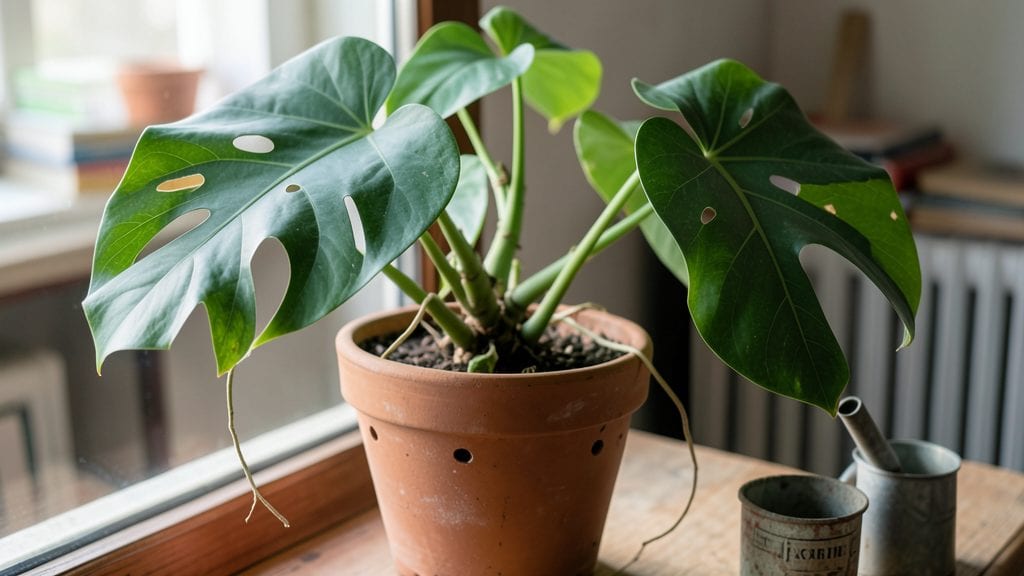
Even these Canadian tropical plants can thrive in our climate—my banana tree has survived three winters in a sunny patio greenhouse. ✨ The key isn’t fighting the climate but working with microclimates, containers, and smart overwintering.
I’ve grown everything from citrus to bird-of-paradise in Ontario, and I’ll show you how to pick the right species for your zone.
The secret lies in three simple adjustments: container mobility (move plants indoors before frost), insulated pots (prevents root shock), and bright indoor light (grow lights or south-facing windows). Most tropicals need 60-70°F days and 55°F nights—achievable with a heat mat or greenhouse.
My Meyer lemon tree produces fruit every year because I treat it like a houseplant in winter and a patio star in summer.
You’ll end up with lush foliage year-round, fragrant blooms in winter, and even fruit from citrus or banana trees. The trick is choosing cold-hardy varieties like dwarf citrus, calatheas, or schefflera—they bounce back from indoor conditions better than tropical show-offs.
By next summer, your patio will look like a mini jungle without the fuss.
Works for apartments, greenhouses, or sunrooms—no matter where you live in Canada. The only rule? Start small with one or two plants to test your setup before committing to a full tropical collection.
📚 In This Guide
- What you need
- Instructions
- Tips and common mistakes
- Wrapping up and next steps
What you need
- ● Tropical Plant Varieties (Choose 3-5): Dracaena (e.g., Dracaena marginata or Dracaena fragrans) – 2-3 plants
- ● Bird of Paradise (Strelitzia nicolai) – 1-2 plants (indoor/outdoor)
- ● Ficus (Ficus elastica) – 1-2 plants (great for height)
- ● Calathea (e.g., Calathea orbifolia) – 3-5 plants (for texture & color)
- ○ Optional: Schefflera or Monstera deliciosa (if space allows)
- ● Containers: 10-15" pots with drainage holes (3-5 pots, depending on plant count)
- ○ Self-watering planters (optional, for busy gardeners)
- ● Growing Medium: Well-draining potting mix (e.g., 50% peat moss, 30% perlite, 20% compost)
- ● Orchid bark mix (for Calathea or Schefflera)
- ● Tools: Trowel or small shovel
- ● Pruning shears (sterilized)
- ● Spray bottle (for humidity-loving plants)
- ○ pH testing kit (optional, for soil checks)
- ● Lighting: Bright, indirect light (east/west-facing windows or grow lights for indoors). Avoid harsh Canadian sun!
- ● Humidity: 50-70% humidity (use a humidifier or pebble tray for indoor plants)
- ● Outdoor plants: Shelter from wind (e.g., near a fence or patio)
- ● Temperature: Keep above 15°C (59°F)—most tropicals thrive at 18-24°C (64-75°F).
- ● Watering: Water when top 1-2" of soil is dry (overwatering = root rot!)
- ● Use room-temperature water (avoid cold tap water)
Step-by-step guide to cultivating Canadian-friendly tropical plants
Here's how to bring lush tropical vibrancy to your Canadian home—no green thumb required.
🪴 Step 1: Select the Right Containers and Potting Mix
Choose 12-16 inch diameter containers with drainage holes for your tropical plants—this size balances root growth and moisture retention. I recommend glazed ceramic pots for humidity-loving varieties like calatheas or plastic grow pots for faster moisture evaporation with plants like hibiscus. The 3 gallons of premium tropical potting mix you've gathered should be lightweight and airy—avoid garden soil, which compacts and suffocates roots.
Fill each container 2/3 full with the potting mix, then press down gently to eliminate air pockets. The mix should feel crumbly yet moist, like a wrung-out sponge. This texture prevents waterlogging while retaining enough moisture for tropical roots. If your mix feels dense, add ½ cup of perlite per pot to improve drainage.
☀️ Step 2: Position Plants for Optimal Light Conditions
Canadian indoor light rarely matches tropical needs, so bright, indirect light is your goal. Place plants within 3-6 feet of a south-facing window—this mimics their native understory conditions. For north-facing windows, supplement with a full-spectrum LED grow light positioned 12-18 inches above the plants for 12-14 hours daily. You'll notice leaves darkening or stretching toward light? That's your cue to adjust placement immediately.
Rotate pots quarter-turn weekly to prevent lopsided growth. Tropical plants grow toward the light source, so consistent rotation ensures even foliage development. Avoid direct afternoon sun—it scorches delicate leaves. If you see brown leaf tips or crisp edges, your plant is getting too much harsh light or dry air from heating vents.
💧 Step 3: Establish a Consistent Watering Routine
Tropical plants thrive on consistent moisture but despise soggy roots. Water when the top 1-2 inches of soil feel dry to touch—stick your finger in to check. Use room-temperature water to avoid shocking roots, and water until it drains freely from the bottom. Empty saucers after 10 minutes to prevent root rot. I've found that misting leaves daily with a spray bottle replicates humidity levels, especially helpful in dry Canadian winters.
Adjust your watering based on plant type: Calatheas and peace lilies prefer slightly moist soil, while hibiscus and bird-of-paradise tolerate slightly drier conditions. Overwatering is the #1 killer—yellowing leaves or mushy stems mean you're watering too frequently. If this happens, let the soil dry completely before watering again.
✂️ Step 4: Maintain Humidity and Prune for Health
Group your tropical plants together to create a microclimate—this naturally increases humidity through transpiration. For extra moisture, place pots on pebble trays filled with water (ensure pots don't sit directly in water). Aim for 50-70% humidity—you can monitor this with a hygrometer. If humidity drops below 40%, leaves will develop brown tips as a stress response.
Prune yellow or damaged leaves immediately to redirect energy to new growth. Use sterilized scissors to cut just above a leaf node at a 45-degree angle. This encourages bushier growth. For leggy plants, pinch back the top 2-3 inches of new growth to promote branching. I do this every 4-6 weeks during growing season to keep plants compact and full.
🌿 Step 5: Fertilize and Monitor for Pests
Feed your tropical plants with ½ teaspoon of balanced liquid fertilizer (10-10-10) every 4-6 weeks during spring and summer. Dilute to half-strength to prevent root burn. In winter, reduce to once every 8 weeks—plants grow slower in low light. You'll see vibrant new leaves as a sign your feeding routine is working. If leaves develop yellow patches between veins, that's a classic sign of over-fertilizing.
Inspect leaves weekly for pests—tropical plants attract spider mites and mealybugs in dry indoor air. Wipe leaves with a damp cloth to remove dust and deter pests. If you spot tiny webs or cottony patches, isolate the plant and treat with neem oil spray (mix 1 tsp neem oil with 1 quart water). Repeat every 3-5 days until pests disappear.
Tips & tricks for perfect Canadian tropical plants
These game-changing strategies will help you transform your Canadian home into a tropical oasis—without the stress.
Container Intelligence: The 12-16 inch diameter rule isn't arbitrary—it creates the perfect balance between root development and moisture retention. For plants like calatheas that love humidity, glazed ceramic pots help maintain moisture better than plastic, while plastic grow pots actually work better for hibiscus by allowing faster evaporation. I've found that adding a layer of pebbles at the bottom of the pot before the 2/3 full potting mix creates a natural drainage barrier that prevents root rot while keeping the roots happy.
Light Strategy: That 12-14 hour daily light requirement with full-spectrum LED grow lights is non-negotiable for north-facing windows. I recommend positioning your lights on a timer to automate this—consistency is key. Pro tip: If you notice leaves stretching dramatically toward the light (called etiolation), it's time to move the plant closer or increase light intensity. This usually happens within 3-5 days of inadequate light exposure.
Watering Wisdom: The 10-minute drainage rule is your best defense against root rot. I've ruined more tropical plants from overwatering than anything else—trust me on this. For the top 1-2 inches soil check, use your index finger to gauge moisture. If it feels like a wrung-out sponge, it's ready for water. And that daily misting? It's not just about humidity—it also helps wash away dust that can clog leaf pores and prevent proper gas exchange.
Pruning Precision: That 45-degree angle when pruning isn't just aesthetic—it creates a larger surface area for new growth to emerge. I sterilize my scissors with rubbing alcohol between cuts to prevent spreading disease. For leggy plants, pinch back those top 2-3 inches of new growth during the growing season (spring and summer), but avoid heavy pruning in winter when plants are dormant. You'll notice a bushier plant within 6-8 weeks of consistent pruning.
Pro Tips for Canadian Tropical Plants
- These game-changing strategies will help you transform your Canadian home into a tropical oasis—without the stress.
- Container Intelligence: The 12-16 inch diameter rule isn't arbitrary—it creates the perfect balance between root development and moisture retention.
- Light Strategy: That 12-14 hour daily light requirement with full-spectrum LED grow lights is non-negotiable for north-facing windows.
Frequently asked questions
Got questions about keeping tropical plants thriving in Canada’s climate? You’re not alone! Here are answers to the most common concerns—so you can enjoy lush greenery without the headaches.
Can tropical plants really survive year-round in Canada?
Yes! With the right setup—like grow lights, humidity control, and temperature regulation—many tropical plants (e.g., Monstera, Calathea, or Fiddle Leaf Fig) can thrive indoors. Just avoid drafts near windows and doors, and supplement sunlight with LED grow bulbs in winter. Pro tip: Rotate plants occasionally for even growth!
What’s the best way to protect tropical plants from winter cold?
Most tropical plants can’t handle frost, but you can keep them safe by:
- Moving them indoors before temperatures drop below 10°C (50°F).
- Using a humidifier or pebble tray to mimic their natural environment.
- Avoiding cold drafts from AC vents or open windows.
How often should I water tropical plants in Canada’s dry winter air?
Overwatering is the #1 killer—check soil moisture weekly by sticking your finger 2-3 cm (1 inch) deep. Tropical plants need water when the topsoil feels dry. In winter, they’ll need less water due to lower light levels. Pro tip: Use room-temperature water and empty saucers after 10 minutes to prevent root rot!
Are there low-maintenance tropical plants for Canadian homes?
Start with these hardy picks:
- Snake Plant (Sansevieria) – Tolerates low light and infrequent watering.
- ZZ Plant (Zamioculcas) – Thrives in neglect and bright, indirect light.
- Pothos (Epipremnum) – Fast-growing and forgiving of occasional dry spells.
Why are my tropical plant leaves turning yellow or brown?
Yellow leaves usually mean overwatering, while brown edges often signal low humidity or fluoride in tap water. Try these fixes:
- Let soil dry out between waterings.
- Mist leaves or use a humidifier.
- Water with filtered or distilled water if your tap water is hard.
Wrapping up and next steps
Bringing tropical vibes to your Canadian garden is easier—and more rewarding—than you think! 🌿 From hardy palms to resilient ferns, these plants prove that warmth and beauty can thrive even in cooler climates with the right care.
Whether you’re a seasoned gardener or just starting out, start small: pick one plant to test your green thumb, then expand your oasis as you gain confidence.
Ready to transform your space? Visit your local nursery or order online to begin your tropical journey today! 🌺