
Pruning
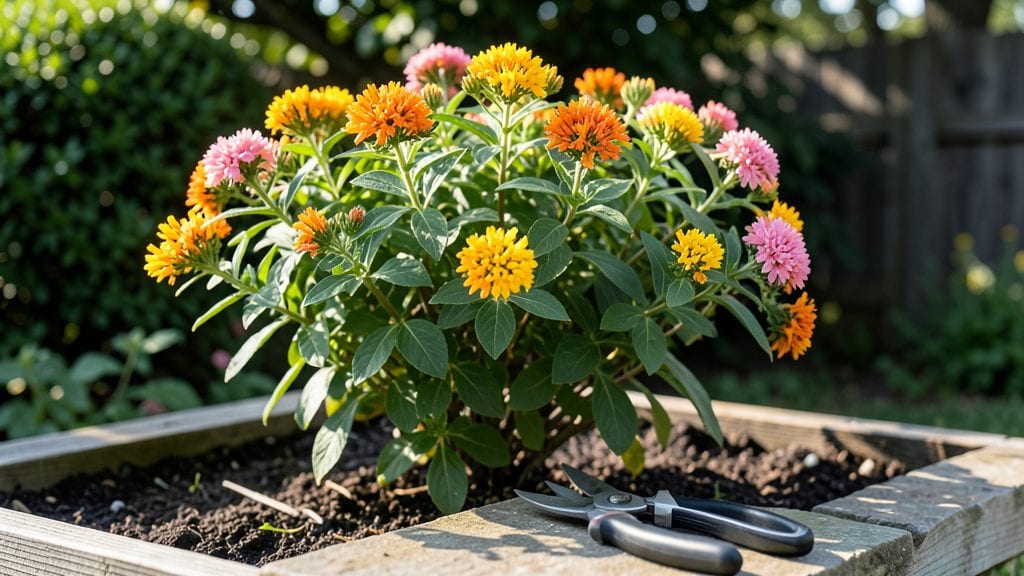
Trimming lantana plants keeps them blooming like crazy all season—here’s how to do it right. ✨ I’ve watched my leggy bushes transform into dense, flower-covered shrubs after just three strategic cuts a year, and the secret isn’t complicated: timing, tools, and a little patience.
The best time to trim is late winter before new growth starts, again after summer blooms fade, and lightly in fall to prep for winter. You’ll need sharp pruners, gloves, and a clear day—lantana’s tough, but clean cuts prevent disease.
Cut back by about a third each time, always snipping just above a leaf node to encourage bushiness.
What you’ll end up with is a lantana that stays compact, blooms nonstop, and resists pests better than overgrown plants. The flowers stay vibrant, the foliage thickens, and you’ll never again let yours get that sad, woody look.
Reviving leggy plants just takes a little more aggressive trimming—think of it as a reset button.
Works for both container and in-ground lantanas, and the same rules apply whether you’ve got one plant or a whole hedge. Let’s get those shears ready—your lantana’s about to look better than ever.
📚 In This Guide
- What you need
- Instructions
- Tips and common mistakes
- Wrapping up and next steps
What you need
- ● Pruning shears or bypass pruners – Choose sharp, high-quality shears (4-6 inch blades) for clean cuts. Quantity: 1 pair
- ● Loppers – For thicker stems (½ inch or larger). Quantity: 1 pair
- ● Garden gloves – Heavy-duty, chemical-resistant gloves (lantana can be thorny!). Quantity: 1 pair
- ○ Disposable pruning bags or bucket – To collect trimmings (optional but helpful for cleanup). Quantity: 1-2
- ● Hose or water source – For rinsing tools and refreshing plants post-prune.
- ● Rubbing alcohol (70% or higher) – To sterilize tools between cuts and prevent disease spread. Quantity: Small bottle
- ● Hand pruners with ratcheting mechanism – For stubborn, thick branches.
- ● Knee pads or stool – If your lantana is tall or ground-level trimming is uncomfortable.
- ● Plant food or compost – To nourish the plant after pruning (especially post-winter cuts).
- ● Safety goggles – If your lantana has sharp thorns or you’re working near your face.
- ● Labeling tags – If propagating from cuttings (e.g., for new plants!).
Step-by-Step guide to trimming lantana plants for year-round beauty
Here's the seasonal approach I've used to keep my lantana blooming nonstop—no dead stems, no leggy growth, just steady color.
✂️ Step 1: Spring Cleanup Cut (Late February-March)
Start by removing all dead stems from last season—these look brown and brittle, often with no leaves. I grab a pair of sharp pruners and cut just above a leaf node or a healthy bud. This ensures the plant knows exactly where to send new growth. Never cut into bare wood; you'll see green underneath where new shoots can emerge.
Next, trim back any leggy stems by about one-third of their length. You'll recognize leggy growth by its long, bare stems with just a few small leaves at the top. Cutting these back encourages bushier growth and more flowers. After pruning, I always give the plant a light feeding with a balanced fertilizer to support the fresh growth.
✂️ Step 2: Mid-Season Maintenance Cut (June-July)
This is the time to shape the plant and encourage continuous blooming. Look for stems that have finished flowering—you'll notice clusters of spent blooms turning brown. Trim these back to just above the next set of leaves or buds. This prevents the plant from putting energy into seed production and redirects it toward new flowers.
I also thin out crowded stems by removing about 20% of the oldest growth from the center of the plant. This improves airflow, which reduces the risk of fungal diseases. After trimming, I spray the plant with a mild fungicide as a precaution, especially if the area gets humid. The goal here is to keep the plant looking full and vibrant, not sparse.
✂️ Step 3: Fall Renewal Cut (October-November)
As temperatures drop and blooming slows, it's time for a final trim to prepare the plant for winter. Cut back all stems by about half their length, focusing on removing any weak or diseased growth. This helps the plant enter dormancy stronger and reduces the risk of pests overwintering in dead material.
I avoid heavy pruning in late fall if frost is expected, but a light cleanup keeps the plant tidy. After trimming, I mulch around the base with about 2-3 inches of organic mulch to protect the roots from cold snaps. This step ensures the lantana starts spring with fresh energy rather than struggling to recover from neglected growth.
⏰ Step 4: Light Winter Pruning (December-February)
During the dormant season, I do minimal pruning—just removing any dead or broken stems that appear. I also check for signs of pests like aphids or spider mites, which can hide in the plant's crevices. If I spot any, I treat them immediately with insecticidal soap.
This is also the time to assess the plant's overall shape. If any stems are growing in odd directions or crossing over others, I trim them back to encourage a more balanced form. The key here is patience—lantana is tough and will bounce back quickly once warmer weather arrives.
Tips & tricks for perfect lantana pruning
Keeping your lantana blooming all year takes more than just occasional snips—here's how to master the seasonal approach without stress.
Tool Selection: Invest in a good pair of bypass pruners for clean cuts that heal faster. I use sharp, clean tools every time to prevent tearing stems, which can invite disease. For thicker stems (over 1/4 inch), I switch to loppers—just make sure they're disinfected between cuts to avoid spreading any hidden pathogens.
Timing Secret: In Step 1, when you're cutting back leggy stems by one-third, focus on the healthiest new growth at the base. The plant will send out new shoots from these nodes, creating a fuller shape. I've found that cutting just above a leaf node (where leaves meet the stem) gives the best results—you'll see tiny buds forming there that will become your new blooms.
Seasonal Adjustments: During the mid-season cut (June-July), if your lantana produces fewer flowers than usual, it might need more sunlight. I've noticed that plants in shadier spots need slightly more aggressive thinning—removing up to 30% of the oldest growth can help. Just be prepared to water more frequently after heavy pruning to help the plant recover.
Winter Prep: When mulching in Step 3, I use straw rather than wood chips because it breaks down more slowly and provides better insulation. The 2-3 inch layer helps regulate soil temperature, which is especially important if you experience temperature swings in your area. This small detail makes a big difference in how quickly your lantana recovers in spring.
Pro Tips for Trimming Lantana Plants
- Keeping your lantana blooming all year takes more than just occasional snips—here's how to master the seasonal approach without stress.
- Tool Selection: Invest in a good pair of bypass pruners for clean cuts that heal faster.
- Timing Secret: In Step 1, when you're cutting back leggy stems by one-third, focus on the healthiest new growth at the base.
Frequently asked questions
Got questions about keeping your lantana lush and blooming? Here are some of the most common concerns—and their answers—to help you trim with confidence!
When is the best time to trim lantana plants?
Lantana thrives with three seasonal cuts: spring (to shape and encourage new growth), summer (after blooming to promote more flowers), and fall/winter (to clean up and prep for dormancy). Light trims can even happen year-round if needed!
How much can I cut back lantana without harming it?
Lantana is tough—you can trim up to ⅓ of the plant at a time without stressing it. For hard pruning (like reviving overgrown bushes), cut back to 6–12 inches from the ground. It’ll bounce back with vibrant new growth!
What if my lantana looks leggy after trimming?
Leggy growth happens when the plant stretches for light. To fix it, prune just above a leaf node (where leaves meet stems) to encourage bushier growth. Add balanced fertilizer and ensure it gets 6+ hours of sunlight daily for a fuller look.
Are there alternatives to cutting lantana back hard?
Yes! For a softer approach, try pinching (removing just the tips of stems) to shape it gradually. You can also thin out dense areas by selectively trimming inner branches. Just avoid removing more than 20% of the plant at once.
Will trimming lantana affect its flowers or butterflies?
Not at all! Lantana blooms on new wood, so trimming stimulates more flowers. Butterflies love the nectar—just avoid heavy pruning during peak bloom (late summer) if you want to protect active pollinators. A light trim is always safer!
What should I do if my lantana turns brown after trimming?
Brown tips or stems usually mean stress from over-pruning or drought. Water deeply after trimming, and avoid cutting into old, woody stems (focus on green growth). If browning persists, check for pests or disease—lantana rarely needs heavy-duty intervention!
Wrapping up and next steps
Trimming your lantana plants isn’t just about keeping them tidy—it’s the secret to year-round bursts of color and healthier growth! By mastering the three seasonal cuts (spring, summer, and fall), you’ll encourage lush foliage, prevent overgrowth, and even boost blooms.
Whether you’re a gardening pro or just starting out, these simple steps make maintenance a breeze.
Ready to transform your garden? Grab your shears and get trimming! 🌿 For extra inspiration, check out our lantana care guide to keep your plants thriving all year.