
Diseases
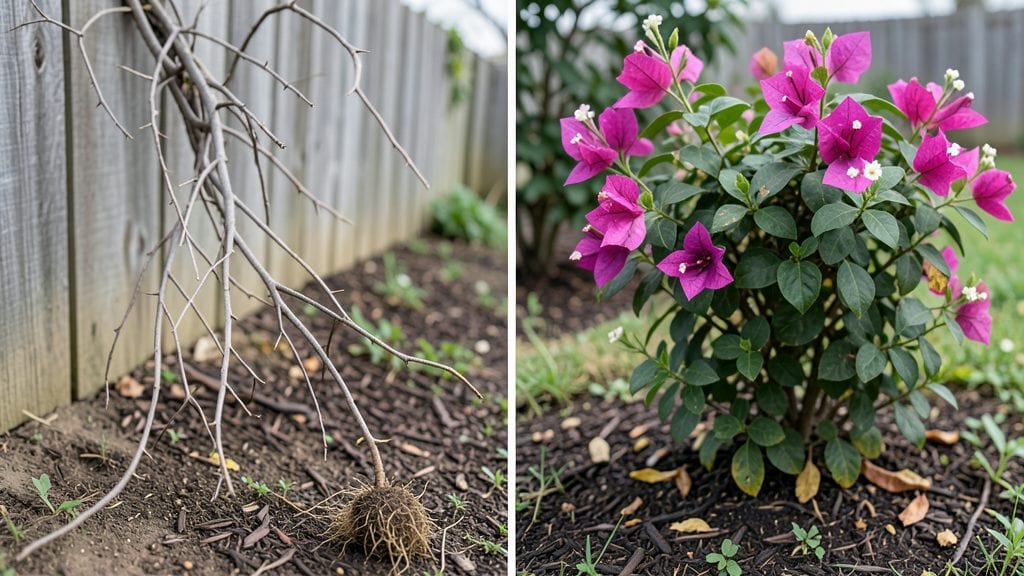
Planting bougainvillea in zones where they naturally thrive means bright, year-round color—but even outside their ideal range, you can coax these 🌸 beauties to bloom with the right strategy.
Dreaming of vibrant bougainvillea blooms but unsure if your climate will support them? These tropical beauties thrive in specific zones—but with the right microclimate hacks, you can grow them even outside their ideal range.
Bougainvillea loves USDA Zones 9-11, where frost is rare and summers stay hot. But if you're in cooler areas—like Zone 8 or 7—container growing and winter protection can still make it work.
Here’s how to pick the perfect spot, choose the right variety, and keep your bougainvillea thriving—no matter where you live.


USDA hardiness Zones for bougainvillea growth (and where to grow them year-round)
Bougainvillea thrives in USDA Zones 9-11, where warm winters and long growing seasons create perfect conditions. These tropical vines love heat and struggle with frost, but don't let that stop you—even gardeners in Zones 7-8 can grow them with the right strategies.
The key lies in understanding your zone's limitations and adapting care routines accordingly.
Native to South America, bougainvillea needs at least 250 frost-free days annually to flourish outdoors. In their ideal zones, they reward you with vibrant blooms from spring through fall, but colder climates require container growing or seasonal adjustments.
Let’s break down exactly how to grow bougainvillea in every zone, including winter survival tips.
| USDA Zone | Growth Conditions | Planting Method | Winter Care |
|---|---|---|---|
| 9-11 | Year-round growth, 300+ frost-free days | In-ground or large containers | None needed; hardy year-round |
| 8 | 200-250 frost-free days; mild winters | Large containers (15+ gallons) or in-ground with mulch | Move containers indoors or wrap in burlap for light frost |
| 7 | 150-200 frost-free days; cold winters | Containers only (10+ gallons); never in-ground | Overwinter indoors near bright light (60°F+); reduce watering |
| 6 or below | Limited frost-free days; harsh winters | Containers only (5+ gallons); grow as annuals or overwinter indoors | Dormant storage at 50-60°F; resume care in spring |
In Zones 9-11, bougainvillea grows like a tropical powerhouse, climbing trellises or sprawling as a shrub. These zones offer the perfect balance of heat, sunlight, and minimal frost risk.
Plant yours in well-draining soil with full sun exposure—at least 6 hours daily—to trigger those iconic blooms. Mulch around the base to retain moisture and protect roots during rare heatwaves.
For gardeners in Zone 8, the challenge shifts to winter survival. While bougainvillea can tolerate light frosts, temperatures below 28°F will damage or kill the plant. The solution? Use large containers (15+ gallons) for easier mobility.
When frost threatens, move pots to a protected location like a garage or under a patio cover. Wrap the container in burlap or frost cloth for extra insulation.
Zone 7 presents a bigger hurdle with colder winters and shorter growing seasons. Here, bougainvillea must live in containers year-round. Choose thornless varieties like 'California Gold' for easier handling, and opt for 10-gallon pots or larger to stabilize root growth.
Overwintering indoors near a south-facing window is critical—reduce watering to every 2-3 weeks and avoid fertilizing until spring.
Even in Zones 6 and below, you can still grow bougainvillea—but treat it as a seasonal plant. Start seeds or young plants indoors in late winter, then transplant to containers outdoors after the last frost.
When temperatures drop below 50°F at night, bring pots indoors and place them in a cool, bright spot. Prune lightly in early spring to encourage new growth before moving them back outside.
Regardless of your zone, soil drainage is non-negotiable. Bougainvillea hates soggy roots, so amend heavy soil with perlite or sand and avoid overwatering. In containers, ensure pots have drainage holes and use a cactus/succulent mix for optimal results.
Fertilize lightly in spring and summer with a balanced 10-10-10 formula to promote blooming.
Pro tip: Prune in late winter to shape your bougainvillea and encourage denser blooming. Cut back 1/3 of the plant to remove weak growth, and always prune just above a leaf node.
This encourages new shoots and keeps your plant compact and bushy—perfect for containers or small gardens.
With the right zone-specific care, you can enjoy stunning bougainvillea blooms anywhere—whether you're basking in Zone 10 sunshine or coaxing growth in a Zone 7 container. The key is adapting to your climate’s quirks while keeping those roots happy and healthy.
🌸
Microclimate hacks to grow bougainvillea in non-ideal Zones (Zones 7 & below)
If you live in USDA Zones 7 or below, growing bougainvillea might seem impossible—but it’s not! These tropical beauties can thrive in cooler climates with the right microclimate strategies. By creating localized warmth and protection, you can extend the growing season and enjoy vibrant blooms year-round.
The key is understanding how to mimic their natural habitat—warmth, sun, and shelter from cold winds. Even in chilly zones, you can use containers, windbreaks, and strategic planting to give your bougainvillea the perfect microclimate. Let’s explore how to do it right.
Plant near sun-soaked walls or patios that absorb and radiate heat. These spots can be 5–10°F warmer than the surrounding area, giving your bougainvillea a tropical edge.
Grow bougainvillea in large pots with insulation (like styrofoam cups wrapped around roots). Move containers indoors or under porches when temps drop below 40°F.
Cold winds accelerate frost damage. Use bamboo fencing, shrubs, or lattice screens to block north and east winds, which are the coldest.
Apply 4–6 inches of mulch (straw or wood chips) around the base to insulate roots and retain warmth. This can delay frost damage by 2–3 weeks.
When temps drop below 50°F, drape frost cloth over containers or young plants. This adds 5–10°F of protection without blocking sunlight.
Another smart trick is to plant bougainvillea near heat-retaining surfaces, like brick walls or pavement. These materials absorb sunlight during the day and release warmth at night, creating a mini greenhouse effect. Pair this with drip irrigation to keep roots moist without overwatering—bougainvillea hates soggy soil!
For Zone 7 gardeners, consider thornless varieties like 'California Gold' or 'Violet Dream,' which are slightly more cold-tolerant. These can handle brief dips to 28°F if protected, while traditional varieties struggle below 32°F. Always prune back damaged growth in spring to encourage fresh, vibrant blooms.
With these microclimate hacks, you can grow bougainvillea even in cooler climates—just give them the right conditions, and they’ll reward you with season-long color! Start small with containers, and expand as you master the art of creating warmth in your garden. 🌸