
Planting
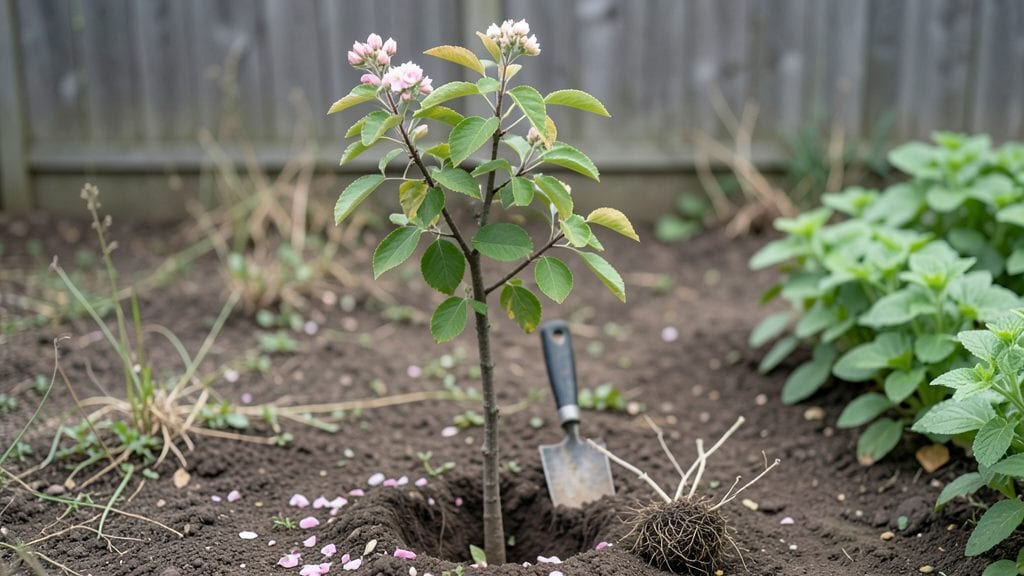
This apple planting guide reveals why timing—whether early spring or late fall—makes all the difference between a thriving orchard and one that struggles for years. ✨ I’ve learned the hard way that roots establish faster when planted right. the tree grows, and even how many apples you’ll harvest in five years.
The secret isn’t just picking the right season; it’s matching that season to your climate zone and the specific apple variety you’re planting.
Most beginners focus on the tree itself, but the real foundation starts with the soil. A well-draining mix with plenty of organic matter—think compost or aged manure—helps roots spread quickly.
You’ll also need a sunny spot with at least 6 hours of direct light daily, and space to grow: dwarf varieties need 10-15 feet between trees, while standard varieties need 20-25 feet.
The right tools—a shovel, pruners, and mulch—make the process smoother, but the biggest game-changer is choosing a variety that thrives in your area.
Once planted, the first year is all about patience. You won’t see apples yet, but with proper watering—deep soakings once a week—and mulch to retain moisture, your tree will focus on root growth.
By spring, you’ll notice new shoots, and within three years, you’ll have a sturdy framework ready for fruit. The key is consistency: too much water drowns roots, too little stresses the tree, and skipping mulch means weeds steal nutrients.
This guide covers everything from soil prep to early care, including how to tell if your tree is thriving or stressed. Whether you’re planting a single tree or a small orchard, these steps ensure your apple trees grow strong—and set you up for harvests that’ll make your neighbors jealous.
Let’s get those roots in the ground right.
📚 In This Guide
- What you need
- Instructions
- Tips and common mistakes
- Wrapping up and next steps
What you need
- ● Apple tree saplings: Choose disease-resistant varieties (e.g., Honeycrisp, Fuji, or Gala). Buy 2–5 trees for cross-pollination (unless grafting a self-pollinating variety).
- ● Shovel or trowel: For digging holes (12–18" wide, 12" deep).
- ● Well-draining soil: Mix 50% native soil with 50% compost or aged manure (avoid fresh manure—it burns roots!).
- ● Organic mulch: 3–4 inches of wood chips, straw, or pine needles to retain moisture and suppress weeds.
- ● Fertilizer: Balanced 10-10-10 or organic options like bone meal or compost tea (apply sparingly at planting).
- ● Watering can or hose: With a gentle spray nozzle for deep watering.
- ● Pruning shears: Sharp, sterilized shears for trimming dead branches (clean blades prevent disease!).
- ○ Tree stakes (optional but helpful): 2–3 stakes per tree (2–3 ft tall) + soft ties to support young trees.
- ● Soil pH test kit: Aim for 6.0–6.5 (apples thrive in slightly acidic soil). Adjust with lime (to raise pH) or sulfur (to lower it).
- ● Root stimulator: Like Mycorrhizal fungi or seaweed extract to boost early root growth.
- ● Drip irrigation system: For consistent moisture (especially in dry climates).
- ● Tree guards: Wire cages or plastic wraps to protect young trees from deer or pests.
- ● Pest control: Neem oil or beneficial nematodes for organic pest management.
Step-by-Step instructions for planting apple trees
Here's the foolproof method I rely on to get apple trees thriving from day one.
🌱 Step 1: Choose the Right Variety and Planting Time
Apple trees need 6-8 months to establish roots before producing fruit, so timing matters. Plant bare-root trees in early spring (just as buds swell) or container-grown trees in fall (4-6 weeks before first frost). Avoid summer planting—heat stress slows root growth.
Pick disease-resistant varieties suited to your climate zone. I always check the USDA zone map first—some apples need at least 300 chill hours (below 45°F) to set fruit properly. If you're unsure, ask your local nursery for cold-hardy options.
🪴 Step 2: Prepare the Planting Site
Choose a sunny spot with 6-8 hours of direct sun daily and well-draining soil. Apple trees hate soggy roots, so avoid low spots where water pools. Test your soil—ideal pH is 6.0-7.0, and you can adjust with lime or sulfur if needed.
Dig a hole twice as wide as the root ball but only as deep—planting too deep suffocates the roots. Loosen the sides of the hole with a shovel so roots can spread easily. If your soil is heavy clay, mix in 2-3 inches of compost at the bottom to improve drainage.
🌿 Step 3: Plant the Tree Properly
Remove the tree from its container or packaging and soak bare roots in water for 1-2 hours to revive them. Position the tree in the hole so the graft union (the bump near the base) sits 2-4 inches above soil level—this prevents roots from growing where they’ll rot.
Backfill with native soil, tamping gently to remove air pockets. Water deeply to settle the soil, then create a 4-inch-high berm around the tree to direct water away from the trunk. Mulch with 2-3 inches of organic mulch (like wood chips) in a 3-foot-wide circle, keeping it 6 inches away from the trunk.
☀️ Step 4: Water and Stake for Support
Water immediately after planting—10-15 gallons for mature trees, less for young ones. Keep the soil moist (not soggy) for the first 2-3 weeks, then gradually reduce to 1 inch per week once established. Deep watering encourages strong root growth.
Stake only if needed—young trees in windy areas benefit from a single 2-foot stake tied loosely with soft fabric. Avoid tight ties that can girdle the trunk as it grows. Prune any broken branches and remove suckers (shoots growing below the graft union) to direct energy upward.
⏰ Step 5: Maintain Through the First Year
Fertilize lightly in early spring with a balanced 10-10-10 fertilizer (follow package rates). Avoid heavy feeding the first year—you want roots, not leaves. Monitor for pests like aphids or mites; a strong spray of water usually dislodges them.
Watch for signs of stress: yellowing leaves may mean overwatering, while crisp edges signal underwatering. Apple trees are patient—don’t expect fruit until 3-5 years, but with proper care, they’ll reward you for decades. I always mark the planting spot with a stake so I remember where to prune and mulch each season.
Tips & tricks for perfect apple tree planting
Planting apple trees might seem intimidating, but these insider tips will help you avoid common mistakes and set your tree up for long-term success.
The Timing Secret: In Step 1, if you're planting in spring, look for bud swelling—buds should be plump but not yet open. For fall planting, mark your calendar 4-6 weeks before first frost and plant when soil temps drop below 60°F. This cool soil prevents shock and encourages root growth before winter. I've learned the hard way that planting too late in fall can leave roots vulnerable to freezing before they establish.
Soil Preparation Strategy: When preparing your planting hole in Step 2, take a soil sample from your yard and test it before planting. If your pH is below 6.0, add 1-2 pounds of agricultural lime per 100 square feet and mix it into the top 6 inches of soil 2-3 months before planting. This gives lime time to adjust pH naturally. I once planted in soil that tested 5.5 without adjusting, and my tree struggled for years with iron deficiency.
Root Revival Technique: In Step 3, when soaking bare roots for 1-2 hours, use lukewarm water (around 70°F) rather than cold water. Cold water can shock the roots, while warm water mimics spring conditions and helps revive them faster. After soaking, gently spread the roots outward in the hole—don't force them, just position them naturally. This encourages better root spread and stronger establishment.
Watering Wisdom: After planting in Step 4, create your 4-inch-high berm using the soil you removed from the hole. This simple technique directs water exactly where you want it—right at the root zone—while preventing erosion. For the first 2-3 weeks, water deeply every 2-3 days rather than daily. This encourages roots to grow deeper in search of moisture, creating a more drought-resistant tree. I've seen many new planters overwater because they think more is better—don't make that mistake!
Pro Tips for Apple Planting Guide
- Planting apple trees might seem intimidating, but these insider tips will help you avoid common mistakes and set your tree up for long-term success.
- The Timing Secret: In Step 1, if you're planting in spring, look for bud swelling—buds should be plump but not yet open.
- Soil Preparation Strategy: When preparing your planting hole in Step 2, take a soil sample from your yard and test it before planting.
Frequently asked questions
Got questions about planting your apple tree? You’re not alone! Here are some of the most common concerns—and their simple solutions—to help you grow a thriving orchard.
When is the best time to plant apple trees?
Plant apple trees in early spring (just before buds swell) or late fall (6–8 weeks before your first frost). Avoid summer planting—heat stress can stunt root growth. Bare-root trees (sold dormant) are best planted in spring, while container-grown trees can go in either season.
How deep and far apart should I space apple trees?
Dig a hole twice as wide as the root ball but no deeper—planting too deep can suffocate roots. Space standard trees 20–25 feet apart (or 12–15 feet for dwarf varieties). This ensures airflow, reduces disease, and lets branches spread without crowding.
What if my apple tree leaves turn yellow or wilt after planting?
Yellow leaves often signal overwatering or root damage during transplanting. Check soil moisture (it should feel like a damp sponge) and avoid soggy conditions. If wilting persists, inspect roots for cuts or circling—trim any damaged areas before replanting with fresh compost.
Can I grow apple trees in containers, or do they need ground planting?
Yes! Dwarf or semi-dwarf varieties thrive in large containers (at least 18–24 inches deep) with drainage holes. Use lightweight potting mix and repot every 2–3 years. Just know: container trees may produce smaller yields and need winter protection in cold climates.
How do I protect my young apple tree from pests?
Start with preventative care: Apply neem oil or insecticidal soap to deter aphids and codling moths. Wrap the trunk with tree guard to block rodents. Prune regularly to improve airflow, and remove fallen fruit to reduce pest attraction. Avoid chemical sprays early in the season—they can harm bees!
Wrapping up and next steps
Planting apples at the right time—whether in early spring or late fall—sets the stage for a fruitful future! 🌱 With the right tools, soil prep, and a dash of patience, you’re well on your way to growing juicy, homegrown apples.
Now’s the perfect moment to roll up your sleeves and get started—your orchard awaits!
Next step: Mark your calendar, gather your supplies, and dig in! Whether you’re a novice gardener or a seasoned pro, every apple tree begins with a single seed—or a well-placed sapling. Happy planting! 🍏✨