Trees
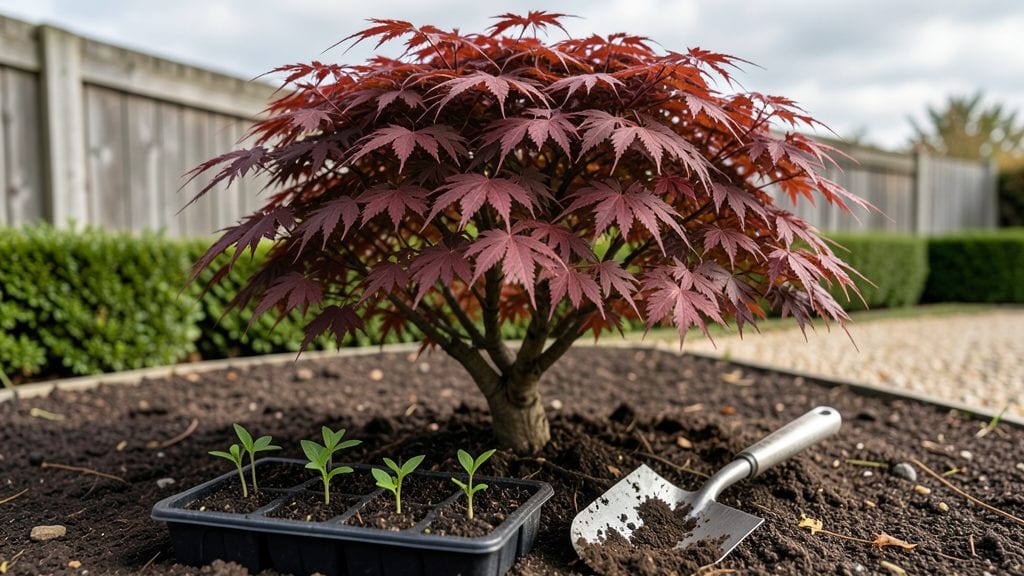
Planting box trees in containers turns tight spaces into lush mini-orchards or shade spots—something I learned after my first attempt with a dwarf Japanese maple nearly died from overwatering.
The key isn’t just picking the right tree; it’s matching the container to the roots, the soil to the climate, and the watering to the season.
Most people assume bigger pots mean better growth, but I’ve found that dwarf varieties thrive in 5-gallon containers when given the right mix of gritty soil and airflow.
Start with a container that’s at least 12 inches wider than the tree’s root ball—this gives roots room to spread without circling. Dwarf varieties like ‘Little Gem’ Southern magnolia or ‘Dwarf Alberta Spruce’ handle confinement beautifully, while fruit trees need deeper pots for their taproots.
The soil mix should be 60% potting mix, 30% perlite, and 10% compost to prevent compaction, and always include drainage holes—no exceptions. I’ve seen roots rot out in just two weeks when drainage is ignored.
After planting, the first two weeks are critical—water deeply but let the top inch dry between soakings. Box trees in containers dry out faster than in-ground plants, so mulch with 2 inches of pine bark to lock in moisture.
You’ll notice new growth within 4-6 weeks, and with proper pruning, these trees can live decades in the same container. The trade-off? They’ll need monthly fertilizer in growing season to compensate for the limited soil volume.
Here’s the secret most guides skip: rotate your containers every few months to prevent leaning toward the light. I’ve had trees grow 30% straighter just by turning them a quarter-turn weekly.
And if you’re in a hot climate, shade cloth during summer afternoons keeps roots from overheating—something I learned the hard way after losing a young Japanese maple to sun scorch.
📚 In This Guide
- What you need
- Instructions
- Tips and common mistakes
- Wrapping up and next steps
What you need
- ● Box tree plants: 1-3 Buxus sempervirens (or other boxwood varieties) per planting box, depending on desired density.
- ● Planting box: 1 container with drainage holes (minimum 12" deep x 12" wide per plant; larger for multiple trees).
- ● High-quality potting soil: 1 bag (look for well-draining, peat-free mix with perlite or sand).
- ● Slow-release fertilizer: 1 packet (10-10-10 or organic options like bone meal for steady growth).
- ● Mulch: 1-2 inches of organic mulch (e.g., shredded bark or pine needles) to retain moisture.
- ● Gloves: 1 pair (gardening or nitrile for durability).
- ● Trowel or small shovel: 1 (for digging and soil prep).
- ● Watering can or hose with gentle spray nozzle: 1 (avoid over-saturating roots).
- ● Pruning shears: 1 (for shaping and trimming new growth).
- ● Measuring tape or ruler: 1 (to ensure proper spacing—18-24" apart for single plants).
- ● Drainage layer: Small gravel or pebbles (1-2 inches) at the box’s bottom to prevent root rot.
- ● Epsom salt: 1 tablespoon (mixed into soil for magnesium boost, especially in clay soils).
- ● Support stakes: 1-2 (if planting taller varieties for stability).
- ● Decorative rocks or edging: For a polished, finished look around the box.
Instructions for planting box trees in small-space gardens
Here’s how to plant boxwoods with precision—ensuring they thrive in tight spaces while maintaining their signature compact form.
Select the Perfect Planting Spot
Box trees thrive in partial shade to full sun, but in small gardens, avoid harsh afternoon sun that can scorch leaves. Choose a location with 4-6 hours of morning sunlight and dappled shade for the rest of the day. Test the spot by observing how sunlight shifts through the seasons—what’s shade in summer may become full sun in winter.
Ensure the area has well-draining soil—box trees despise soggy roots. If your soil is heavy clay, amend it with 2-3 inches of compost mixed into the top 12 inches of soil. This improves aeration and prevents root rot, which is a common killer of box trees in confined spaces.
Dig and Prepare the Planting Hole
Dig a hole twice as wide as the root ball but only as deep as the container’s root base. Box trees resent being planted too deep, which can suffocate roots and lead to poor growth. Gently loosen the roots at the bottom of the hole with your fingers—this encourages them to spread outward rather than circling.
Place the tree in the hole and fill the gap with the amended soil, pressing lightly to eliminate air pockets. Water deeply to settle the soil around the roots. The top of the root ball should sit flush with the surrounding soil level—never mound soil against the trunk, as this can cause rot.
Space and Stake for Stability
For four box trees, space them 3-4 feet apart to allow airflow and prevent fungal diseases. In tight spaces, you can reduce spacing to 2-3 feet, but prune regularly to maintain shape and encourage bushiness. Use three stakes per tree—one on each side and one in front—to provide support without restricting growth.
Secure the tree to the stakes with soft plant ties, leaving room for the trunk to thicken over time. Avoid tight ties that can girdle the bark as the tree matures. Water thoroughly after staking to help the roots settle into their new position.
Mulch and Water for Establishment
Spread 2-3 inches of mulch over the soil surface, keeping it 6 inches away from the trunk to prevent moisture buildup. Use wood chips or shredded bark—these break down slowly, improving soil structure over time. Mulch helps retain moisture, suppress weeds, and regulate soil temperature, all critical for box trees in small, often hot microclimates.
Water deeply once a week for the first month, ensuring the soil stays evenly moist but not soggy. After establishment, reduce watering to every 10-14 days, depending on rainfall. Box trees are drought-tolerant once established, but young plants need consistent moisture to develop strong roots.
Prune for Compact Growth
Prune box trees twice a year—once in late spring and again in early summer—to maintain their dense, compact shape. Use clean, sharp pruners to make cuts just above a leaf bud or branch junction. Avoid shearing, which can create a woody, less attractive appearance. Instead, prune selectively to encourage bushier growth from the base.
After pruning, apply a balanced fertilizer (10-10-10) to support new growth. Box trees respond well to light feeding, but avoid heavy applications, which can lead to rapid, weak growth prone to pests. Monitor for signs of stress, such as yellowing leaves or stunted growth, and adjust care accordingly.
Tips & tricks for perfectly planted box trees
Mastering the art of planting box trees in tight spaces takes more than just digging a hole—it's about understanding the subtle details that make all the difference between a struggling shrub and one that thrives for years.
Here are the essential insights I've gathered from years of working with these elegant plants in compact gardens.
The Light Factor: When selecting your planting spot in Step 1, pay special attention to how sunlight shifts throughout the day. Morning sun is ideal because it provides warmth without the intense heat of afternoon rays that can scorch delicate box tree foliage. I always test the spot by observing it for at least a week before planting—what appears to be shade in summer might become full sun in winter when deciduous trees lose their leaves.
Root Preparation Technique: In Step 2, the root loosening technique is often overlooked but absolutely critical. After digging your hole twice as wide as the root ball, use your fingers to gently separate the roots at the bottom. This encourages outward growth rather than creating a root-bound mass that circles the plant. I've seen too many box trees struggle because their roots were never properly loosened during planting.
Staking Strategy: For Step 3, the three-stake system provides optimal support without restricting growth. When securing your box trees with soft plant ties, leave about an inch of space between the tie and the trunk—this prevents girdling as the tree matures. I recommend checking these ties every 6-8 weeks during the growing season to ensure they're not tightening as the trunk expands.
Mulching Precision: The 2-3 inches of mulch in Step 4 serves multiple purposes beyond just aesthetics. Place it 6 inches away from the trunk to prevent moisture buildup that could lead to rot. I prefer wood chips because they break down slowly, gradually improving soil structure over time. This slow-release process creates an ideal microclimate for your box trees to establish strong root systems in their first critical month.
Pro Tips for Planting Box Trees
- Mastering the art of planting box trees in tight spaces takes more than just digging a hole—it's about understanding ...
- The Light Factor: When selecting your planting spot in Step 1, pay special attention to how sunlight shifts throughou...
- Root Preparation Technique: In Step 2, the root loosening technique is often overlooked but absolutely critical. Afte...
Frequently asked questions
Got questions about growing box trees in containers? You’re not alone—many gardeners want to maximize their small-space greenery without the hassle. Here are answers to the most common queries to help you thrive!
What’s the best soil mix for boxwood trees in planting boxes?
Use a well-draining potting mix with perlite or sand (1 part each) to prevent soggy roots. Boxwoods prefer slightly acidic soil (pH 6.0–7.0). Avoid heavy garden soil—it compacts and suffocates roots. Pro tip: Add a handful of compost for nutrients without waterlogging!
How often should I water a box tree in a container?
Water when the top 1–2 inches of soil feel dry (usually every 5–7 days in summer, less in winter). Containers dry out faster! Warning: Overwatering causes root rot. Drainage holes are a must—no exceptions! Check moisture with your finger before watering.
Can I grow boxwood trees in small pots, or do they need big planting boxes?
Boxwoods tolerate small pots (5–10 gallons) for young plants, but they’ll need upgrading every 2–3 years as roots outgrow the space. For mature trees, aim for at least 15–20 gallons per plant. Alternative: Dwarf varieties (like ‘Green Velvet’) stay compact in 10-gallon pots long-term.
Do box trees in containers need winter protection?
Yes! Move containers to a sheltered spot (like a garage or porch) before temperatures drop below 20°F (-7°C). Wrap the pot in bubble wrap or use a frost blanket. Mulch the soil surface with straw to insulate roots. Bonus: Avoid fertilizing in winter—they’re dormant!
Why are my boxwood leaves turning yellow or brown?
Yellow leaves often signal overwatering or nutrient deficiency (like iron chlorosis). Brown edges? It’s usually underwatering or salt buildup from tap water. Check for pests (like spider mites) too. Fix: Flush soil with water, adjust watering, and feed with an iron supplement if needed.
Still stumped? Drop your question in the comments—we’ve got you covered!
Wrapping up and next steps
Planting box trees in small spaces is all about creativity, care, and smart planning—and you’ve got everything you need to make it thrive! 🌱 Whether you’re working with a balcony, patio, or tiny yard, these compact trees bring beauty, shade, and even wildlife support without taking over.
The key? Choose the right variety, prep your soil, and stay consistent with water and nutrients.
Now that you’re armed with tips and tricks, roll up your sleeves and get planting! Start small with a single tree, experiment with containers, or turn your space into a mini orchard. Every green thumb starts somewhere—yours could be next! 🌿