
Companion Plants
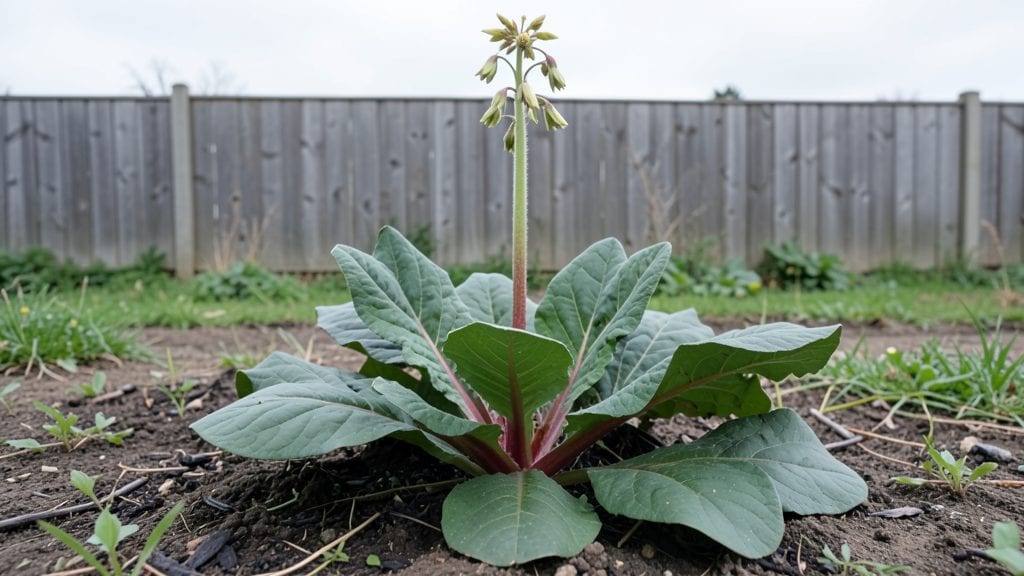
When your rhubarb plants suddenly shoot up flower stalks too early, you're not alone—this frustrating bolt happens when plants sense stress from heat, drought, or age.
I’ve revived my own stubborn rhubarb after bolting by cutting those flower stalks at the base and focusing on root care, and within weeks, fresh growth appears. The key is acting fast before the plant diverts energy to seeds instead of stalks.
Most gardeners assume bolting means the plant is done, but with the right approach, you can reset growth for another harvest. Start by removing any flower stalks immediately—they drain nutrients and signal the plant to stop producing those sweet, crunchy stalks we love.
Next, water deeply to reduce stress, and feed with compost or a balanced fertilizer to rebuild energy reserves. It’s a simple fix that works even for overmature plants.
By late summer, you’ll see new shoots emerging from the base, and with consistent care, those stalks will be ready for harvest by next spring. The secret is patience: rhubarb is a slow grower, but with proper management, it rewards you with years of harvests.
This method has saved my plants from giving up after bolting, and it can do the same for yours.
Works best in cooler climates where rhubarb thrives, but even in hotter zones, shade and consistent moisture help prevent bolting. The goal is to keep plants healthy enough to ignore those early flowering signals. Let’s get those stalks growing again!
📚 In This Guide
- What you need
- Instructions
- Tips and common mistakes
- Wrapping up and next steps
What you need
- ● Pruning shears or sharp bypass pruners – 1 pair (sterilized with rubbing alcohol or bleach to prevent disease spread).
- ● Garden gloves – 1 pair (nitrile or leather for durability).
- ● Trowel or small spade – 1 (for soil work and dividing roots if needed).
- ● Compost or well-aged manure – 2–3 gallons (to enrich soil post-pruning).
- ● Mulch (straw, wood chips, or leaves) – 1–2 inches thick (to retain moisture and suppress weeds).
- ● Watering can or hose with a gentle nozzle – 1 (for post-pruning hydration).
- ● Balanced fertilizer (10-10-10 or organic option) – 1–2 tbsp per plant (apply sparingly after pruning).
- ● Plant support stakes or cages – 2–4 per plant (if stems are weak post-bolting).
- ● Epsom salt (magnesium sulfate) – 1 tbsp dissolved in water (for nutrient boost if leaves look yellow).
- ● Shade cloth (30–50%) – 1–2 pieces (if your rhubarb is in a hot, sunny spot post-revival).
Step-by-Step guide to reviving bolting rhubarb plants
Here’s how to bring your rhubarb back from bolting and keep it producing tender stalks for years.
Identify and Remove Flower Stalks Immediately
Bolting rhubarb sends up thick, leafless flower stalks that rob energy from your plant. The moment you spot them—usually in early spring—cut them off at the base with clean pruners. Don’t wait; even a single stalk weakens the crown and reduces next year’s harvest.
I like to inspect my plants weekly starting in late winter when new growth begins. If you see a stalk taller than 6 inches, it’s already too late to save that one—remove it and focus on preventing new ones. After cutting, discard the stalks in the trash (not compost) to avoid encouraging more bolts.
Adjust Care to Prevent Future Bolting
Bolting often happens when rhubarb gets too much sunlight, heat, or stress. Move your plant to a spot with partial shade—especially in hotter climates—where it gets 4-6 hours of morning sun but afternoon relief. If your rhubarb is in full sun, provide shade cloth (30-50% coverage) during peak afternoon hours.
Water consistently to keep the soil evenly moist but not soggy. Let the top 1-2 inches of soil dry out between waterings—rhubarb hates drought stress, which triggers bolting. In zones 5 and colder, mulch heavily with 3-4 inches of straw or shredded leaves to insulate roots and prevent temperature swings.
Divide and Rejuvenate the Crown
If bolting persists, your rhubarb’s crown may be overcrowded or weakened. In early spring or fall, dig up the plant and separate the crown into 3-4 inch sections, ensuring each piece has 1-2 buds. Replant the divisions 12-18 inches apart in fresh soil amended with 2-3 inches of compost.
This refreshes the plant and gives it a strong start. After replanting, water deeply and avoid harvesting for 4-6 weeks to let the roots establish. If your rhubarb is in a container, repot into a larger 12-15 gallon pot with fresh potting mix—crowded roots accelerate bolting.
Monitor and Maintain for Long-Term Health
Once your rhubarb is back on track, keep an eye out for new flower stalks. Harvest stalks before they thicken—they’re most tender when 6-10 inches tall. Avoid over-harvesting; never take more than one-third of the stalks at a time, or the plant will bolt from stress.
Fertilize lightly in early spring with a balanced 10-10-10 fertilizer (use ½ teaspoon per plant). Too much nitrogen encourages leafy growth at the expense of stalks, which can trigger bolting. In zones 3-5, protect young plants with 2-3 inches of mulch in winter to prevent freeze-thaw cycles that stress roots.
Tips & tricks for reviving bolting rhubarb plants
Here’s what I’ve learned from years of battling bolting rhubarb—and how to turn things around for a bountiful harvest.
Timing is Everything: In Step 1, you can’t afford to wait even a day when you spot those flower stalks. I’ve seen rhubarb go from healthy to struggling in just 48 hours once a bolt takes hold. Check your plants every 3-4 days starting in late winter, and if you notice any stalks taller than 6 inches, it’s already too late to save that plant for this season. Focus on preventing new bolts instead.
Shade Strategy: When adjusting care in Step 2, don’t just move your rhubarb to any shady spot. The ideal location gets 4-6 hours of morning sun—this gives the plant enough light for photosynthesis while protecting it from the afternoon heat that triggers bolting. In hot climates, I’ve had great success using shade cloth with 30-50% coverage during peak afternoon hours.
Dividing Wisdom: During Step 3, when you’re dividing the crown, make sure each section has at least 1-2 buds. I’ve made the mistake of taking too small pieces before, and those never recovered. Also, don’t rush the replanting process—give those roots time to establish by avoiding harvest for the full 4-6 weeks. Patience here pays off in next year’s harvest.
Harvesting Rules: In Step 4, remember that rhubarb stalks are most tender when they’re 6-10 inches tall. If you wait until they thicken, they become tough and fibrous. And never take more than one-third of the stalks at once—this rule prevents stress that leads to bolting. I’ve learned this the hard way after watching plants bolt after aggressive harvesting.
Pro Tips for Bolting Rhubarb Plants
- Here’s what I’ve learned from years of battling bolting rhubarb—and how to turn things around for a bountiful harvest.
- Timing is Everything: In Step 1, you can’t afford to wait even a day when you spot those flower stalks.
- Shade Strategy: When adjusting care in Step 2, don’t just move your rhubarb to any shady spot.
Frequently asked questions
When is the best time to bolt rhubarb plants?
Bolting usually happens in late spring or early summer when days get longer. Act fast! If you notice flower stalks (scape) emerging, trim them immediately to redirect energy back to leaf production. Wait too long, and the plant’s energy shifts from leaves to seeds, reducing your harvest.
How long does it take for rhubarb to recover after bolting?
With proper care, rhubarb can bounce back in 4–6 weeks. After removing flower stalks and adjusting care (water, shade, and fertilizer), new growth should appear. Be patient—avoid harvesting leaves until the plant looks fully revived to prevent stress.
Can I still harvest rhubarb after bolting?
Yes, but only if the plant hasn’t bolted severely. If flower stalks are small or just emerging, you can still pick leaves gently. Once bolting is advanced (tall stalks, seed pods), stop harvesting entirely and focus on recovery. Prioritize leaf health over short-term gains!
What’s the difference between bolting and going dormant?
Bolting = stress response (flowering due to heat/light). Dormancy = natural cycle (resting in winter). If your rhubarb bolts in summer, it’s reacting to conditions—trim stalks and adjust care. If it’s dormant in winter, just wait; no action needed!
My rhubarb keeps bolting—what’s wrong?
Common triggers include too much sun, heat stress, or over-maturity. Try these fixes:
- Move plants to partial shade (especially in hot climates).
- Water deeply 1–2x weekly to reduce stress.
- Fertilize lightly with high-nitrogen (like 10-10-10) in early spring.
- Consider dividing older plants every 3–4 years to rejuvenate growth.
Are there bolting-resistant rhubarb varieties?
No variety is 100% bolt-proof, but some handle heat better. Try ‘Valentine’ or ‘Cherry Red’—they’re more tolerant of warm climates. For extreme heat, pair rhubarb with shade-loving companions like comfrey or hostas to create a cooler microclimate.
Wrapping up and next steps
Bolting rhubarb doesn’t have to mean the end of your harvest—with the right care, you can revive your plants and enjoy fresh stalks for years to come! 🌱 By following these three simple steps—pruning, adjusting sunlight, and fertilizing—you’ll help your rhubarb bounce back stronger than ever.
Now that you’re armed with the know-how, grab those shears and get ready to reclaim your garden’s productivity.
Ready to take action? Start today! Monitor your plants weekly, and soon, you’ll be savoring homegrown rhubarb straight from your garden—no bolting in sight. Happy gardening! 🌿