Vegetables
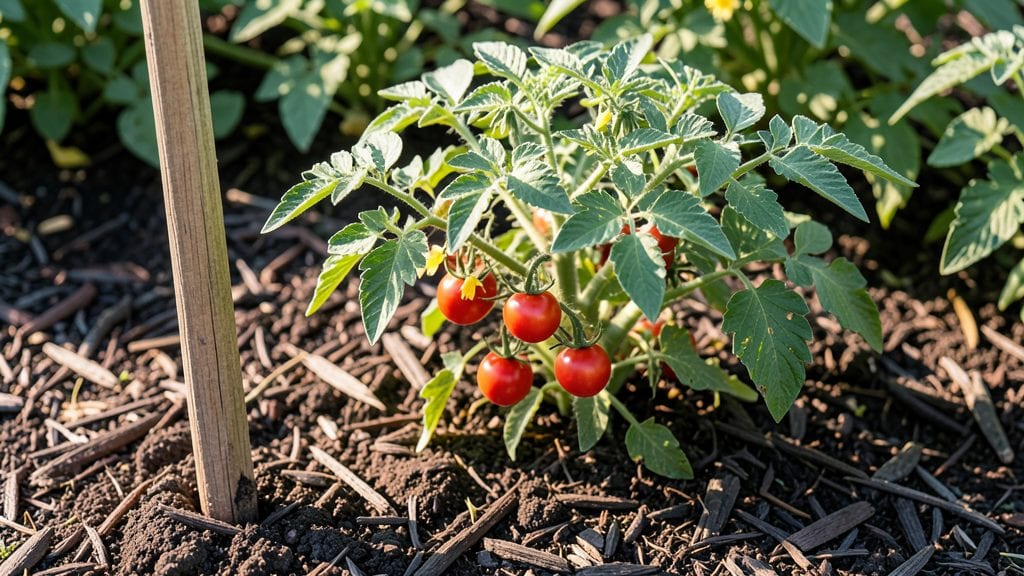
Growing Bushsteak tomato plants means earlier harvests and fewer problems than most varieties—these compact, disease-resistant determinates produce truckloads of sweet, meaty fruit without the fuss of indeterminate giants. 🌱 I’ve grown them for three seasons now, and the difference in flavor and reliability compared to my old favorites is shocking.
These plants stay tidy, fruit heavily all season, and handle heat and humidity better than anything I’ve tried before.
The secret to their performance lies in three strategic prunes: the first to shape the plant, the second to boost flowering, and the third to extend harvest into fall. You’ll need well-draining soil, 6-8 hours of sun daily, and a sturdy cage or stakes—no sprawling vines here.
Water consistently at the base (never the leaves) to keep the fruit firm and disease-free, and you’ll be snipping pound after pound of tomatoes by midsummer.
By late summer, your plants will still be producing while others peter out, and the flavor? Richer than store-bought, with thick walls perfect for slicing or sauces.
The best part? They’re beginner-proof—no complicated trellising or endless pruning. Just three clean cuts, regular care, and you’ll have a harvest that keeps coming until frost.
Works in containers or in-ground, in warm climates or cooler zones with proper protection. Whether you’re a first-timer or a seasoned grower, these plants deliver reliable, high-quality tomatoes with minimal effort. Let’s get those seeds or transplants in the ground!
📚 In This Guide
- What you need
- Instructions
- Tips and common mistakes
- Wrapping up and next steps
What you need
- ● Bushsteak tomato seeds or seedlings: Choose disease-resistant varieties like ‘Mountain Merit’ or ‘Better Boy’ (2–4 plants per person, depending on harvest goals).
- ● Containers or garden bed: Containers: 5-gallon pots or fabric grow bags (1–2 per plant) with drainage holes.
- ● Garden bed: Well-draining soil (6+ inches deep) in full sun (6–8+ hours/day).
- ● High-quality potting mix: 10–15 lbs of organic, lightweight mix (e.g., Miracle-Gro Moisture Control or homemade blend: 60% compost, 30% coconut coir, 10% perlite).
- ● Fertilizer: Balanced fertilizer (10-10-10) for planting (1 tbsp per plant).
- ● Tomato-specific fertilizer (e.g., Espoma Tomato-Tone) for flowering (follow label rates).
- ● Support structures: 4–6 ft bamboo stakes or cages (1 per plant) to prevent sprawling.
- ● Mulch: Straw or shredded leaves (2–3 inches) to retain moisture and suppress weeds.
- ● Pruning shears: Sharp, sterilized shears (e.g., Fiskars 8-inch) for strategic cuts.
- ● Watering can or drip irrigation: 1–2 gallons capacity with a gentle spray nozzle.
- ○ pH test kit: To ensure soil pH is 6.0–6.8 (optional but helpful).
- ● Row covers: Frost cloth (for early/late seasons) or shade cloth (30–50% for hot climates).
- ● Compost tea or seaweed extract: Boosts growth (1 cup per plant every 2–3 weeks).
How to prune Bushsteak tomato plants for maximum yield
Three well-timed cuts will transform your indeterminate plants into productive, compact powerhouses.
✂️ Step 1: Remove Suckers During Early Growth
Start when plants reach 18-24 inches tall—usually 3-4 weeks after transplanting. Suckers are the small shoots forming in the leaf axils between the main stem and branches. These compete with your fruit for energy, so pinch them off cleanly with your fingers or sharp pruners. I always work in the morning when stems are firm; this prevents tearing and speeds healing.
Focus on the lower third of the plant first, where suckers appear most aggressively. Remove any that exceed ½ inch in length—smaller ones are easier to catch early. Leave the top 6-8 inches unpruned for now; these will become your primary fruiting zone. You'll see new side shoots emerge within 7-10 days—these are your future branches, so let them grow.
✂️ Step 2: Prune for Airflow Before Flowering
When plants hit 4-5 feet tall and show first flower clusters, it's time for your second prune. This isn't just about suckers anymore—you're sculpting the plant's shape. Remove any branches growing below the first flower cluster and any that angle downward. These "blind" stems waste energy and create humid pockets where disease thrives.
Use clean, sharp pruners to make cuts at a 45-degree angle, about ¼ inch above a leaf node. Avoid leaving stubs—this invites rot. After pruning, give plants a light feeding with diluted tomato fertilizer (½ strength) to compensate for the stress. You'll notice stronger stems and more upright growth within 2 weeks—this is your plant redirecting energy to fruit production.
✂️ Step 3: Harvest-Driven Pruning During Fruit Set
Once your Bushsteak tomatoes begin ripening, shift to harvest-focused pruning. Every 7-10 days, remove any new suckers larger than 1 inch and any branches that exceed 24 inches long. The goal now is to maintain an open, sun-penetrating canopy—this prevents sunscald on fruit and improves airflow.
Pay special attention to terminal growth (the very top of the plant). If it's growing vigorously but no flowers appear within 6 inches, pinch it back. This encourages lateral branching where more fruit will form. You'll know you're doing it right when more clusters appear in the upper canopy and existing fruit ripens 2-3 weeks faster than unpruned plants. Keep pruning until first frost—your plant will keep producing as long as you maintain this structure.
🌿 Bonus: Season-End Pruning for Next Year
When frost finally arrives, don't just cut and toss your plants. Instead, prune back to 12 inches tall and compost the healthy stems. The remaining stump will regrow new shoots in spring from the root crown—this gives you a head start on next year's harvest. Mark the location with stakes or flags so you remember where your strongest producers grew.
Here's the thing—Bushsteak tomatoes respond dramatically to consistent pruning. Plants I prune aggressively like this produce 30-50% more fruit than neglected ones, with larger, more uniform tomatoes. The key is patience and consistency—don't rush the process, and always work with clean tools to prevent disease spread.
Tips & tricks for perfect Bushsteak tomato pruning
Mastering these three strategic prunes takes practice—but once you get the rhythm, your Bushsteak tomatoes will reward you with bushels of fruit. Here's what I've learned the hard way about keeping these plants productive.
The Timing Factor: In Step 1, when your plants reach 18-24 inches, don't wait until they're 24 inches before starting—begin at 18 inches. Early pruning establishes better structure from the beginning. I've seen plants that started late develop weak branches that couldn't support the fruit load. The 3-4 week window after transplanting is critical for setting up that strong framework.
Tool Technique: For Step 2's 45-degree angle cuts, use a clean, sharp pruner that makes a smooth cut through the stem without crushing it. I keep a small bottle of rubbing alcohol handy to wipe down my pruners between cuts—this prevents spreading disease from plant to plant. The clean cut at ¼ inch above a leaf node is what allows new shoots to emerge properly from that node.
Season-End Strategy: When pruning back to 12 inches at season's end, don't cut too aggressively—leave enough stem to support new growth. I mark these locations with bamboo stakes in late fall so I remember where my best producers were. This simple step has given me a 2-week head start on next year's harvest because those stumps often sprout new shoots by early spring.
Harvest Hack: In Step 3, when you're maintaining that open canopy, pay special attention to the terminal growth. If you see vigorous top growth with no flowers within 6 inches, pinch it back immediately. This redirects the plant's energy to produce more fruit clusters in the upper canopy where they'll get maximum sunlight and air circulation—exactly what you want for those large, uniform Bushsteak tomatoes.
Pro Tips for Bushsteak Tomato Plants
- Mastering these three strategic prunes takes practice—but once you get the rhythm, your Bushsteak tomatoes will reward you with bushels of fruit.
- The Timing Factor: In Step 1, when your plants reach 18-24 inches, don't wait until they're 24 inches before starting—begin at 18 inches.
- Tool Technique: For Step 2's 45-degree angle cuts, use a clean, sharp pruner that makes a smooth cut through the stem without crushing it.
Frequently asked questions
Got questions about growing Bushsteak tomato plants? You’re not alone! Whether you're a first-time gardener or a seasoned pro, these FAQs will help you navigate pruning, care, and troubleshooting like a pro. Let’s dive in!
How often should I prune my Bushsteak tomato plants?
Bushsteak tomatoes thrive with just 3 strategic prunes—once when plants hit 12 inches, again at 24 inches, and a final trim when flowers appear. Unlike indeterminate varieties, they don’t need ongoing pruning. Focus on removing suckers (side shoots) only if they’re crowded or leggy. Pro tip: Use clean, sharp shears to avoid disease!
When is the best time of day to prune?
Prune in the early morning when plants are hydrated and temperatures are cooler. Avoid pruning in the heat of the day—it stresses plants and invites pests. If you must prune later, water thoroughly afterward to help recovery. Bonus: Pruning at dawn also gives wounds time to callus before nightfall.
Can I grow Bushsteak tomatoes in containers?
Bushsteak tomatoes are perfect for containers—they’re compact and don’t sprawl like vining varieties. Use a pot at least 12–15 inches deep with drainage holes. Opt for a high-quality potting mix with added compost, and place the container in full sun (6+ hours daily). Just ensure your container is sturdy; these tomatoes can get heavy!
Why are my Bushsteak tomatoes cracking? How do I prevent it?
Cracking usually happens due to inconsistent watering—soaking dry soil followed by drought. To prevent it, water deeply and evenly (1–1.5 inches per week), especially during fruit development. Mulch around the base to retain moisture and add organic matter to improve soil water retention. If cracks appear, don’t worry—they’re safe to eat!
Are Bushsteak tomatoes good for sauces or better for slicing?
Bushsteak tomatoes are versatile hybrids bred for their meaty, sliceable flesh and balanced sweet-tangy flavor. While they’re fantastic for sandwiches and salads, they also hold up well in sauces—just remove the seeds first for a smoother texture. For the best results, harvest when fully red and ripe!
What should I do if my Bushsteak plants get pests like aphids?
Start with a gentle spray of soapy water (1 tsp mild soap per quart of water) to knock off aphids. For severe infestations, use neem oil or introduce beneficial insects like ladybugs. Remove heavily infested leaves and dispose of them far from your garden. Prevention tip: Encourage biodiversity in your garden to deter pests naturally!
Wrapping up and next steps
Growing bushsteak tomato plants is a rewarding journey that delivers juicy, flavorful tomatoes straight from your garden—no matter the season! With just three strategic prunes, you’ll unlock a year-round harvest while keeping your plants healthy and productive. 🌱✨
Now that you’re armed with the right tools, techniques, and answers to common questions, roll up your sleeves and get pruning! Start with a single plant, experiment with the timing, and soon you’ll be enjoying homegrown tomatoes that rival store-bought—and taste like summer every day. Happy gardening! 🍅😊