
Planting
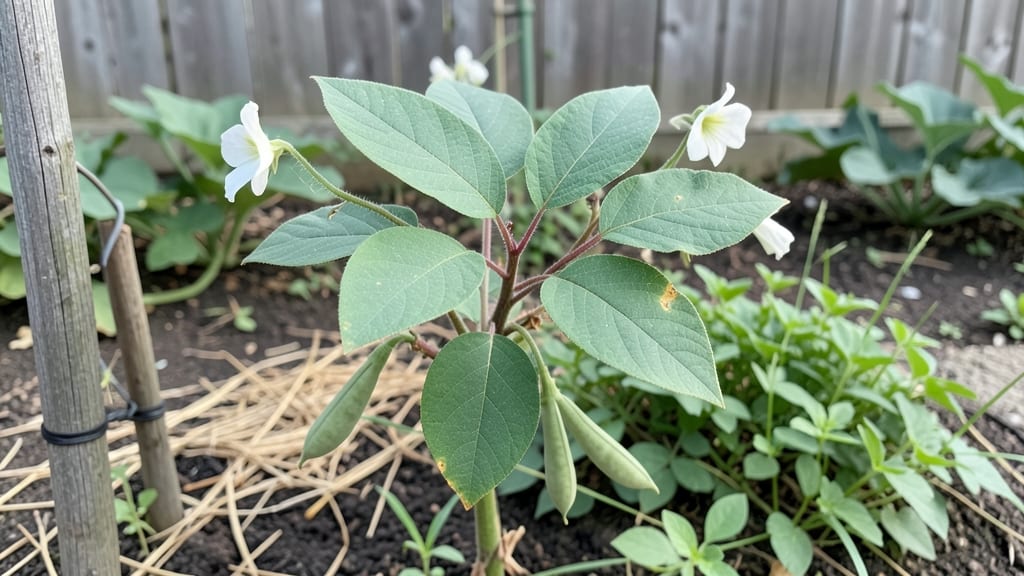
These plant types of beans—from bush beans that stay compact to pole beans that climb—can transform a patch of soil into a harvest within 60 days, and the right variety makes all the difference. 🌱 I’ve grown everything from... each has its own tricks for speed, space, and yield.
The key? Matching the plant type to your garden’s sunlight, soil, and even your patience level.
Bush beans like ‘Blue Lake’ or ‘Contender’ are the workhorses—ready to pick in 50-60 days with minimal fuss. They thrive in full sun and well-draining soil, and their upright growth means no trellis hassle.
Pole beans like ‘Kentucky Wonder’ or ‘Rattlesnake’ take slightly longer (60-70 days) but reward you with longer harvests and fewer pests climbing their trellises.
Runner beans, like ‘Scarlet Emperor,’ are the showstoppers—70-80 days to maturity but worth it for their striking flowers and heavy yields if given room to roam.
What you’ll love most is how quickly these plants transform your garden. Within weeks, you’ll be snapping pods fresh from the vine, and the right variety means fewer weeds, less watering, and a harvest that keeps coming.
The secret? Planting at the right time—after the last frost—and keeping soil moist but not soggy. Once you try them, you’ll never buy canned beans again.
Perfect for small spaces, containers, or large plots—each type adapts to your garden’s size and style. Let’s pick the perfect one for your next planting!
📚 In This Guide
- What you need
- Instructions
- Tips and common mistakes
- Wrapping up and next steps
What you need
- ● Bean Seeds: Choose from fast-growing varieties like Bush Beans (e.g., Blue Lake, Contender) or Pole Beans (e.g., Kentucky Wonder, Scarlet Runner). Start with 1–2 lbs (0.5–1 kg) of seeds for a small garden or 3–5 lbs (1.5–2.5 kg) for larger plots.
- ● Growing Containers or Garden Bed: Containers: Use 5–8 gallon pots (19–30L) with drainage holes for bush beans or tall trellis containers (6+ ft/1.8+ m tall) for pole beans.
- ● Garden Bed: Allocate 3–4 ft (1–1.2 m) of row space per variety, with 1–2 inches (2.5–5 cm) of well-draining soil.
- ● High-Quality Potting Soil or Garden Soil: 1–2 cubic yards (0.8–1.5 m³) amended with compost (20–30%) for nutrient-rich growth.
- ● Watering Can or Hose with Adjustable Nozzle: Ensure even moisture without over-saturating roots.
- ● Trellis or Support Stakes (for pole beans):strong> Trellis: 6–8 ft (1.8–2.4 m) tall bamboo, metal, or plastic mesh.
- ● Stakes: 5–6 ft (1.5–1.8 m) wooden or bamboo stakes, spaced 12–18 inches (30–45 cm) apart.
- ○ Fertilizer (Optional but Recommended): Balanced Fertilizer (10-10-10 or 5-5-5): 1–2 tbsp per plant at planting time.
- ● Organic Options: Compost tea or worm castings for a natural boost.
- ● Garden Trowel or Transplant Spade: For digging and planting seeds.
- ● Pruning Shears: To trim dead foliage or manage pole bean growth.
- ○ Gloves (Optional): Protect your hands from thorns (e.g., Scarlet Runner beans) or soil.
- ○ Row Cover or Shade Cloth (Optional): 30–50% shade cloth for hot climates or frost cloth for early planting.
- ○ pH Test Kit (Optional): Ensure soil pH is 6.0–7.0 (beans prefer slightly acidic to neutral soil).
- ● Sunlight: 6–8 hours of direct sunlight daily for optimal growth.
- ● Warm Soil: Wait until soil temperatures reach 60°F (15°C) before planting.
- ● Spacing: Bush Beans: 4–6 inches (10–15 cm) apart in rows.
- ● Pole Beans: 4–6 inches (10–15 cm) apart along trellises.
- ● Consistent Watering: Keep soil evenly moist (not soggy)—1 inch (2.5 cm) of water per week.
How to select and grow fast-growing bean varieties for maximum yield
Here’s how to choose the right bean types for quick harvests—whether you’re working with limited space or impatient for fresh pods.
🌱 Step 1: Choose the Right Bean Type for Your Goals
Beans fall into three main categories, each with its own speed and space needs. Bush beans like ‘Blue Lake’ or ‘Kentucky Wonder’ mature in 50-60 days and grow compactly—ideal for small gardens. Pole beans such as ‘Kentucky Wonder’ or ‘Rattlesnake’ climb 6-10 feet but take slightly longer (60-70 days) to produce. Dwarf varieties like ‘Mascotte’ are perfect for containers, reaching 2-3 feet tall in just 45-50 days. I always pick bush beans for quick harvests in tight spaces.
Check your growing zone’s last frost date and count backward from your preferred harvest window. Most beans thrive in 60-85°F soil, so aim to plant when daytime temps stay above 55°F. If you’re in a cooler climate, opt for early-maturing varieties like ‘Contender’ or ‘Blue Lake’. Real talk: skipping this step means waiting longer for fresh beans.
☀️ Step 2: Prepare the Planting Site for Fast Germination
Beans need full sun (6-8 hours daily) and well-draining soil with a pH of 6.0-7.0. Work in 2-3 inches of compost (from your ingredients list) to boost fertility and moisture retention. I like to till the soil lightly to break up clumps—beans hate compacted roots. For containers, use sterile potting mix mixed with 20% perlite to prevent soggy soil.
Plant seeds 1 inch deep and 2-3 inches apart for bush beans, or 4-6 inches apart for pole beans. If you’re sowing in rows, space them 18-24 inches apart for airflow. Water gently after planting—overwatering now can wash seeds too deep or cause rot. You’ll see first sprouts in 7-10 days if conditions are right.
💧 Step 3: Water and Fertilize for Rapid Growth
Beans are drought-tolerant once established, but keep soil consistently moist for the first 3-4 weeks—that’s when roots are forming. Water at the base of plants (not overhead) to prevent fungal diseases like rust. I use a drip irrigation system or soaker hose for even moisture without wetting leaves. Once plants are 6 inches tall, reduce watering slightly to encourage deeper root growth.
Side-dress with balanced fertilizer (10-10-10) when plants are 4-6 inches tall, following package rates. Beans fix nitrogen in the soil, so avoid heavy nitrogen feeds—they’ll produce lots of leaves but few pods. Watch for yellowing leaves (a sign of over-fertilization) and adjust. You’ll notice first flowers in 3-4 weeks, followed by pods in 10-14 days after that.
✂️ Step 4: Harvest at Peak Freshness for Continuous Yield
Pick beans every 2-3 days when pods are 4-6 inches long and tender. Overripe beans toughen quickly—waiting too long means chewy, stringy pods. I harvest in the morning when moisture levels are highest, using sharp scissors or fingers to snap stems cleanly. For bush beans, you’ll get 4-6 weeks of harvests if you keep up with picking.
After the first flush of pods, prune back leggy growth to encourage bushier plants. For pole beans, pinch back the top 2 inches of new growth to redirect energy to pod production. You’ll see new flowers and pods within 7-10 days of pruning. This keeps plants productive longer—real talk, neglecting pruning cuts harvest time in half.
🌿 Step 5: Extend the Season with Successive Plantings
For a continuous supply, sow new seeds every 2 weeks after the first harvest. In warm climates, you can plant fall crops 8-10 weeks before the first frost—beans tolerate cooler temps better than many veggies. I’ve grown ‘Blue Lake’ beans into November in Zone 7 with row covers. Succession planting ensures you never run out of fresh beans.
Save seeds from your best-performing plants for next year. Let pods dry completely on the vine, then store seeds in a cool, dark place. You’ll have a free, ready-to-grow stash for your next fast harvest. This is the moment that matters: no more store-bought beans when your garden delivers fresh ones in less than 2 months.
Tips & tricks for perfect fast-growing bean varieties
These game-changing insights will help you maximize your harvests and avoid common growing mistakes with quick-maturing beans.
Selection Strategy: When choosing between bush, pole, and dwarf varieties, prioritize bush beans like 'Blue Lake' for the fastest results—those 50-60 day varieties are my go-to for small spaces. For containers, 'Mascotte' dwarf beans hit 45-50 days while staying compact. The key is matching your space constraints with the maturity timeline you need.
Soil Temperature Secret: Never plant when soil temps dip below 55°F—beans simply won't germinate properly. I use a soil thermometer to confirm daytime temps stay above 60°F before planting. In cooler climates, opt for early varieties like 'Contender' that tolerate slightly lower temps while still delivering in 50 days or less.
Watering Technique: The first 3-4 weeks are critical for root development—keep soil consistently moist but never soggy. I've learned the hard way that overhead watering spreads fungal diseases, so I use a soaker hose at the base. Once plants reach 6 inches, I reduce watering slightly to encourage deeper root growth that supports faster pod production.
Pruning for Productivity: After your first harvest wave, don't let plants get leggy! Prune back bushy growth to encourage more compact plants that produce continuously. For pole beans, pinch off the top 2 inches of new growth—this redirect energy to pod production, giving you a second flush of beans within 7-10 days. This simple step can double your harvest window.
Pro Tips for Bean Plant Types
- These game-changing insights will help you maximize your harvests and avoid common growing mistakes with quick-maturing beans.
- Selection Strategy: When choosing between bush, pole, and dwarf varieties, prioritize bush beans like 'Blue Lake' for the fastest results—those 50-60 day varieties are my go-to for small spaces.
- Soil Temperature Secret: Never plant when soil temps dip below 55°F—beans simply won't germinate properly.
Frequently asked questions
about bean plant types—because every gardener deserves clarity! Here are answers to the most common queries to help you grow like a pro.What’s the fastest-growing bean variety for small gardens?
Look for bush beans like Contender or Blue Lake, which mature in just 50–60 days. These compact plants thrive in containers or tight spaces, giving you a quick harvest without sprawling vines. Perfect for balconies or urban plots!
How long do pole beans take to produce compared to bush beans?
Pole beans (e.g., Kentucky Wonder) take slightly longer—60–70 days—but yield more over time. Bush beans (like Provider) mature faster (50–55 days) and are ideal for short seasons. Choose based on your growing zone and patience!
Can I grow beans in partial shade, or do they need full sun?
Beans love full sun (6+ hours daily), but some varieties (like Scarlet Runner) tolerate partial shade if given at least 4–5 hours. For best results, plant in the sunniest spot possible—especially in cooler climates. Shady spots may reduce yields or pod quality.
What’s the best way to succession plant beans for continuous harvests?
Sow bush beans every 2–3 weeks (starting 2 weeks after your last frost) for nonstop picks. For pole beans, stagger plantings 3–4 weeks apart. This ensures fresh pods all season long—no gaps! Just keep soil warm and moist for best germination.
How do I prevent bean plants from getting eaten by pests like aphids or Mexican bean beetles?
Use row covers early in the season to block pests, and handpick beetles (drop them in soapy water!). Neem oil or kaolin clay can deter aphids. Plant marigolds or nasturtiums nearby as natural repellents. Healthy soil = stronger plants that bounce back faster!
Are there any low-maintenance bean varieties for beginners?
Try Black Turtle Soya (drought-tolerant) or Golden Wax (resistant to common diseases). Both are perfect for beginners—they germinate quickly, thrive in average soil, and forgive occasional neglect. Just keep them watered consistently!
Wrapping up and next steps
From bush beans to pole varieties and everything in between, there’s a bean plant type perfect for every garden—whether you’re short on space or eager for a quick harvest! 🌱 Whether you’re a beginner or a seasoned gardener, these fast-growing options make it easy to enjoy fresh, homegrown goodness.
Ready to grow your own? Start small with a few seeds or plants, experiment with different varieties, and watch your garden thrive!
💡 Next step: Pick your favorite variety, grab your supplies, and get planting—your future meals (and happy plants!) will thank you.