
Diseases
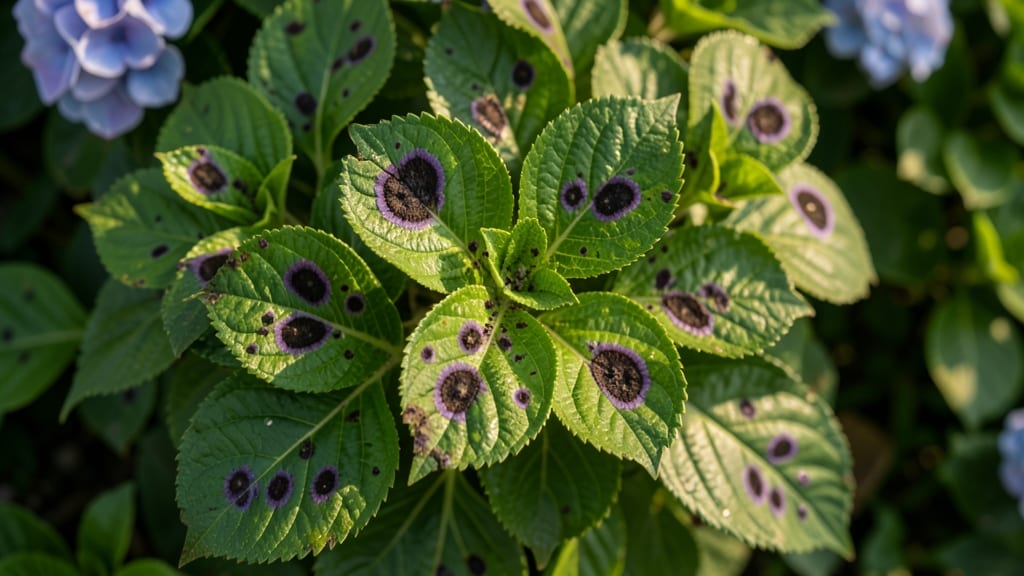
Struggling to identify why your plants look sick? These 10 common plant diseases—each with distinct visual symptoms—will help you diagnose issues fast and save your garden before it's too late. Early detection is key to treatment!
Powdery Mildew on Leaves
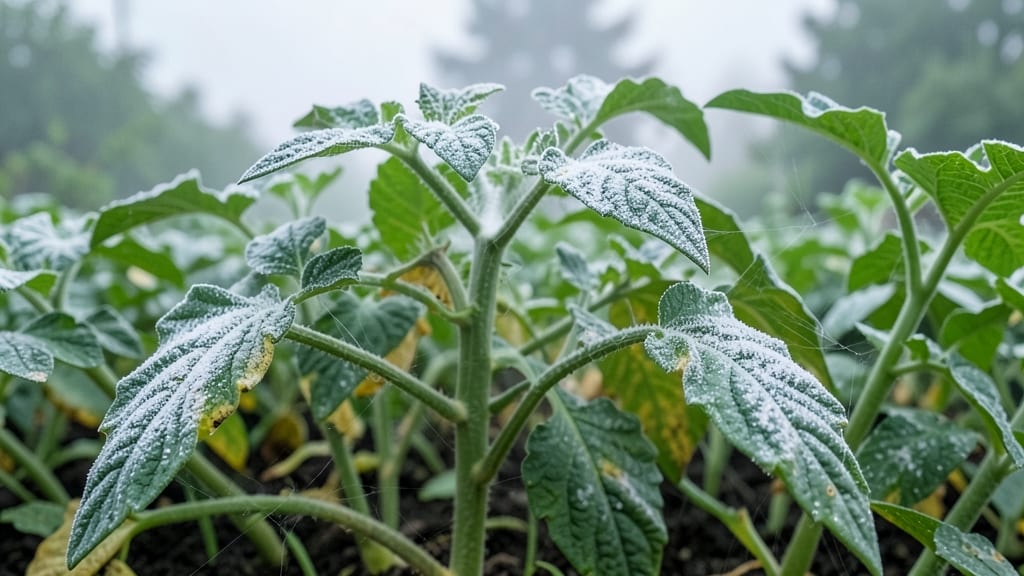
If your garden thrives in humid climates or you’ve noticed a white, powdery coating on leaves, you’re likely dealing with powdery mildew—a fungal foe that spreads fast in crowded plant beds. This disease isn’t just unsightly; it weakens plants by blocking sunlight and clogging pores, leading to stunted growth or even death if left unchecked.
Look for white or gray spots on the upper leaf surfaces, often starting on older foliage. Unlike some diseases, powdery mildew thrives in low-light, high-moisture conditions, so it’s common on shaded plants like roses, phlox, and squash. The key to prevention? Improve airflow by spacing plants 3–4 feet apart and watering at the base—not overhead—especially in the evenings when humidity peaks.
For existing infections, a baking soda spray (1 tsp baking soda + 1 quart water + a drop of dish soap) applied weekly can help, but severe cases may require neem oil or fungicidal soap. This disease is a must-know for gardeners in damp regions or those growing susceptible plants—early action keeps your garden flourishing. 🌿
Leaf Spot Fungus Symptoms
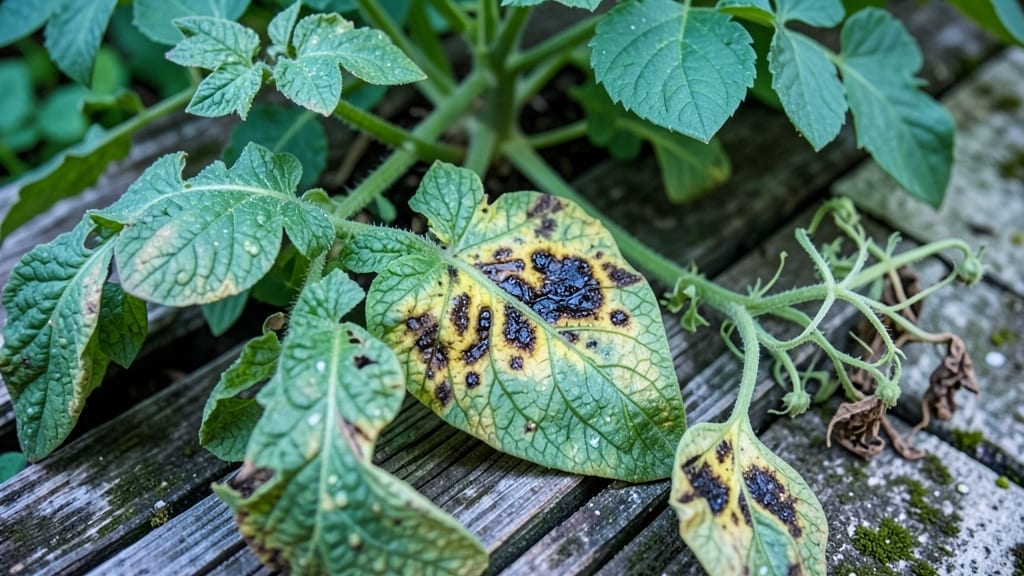
If your tomatoes, peppers, or ornamental plants suddenly develop dark, water-soaked spots surrounded by yellow halos, you're likely dealing with leaf spot fungus—a stubborn foe for organic gardeners.
This fungal disease thrives in warm, wet conditions and spreads rapidly when leaves stay damp. The key symptoms include irregular brown spots that may drop out as the infection worsens, often leaving ragged holes. Unlike powdery mildew, leaf spot fungus doesn't create a white powdery coating—it leaves behind greasy-looking lesions that can ruin foliage and fruit quality.
For organic gardeners, prevention is your best defense: space plants for airflow, water at soil level (not overhead), and remove infected leaves promptly. Copper fungicides or neem oil sprays can help manage outbreaks without harsh chemicals. 🌿
Root Rot in Houseplants
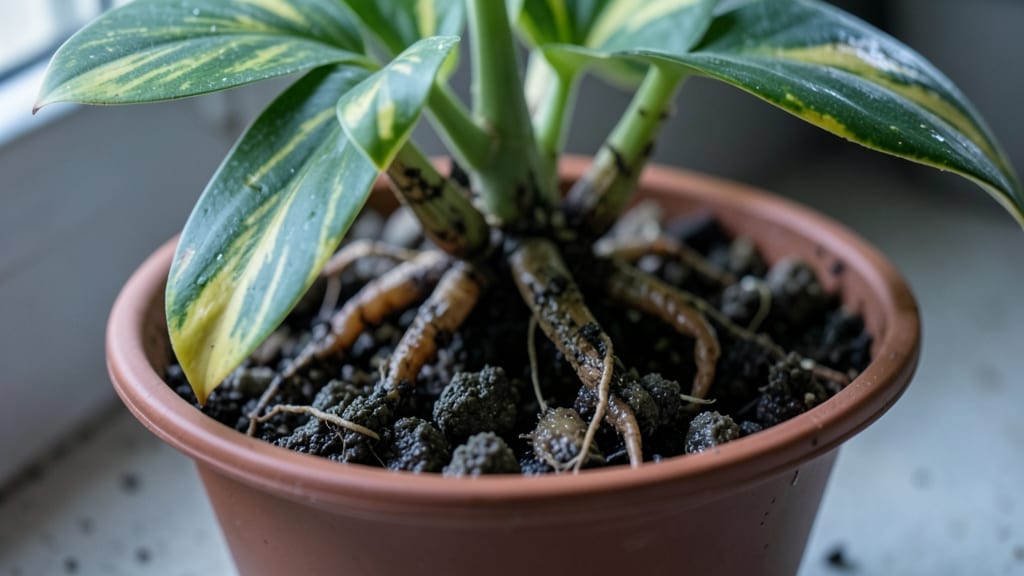
If your houseplants are suddenly wilting despite regular watering, the culprit might be root rot—a silent killer lurking in soggy soil. Unlike fungal leaf diseases, root rot attacks from the ground up, causing mushy stems and yellowing foliage that often goes unnoticed until it’s too late.
This soil-borne disease thrives when plants sit in excess moisture for days, especially in containers without drainage holes. Start by checking the roots—healthy ones are firm and white, while infected roots turn brown, slimy, and smell foul. Repot affected plants in fresh, well-draining soil and trim away mushy roots with sterilized scissors. For prevention, use pots with drainage and let the top inch of soil dry out between waterings.
Indoor gardeners with busy schedules or a tendency to overwater will find this the most critical disease to monitor. A little extra care at the roots can mean the difference between a thriving plant and a sad, sad loss. 💚
Rust Fungus on Roses
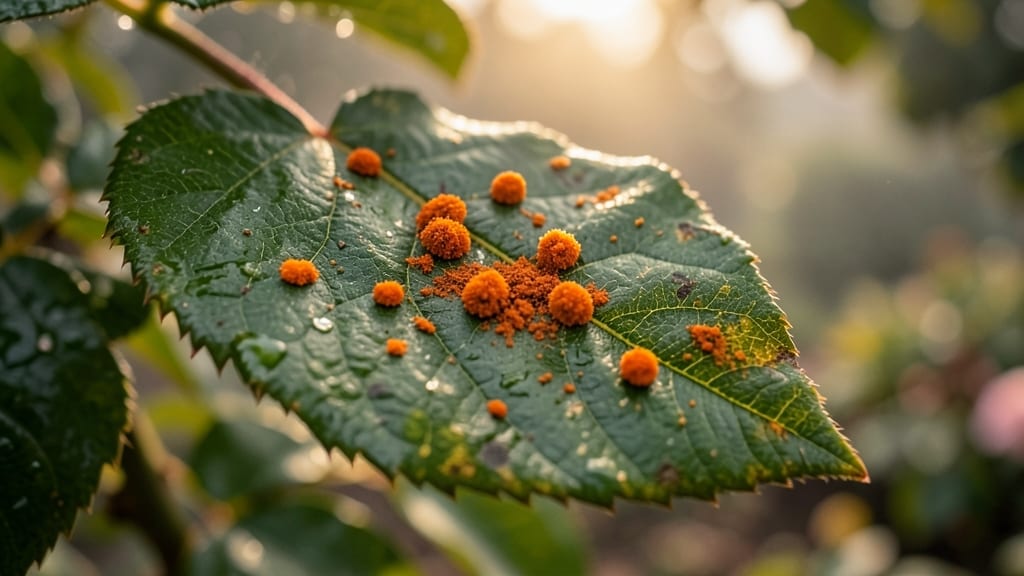
If your roses are developing bright orange pustules on the undersides of their leaves, you’re likely dealing with rust fungus—a highly contagious disease that can spread rapidly through your garden. Unlike other fungal issues, rust thrives in warm, moist conditions and often appears in late spring or early summer when roses are actively growing.
To stop the spread, remove and destroy infected leaves immediately—don’t compost them—and avoid overhead watering, which spreads spores. A copper fungicide spray applied every 7-10 days during wet periods can help, but prevention is key: choose disease-resistant rose varieties like ‘Knock Out’ or ‘Dr. Huey’ for long-term protection.
Rose lovers in humid climates or those growing roses in shaded beds should monitor leaves regularly. Catching rust early means healthier blooms and fewer headaches next season. 🌻
Bacterial Leaf Blight
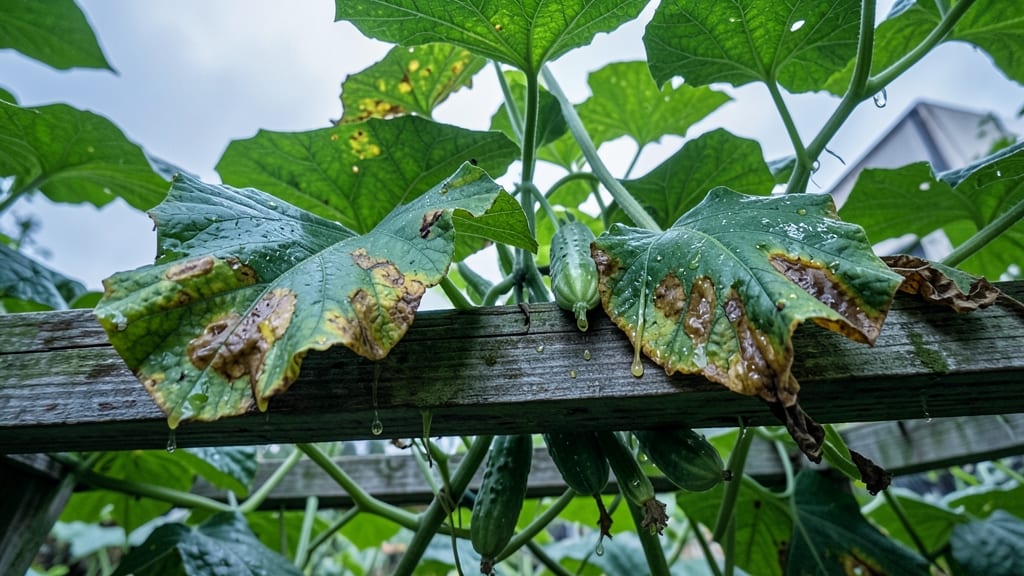
If your cucumbers or melons develop greasy, water-soaked patches that ooze when touched, you’re likely dealing with bacterial leaf blight—a fast-spreading menace that thrives in warm, wet conditions. Unlike fungal diseases, this bacterial infection spreads through water droplets, splashing from leaf to leaf during rain or overhead watering.
Start by removing infected leaves immediately and avoid wetting foliage when watering. Crop rotation is your best defense—never plant cucurbits (like cucumbers or melons) in the same spot next year. Copper-based sprays can help prevent spread, but once symptoms appear, infected plants should be destroyed to stop contamination.
This disease is especially tricky for home gardeners who love growing these high-yield crops. Early action can mean the difference between a thriving harvest and total loss. 🌿
Viral Mosaic Patterns
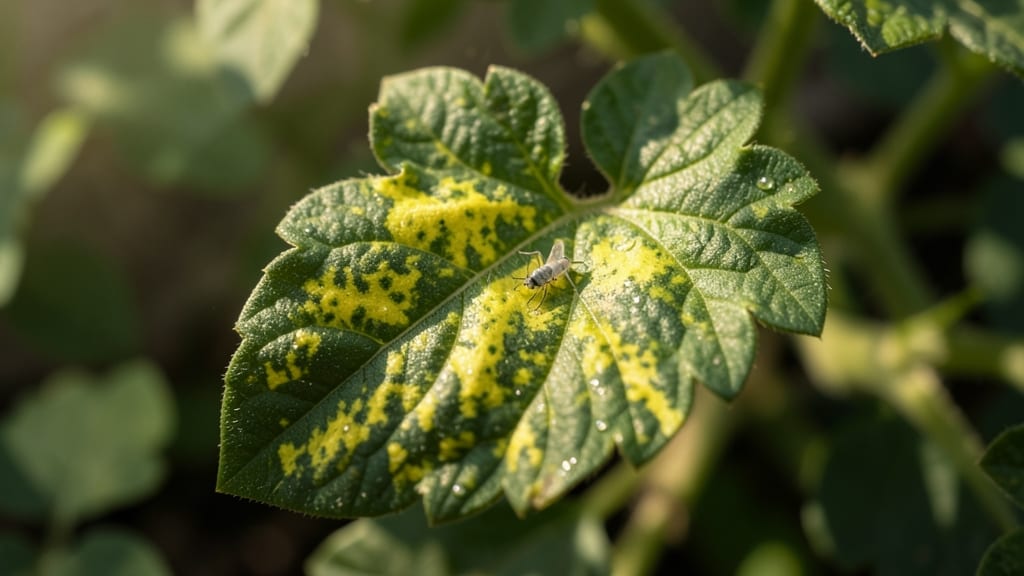
If your plants develop a yellow-green mottled pattern that looks like a painted design, you’re likely dealing with a viral infection—not just nutrient deficiency or stress. Unlike fungal or bacterial diseases, viruses spread rapidly through aphids, whiteflies, and other sap-sucking insects, making early intervention critical for organic gardeners who avoid chemical pesticides.
The telltale mosaic patterns appear on leaves, often accompanied by stunted growth or distorted shapes. Common hosts include tomatoes, peppers, squash, and basil, but many ornamental plants like petunias and impatiens are also vulnerable. Since viruses can’t be cured, focus on removing infected plants immediately and using insecticidal soap or neem oil to control vectors before they spread further.
This disease is especially frustrating for organic growers because prevention relies entirely on pest management—no chemical sprays will fix it once it takes hold. 🌿
Gray Mold on Strawberries
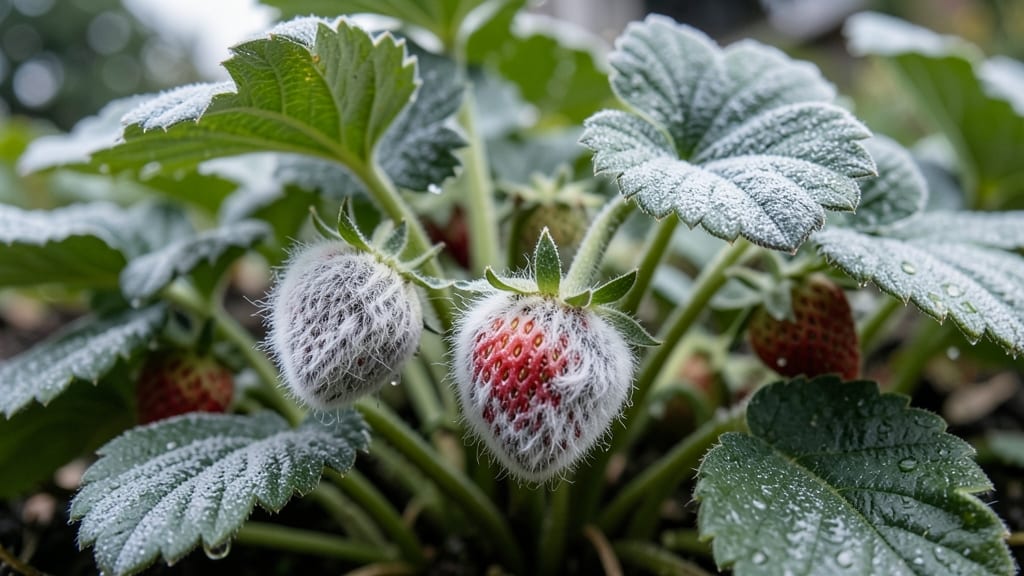
If your strawberries develop a fuzzy, grayish growth that looks like cotton candy on the fruit or leaves, you’re dealing with gray mold—a fungal nightmare for berry growers. This disease thrives in cool (50–70°F), wet conditions, making it especially dangerous during spring rains or high-humidity summers when fruit ripens.
To stop it, remove infected berries immediately (don’t compost them!) and improve airflow by spacing plants 18 inches apart. A copper fungicide spray applied preventatively every 10–14 days during wet periods can also help. For organic gardeners, baking soda spray (1 tsp baking soda + 1 tsp oil + 1 tsp soap per gallon of water) works as a preemptive measure.
This disease doesn’t just ruin individual berries—it can spread to entire patches, turning your harvest into a moldy mess. Strawberry growers in coastal or high-humidity regions should prioritize this prevention strategy to avoid losing their crop. 🌱
Verticillium Wilt Stems
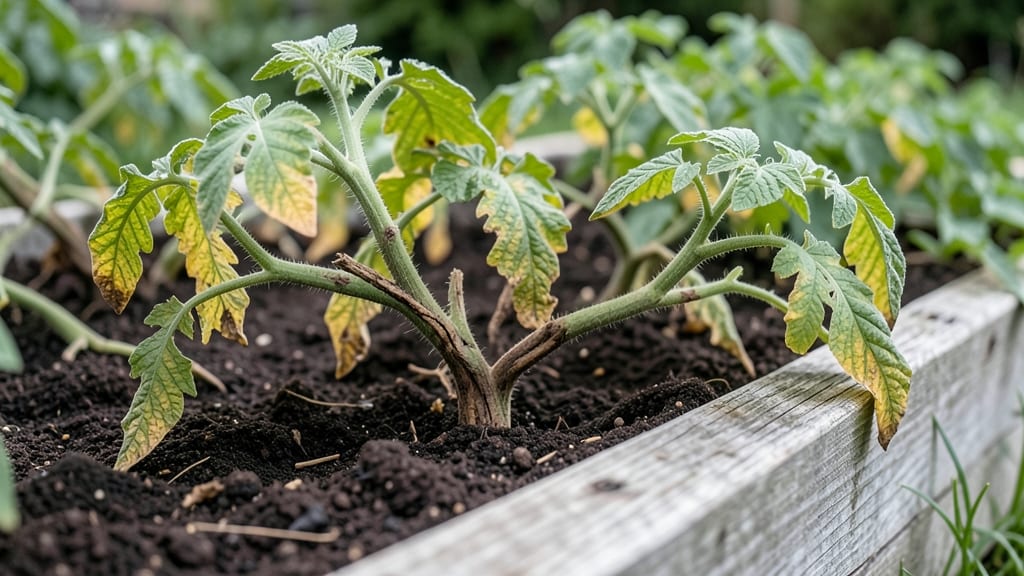
If your tomatoes or potatoes suddenly wilt despite healthy soil and watering, check the stems for brown streaks—this is Verticillium wilt, a stubborn fungal disease thriving in warm, stressed soil. Unlike other wilts, it attacks the vascular system, causing leaves to yellow and crisp even when roots stay moist.
This disease spreads through contaminated soil and survives for years, making it especially dangerous in warm climates where soil health declines. Remove infected plants immediately and avoid planting susceptible crops (like eggplants or peppers) in the same spot for at least 3 years to break the cycle.
Gardeners in sandy or compacted soils should focus on improving drainage and adding organic matter to starve the fungus. Early diagnosis is key—catching it before stems darken saves your harvest. 💪
Aphid-Induced Curling Leaves
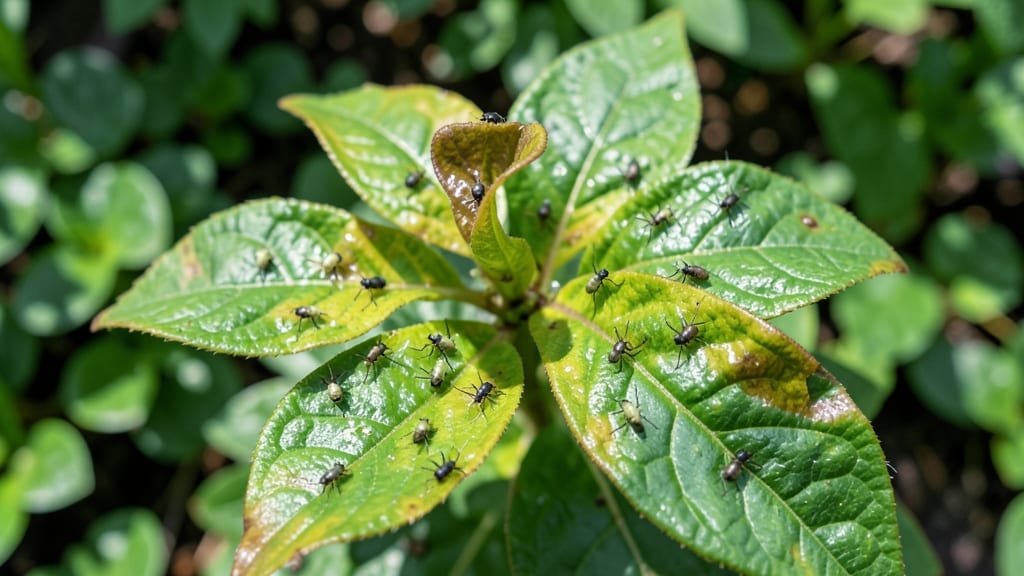
If your plant leaves are curling upward and you notice a sticky, shiny residue on them, you’re likely dealing with aphids—tiny but destructive sap-sucking insects that also spread harmful viruses. This issue is especially critical for organic gardeners who rely on natural pest controls, as aphids can quickly multiply and weaken plants.
The sticky residue (called honeydew) is a dead giveaway—it attracts ants and fosters sooty mold, further stressing your plants. Look for clusters of aphids on new growth, leaf undersides, or stems. Neem oil or soapy water sprays are effective organic solutions, but act fast to prevent viral infections like mosaic or leaf curl from taking hold.
This problem affects nearly every type of plant, from roses and tomatoes to houseplants and vegetables. Early intervention with natural predators (like ladybugs) or homemade sprays can save your garden before aphids become unmanageable. 🌿
Black Spot on Hydrangeas

If your hydrangeas are showing dark, circular spots with purple edges, you’re likely dealing with black spot disease—one of the most destructive fungal issues for these prized ornamental plants. This disease thrives in warm, humid conditions, often appearing in late spring or summer when moisture lingers on leaves.
To combat it, remove infected leaves immediately and apply a copper fungicide every 7-10 days during wet periods. Improving air circulation by spacing plants farther apart and avoiding overhead watering can also prevent future outbreaks. Prune for airflow and sterilize tools between cuts to stop the spread.
Ornamental gardeners and hydrangea enthusiasts will find this knowledge essential—black spot can defoliate plants entirely if left unchecked, ruining their showy blooms. Early action is your best defense! 🌷