
Pests and Diseases
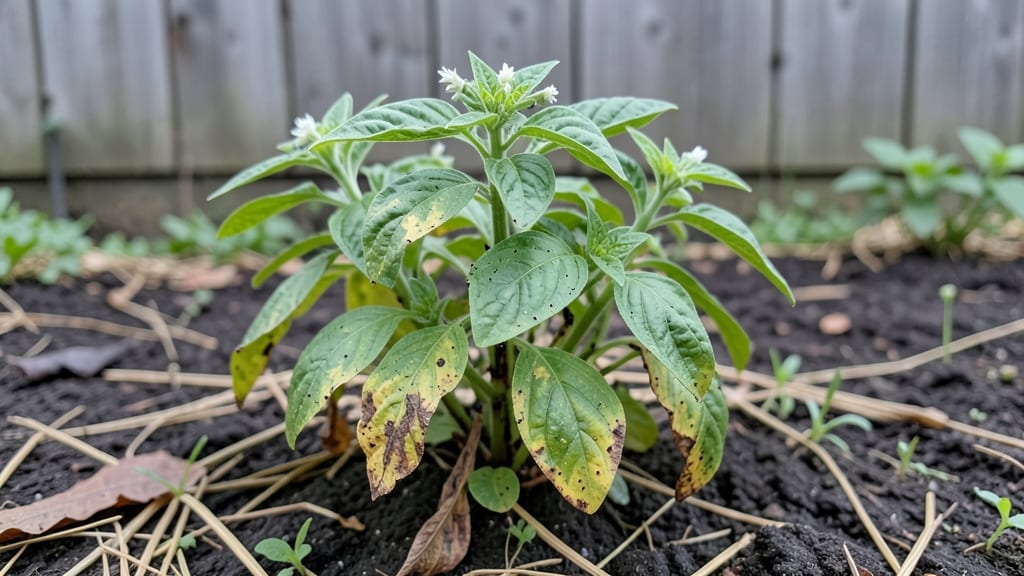
Basil plant diseases can turn your fragrant kitchen herb into a sad, yellowing mess—unless you catch the signs early. 🌿 I’ve seen downy mildew, bacterial spots, and wilt creep in within weeks, turning lush plants into shadows of themselves.
The good news? Most of these issues have simple fixes if you know what to watch for.
These fungal foes thrive in damp, crowded conditions, so proper spacing and airflow are your first line of defense. I learned the hard way that skipping pruning or overwatering invites trouble—especially in humid climates.
The key is acting fast: remove infected leaves immediately, adjust watering habits, and consider organic sprays like neem oil or copper fungicide.
With the right moves, you can revive struggling plants and keep new growth healthy. A little prevention—like sterilizing tools and rotating crops—goes a long way. By the end of this guide, you’ll spot problems before they spread and save your basil from becoming a lost cause.
Whether you’re growing basil in pots or garden beds, these strategies work for all setups. Let’s get your plants back to their vibrant best—and keep them thriving all season long.
Root Causes Behind Basil Woes
Basil plants, with their fragrant leaves and vibrant green hue, can quickly become a garden casualty if fungal diseases take hold. Understanding why these issues arise is the first step to prevention.
Fungal infections in basil don’t happen in a vacuum—they thrive when specific conditions align. Let’s break down the key triggers behind basil plant diseases, so you can address them before they spread.
Fungi love moisture—think of it as their natural habitat. Basil plants grow best in warm, well-drained soil, but when humidity levels rise (especially above 70%), fungal spores get the perfect environment to germinate and infect leaves, stems, and roots.
Why does this happen?
- Poor air circulation: Dense basil plants or crowded garden beds trap moisture, creating a steamy microclimate where fungi like Fusarium and Pythium flourish.
- Overhead watering: Splashing water onto leaves (instead of the soil) leaves droplets that sit for hours, giving fungi direct access to the plant’s surface.
- Nighttime dew: Basil’s broad leaves act like tiny sponges, absorbing and retaining moisture overnight, which fungal spores exploit.
Actionable fix: Space plants 12–18 inches apart, water at the base in the morning, and use a fan to improve airflow in containers or greenhouses. 🌬️
Basil roots need oxygen to stay healthy. When soil stays soggy—whether from heavy clay, compacted dirt, or excessive watering—root systems suffocate, weakening the plant’s defenses and inviting fungal invaders like Phytophthora (which causes root rot).
Why does this happen?
- Clay-heavy soil: Retains water like a sponge, cutting off oxygen to roots.
- Lack of organic matter: Soil without compost or perlite compacts easily, reducing drainage.
- Overwatering: Basil prefers 1–1.5 inches of water per week; more than that drowns roots.
Actionable fix: Amend soil with sand, perlite, or coconut coir to improve drainage. Test soil moisture by sticking your finger 1 inch deep—if it’s damp, wait to water. 💧
Basil is a tender annual that thrives in warmth (70–80°F). When temperatures drop, humidity spikes, or the plant undergoes sudden stress (like transplant shock), its immune system weakens, making it vulnerable to fungal attacks like downy mildew.
Why does this happen?
- Temperature swings: Cold nights (below 50°F) or hot days (>90°F) shock basil, reducing its ability to fight pathogens.
- Transplant trauma: Moving basil from seedling trays to the garden damages roots, creating entry points for fungi.
- Nutrient deficiencies: Lack of magnesium or calcium weakens cell walls, making leaves easier targets.
Actionable fix: Harden off seedlings gradually, mulch to regulate soil temp, and fertilize with a balanced 10-10-10 mix to boost resilience. 🌡️
Fungal spores are microscopic hitchhikers. They latch onto pruners, gloves, or even your hands, then jump to healthy basil when you touch it. Once established, diseases like early blight spread rapidly through physical contact.
Why does this happen?
- Reusing dirty tools: Pruners or shears contaminated with spores from infected plants transfer the problem.
- Cross-contamination: Touching diseased leaves, then potting soil or new plants, spreads spores.
- Buying infected seedlings: Nursery plants may already harbor dormant fungi.
Actionable fix: Sterilize tools with 70% isopropyl alcohol between uses, and isolate new plants for 2 weeks to monitor for symptoms. 🧼
By tackling these root causes—humidity, drainage, stress, and contamination—you’ll create an environment where basil thrives and fungi struggle to take hold. Prevention is easier (and cheaper!) than treatment, so act now before your basil becomes a fungal buffet. 🚫🍄
Quick fixes for basil’s fungal foes
Fungal diseases can turn your thriving basil plants into sad, wilted shadows—fast! But don’t panic. With the right steps, you can revive your plants and prevent future outbreaks. Below, we’ve mapped out practical, step-by-step solutions for each common basil disease, plus prevention tips to keep your garden healthy.
Cause: Grayish-purple fuzz on undersides of leaves (caused by Peronospora belbahrii). Fix:
- 🔥 Prune & Toss Infected Leaves
- Snip off any leaves with fuzzy spots and dispose of them in the trash (not compost). This stops the fungus from spreading.
- ✂️ Pro Tip: Sterilize your pruners with rubbing alcohol between cuts to avoid cross-contamination.
- 🌧️ Improve Airflow & Reduce Moisture
- Space plants 12–18 inches apart to allow air circulation.
- 💡 Water in the morning so leaves dry quickly (fungus thrives in dampness).
- 🍳 Spray with a Fungicide Mix
- Mix 1 tsp baking soda + 1 quart water + a few drops of dish soap (as a surfactant). Spray every 7–10 days until new growth appears.
- For severe cases, use copper fungicide (follow label instructions).
Prevention:
- 🌡️ Avoid overhead watering—use a drip system or water at the base.
- ✨ Rotate crops—don’t plant basil in the same spot year after year.
Cause: Gray, fuzzy patches that spread quickly in humid conditions. Fix:
- 👨🍳 Remove All Affected Parts Immediately
- Cut back any moldy stems or leaves—even if it’s just a tiny spot. This disease spreads fast.
- 🔪 Increase Spacing & Thin Plants
- If your basil is crowded, thin it out to reduce humidity around leaves.
- 🥘 Apply Hydrogen Peroxide Spray
- Mix 1 tbsp 3% hydrogen peroxide per quart of water and spray every 3–4 days until the plant recovers.
Prevention:
- 💡 Space plants properly (12–18 inches apart).
- 🌿 Avoid mulching too close to stems—keep mulch 2–3 inches away to prevent moisture buildup.
Cause: Small, water-soaked brown spots with yellow halos (caused by Xanthomonas campestris). Fix:
- 🔥 Prune & Destroy Infected Leaves
- Remove all spotted leaves and sterilize tools between cuts.
- 🌧️ Water Only at Soil Level
- Never water leaves—use a soaker hose or drip irrigation.
- 🍳 Copper-Based Bactericide Spray
- Apply copper fungicide (like Copper Soap) every 7–10 days for 2–3 weeks.
Prevention:
- 🌡️ Rotate crops—don’t plant basil in the same spot next year.
- ✨ Use resistant varieties like Genovese or Purple Ruffles if bacterial spot is common in your area.
Cause: White, powdery coating on leaves (caused by Erysiphe cichoracearum). Fix:
- 🧼 Gently Wipe Leaves with Neem Oil or Soap Solution
- Mix 1 tbsp neem oil + 1 tsp mild dish soap + 1 quart water. Spray every 5–7 days until mildew disappears.
- 🌿 Improve Light & Airflow
- Move plants to full sun (powdery mildew loves shade).
- ✂️ Prune inner leaves to boost airflow.
- 🍳 Baking Soda Spray (For Early Stages)
- Spray 1 tsp baking soda + 1 quart water + a drop of soap weekly.
Prevention:
- 💡 Avoid overhead watering—water at the base only.
- 🌱 Plant basil in raised beds if your garden stays too damp.
Cause: Yellowing leaves, mushy stems (from overwatering or poor drainage). Fix:
- ⏰ Stop Watering Immediately
- Let the soil dry out completely before watering again.
- 🔪 Repot in Fresh, Dry Soil
- Remove the plant, trim any blackened roots, and repot in well-draining soil (add perlite or sand).
- 🌧️ Adjust Watering Habits
- Water only when the top inch of soil is dry.
- Use terracotta pots (they dry out faster than plastic).
Prevention:
- 💡 Use pots with drainage holes.
- ✨ Mulch lightly (but not too close to the stem).
- 💪 Boost Plant Health with balanced fertilizer (10-10-10) every 4–6 weeks.
- 🌿 Harvest Regularly to encourage new growth and reduce stress.
- 🌡️ Monitor Humidity—aim for 40–60% humidity (use a dehumidifier in greenhouses if needed).
Final Thought: Most basil diseases are preventable with good hygiene, proper spacing, and smart watering. Act fast when you spot trouble, and your plants will bounce back stronger than ever! 🚀
Frequently asked questions about basil plant diseases
What are the first signs of downy mildew on basil?
Look for grayish-purple fuzz on the undersides of leaves—this is the hallmark of downy mildew. You’ll often see yellow spots on top first, followed by the fuzzy growth within 5–7 days. Act fast by removing infected leaves and improving airflow around the plant.
Can I save a basil plant with bacterial leaf spot?
Yes, but you must act quickly! Prune all leaves with water-soaked brown spots and sterilize your tools. Use a copper fungicide every 7–10 days for 2–3 weeks. Avoid overhead watering and consider resistant varieties like Genovese if this keeps happening.
Why does my basil keep getting powdery mildew even after treatment?
Powdery mildew thrives in shady, humid conditions. Move your basil to full sun and prune inner leaves to boost airflow. Spray with a neem oil solution (1 tbsp neem + 1 tsp soap per quart of water) every 5–7 days until the white coating disappears.
How do I know if my basil has root rot instead of a fungal leaf disease?
Root rot causes yellowing leaves, mushy stems, and foul-smelling soil—not just leaf spots. Check the roots: healthy roots are firm and white, while rotten ones are black and mushy. Stop watering immediately, repot in fresh, dry soil, and use terracotta pots for better drainage.
Is it safe to compost basil leaves with fungal diseases?
No! Fungal spores survive composting and can reinfect your plants. Always toss diseased leaves in the trash (not compost or yard waste). Sterilize containers and tools used on infected plants with 70% isopropyl alcohol to prevent spread.