
Diseases
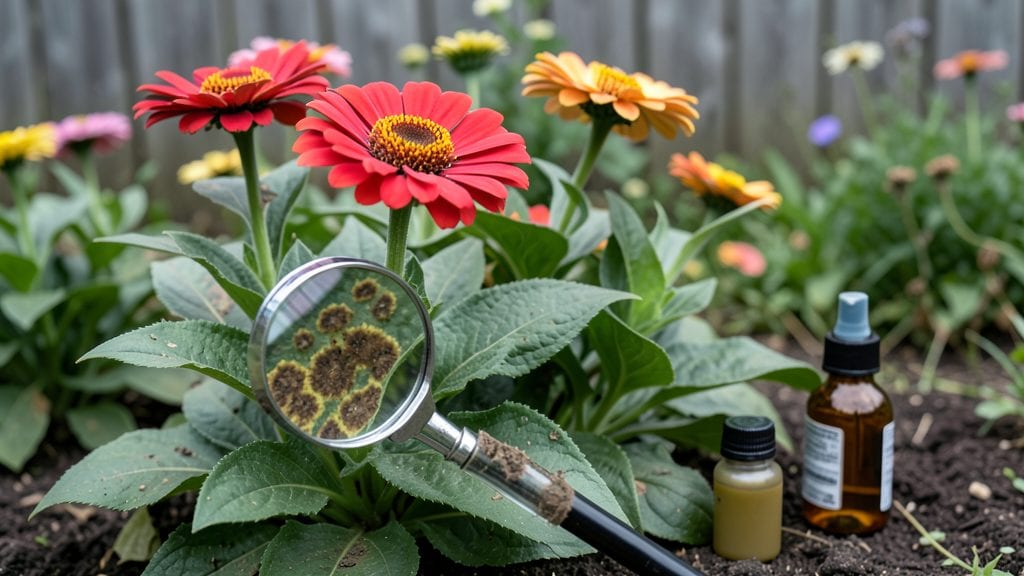
Zinnia plant diseases can turn your vibrant blooms into a sad, spotted mess in days—unless you catch them fast. ✨ I’ve seen powdery mildew turn a whole bed of zinnias into a ghostly white canvas, and bacterial wilt collapse stems like they were made of paper.
The key to saving your plants? Spotting the problem early and acting before it spreads.
Most zinnia diseases start with tiny clues: yellow spots on leaves, fuzzy white coatings, or stems that wilt without warning. Powdery mildew loves humid heat, while bacterial wilt thrives in crowded, wet conditions.
The good news? Both respond quickly to the right mix of air circulation, fungicides, and copper sprays—no heavy chemicals needed if you act within a week.
With fast treatment, your zinnias bounce back stronger than ever. Prune infected leaves immediately, space plants for airflow, and water at the base (not overhead) to keep foliage dry. Within days, you’ll see fresh, disease-free growth pushing through—proof that even a struggling plant can make a comeback.
This works for both garden beds and containers, and the same principles apply whether you’re growing zinnias in full sun or partial shade. Let’s turn those sad stems into showstopping blooms again.
Root Causes of Zinnia Struggles
Zinnia plants, with their vibrant blooms and easy-growing nature, can still fall victim to diseases when certain conditions align. Understanding why these issues arise is the first step to prevention—and saving your garden. Here’s a breakdown of the key culprits behind zinnia plant diseases, explained in clear, actionable terms.
Zinnias thrive in open spaces, but when plants are packed too closely together, moisture lingers on leaves and stems. This creates a perfect breeding ground for fungal pathogens like powdery mildew and rust. Poor airflow also traps spores, allowing them to spread rapidly.
Why it happens:
- High humidity from dense foliage slows evaporation, keeping surfaces damp.
- Blocked sunlight in crowded beds weakens plants, making them more susceptible to stress-related diseases.
- Spores thrive in stagnant air—fungi like Erysiphe cichoracearum (powdery mildew) release spores that float but land and infect when conditions are ideal.
Actionable fix: Space zinnias 12–18 inches apart and prune regularly to improve airflow. Avoid overhead watering, which can splash spores onto leaves.
Zinnias are drought-tolerant, but consistent soggy soil invites bacterial and fungal infections. Overwatering leads to:
- Root rot (from Phytophthora or Pythium fungi)
- Leaf spot diseases (like Alternaria or Septoria)
- Bacterial soft rot (caused by Erwinia)
Why it happens:
| Cause | Scientific Explanation |
|---|---|
| Waterlogged soil | Lack of oxygen in saturated soil stresses roots and weakens the plant’s defenses. Fungi exploit this by breaking down cell walls with enzymes like pectinases. |
| Frequent leaf wetness | Water droplets create a film that traps spores and provides a medium for bacterial growth. Xanthomonas bacteria, for example, thrive in moist conditions and enter through stomata or wounds. |
| Poor drainage | Compacted or clay-heavy soil doesn’t drain, leading to prolonged moisture. This encourages Phytophthora to produce zoospores, which swim to infect roots. |
Actionable fix: Water zinnias deeply but infrequently—aim for 1 inch of water per week (including rainfall). Use raised beds or amend soil with compost to improve drainage. Always water at the base, not the foliage.
Zinnias deprived of essential nutrients—especially nitrogen, phosphorus, or potassium—become stress-prone and more vulnerable to pathogens. Deficiencies often stem from:
- Poor soil quality (low organic matter)
- Improper fertilization (e.g., too much synthetic nitrogen, not enough micronutrients)
- Competition from weeds or overcrowding
Why it happens:
Nutrient deficiencies disrupt cellular integrity, making plants more susceptible to:
- Powdery mildew: Low phosphorus (P) weakens the cuticle, making it easier for fungal hyphae to penetrate.
- Bacterial wilt (Ralstonia solanacearum): Potassium (K) deficiency impairs the plant’s ability to regulate water, creating entry points for bacteria.
- Damping-off (in seedlings): Excess nitrogen without balanced phosphorus promotes Pythium growth by increasing plant sap sugar content, which fungi feed on.
Actionable fix: Test your soil and amend with a balanced fertilizer (10-10-10 or 5-10-10). Add compost or worm castings for micronutrients. Avoid high-nitrogen fertilizers late in the season, as they encourage soft, disease-prone growth.
Fungal and bacterial spores can linger on gardening tools, pots, or soil from previous plantings. If you’ve grown tomatoes, peppers, or other nightshades (which share diseases with zinnias), spores may still be present.
Why it happens:
- Pruners or shears can carry Xanthomonas or Pseudomonas bacteria from infected plants to healthy ones.
- Reused containers may harbor Fusarium or Verticillium fungi from past crops.
- Infected compost can introduce Phytophthora if not properly heated during decomposition.
Actionable fix:
- Sterilize tools with 70% isopropyl alcohol or a 10% bleach solution between uses.
- Disinfect pots with a 1:9 bleach-water mix or bake at 200°F for 30 minutes.
- Use fresh potting mix (not garden soil) for container zinnias to avoid hidden pathogens.
Zinnia diseases often flare up during specific weather patterns, particularly:
- Warm, humid nights (ideal for powdery mildew)
- Frequent rain or dew (promotes leaf spots and rust)
- Sudden temperature swings (stresses plants, lowering resistance)
Why it happens:
Fungi like Puccinia (rust) require free moisture on leaf surfaces for 6–9 hours to germinate. Bacteria such as Pseudomonas syringae thrive in temperatures between 68–86°F and spread via wind or splashing water.
Actionable fix:
- Choose disease-resistant zinnia varieties (e.g., ‘Benary’s Giant’ or ‘Profusion’ series).
- Mulch with straw or pine needles to reduce soil splatter onto leaves.
- Plant zinnias in full sun with afternoon shade in hot climates to reduce heat stress.
Quick fixes for zinnia ailments
Zinnias are tough little flowers, but when diseases strike, acting fast makes all the difference. Below are practical, step-by-step solutions for the most common fungal and bacterial threats, plus prevention tips to keep your zinnias thriving. Think of this as your emergency guide—no gardening degree required!
1.
Powdery Mildew: Scrub & Shield **🔥 Cause: White, dusty spots on leaves (usually from humidity + poor airflow). ✅ How to Fix It: - 🍳 Remove infected leaves immediately – Snip off heavily affected foliage with clean pruners and dispose of it in the trash (not compost). - 👨🍳 Spray with a baking soda solution – Mix 1 tsp baking soda + 1 tsp horticultural oil + 1 quart water** in a spray bottle.
Apply to both sides of leaves in the early morning (avoid direct sunlight to prevent leaf burn). - **🌡️ Boost airflow – Space plants 12–18 inches apart and prune nearby foliage to improve circulation. - 🎯 Prevent recurrence – Water at the base only (never overhead) and avoid planting zinnias in shady, damp spots.
💡 Pro Tip: Repeat the baking soda spray every 5–7 days until new growth appears mildew-free.
2.
Rust Fungus: Copper It Out 🔥 Cause: Orange pustules on undersides of leaves (spores spread via wind/rain). ✅ How to Fix It: - 🔪 Prune & destroy infected leaves – Cut off rusty leaves and sterilize pruners with rubbing alcohol between cuts. - 🥘 Apply copper fungicide – Use a store-bought copper-based spray (like Bonide Copper Fungicide) or make a DIY version: 1 tsp copper sulfate + 1 gallon water (test on a small leaf first—it can be harsh). - 🌿 Rotate crops next season – Avoid planting zinnias (or other susceptible plants like roses) in the same spot for 2–3 years. - ✨ Encourage beneficial fungi – Spread compost or mycorrhizal fungi around the base to outcompete rust spores.
💡 Pro Tip: Rust thrives in wet conditions—water zinnias early in the day so leaves dry by evening.
3.
Gray Mold (Botrytis): Dry It Up 🔥 Cause: Gray fuzzy patches on stems/flowers (often after rain or overcrowding). ✅ How to Fix It: - 🍳 Deadhead diseased blooms ASAP – Snip off infected flowers and sterilize tools to prevent spread. - 👨🍳 Improve spacing & airflow – Thin out plants so air circulates—no touching leaves when walking through the garden. - 🌡️ Reduce humidity – Use a fan on low speed near plants (especially in greenhouses) or avoid overhead watering. - 🎯 Prevent with neem oil – Spray neem oil (2 tsp + 1 quart water + drop of dish soap) weekly as a preventative.
💡 Pro Tip: Gray mold loves senescent (dying) tissue—remove spent blooms and yellowing leaves daily during humid weather.
4.
Bacterial Leaf Spot: Sterilize & Starve It 🔥 Cause: Dark spots with yellow halos (often from splashing water or contaminated tools). ✅ How to Fix It: - 🔪 Remove & destroy infected leaves – Do not compost—bag and trash them to stop spore spread. - 🥘 Disinfect tools & hands – Wipe pruners with rubbing alcohol (70%+) before and after use. - 🌿 Use copper or hydrogen peroxide spray – - Option 1: 3% hydrogen peroxide spray (1 part peroxide + 3 parts water). - Option 2: Copper fungicide (follow label rates). - 🎯 Adjust watering habits – Water only at the base and early in the day to dry leaves quickly.
💡 Pro Tip: Bacterial spots worsen in wet conditions—if rain is forecast, cover zinnias with a lightweight row cover temporarily.
5.
Stem Rot (Bacterial or Fungal): Dig Deep for Solutions 🔥 Cause: Soft, mushy stems at the base (often from overwatering or poor drainage). ✅ How to Fix It: - 🍳 Stop watering immediately – Let the soil dry out completely before resuming. - 👨🍳 Dig up the plant & inspect – - If only the top is healthy, cut off the rotted base and replant in fresh, sterile soil. - If rot is severe, discard the plant to prevent spread. - 🌡️ Improve drainage – Amend soil with perlite or sand and ensure pots have drainage holes. - 🎯 Solarize the soil (for garden beds) – Cover the area with clear plastic for 4–6 weeks in hot sun to kill pathogens.
💡 Pro Tip: Overwatering is the #1 cause of stem rot—stick your finger in the soil before watering; if the top 1 inch is dry, it’s time to hydrate.
Use this quick-reference table to avoid future problems:
| Problem | Prevention Step | When to Do It |
|---|---|---|
| Powdery Mildew | Space plants 12–18" apart | At planting |
| Rust Fungus | Water at base, avoid overhead spraying | Every watering session |
| Gray Mold | Deadhead daily + improve airflow | Daily (humid weather) |
| Bacterial Leaf Spot | Sterilize tools + water at soil level | Before pruning/watering |
| Stem Rot | Use well-draining soil + pots with holes | At planting |
Final Thought: Most zinnia diseases are preventable with good hygiene and smart watering. Once you spot trouble, act fast**—the sooner you treat it, the easier it is to save your plants! 🌼💪
Frequently asked questions about zinnia plant diseases
What are the first signs of powdery mildew on zinnias?
Look for white, dusty patches on leaf surfaces, especially on the undersides. These spots start small but spread quickly in humid conditions. Early stages resemble flour dusting, while advanced mildew covers entire leaves and can stunt growth.
Can I save a zinnia plant with bacterial wilt?
Unfortunately, once bacterial wilt sets in, there’s no cure. The bacteria clog the plant’s vascular system, causing sudden wilting. Remove infected plants immediately to prevent spread to healthy zinnias—sterilize tools with rubbing alcohol between cuts.
How often should I spray zinnias with fungicide as prevention?
Apply fungicide every 7–10 days during high-risk periods (humid summers or rainy seasons). For organic options, a baking soda spray (1 tsp baking soda + 1 quart water) works well. Always spray in the early morning to avoid leaf burn from sunlight.
Why do my zinnias get rust fungus even with good airflow?
Rust spores can travel via wind or rain from infected nearby plants, even with proper spacing. The fungus thrives in moist conditions—water zinnias at the base in the morning and avoid overhead irrigation. Copper fungicide sprays help disrupt spore development.
Are there disease-resistant zinnia varieties I should choose?
Yes! Varieties like ‘Profusion Series’ or ‘Benary’s Giant’ are bred for better disease resistance. These hybrids tolerate humidity and crowded conditions better than heirloom types. Check seed packets for disease-resistant labels when shopping.