
Companion Plants
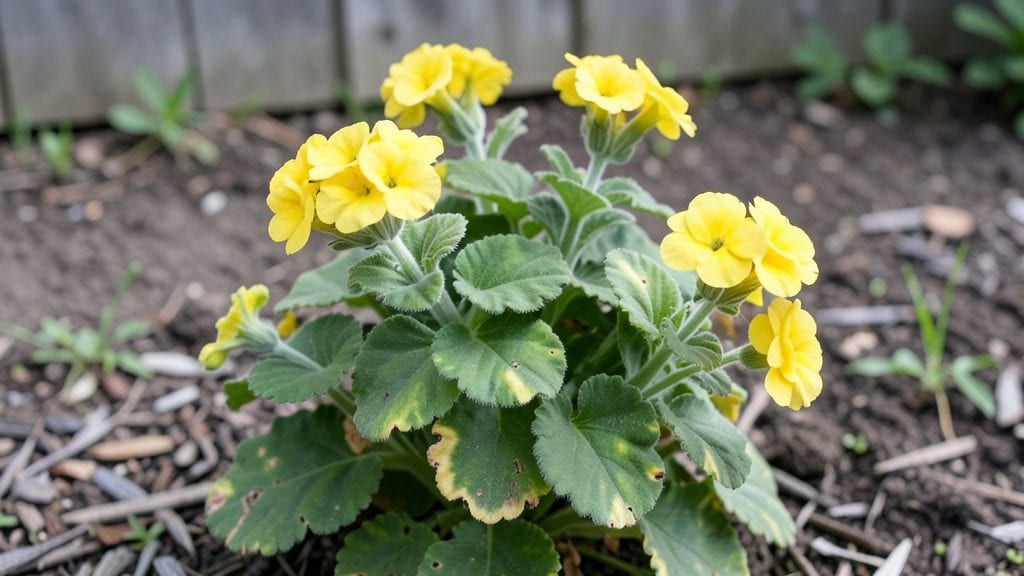
Growing yellow geranium plants in your garden isn’t just about pretty blooms—it’s about creating a fragrant, pest-repelling powerhouse that works harder than any chemical spray. 🌿 I’ve watched these sun-loving plants transform my garden beds, their citrusy scent keeping aphids and mosquitoes at bay while attracting pollinators like bees and butterflies.
The secret to their success starts with the right conditions: full sun, well-draining soil, and just enough water to keep the roots happy without drowning them.
Most people overwater, leading to those dreaded yellow leaves or wilting stems—but once you master the balance, these plants reward you with months of continuous blooms and that signature lemony fragrance that lingers on your fingers after pruning.
You’ll end up with lush, bushy plants that stay compact and productive, whether tucked in garden borders or spilling over containers on your patio. The best part?
They’re low-maintenance once established—just a little trim after blooming to encourage new growth, and you’re set for another season of natural pest control and vibrant color.
Works equally well in sunny window boxes, raised beds, or in-ground plantings—just avoid heavy clay soil, and you’ll see these geraniums thrive year after year.
Here’s how to get them started right from seed or transplant, plus troubleshooting tips for when things go wrong (and trust me, even the best gardeners have wilted geraniums at some point).
📚 In This Guide
- What you need
- Instructions
- Tips and common mistakes
- Wrapping up and next steps
What you need
- ● Yellow Geranium Seeds or Plants: Choose disease-resistant varieties like Pelargonium x hortorum (Zonal Geranium). 2-5 plants (or 10-20 seeds) for a small garden.
- ● Well-Draining Potting Mix: 5-10 gallons of a blend with 50% peat/coir, 30% perlite, and 20% compost (or a pre-mixed cactus/succulent mix).
- ● Containers or Garden Bed: Containers: 5-7 inch diameter pots (1 per plant) with drainage holes.
- ● Garden Bed: 6+ hours of sunlight daily and loamy, slightly acidic soil (pH 6.0-7.0).
- ● Organic Fertilizer: Balanced 10-10-10 or slow-release granules (1 tbsp per plant every 4-6 weeks).
- ● Watering Can or Hose: With a gentle spray nozzle to avoid damaging leaves.
- ● Pruning Shears: For shaping and deadheading (sterilized with 70% isopropyl alcohol).
- ● pH Test Kit: To monitor soil acidity (aim for 6.0-7.0).
- ● Mulch: 2-3 inches of straw or pine bark to retain moisture and deter weeds.
- ○ Companion Plant Starter Kit: Optional basil or marigolds (1-2 plants) to enhance pest-repelling benefits.
Step-by-Step guide to growing thriving yellow geranium plants
Here's the straightforward method I've used for years to cultivate vibrant, pest-repelling yellow geraniums that bloom all season.
🌱 Step 1: Choose the Right Location and Prepare Soil
Yellow geraniums thrive in full sun—at least 6-8 hours daily—but can tolerate 4 hours if afternoon shade is available. I always select a spot with good air circulation to prevent fungal issues. Before planting, loosen the soil to a depth of 12 inches using a garden fork to improve drainage.
The soil should be well-draining but moisture-retentive. Amend heavy clay with 2-3 inches of compost mixed into the top 6 inches of soil. Geraniums hate soggy roots, so avoid low-lying areas where water pools. A slight mound of soil helps prevent root rot in rainy climates.
🪴 Step 2: Plant at the Correct Depth and Spacing
Dig holes twice as wide as the root ball but only as deep as the container's base. Gently remove the plant from its pot and tease apart any circling roots. Place the geranium in the hole so the top of the root ball sits just below soil level—burying the crown too deep invites rot.
Space plants 18-24 inches apart for optimal airflow and sunlight penetration. I plant mine in a loose grid pattern to maximize both aesthetics and pest-repelling coverage. Water deeply right after planting to settle the soil and eliminate air pockets around the roots.
☀️ Step 3: Establish a Watering Routine for Healthy Growth
Water geraniums deeply once weekly during dry spells, allowing the top 2 inches of soil to dry between waterings. I check moisture by sticking my finger into the soil—if it feels dry at 1 inch down, it's time to water. Overwatering is the fastest way to kill these plants, so resist daily sprinkling.
Mulch around the base with 2-3 inches of organic mulch to retain moisture and suppress weeds. Keep mulch 2 inches away from the stem to prevent rot. In hot climates, water in the early morning to reduce evaporation and fungal risks.
✂️ Step 4: Prune for Continuous Blooms and Pest Prevention
Deadhead spent blooms weekly by pinching off flowers just above a set of leaves. This encourages non-stop flowering and prevents seed formation, which drains the plant's energy. I also trim back leggy stems in early summer to promote bushier, more compact growth.
For extra vigor, give geraniums a light trim after the first flush of blooms. Cut back one-third of the plant's height, focusing on the oldest stems. This rejuvenates the plant and keeps it from becoming woody. Wear gloves—geranium leaves can be slightly irritating to sensitive skin.
🌿 Step 5: Fertilize and Protect for Long-Term Success
Feed plants every 4-6 weeks during the growing season with a balanced, water-soluble fertilizer (10-10-10 ratio). I dilute it to half-strength to avoid burning the roots. Stop fertilizing in late summer to allow plants to harden off before winter.
Geraniums naturally repel pests like aphids and whiteflies with their fragrance, but watch for Japanese beetles—they love geranium leaves. Handpick beetles in the morning when they're sluggish, or spray with neem oil if infestations occur. Avoid chemical pesticides that can harm beneficial insects.
Tips & tricks for perfect yellow geranium growth
These hard-won insights will help you cultivate geraniums that thrive, bloom prolifically, and keep pests at bay all season long.
Sunlight Strategy: While 6-8 hours of full sun is ideal, don't assume every sunny spot works equally. I've found that morning sun with afternoon shade performs best in hot climates—it prevents leaf scorch while still providing the light geraniums crave. If you're planting in containers, rotate them every few days to ensure even sunlight exposure all around the plant.
Soil Preparation Secret: The 12-inch deep loosening in Step 1 isn't just about drainage—it's about creating an oxygen-rich zone for roots. I like to add a handful of perlite to the compost mix when amending heavy clay soils. This prevents compaction and helps prevent the dreaded root rot that can kill geraniums. Think of it as giving your plants' roots room to breathe.
Watering Wisdom: That weekly watering guideline works beautifully in most climates, but here's the thing: your finger test at 1 inch down should be your decision-maker, not the calendar. In my experience, geraniums in containers dry out faster than in-ground plants—sometimes needing water every 4-5 days even in summer. Always check before watering to avoid the soggy soil scenario that leads to root issues.
Pruning Precision: When you're deadheading those weekly blooms, focus on cutting just above a set of leaves rather than at the base of the flower stem. This encourages new growth from that leaf node, resulting in bushier plants with more blooms. And that one-third height trim after the first flush? I've seen plants that looked like they were dying after this prune—only to rebound spectacularly with fresh new growth within weeks.
Pro Tips for Yellow Geranium Plants
- These hard-won insights will help you cultivate geraniums that thrive, bloom prolifically, and keep pests at bay all season long.
- Sunlight Strategy: While 6-8 hours of full sun is ideal, don't assume every sunny spot works equally.
- Soil Preparation Secret: The 12-inch deep loosening in Step 1 isn't just about drainage—it's about creating an oxygen-rich zone for roots.
Frequently asked questions
How do I encourage more blooms on my yellow geraniums?
Deadhead spent flowers regularly to redirect energy into new blooms. Prune leggy stems in early spring and pinch back tips to promote bushier growth. Bonus: A balanced fertilizer (like 10-10-10) every 4-6 weeks keeps them flowering like crazy!
When is the best time to plant yellow geraniums?
Plant them in spring or early fall after the last frost when soil is warm (60°F+). Avoid summer heatwaves—geraniums hate soggy roots and wilting. If starting from seeds, sow indoors 8-10 weeks before the last frost for a head start!
Why are my geraniums attracting pests like aphids or spider mites?
Overcrowding, drought stress, or poor air circulation invites pests. Fix it: Space plants 12–18 inches apart, water deeply at the base (not leaves), and spray with neem oil if needed. Yellow geraniums also repel pests naturally—plant them near roses or veggies for a fragrant shield!
Can I grow yellow geraniums in containers, or do they need a garden bed?
They thrive in containers 10–12 inches deep with drainage holes. Use a well-draining potting mix and place them in full sun (6+ hours daily). Just avoid overwatering—containers dry out faster. Pro tip: Add a handful of perlite to the mix for extra airflow!
Are yellow geraniums cold-hardy, or do I need to overwinter them?
Most varieties are tender perennials and die back in frost. Dig up tubers in fall, trim foliage, and store them in dry peat moss or sand at 40–50°F until spring. In mild climates (Zones 8–10), mulch heavily to protect roots. Warning: Never let them freeze solid!
Wrapping up and next steps
Yellow geraniums aren’t just a burst of sunshine in your garden—they’re powerful allies for pest control, pollinators, and beauty! 🌻 From their fragrant blooms to their natural repellent properties, these plants make gardening easier and more rewarding.
Whether you’re a seasoned green thumb or just starting, adding yellow geraniums is a simple way to transform your outdoor space.
Ready to level up your garden game? Start by planting a few yellow geraniums this season and watch your garden thrive—naturally! 🌱