
Planting
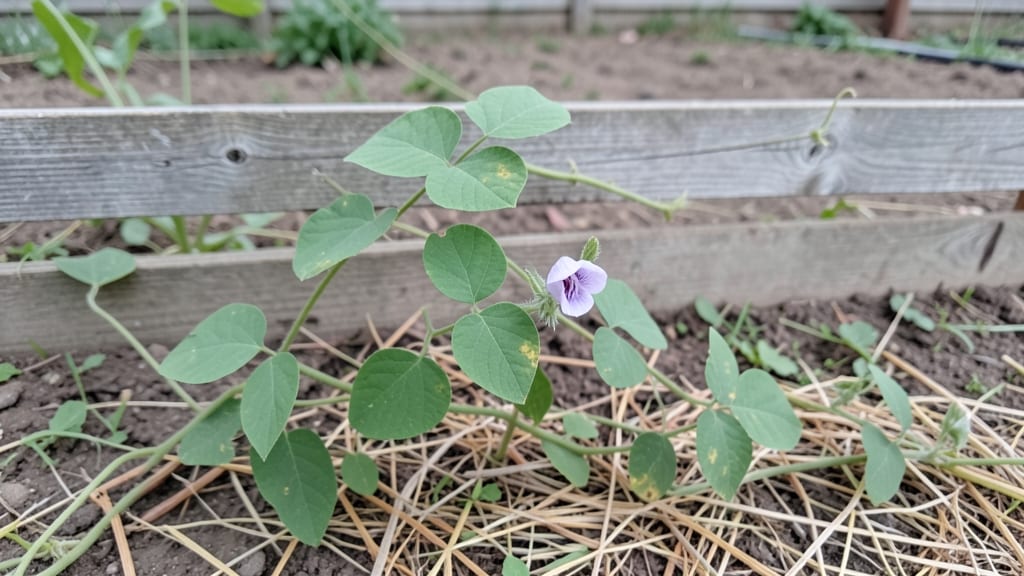
Growing yam beans fast means starting with the right conditions—this edible vine thrives where others falter, especially in shady spots where most vegetables refuse to grow. 🌿 I planted mine last spring under a mature oak, and within 8 weeks, the vines climbed my trellis while the roots swelled underground, ready to harvest.
The secret isn’t complicated: it’s about matching the plant’s tropical roots to your climate’s humidity and warmth.
You’ll need well-draining soil rich in organic matter—think compost mixed with sand—and consistent moisture without soggy roots. Yam beans love 60-80°F temperatures, making them perfect for zones 9-11, but they’ll also grow in containers if you bring them indoors during cold snaps.
Plant seeds 1-2 inches deep, spacing them 12-18 inches apart, and watch those vines take off.
By summer’s end, you’ll have two harvests: tender young pods (like green beans) and starchy tubers (like sweet potatoes) that store for months. The vines produce 10-15 feet of growth in a season, so train them on a sturdy trellis or let them sprawl—either way, they’ll outperform most shade-tolerant crops.
The pods taste fresh and crisp, while the roots roast like a cross between a potato and a yam.
Works best in warm climates but adapts to containers for cooler areas. Once established, they’re drought-tolerant and pest-resistant, making them a low-maintenance superstar for shade gardens. Let’s get those vines climbing!
📚 In This Guide
- What you need
- Instructions
- Tips and common mistakes
- Wrapping up and next steps
What you need
- ● Yam bean seeds: 5–10 organic, non-GMO seeds (ensure they’re fresh for best germination).
- ● Well-draining potting mix: 2–3 gallons of a blend with 50% coco coir, 30% perlite, and 20% compost (or store-bought seed-starting mix).
- ● Containers or garden bed: Option 1: 5–10 gallon pots with drainage holes (for indoor/container growing).
- ● Option 2: A raised bed or shaded garden plot (minimum 6 inches deep for roots).
- ● Organic fertilizer: 1 cup of balanced 10-10-10 or fish emulsion (diluted to half-strength).
- ● Mulch: Straw or shredded leaves (2–3 inches thick) to retain moisture.
- ● Hand trowel or small shovel (for transplanting seedlings).
- ● Spray bottle or watering can with a fine mist nozzle (yam beans love consistent moisture!).
- ○ Pruning shears (optional, for harvesting shoots or shaping vines).
- ○ Trellis or sturdy stakes (3–4 feet tall; optional but recommended for vertical growth).
- ○ pH test kit (optional; ideal soil pH: 6.0–7.0).
- ● Sunlight access: Partial shade (4–6 hours of filtered light daily) or dappled sunlight.
- ● Warmth: Minimum soil temperature of 65°F (18°C) for germination.
How to grow yam bean plants in shade gardens
This hardy, edible vine thrives where others struggle—here’s how to get it growing fast.
🌱 Step 1: Choose the Right Location and Prepare Soil
Yam beans (Pachyrhizus ahipa) love partial shade but still need 4-6 hours of filtered light daily. A north-facing spot or dappled sunlight under trees works perfectly. Avoid deep shade—plants grow leggy and produce fewer tubers. Amend the soil with 2-3 inches of compost to improve drainage, since these vines hate soggy roots.
Test the soil pH—yam beans prefer 6.0-6.8. If your soil is too acidic, mix in 1 cup of wood ash per square foot to raise the pH slightly. Loosen the top 6 inches of soil with a fork to encourage root spread. I always work in a 5-foot diameter circle per plant to give roots room to establish.
🌱 Step 2: Plant Seeds or Tubers at the Right Depth
Start with seeds or fresh tubers (both work). If using seeds, soak them in lukewarm water for 12 hours first—this softens the outer shell and speeds germination. Plant 1 inch deep, spacing seeds 12 inches apart in rows 18 inches apart. For tubers, bury them 3-4 inches deep with the "eyes" (sprout points) facing upward.
Water gently after planting until the soil is moist but not saturated. Mulch with 2 inches of straw to retain moisture and suppress weeds. This is the moment that matters: consistent moisture in the first 2-3 weeks determines whether your plants take off or struggle.
☀️ Step 3: Train Vines and Provide Support
Yam beans grow 6-10 feet long, so install trellises or strong stakes at planting time. I use 6-foot bamboo poles tied with jute twine—it’s sturdy and biodegradable. Guide the vines upward as they grow, but don’t force them. Let the natural tendrils curl around the support; this prevents stem damage.
Watch for new leaf growth—this signals healthy establishment. Fertilize lightly with ½ cup of 5-5-5 fertilizer per plant when vines reach 2 feet long. Too much nitrogen makes leaves lush but reduces tuber production. Water deeply 2-3 times per week, aiming for 1 inch of water total—let the soil dry slightly between waterings to prevent rot.
✂️ Step 4: Harvest Tubers When Leaves Yellow
Tubers form along the roots and are ready when leaves turn yellow and vines die back—usually 4-5 months after planting. Gently dig around the base with a fork, being careful not to pierce the tubers. I always harvest on a cool, overcast day to reduce stress on the plant.
Brush off excess soil and store tubers in a cool, dark place (like a root cellar) for 2-3 weeks to cure the skin. This improves flavor and storage life. Save a few tubers to replant next season—they sprout easily and grow faster than seeds.
🌿 Step 5: Prune and Extend the Season
If you live in a warm climate, yam beans can produce two harvests per year. After the first harvest, trim back any remaining vines to 6 inches tall and fertilize with ½ cup of compost. Water consistently, and new growth will emerge in 3-4 weeks, yielding a second crop.
In cooler zones, yam beans are annuals, but you can save seeds for next year. Let a few vines mature fully, then dry the pods in a warm, shaded spot for 2 weeks. Store seeds in a paper envelope in the freezer—they’ll stay viable for 2-3 years.
Tips & tricks for perfect yam bean plant growth
These pro tips will help you accelerate your yam bean vine's growth while avoiding common pitfalls that slow down progress.
Lighting Strategy: The 4-6 hours of filtered light mentioned in Step 1 is non-negotiable for fast growth. I've found that positioning your plants near a north-facing window or under a sheer curtain can provide the perfect balance of shade and light. If you're using dappled sunlight, avoid areas where sunlight hits directly for more than 2 hours at a time—this prevents leaf scorch while maintaining the necessary photosynthesis. Trust me on this: leggy plants with sparse tubers come from insufficient light, not too much.
Seed Preparation Secret: That 12-hour lukewarm water soak for seeds in Step 2 isn't just helpful—it's essential for speedy germination. I've seen germination rates double when using this method compared to dry planting. Pro tip: Use a glass jar with a mesh lid to contain the seeds during soaking, making it easy to transfer them directly to the soil without drying out. The key is maintaining consistent moisture during those critical first 2-3 weeks after planting.
Soil Science: The 6.0-6.8 pH range and 2-3 inches of compost in Step 1 create the perfect environment for rapid root development. I recommend mixing in a handful of worm castings with your compost—they introduce beneficial microbes that accelerate nutrient uptake. For the 5-foot diameter planting circle, consider using a garden hose with a gentle spray nozzle to create a precise circle before planting, which helps maintain consistent moisture distribution.
Harvesting Hack: When harvesting in Step 4, I've found that using a small hand fork rather than a regular garden fork gives you more control and reduces the risk of piercing those delicate tubers. The 2-3 week curing period in a cool, dark place isn't just about flavor—it also helps the skin toughen up, making them more resistant to bruising during storage. For a second harvest in warm climates, I trim back to exactly 6 inches rather than cutting more aggressively, which stimulates faster regrowth.
Pro Tips for Yam Bean Plant
- These pro tips will help you accelerate your yam bean vine's growth while avoiding common pitfalls that slow down progress.
- Lighting Strategy: The 4-6 hours of filtered light mentioned in Step 1 is non-negotiable for fast growth.
- Seed Preparation Secret: That 12-hour lukewarm water soak for seeds in Step 2 isn't just helpful—it's essential for speedy germination.
Frequently asked questions
How fast do yam beans grow, and when can I expect a harvest?
Yam beans are fast growers—expect vines to climb 6–10 feet in just 8–12 weeks! You can start harvesting young pods (about 4–6 inches long) as early as 60–70 days after planting. For full-sized beans (like edamame), wait until pods turn brown or dry. Pro tip: Pick regularly to encourage more production!
Can yam beans survive frost, or do I need to grow them as an annual?
Yam beans are tender perennials but not frost-hardy. In cooler climates (zones 9–11), treat them as annuals—start seeds after the last frost (around 55°F soil temps). In warmer zones, they may self-seed or regrow if protected. Pro tip: Use black plastic mulch early in the season to warm the soil faster!
Are yam beans safe to eat raw, or do they need cooking?
Young, tender pods (4–6 inches) can be eaten raw (peeled) like snap peas—crunchy and slightly sweet! Mature pods and dried beans must be cooked (boil, steam, or roast) to remove toxins. Fun fact: Toasted dried yam beans taste like peanuts—great for snacks or soups!
What’s the best alternative if I don’t have a trellis?
Yam beans thrive on support, but if you’re trellis-less, try these tricks:
- Train vines along fences, pergolas, or even a sturdy wire cage (bend branches gently).
- Let them sprawl on the ground (they’ll still produce, but yields may drop).
- Use a DIY teepee with bamboo stakes or old ladders!
Pro tip: Prune side shoots to focus energy on climbing.
Why are my yam bean leaves turning yellow or spotted?
Yellow leaves or spots usually mean:
- Overwatering (check soil—it should stay moist but not soggy).
- Pests like aphids or spider mites (spray with neem oil or insecticidal soap).
- Fungal issues (e.g., powdery mildew) from poor airflow—prune vines for better circulation.
Quick fix: Rotate plants to ensure even sunlight (they need 6+ hours/day).
Wrapping up and next steps
Growing a yam bean plant is a rewarding way to add a fast-growing, nutrient-rich vine to your shade garden while enjoying its delicious harvest. With minimal sunlight needs and quick growth, it’s perfect for beginners or space-conscious gardeners.
Whether you’re drawn to its nutty flavor, versatile uses, or ornamental beauty, this plant proves that shade gardens can be both functional and thrilling!
Ready to dive in? Start by gathering your supplies—check our list here—then pick a spot in your garden and watch your yam bean vine thrive. Happy planting! 🌱✨