
Vegetables
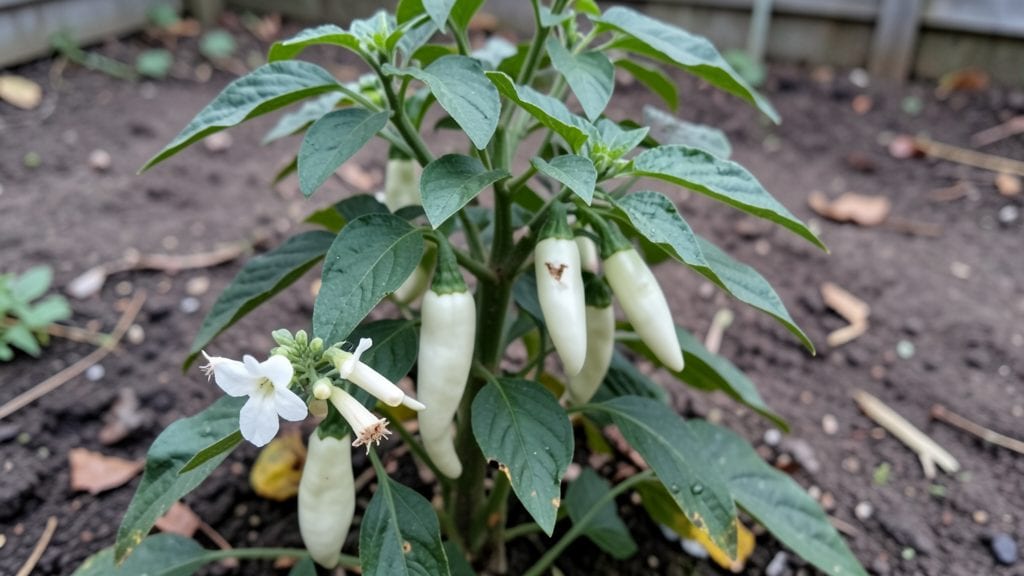
Growing a white chili pepper plant from seed to harvest in just 90 days feels like a race against time—but the payoff is worth it. 🌱 The first time I grew these pale, creamy peppers, I couldn’t believe how different they tasted from their red or green cousins, with a milder heat that lingers like a whisper.
These plants thrive in warm climates but can also adapt indoors with the right light, making them perfect for both gardeners with backyard space and those working with limited room.
You’ll need well-draining soil, a sunny spot (or grow lights), and patience for the first few weeks while seedlings establish.
White chili peppers prefer temperatures above 70°F, so if you’re in a cooler zone, start them indoors 6-8 weeks before the last frost and transplant after danger of frost has passed. The key is keeping the soil consistently moist but not soggy—these plants hate wet feet.
With the right setup, you’ll see those first pale buds forming around day 60, leading to harvest-ready peppers in just 90 days.
Once they start producing, you’ll notice the peppers turning white as they ripen—this is when they’re sweetest and most flavorful. A single healthy plant can yield 50-100 peppers, depending on growing conditions, and they store well in the fridge for up to 2 weeks.
The best part? You can dry them for future use, turning your harvest into a pantry staple. Whether you’re growing them for fresh eating, cooking, or preserving, these peppers are a game-changer for any garden.
If you’re growing indoors, a south-facing window or LED grow light is non-negotiable—these plants need 6-8 hours of direct light daily. For outdoor gardeners, succession planting every 2 weeks ensures a continuous harvest.
And here’s a pro tip: pinch off the first few flowers to encourage bushier growth and more peppers later. With a little attention, you’ll have a thriving white chili plant that keeps giving all season long.
📚 In This Guide
- What you need
- Instructions
- Tips and common mistakes
- Wrapping up and next steps
What you need
- ● Seeds: 5–10 high-quality Capsicum annuum (white chili pepper) seeds (e.g., 'White Habanero' or 'White Ghost').
- ● Seed-starting mix: 1–2 quarts of sterile, well-draining potting soil (e.g., Pro-Mix or FoxFarm Seedling Mix).
- ● Containers: 2–4 small seedling pots (3–4 inches wide) or a seed tray with individual cells.
- ● Grow lights or sunny window: A full-spectrum LED grow light (e.g., 12–15W bulb) or a south-facing window with 6+ hours of sunlight daily.
- ● Watering can or spray bottle: With a fine nozzle for gentle hydration.
- ● Fertilizer: Balanced liquid fertilizer (5-5-5 or 10-10-10) or organic options like fish emulsion or compost tea.
- ● Transplant pots: 1–2 larger containers (5–7 gallons each) or garden space with well-draining soil (pH 6.0–7.0).
- ● Pruning shears: Sharp, sterilized scissors for trimming (e.g., Felco F-2).
- ○ Support stakes or cages: 3–4 ft tall for vining varieties (optional but helpful).
- ● Mulch: Straw or shredded leaves to retain moisture (1–2 inches).
- ○ Heat mat (optional): For cooler climates to keep soil at 70–85°F during germination.
- ● Pest control: Neem oil or insecticidal soap (for aphids/spider mites).
Step-by-Step instructions for growing white chili peppers
Here’s how to coax vibrant white chili peppers from seed to harvest in just three months.
🌱 Step 1: Start Seeds Indoors 8-10 Weeks Before Last Frost
Fill seed trays with 2-3 inches of moistened seed-starting mix. Press lightly to remove air pockets, then plant 2-3 seeds per cell at a depth of ¼ inch. Cover with a fine layer of mix and mist gently until evenly damp. White chili seeds germinate best at 75-85°F, so use a seedling heat mat if your home runs cooler.
Place trays under a grow light 12-14 hours daily, keeping it 2-3 inches above seedlings. You’ll see sprouts in 7-14 days—watch for the first true leaves (not the initial cotyledons) to appear before thinning. Once seedlings reach 2 inches tall, snip the weakest one, leaving the strongest plant per cell.
☀️ Step 2: Harden Off and Transplant After All Frost Risk Passes
Two weeks before transplanting, move seedlings outdoors for 1-2 hours daily in a sheltered spot. Gradually increase exposure over 7-10 days until they tolerate full sun. Hardening off prevents shock—you’ll notice leaves toughening and stems thickening as they adjust.
Choose a sunny spot with 6+ hours of direct sun and well-draining soil. Plant seedlings 12-18 inches apart in rows 24 inches apart to allow airflow. Bury stems slightly deeper than in containers to encourage root growth. Water deeply at transplanting to settle soil around roots.
💧 Step 3: Water Deeply and Fertilize for Strong Growth
Water white chili plants at the base 1 inch per week, letting soil dry slightly between waterings. Overhead watering can spread disease, so aim for the soil. You’ll know moisture is right when the top 1-2 inches feel dry to touch but deeper soil stays damp.
Feed plants every 4-6 weeks with a balanced fertilizer (10-10-10) mixed at half-strength. White chilis thrive with 1-2 tablespoons per plant of compost worked into the soil at planting. Avoid nitrogen-heavy fertilizers—they promote leafy growth at the expense of peppers.
✂️ Step 4: Prune and Support for Maximum Yield
When plants reach 18 inches tall, pinch off the first flowers to encourage bushier growth. This redirects energy to stronger stems and more branches. You’ll see new side shoots forming within 10-14 days, each capable of producing peppers.
Install cages or stakes at planting to support heavy pepper loads. Tie main stems loosely to stakes with soft plant ties as they grow. Prune suckers (shoots growing between main stem and branches) to focus energy on fruit production. Harvest peppers when they turn white and reach 2-3 inches long for best flavor.
🌿 Step 5: Harvest and Extend the Season
Pick peppers in the morning when flavors peak. Use pruning shears to cut stems ¼ inch above the fruit to avoid damaging the plant. You’ll get 4-6 harvests per plant if you remove peppers promptly—they’ll ripen faster if left on the plant.
To prolong harvest, cover plants with frost cloth when night temps drop below 50°F. White chilis stop producing in cool weather, so bring pots indoors or use row covers to maintain warmth. Store harvested peppers in a cool, dark place for 2-3 weeks to dry completely before using.
Tips & tricks for growing white chili peppers
Between us, these little tricks will help you avoid the most common pitfalls when growing white chili peppers—especially if you're new to pepper cultivation.
The Heat Factor: That 75-85°F germination temperature range in Step 1 is non-negotiable. If your home stays cooler, invest in a seedling heat mat—it's the difference between 90% germination and 20%. I've seen seeds fail completely when kept too cool, so don't skip this if your basement runs chilly.
Timing Secret: In Step 2, when hardening off, I like to start with just 1 hour on the first day rather than the full 1-2 hours immediately. This gives seedlings time to adjust gradually. Watch for wilting—if leaves droop after the first session, they're not ready for more sun yet.
Pruning Strategy: The 10-14 days wait for new side shoots after pinching in Step 4 can feel like forever, but patience pays off. I mark my calendar when I pinch flowers so I remember to check for new growth. If you're impatient, you can gently tug at the stem where you pinched—you'll often feel tiny new buds forming before they're visible.
Frost Protection: When night temps drop below 50°F in Step 5, don't wait until the last minute to cover plants. I keep frost cloth ready in a bin near my garden tools so I can act fast. Even a light frost can damage peppers, and recovery isn't guaranteed once damage occurs.
Pro Tips for White Chili Pepper Plant
- Between us, these little tricks will help you avoid the most common pitfalls when growing white chili peppers—especially if you're new to pepper cultivation.
- The Heat Factor: That 75-85°F germination temperature range in Step 1 is non-negotiable.
- Timing Secret: In Step 2, when hardening off, I like to start with just 1 hour on the first day rather than the full 1-2 hours immediately.
Frequently asked questions
How long does it take for a white chili pepper plant to produce fruit?
A white chili pepper plant typically takes 90–120 days from transplanting to harvest, depending on the variety and growing conditions. Early-season types may yield peppers as soon as 70 days, while larger or slower-maturing varieties could take closer to 150 days. Patience is key—consistent warmth, sunlight, and proper care speed up the process!
What’s the ideal temperature for growing white chili peppers?
White chili peppers thrive in warmth, with daytime temperatures between 70–90°F (21–32°C) and nighttime temps above 55°F (13°C). They’re sensitive to frost—never let temps drop below 50°F (10°C)—or they’ll bolt or produce bitter peppers. If you’re in a cooler climate, start seeds indoors 8–10 weeks before the last frost and use row covers or greenhouses for protection.
Can I grow white chili peppers in containers, and what size pot do I need?
White chili peppers adapt well to containers, but choose a pot at least 12–18 inches deep and wide to accommodate their root system. Ensure the container has drainage holes and use a lightweight, well-draining potting mix. Place the pot in a sunny spot (6+ hours of sunlight daily) and fertilize every 2–3 weeks with a balanced, organic fertilizer for best results.
What pests or diseases should I watch out for with white chili pepper plants?
Common pests include aphids, spider mites, and whiteflies, while diseases like powdery mildew or bacterial spot can threaten your plants. Prevent issues by:
- Inspect leaves regularly for signs of pests or discoloration.
- Avoid overhead watering to reduce humidity-related diseases.
- Use neem oil or insecticidal soap as a natural remedy for pests.
- Rotate crops annually to prevent soil-borne diseases.
Are there any alternatives if my white chili peppers don’t thrive?
If your white chili peppers struggle in your climate, consider these similar, low-maintenance alternatives:
- White habanero – Spicier but faster-growing (70–90 days).
- Ghost pepper (Bhut Jolokia) – Thrives in heat but requires extra care.
- White banana pepper – Mild, prolific, and great for beginners.
- Cayenne or jalapeño – Hardy and versatile for cooking.
Wrapping up and next steps
Growing a white chili pepper plant from seed is a rewarding journey that brings bold flavor and vibrant greenery to your garden—or even your kitchen windowsill! 🌱 With the right conditions, patience, and care, you’ll enjoy fresh peppers in just 90 days, ready to spice up your favorite dishes.
Whether you’re a seasoned gardener or a curious beginner, this guide makes it simple to cultivate your own heat and harvest.
Now that you’re armed with knowledge, why not take the next step? Grab those seeds, prep your pots, and start growing—your taste buds (and dinner guests) will thank you! 🌶️✨