Flowers
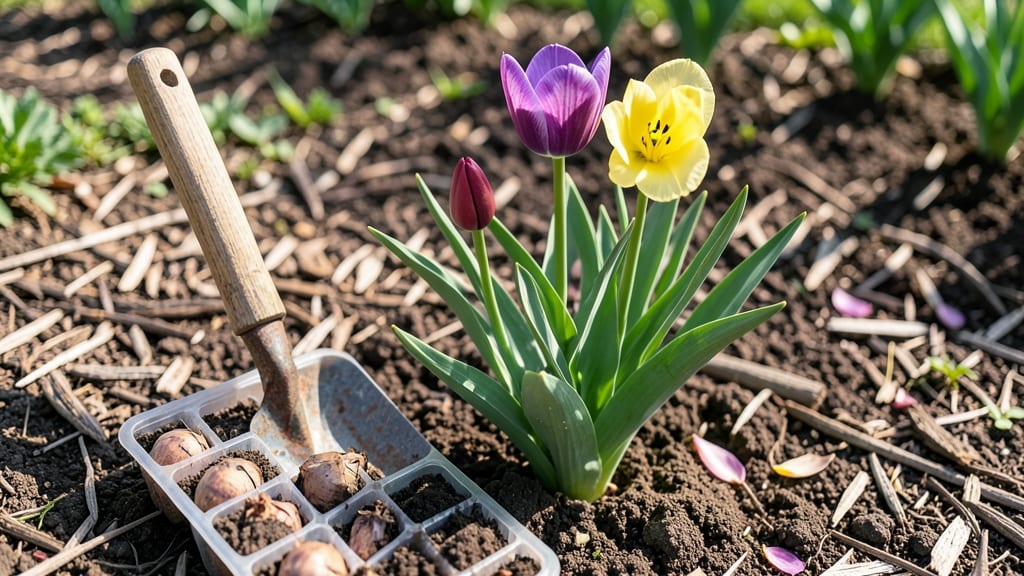
Planting flowers in Philadelphia at the right time means the difference between a garden bursting with color and one that fizzles out by summer.
Here’s the catch: Philadelphia’s unpredictable spring can turn a well-intentioned planting into a frost-damaged mess if you’re not careful. With last frost dates hovering around April 15 and USDA Zone 7a conditions, timing isn’t just a suggestion—it’s the secret to longer blooms and healthier plants.
Whether you’re dreaming of petunias spilling over containers or coneflowers thriving in your backyard, the key is knowing when to tuck bulbs into the soil, when to pop annuals into the ground, and how to adjust for Philadelphia’s humidity and heatwaves.
Get it wrong, and you’ll spend the season playing catch-up.
Below, I’ll break down the exact months to plant for peak blooms, plus the top flowers that thrive here—and how to avoid the mistakes that even experienced gardeners make.
Philadelphia flower planting calendar by type: annuals, perennials, and bulbs
Timing your flower plantings in Philadelphia’s Zone 6b climate means balancing last frost dates (around April 15) with soil temperatures that warm up by May 15.
Cool-season flowers like pansies thrive when planted in early spring, while heat-loving dahlias need to wait until after Memorial Day for optimal growth. The key is matching each flower type to its ideal window—whether it’s fall-planted bulbs or summer annuals that bloom until frost.
Philadelphia’s humidity and summer heatwaves also play a role. For example, marigolds and zinnias can handle the heat, but delphiniums may need afternoon shade to prevent wilting.
Below, I’ve broken down the best months for planting annuals, perennials, and bulbs, along with soil prep tips to ensure your garden thrives all season.
🌱 Pro Tip: Always check soil temperature with a soil thermometer—aim for 60°F+ for warm-season flowers like petunias and geraniums.
| Plant Type | Best Planting Months | Soil Temp Requirement | Bloom Period | Notes |
|---|---|---|---|---|
| Annuals (Cool-Season) | March–April, September | 45–60°F | Spring/Fall | Pansies, Snapdragons, Sweet Alyssum |
| Annuals (Warm-Season) | May–June, August | 60°F+ | Summer–Frost | Marigolds, Zinnias, Petunias |
| Perennials | April–May | 50–60°F | Spring–Fall | Coneflowers, Daylilies, Black-Eyed Susans |
| Spring-Blooming Bulbs | October–November | 50–60°F | April–May | Tulips, Daffodils, Hyacinths |
| Summer-Blooming Bulbs | April–May | 55–65°F | July–August | Dahlias, Crocosmia, Alliums |
| Fall-Planted Bulbs | September–October | 60°F+ | Spring | Crocus, Snowdrops, Muscari |
For annuals, my rule of thumb is to plant cool-season varieties like pansies and snapdragons in March—they’ll bloom until May before the heat sets in.
Then, switch to warm-season annuals such as marigolds and zinnias after Memorial Day (around May 25) when soil temperatures consistently stay above 60°F. These heat-lovers will keep your garden vibrant until first frost in November.
When it comes to perennials, timing is equally critical. Most, like coneflowers and daylilies, should go into the ground in April or early May after the last frost.
This gives their roots time to establish before the summer heat kicks in. Dividing perennials like hostas or peonies is best done in early spring
How to adjust planting times for Philadelphia’s microclimates
If your neighbor’s petunias thrive while your marigolds wilt, blame Philadelphia’s sneaky microclimates. The city’s urban heat islands—like Center City’s concrete jungle—can push last frost dates back by 2–4 weeks compared to suburban areas like Chestnut Hill.
Even a 5-degree temperature shift alters planting windows, so don’t rely on generic Zone 6b guidelines.
Start by noting local cues like cherry blossoms (typically bloom mid-April) or daffodils in full bloom—these signal safe soil temps for cool-season flowers. In windy spots near the Schuylkill River, delay tender annuals until May 15 to avoid transplant shock.
Meanwhile, heat-tolerant varieties like lantana or zinnia can handle Center City’s 90°F+ pockets by early June.
Soil also plays a role: Clay-heavy areas in South Philly stay cold longer, while sandy soils in West Philly warm faster. Test your soil temperature with a soil thermometer—aim for 60°F for warm-season plants.
My Center City garden hits this by May 10, but my friend’s suburban plot waits until May 25.
Microclimate
Key Features
Adjust Planting By
Example Plants
Center City
Urban heat island, concrete surfaces, limited wind
2 weeks earlier for spring; 1 week later for fall
Lantana, Geraniums, Vinca
West Philly
Sandy soil, warmer, more sun
1 week earlier for spring; same for fall
Zinnias, Sunflowers, Cosmos
South Philly
Clay soil, cooler, windy
2 weeks later for spring; 1 week earlier for fall
Coneflowers, Black-Eyed Susans, Peonies
Suburbs (e.g., Chestnut Hill)
Loamy soil, moderate temps, less urban heat
Follow standard Zone 6b dates
Tulips, Dahlias, Roses
For bulbs like tulips, plant in November—but adjust for soil freeze. In Center City, where heat lingers, wait until December 1 to avoid premature sprouting. In windy North Philly, add mulch to protect perennials like daylilies from late frosts.
My rule of thumb: If your neighborhood’s last frost is April 20, plant cool-season flowers by March 15.
Use shade cloth in heat islands to extend the season for heat-sensitive flowers like impatiens. In windy zones, choose compact varieties or stake tall flowers early.
For fall planting, aim for August 15 in suburbs but delay to September 1 in Center City—the urban heat delays first frost.
Track your local adjustments yearly with a gardening journal. Note when cherry blossoms peak, when soil reaches 60°F, and which flowers thrive in your spot. Over time, you’ll create a custom planting schedule that beats Philadelphia’s climate quirks every season. 🌸