Flowers
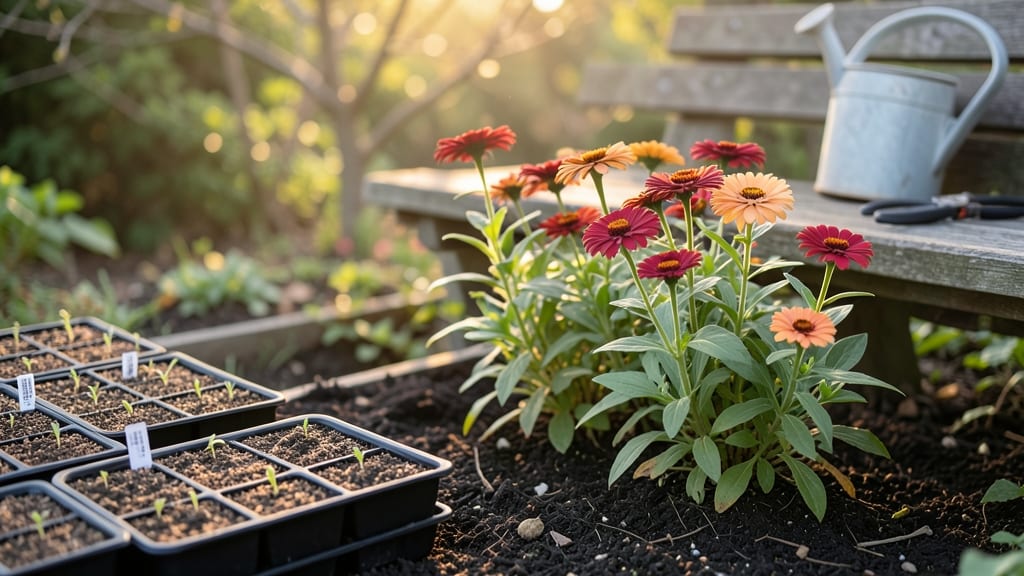
Succession planting flowers turns your garden into a nonstop parade of color instead of a few flashy bursts. 🌸 I used to dread summer wilt—those sad, brown patches where spring blooms had already called it quits.
Now my flower beds stay vibrant from May through October, with no gaps, no regrets, and zero extra work.
The trick is simple: plant fast-growing annuals in waves, then follow them with longer-blooming varieties. Think zinnias for early summer heat, then cosmos for late-season color, and snapdragons in between. You’ll need a mix of seeds and starter plants, but the payoff is a garden that never looks tired.
Even my black thumb can pull this off with the right timing chart.
By the end of your first season, you’ll have a system that keeps blooms coming without constant deadheading. The key is overlapping bloom times—when one variety fades, another takes over.
Imagine sunflowers giving way to marigolds, then to asters as fall approaches. It’s like a floral relay race, and your yard is the track.
Works for containers, borders, or full sun beds—just adjust the timing for your zone. Start with 3-4 varieties and build from there. Here’s how to map it out without the overwhelm.
📚 In This Guide
- What you need
- Instructions
- Tips and common mistakes
- Wrapping up and next steps
What you need
- ● Flower seeds or seedlings: Choose fast-growing annuals (e.g., zinnias, marigolds, cosmos) and biennials (e.g., sweet william, snapdragons) for staggered planting.
- ● Quantity: 2–3x more seeds than your initial planting to account for gaps and thinning.
- ● Well-draining garden soil: Amend with 2–3 inches of compost or aged manure before planting.
- ● Garden gloves: A sturdy pair to protect your hands from thorns and soil.
- ● Hand trowel or transplanting spade: For digging small holes (6" deep) or relocating seedlings.
- ● Watering can or hose with a gentle spray nozzle: Deep watering (1–1.5 inches per week) is key, especially after planting.
- ○ Row covers or shade cloth (optional but helpful): Protects young seedlings from pests or harsh sun.
- ● Plant labels: Use biodegradable labels to track varieties and planting dates.
- ● Fertilizer: A balanced, slow-release granular fertilizer (10-10-10 ratio) or organic options like fish emulsion.
- ● Seedling trays or biodegradable pots: For starting seeds indoors 4–6 weeks before the last frost date.
- ● Mulch (straw or shredded leaves): Helps retain moisture and suppress weeds—1–2 inches thick is ideal.
- ● Planting calendar or garden journal: Track bloom times and succession schedules to avoid gaps.
- ● Knee pads: Because let’s be real—gardening gets knees-down messy!
- ● Decorative edging or stepping stones: For a polished look (and to keep pathways tidy).
Step-by-Step guide to succession planting flowers
Here’s how to stretch your garden’s beauty from spring through fall—no bare spots, just seamless color.
🌱 Step 1: Plan Your Flower Groups by Bloom Time
Start by grouping flowers by their natural bloom cycles: early spring, mid-season, and late summer/fall. I like to divide my garden into four 12-inch squares (since this creates four distinct planting zones). For example, plant sweet alyssum and pansies first—they thrive in cooler weather and bloom early. Then, mark where you’ll add marigolds and zinnia later for summer color. This ensures each group has room to grow without crowding.
Check seed packets for days to maturity—this tells you exactly when each flower will peak. For instance, if your cosmos take 60 days to bloom, plant them 60 days before your first frost date. This timing guarantees continuous flowers as one group fades and another takes over.
☀️ Step 2: Prepare the Soil and First Planting
Loosen the soil in your designated 12-inch squares to a depth of 6 inches, breaking up any clumps. Mix in 2 cups of compost per square to give your flowers a nutrient boost. I like to add a slow-release fertilizer (like 5-10-5) at this stage—it feeds roots over time without burning tender seedlings.
Plant your earliest bloomers, like pansies or snapdragons, about 1 inch deep and 6 inches apart. Water gently but thoroughly until the soil is moist 2 inches down. Avoid overwatering—succession planting relies on consistent moisture, but soggy soil invites rot. Mulch with 1 inch of straw to retain moisture and suppress weeds.
⏰ Step 3: Schedule Follow-Up Plantings Every 3-4 Weeks
Set a reminder to plant your next group of flowers every 3-4 weeks after the first planting. This keeps the garden full without overcrowding. For example, after your pansies start to fade (around 6-8 weeks), replace them with marigolds or sunflowers. These will bloom just as the first flowers finish.
Use a small garden flag or stake to mark each new planting date in the soil. This helps you track which flowers are due for replacement. If you’re using seeds, plant them ½ inch deep unless the packet says otherwise. For transplants, dig holes just deep enough to cover the root ball.
💧 Step 4: Monitor Water and Deadhead Regularly
Water deeply 2-3 times per week, aiming for 1 inch of water per week. Succession planting means you’ll have different flowers at various growth stages, so check the soil 1 inch down—if it’s dry, it’s time to water. Early morning is best to prevent fungal diseases from overnight moisture.
Deadhead spent blooms weekly to encourage new flowers and extend each plant’s lifespan. For example, pinch off faded zinnias to redirect energy into fresh blooms. This small habit makes all the difference in keeping your garden vibrant longer.
✂️ Step 5: Rotate and Refresh for Fall Color
By late summer, your summer annuals like zinnias and cosmos may start to decline. This is your cue to plant fall-blooming flowers like mums or asters. These thrive in cooler weather and add a final splash of color before frost. Space them 8-12 inches apart to give them room to fill out.
Remove any diseased or struggling plants immediately—don’t let them compete with your fresh succession bloomers. A quick cleanup keeps the garden healthy and makes room for next year’s early plantings. Save seeds from your favorite flowers for next season!
Tips & tricks for perfect succession planting
Here’s what I’ve learned after years of gardening—these tricks will help you avoid common pitfalls and keep your flower garden looking stunning all season long.
Plan for Overlap: In Step 1, when grouping flowers by bloom time, design your planting zones so that each new group blooms just as the previous one starts to fade. For example, if your pansies take about 6-8 weeks to bloom, choose marigolds that bloom in 7-9 weeks to create a seamless transition. This overlap ensures you never have bare spots—just vibrant color from one group to the next.
Soil Prep Secret: Before planting in Step 2, consider adding a layer of worm castings (optional) to your 12-inch squares along with the 2 cups of compost. Worm castings improve soil structure and provide gentle, continuous nutrients that help flowers thrive. If you don’t have them, just stick with the compost—they’re both excellent choices!
Marking System: In Step 3, when scheduling follow-up plantings every 3-4 weeks, use colorful garden flags or even painted sticks to mark each planting zone. Write the date and flower type on each marker so you can easily track which flowers are due for replacement. This visual reminder prevents gaps and keeps your garden organized.
Watering Wisdom: In Step 4, when watering deeply 2-3 times per week, use a rain gauge or tuna can to measure exactly 1 inch of water. This ensures consistent moisture without overwatering. Early morning watering (as suggested) also helps prevent fungal diseases, which can ruin your beautiful blooms before they even open.
Pro Tips for Succession Planting Flowers
- Here’s what I’ve learned after years of gardening—these tricks will help you avoid common pitfalls and keep your flow...
- Plan for Overlap: In Step 1, when grouping flowers by bloom time, design your planting zones so that each new group b...
- Soil Prep Secret: Before planting in Step 2, consider adding a layer of worm castings (optional) to your 12-inch squa...
Frequently asked questions
Got questions about keeping your flower beds blooming all season?
Here are answers to the most common queries about succession planting flowers—so you can enjoy nonstop color without the guesswork!
What does "succession planting" mean for flowers?
Succession planting means strategically planting flowers in waves—removing spent blooms or harvesting seeds while replacing them with new varieties. This creates a seamless, continuous display instead of clumps of color followed by bare soil. Think of it like a flower relay race!
When is the best time to start succession planting flowers?
Timing depends on your climate, but most gardeners begin in early spring (after the last frost) and continue every 4–6 weeks. For warm-season flowers (like zinnias or marigolds), start after soil temps hit 60°F. Cool-season blooms (like pansies) can go in as early as 4–6 weeks before the first frost. Pro tip: Check seed packets for specific guidelines!
Can I succession plant flowers from seeds or should I use transplants?
Both work! Seeds are budget-friendly and fun, but transplants give you instant blooms (great for filling gaps quickly). Fast-growing annuals (like cosmos or sunflowers) thrive from seed, while slower starters (like petunias) may need transplants. Mix both for a head start—plant transplants first, then seeds later for a staggered effect.
How do I prevent pests or diseases when planting in phases?
Rotate flower families (like avoiding too many nightshades in one spot) to disrupt pest cycles. Space plants properly for airflow, and remove diseased foliage immediately. Quick fix: Interplant with pest-repelling flowers like marigolds or nasturtiums—they’re like tiny bodyguards for your blooms!
What are some easy, beginner-friendly flowers for succession planting?
Start with these low-maintenance winners:
- Zinnias – Fast-growing, vibrant, and loved by pollinators.
- Marigolds – Pest-resistant and great for cutting.
- Sunflowers – Dramatic and perfect for height variety.
- Cosmos – Drought-tolerant and self-seeding.
- Pansies/Violas – Cold-hardy and bloom all season.
Mix heights and colors for a dynamic look!
Wrapping up and next steps
Succession planting flowers isn’t just a gardening trick—it’s your secret weapon for a nonstop parade of color and life in your garden! By timing plantings strategically, you’ll banish those frustrating bare patches and enjoy blooms from spring to frost.
Whether you’re a seasoned gardener or just starting, this method makes flower care feel effortless—and the results? Stunning.
Ready to put it into action? Start small—pick one flower type (like marigolds or zinnias) and experiment with a staggered planting schedule. Before you know it, you’ll be the neighbor everyone admires for that magical, ever-changing garden! 🌸🌼