
Planting
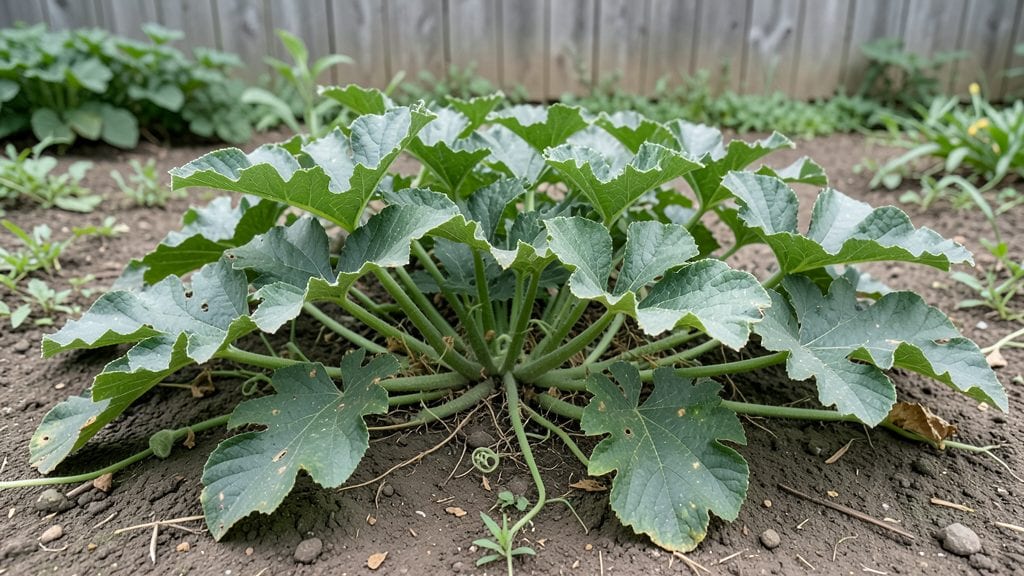
The watermelon plant roots 🍉 are the hidden powerhouse behind those sprawling vines and sweet harvests—digging deep to anchor strength and pull nutrients from the soil.
Did you know watermelon vines can stretch over 20 feet—but their roots dig just as deep, shaping the plant’s ability to thrive? Understanding how these roots grow is the key to avoiding floppy vines and poor fruit production.
In USDA Zone 6a, where planting season kicks off around April 15, root health starts with the right soil conditions. Too shallow, and your melons won’t reach their full potential; too deep, and you risk waterlogging.
Below, I’ll break down how deep watermelon roots grow, the ideal soil setup, and simple care tips to keep them strong—so you can enjoy a bountiful harvest from July to September.


How deep do watermelon plant roots grow and why it matters
Watermelon plants develop a robust root system that anchors their sprawling vines while accessing vital nutrients and water. Their primary roots grow 12–24 inches deep, while secondary roots spread 3–6 feet wide—creating an extensive network that supports heavy fruit loads.
This deep-rooted structure isn’t just impressive; it’s essential for fruit development and plant resilience during drought.
The depth of watermelon roots directly impacts vine strength and fruit production. Shallow roots struggle to support sprawling vines, leading to weak stems and poor fruit set. Meanwhile, deep roots access moisture and nutrients from lower soil layers, ensuring consistent growth even during dry spells.
Understanding this system helps gardeners optimize planting techniques and soil conditions for maximum yields.
Soil type plays a crucial role in root development. Sandy soils allow roots to penetrate deeper, while clay-heavy soils can restrict growth, forcing roots to stay shallow. In loamy soils, roots thrive due to balanced drainage and aeration.
Climate also matters—hot, dry regions demand deeper root systems to survive, whereas cooler climates may see slightly shallower but wider-spreading roots.
Here’s how root depth affects watermelon growth at different stages:
- Seedlings: Roots grow rapidly, reaching 6–12 inches in 2–3 weeks.
- Vining stage: Primary roots extend deeper while secondary roots spread outward.
- Fruiting stage: A well-developed root system supports 30+ pound fruits without toppling.
Proper planting depth is critical—burying seeds 1 inch deep ensures roots have space to grow downward. Over-planting can suffocate roots, while planting too shallow leads to weak vines. Always aim for well-draining soil to prevent root rot, a common issue that stunts growth and reduces yields.
Environmental factors like temperature and moisture also shape root development. Watermelons thrive in warm soils (70°F+), where roots grow aggressively. Cool soils slow root growth, delaying vine establishment. Mulching helps maintain soil temperature and moisture, encouraging deeper root penetration.
Did you know? Watermelon roots can live for years if the plant overwinters in mild climates. This persistence allows established roots to support faster growth in subsequent seasons, making soil preparation in the first year especially important.
🌱 summary table
| Root Feature | Specification | Impact on Plant |
|---|---|---|
| Primary Root Depth | 12–24 inches | Anchors vines, accesses deep moisture |
| Secondary Root Spread | 3–6 feet wide | Maximizes nutrient absorption |
| Soil Preference | Loamy, well-draining | Prevents root rot, encourages depth |
| Optimal pH | 6.0–7.0 | Enhances nutrient uptake |
| Climate Needs | Warm (70°F+ soil) | Stimulates aggressive root growth |
| Planting Depth | 1 inch below soil | Allows roots to expand downward |
Shallow roots often signal poor soil conditions or overcrowding. If your watermelon vines look weak, check for:
- Compacted soil (restricts root growth)
- Insufficient organic matter (limits nutrient availability)
- Overwatering (causes root suffocation)
To encourage deep root growth, amend soil with compost or aged manure before planting. This improves soil structure, allowing roots to penetrate easily. Avoid heavy fertilizers early in the season—they can burn young roots and stunt development. Instead, focus on balanced nutrition as vines mature.
🌿 Healthy roots aren’t just about depth—they’re about resilience. A well-developed root system helps watermelons withstand drought stress, temperature fluctuations, and even mild pests. By prioritizing root health, you’re setting the stage for larger fruits and a more productive harvest.
Best soil conditions and care for Healthy watermelon roots
Healthy watermelon roots are the foundation of strong vines and sweet, plump fruit. These roots thrive in loose, well-draining soil rich in organic matter, allowing them to spread 12–24 inches deep and 3–6 feet wide.
The right soil conditions prevent root rot and ensure your plants access the water and nutrients they crave during their 75–90-day growing season. I’ve learned that even small adjustments—like proper pH levels or mulching techniques—can transform weak roots into a powerhouse system.
Watermelons prefer a slightly acidic to neutral soil pH between 6.0 and 7.0. Testing your soil before planting is a game-changer—I once had stunted vines because my soil was too alkaline.
Amending it with compost or sulfur brought the pH into the ideal range, and my harvest doubled in size. Pair this with 3–4 inches of organic compost mixed into the top 12 inches of soil, and you’ll give those roots the perfect environment to thrive.
- Poor drainage causes root rot—watermelons hate soggy feet!
- Compacted soil restricts root growth, leading to shallow roots and weak vines.
- Overwatering at night invites fungal diseases like Fusarium wilt.
Proper irrigation practices are just as critical as soil prep. Watermelon roots need consistent moisture, especially during flowering and fruiting stages, but they despise waterlogged conditions. I water deeply once every 3–5 days, soaking the soil to 12 inches down.
Drip irrigation or soaker hoses are my go-to because they deliver water directly to the roots while keeping foliage dry—this cuts down on pests and diseases dramatically.
Mulching is another secret weapon for root health. A 3–4 inch layer of straw or wood chips around your plants conserves moisture, regulates soil temperature, and suppresses weeds. I’ve noticed that mulched plants develop stronger, deeper roots because they don’t waste energy competing with weeds.
Plus, it reduces soil erosion and keeps those roots cool during scorching summer days.
Spacing your watermelons correctly also supports root growth. Give each plant 3–6 feet of space in rows 5–6 feet apart—this prevents root competition and allows vines to spread naturally.
In containers, choose large pots (at least 20 gallons) with drainage holes, and prune roots gently if they outgrow the space. I’ve had success with container-grown watermelons using dwarf varieties, but even then, root depth is key.
Monitor your roots for signs of stress, like yellowing leaves (often a sign of nutrient deficiency) or wilting despite moist soil (could indicate root rot). If you spot issues early, adjust your watering or amend the soil with kelp meal or bone meal for a quick nutrient boost.
Healthy roots mean healthier plants—and that’s when you’ll grow those juicy, vine-ripened watermelons you’ve been dreaming of!