
Planting
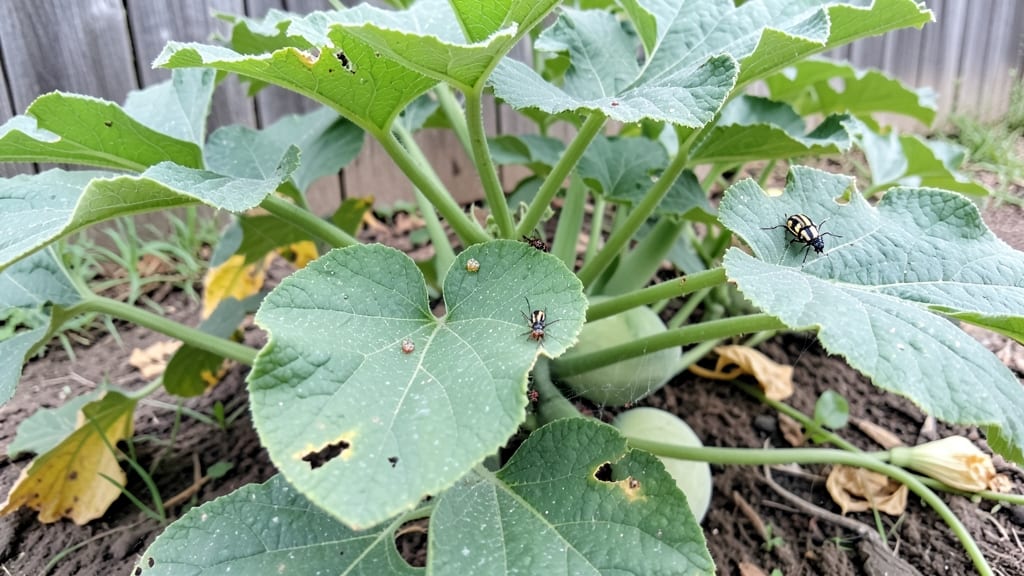
Even the hardiest watermelon plants can fall prey to pests like cucumber beetles and spider mites, leaving your vines in tatters before harvest—until you try these organic fixes that really work. 🌱 I’ve lost entire patches to these pests—until I learned the organic tricks that actually work without harsh chemicals.
The key is acting fast when you spot the first signs: tiny holes in leaves, webbing, or those little black beetles munching away.
Most gardeners grab the nearest spray, but that’s not the only way. I’ve found that neem oil and kaolin clay stop beetles in their tracks, while hose blasts knock off spider mites before they take over.
The secret isn’t just the spray—it’s companion planting with marigolds or radishes to confuse pests and row covers to block them early. These methods keep vines healthy without harming bees or your soil.
You’ll notice the difference within a week: fewer holes, no webbing, and plants that keep growing instead of wilting. The best part? These solutions work for squash, cucumbers, and melons too.
I’ll show you exactly when to apply treatments and which pests need immediate action—because once they spread, it’s too late for quick fixes.
Even if you’ve had pest problems before, this system works for first-time gardeners and seasoned growers alike. The tools you need are simple, and the payoff is juicy, pest-free watermelons by summer’s end. Let’s get your vines back on track.
Root Causes Of Watermelon Pest Attacks
Watermelon plants face a relentless onslaught from pests due to a mix of environmental, biological, and agricultural factors. Understanding these root causes helps gardeners take proactive steps to protect their crops. Here’s why pests target watermelon plants—and how these conditions create the perfect storm for infestations.
Pests thrive when watermelon plants are stressed or weakened. A healthy plant with strong defenses is far less appealing to insects and diseases. Here’s why poor plant health opens the door to pests:
- Nutrient Deficiencies: Lack of essential nutrients (like nitrogen, phosphorus, or potassium) weakens vines, making them more susceptible to aphids, spider mites, and fungal infections. Example: Yellowing leaves (a sign of nitrogen deficiency) attract aphids, which feed on sap and spread viruses.
- Water Stress: Overwatering or drought creates ideal conditions for pests. Overwatering promotes fungal diseases (like powdery mildew) and softens plant tissue, making it easier for chewing insects (e.g., cucumber beetles) to damage stems. Drought stress weakens roots, inviting root-knot nematodes and other soil-borne pests.
- Poor Air Circulation: Dense foliage or overcrowded plants trap moisture, creating humid microclimates that encourage fungal pests (e.g., downy mildew) and soft-bodied insects like whiteflies.
💡 Pro Tip: Conduct a soil test before planting to ensure your watermelons get the right nutrients. Mulch with straw or grass clippings to retain moisture without creating soggy conditions.
Pests follow the weather—and watermelon plants are no exception. Temperature, humidity, and seasonal changes directly influence pest activity. Here’s how:
| Factor | Pest Response | Why It Happens |
|---|---|---|
| High Heat (85°F+) | Aphids, spider mites, and cucumber beetles multiply rapidly. | Heat accelerates insect metabolism, increasing reproduction rates. Drought-stressed plants also produce more sugary sap, attracting pests. |
| Humidity (70%+) | Fungal diseases (e.g., powdery mildew) and soft-bodied pests (whiteflies, thrips) thrive. | Moisture on leaves creates a breeding ground for fungi and attracts insects seeking damp environments. |
| Cool Nights (Below 60°F) | Root-knot nematodes and slugs become more active. | Cooler soil temperatures slow plant growth, making roots easier targets for nematodes. Slugs seek shelter in dense mulch or low-lying foliage. |
| Rainy Seasons | Flea beetles, slugs, and fungal spores spread quickly. | Excess moisture softens plant tissue and washes away natural predators (like ground beetles), leaving pests unchecked. |
🌡️ Actionable Fix: Monitor local weather forecasts and use shade cloth during heatwaves to reduce stress. Prune plants for better airflow, especially in humid climates.
Pests don’t just appear out of nowhere—they’re often drawn to gardens that lack proper sanitation and pest management. Here’s how unclean environments attract infestations:
- Leftover Plant Debris: Old watermelon vines, fallen leaves, or uneaten fruit provide shelter for overwintering pests (e.g., cucumber beetles, squash bugs) and fungal spores. Example: Squash vine borers lay eggs on dead plant material, ensuring a fresh supply of hosts the next season.
- Weeds And Alternative Hosts: Weeds like pigweed or morning glory harbor pests that later migrate to watermelons. Example: Aphids on weeds can spread to watermelon plants, introducing viruses like cucumber mosaic.
- Contaminated Soil: Soil with high organic matter (like old compost or manure) can harbor nematodes, fungal pathogens, and insect eggs if not properly sterilized.
- Lack Of Beneficial Insects: Gardens without ladybugs, lacewings, or parasitic wasps struggle to control pest populations naturally.
🔥 Prevention Tip: Clear garden beds thoroughly after harvest—remove all plant debris and compost it away from the garden. Rotate crops annually to disrupt pest life cycles.
Watermelon plants aren’t entirely defenseless, but some varieties are more vulnerable due to genetics or growing conditions. Here’s how pests exploit these weaknesses:
- Susceptible Varieties: Some watermelon cultivars lack genetic resistance to common pests like aphids or powdery mildew. Example: Seedless watermelons often have thinner rinds, making them easier targets for fruit flies and beetles.
- Young, Tender Growth: New seedlings and young vines have delicate tissue, making them prime targets for chewing insects (e.g., flea beetles) and fungal spores.
- Stress From Transplanting: Shocked plants (from poor transplanting techniques) are more attractive to pests. Example: Damaged roots invite root-knot nematodes, while stressed foliage attracts spider mites.
✨ Smart Solution: Choose pest-resistant varieties (e.g., ‘Crimson Sweet’ for mildew resistance or ‘Sugar Baby’ for beetle resistance). Harden off seedlings gradually before transplanting to reduce shock.
Quick Fixes for Watermelon Plant Pests
Keeping your watermelon vines thriving doesn’t require harsh chemicals—just smart, organic fixes tailored to the problem. Below, we’ll map common pests to their solutions, from immediate action steps to long-term prevention. Think of this as your pest-control toolkit, ready to deploy at the first sign of trouble.
Cause: These striped or spotted beetles chew leaves and spread bacterial wilt. Fix:
- 🔥 Handpick & Drown – Scour plants early in the morning (beetles are sluggish then) and drop them into soapy water.
- 🍳 Yellow Sticky Traps – Place traps near vines to lure and trap adults before they lay eggs.
- 👨🍳 Row Covers – Use lightweight fabric to shield seedlings for the first 2–3 weeks.
Prevention Tip: 💡 Interplant with radishes or nasturtiums—beetles prefer these over watermelons!
Cause: Tiny green/black sap-suckers cluster on new growth, stunting plants. Fix:
- 🥘 Spray with Soapy Water – Mix 1 tsp mild dish soap + 1 quart water; spray directly on infestations.
- 🔪 Introduce Ladybugs – Release beneficial insects (buy online or attract with dill or fennel).
- 🌡️ Neem Oil Spray – Apply at dusk to disrupt their life cycle (repeat every 5–7 days).
Prevention Tip: 🌡️ Encourage airflow—aphids thrive in crowded, humid conditions.
Cause: These microscopic pests suck juices, causing yellow speckling and webbing. Fix:
- 💦 Daily Water Mist – Lightly spray leaves to raise humidity (mites hate moisture).
- 🎯 Neem Oil or Horticultural Oil – Spray undersides of leaves where mites hide.
- 🔪 Predatory Mites – Release Phytoseiulus persimilis (sold at garden centers).
Prevention Tip: ✨ Use a fine-mesh screen over greenhouse vents to block mites.
Cause: Larvae burrow into stems, killing vines overnight. Fix:
- 🔪 Cut & Burn Infested Stems – Look for sawdust-like frass at the base; prune and destroy immediately.
- 🥘 Diatomaceous Earth – Dust the soil around stems (reapply after rain).
- 🌱 Crop Rotation – Avoid planting cucurbits (melons, squash) in the same spot yearly.
Prevention Tip: 💡 Plant basil nearby—its scent repels borers naturally!
Cause: These tiny white pests flock to leaf undersides, weakening plants. Fix:
- 🍳 Yellow Card Trick – Place yellow cards coated with petroleum jelly under leaves to trap adults.
- 🔪 Yellow Sticky Traps – Hang above plants to catch swarms.
- 🌡️ Insecticidal Soap – Spray undersides thoroughly (repeat every 3–4 days).
Prevention Tip: 🌡️ Avoid over-fertilizing with nitrogen—whiteflies love lush, soft growth.
Cause: Microscopic worms in the soil attack roots, causing stunted growth. Fix:
- ☀️ Solarization – Cover soil with clear plastic for 4–6 weeks in summer to kill nematodes.
- 🌱 Marigold Companion Planting – Interplant with marigolds (Tagetes), which naturally repel nematodes.
- 🔪 Resistant Varieties – Choose watermelon cultivars like ‘Sugar Baby’ or ‘Crimson Sweet’ (less susceptible).
Prevention Tip: ✨ Test soil annually—knowing your nematode levels helps plan defenses.
Want to keep pests at bay before they strike? Follow this 5-step shield:
- 🌱 Rotate Crops – Never plant watermelons in the same spot two years in a row.
- 💦 Water at the Base – Avoid wetting leaves (encourages fungus and pests).
- 🌿 Mulch Heavily – Use straw or grass clippings to deter crawling pests.
- 🔍 Inspect Weekly – Check undersides of leaves and stems for early signs.
- 🌱 Plant Diversity – Mix in herbs (basil, mint) or flowers (marigolds, nasturtiums) to confuse pests.
Pro Tip: 🌡️ Timing is everything—act at the first sign of trouble. A little effort now saves a melon harvest later!
Frequently asked questions
What are the most destructive pests for watermelon plants?
Cucumber beetles and spider mites are the top culprits. Cucumber beetles chew leaves and spread bacterial wilt, while spider mites suck plant juices, causing yellow speckling and webbing. Aphids and squash vine borers also cause significant damage if left unchecked. Early identification is key—check undersides of leaves and stems regularly.
How do I know if my watermelon plants have pests?
Look for tiny holes in leaves (cucumber beetles), webbing or yellow speckles (spider mites), or clusters of small insects on new growth (aphids). Also watch for wilting vines (vine borers) or stunted growth (root-knot nematodes). Inspect plants weekly, especially leaf undersides where pests hide.
Can I use neem oil on watermelon plants?
Yes! Neem oil is excellent for treating aphids, spider mites, and whiteflies. Mix 1 tablespoon with 1 quart of water and 1 teaspoon of mild dish soap, then spray at dusk. Reapply every 5-7 days until pests disappear. It’s organic and safe for beneficial insects when used correctly.
Will companion planting really help prevent pests?
Planting marigolds, nasturtiums, or radishes near watermelons confuses pests and attracts beneficial insects like ladybugs. Basil and mint also repel cucumber beetles. This method reduces the need for chemical sprays while improving plant health through natural pest disruption.
What should I do if my watermelon plants are already heavily infested?
Act fast! Remove severely damaged leaves and stems, then apply targeted treatments like insecticidal soap (aphids) or neem oil (mites). For vine borers, cut and burn infested stems immediately. In extreme cases, consider row covers or organic pesticides like kaolin clay. Prevention is easier than recovery—start with crop rotation and regular inspections next season.