
Pruning
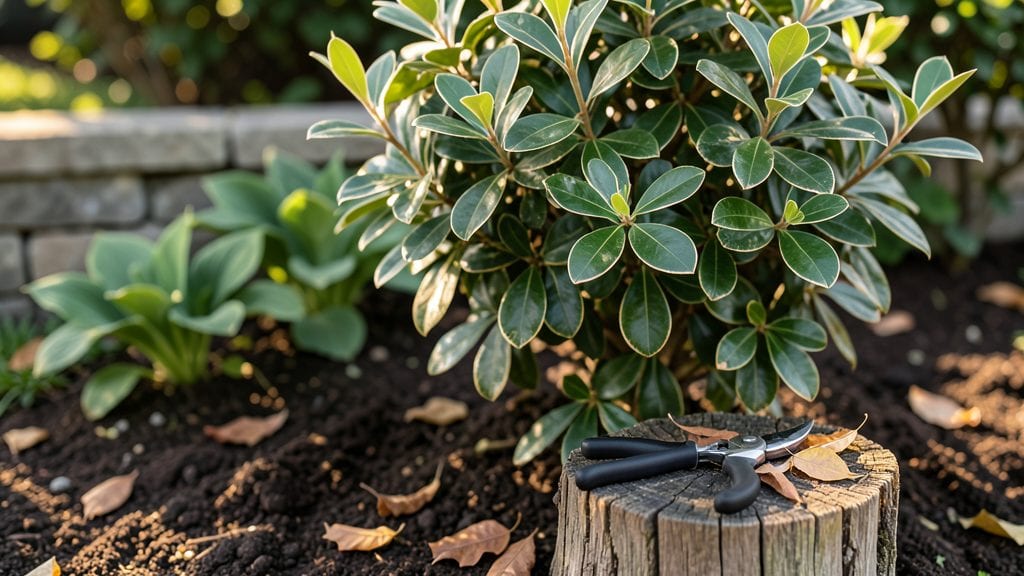
Pruning euonymus plants transforms them from wild shrubs into neat, showstopping hedges—and the best part is, you can shape them year-round without stress. ✨ I’ve pruned euonymus for years, and the key isn’t just timing or tools, but understanding how these plants want to grow.
Too much at once? You’ll shock them. Too little? They’ll get leggy. The secret is a balanced approach that keeps them dense, vibrant, and healthy while avoiding those unsightly gaps.
You’ll need just three essentials: sharp bypass pruners (dull blades tear stems), a clean bucket of soapy water for disinfecting cuts, and a lightweight ladder if your euonymus is taller than your reach.
The best time to prune is late winter to early spring, but you can also do light shaping after flowering or in summer to control growth.
Most gardeners skip the post-pruning care, but a quick feed with balanced fertilizer and a deep watering will help them bounce back faster—especially after heavy cuts.
After pruning, your euonymus will reward you with thicker foliage, brighter fall colors, and a shape that actually fits your landscape vision. The leaves stay glossy, the branches fill in neatly, and you’ll notice fewer pests targeting stressed plants.
Plus, you’ll save yourself the headache of wrestling with overgrown shrubs later. Think of it as a year-round project—a little maintenance now means less work (and more beauty) down the road.
Here’s the thing—euonymus is forgiving, but it does have preferences. Avoid cutting into old wood (the stems turn woody after a few years), and never prune more than one-third of the plant at once.
If you’re rejuvenating a leggy shrub, spread cuts over two seasons to avoid shock. The payoff? A euonymus that stays lush, compact, and healthy for decades—exactly what you’re after.
📚 In This Guide
- What you need
- Instructions
- Tips and common mistakes
- Wrapping up and next steps
What you need
- ● Pruning shears: Bypass pruners (for clean cuts on small stems, 5–7" blades, stainless steel) – 1 pair.
- ● Loppers: Bypass or anvil type (for thicker branches, 8–12" blades, ergonomic handles) – 1 pair.
- ● Hand pruners: Bypass or ratcheting (for precision cuts on tiny stems, 4–5" blades) – 1 pair.
- ● Garden gloves: Cut-resistant, breathable (to protect hands from thorns and sap) – 1 pair.
- ● Disinfectant: 70% isopropyl alcohol or rubbing alcohol (to sterilize tools between cuts) – small bottle.
- ● Rubbing alcohol wipes: (for quick tool cleaning in the field) – pack of 50.
- ● Sharpie or garden marker: (to label cuts if needed) – 1.
- ● Bucket or trash bag: (for collecting pruned branches) – 1.
- ● Pruning saw: Curved blade, 8–10" (for stubborn, thick branches) – 1.
- ● Extension pole: (for hard-to-reach branches) – 1.
- ● Hose or water spray: (to rinse tools and clean sap off leaves) – 1.
- ● Plant growth regulator: (e.g., Bonide Fungicide or copper-based spray) – 1 bottle (for disease prevention).
- ● Mulch: (to protect roots post-pruning) – 5–10 gallons.
- ● Safety glasses: (if working with dense foliage) – 1 pair.
Step-by-step guide to pruning euonymus for year-round health
Here's how to coax lush, structured growth from your euonymus by pruning at the right times and with the right techniques.
✂️ Step 1: Prune for Structure in Late Winter or Early Spring
This is the key moment for shaping your euonymus. Wait until just after the last frost when new growth is about to begin—typically February through March in most climates. You'll see swollen buds forming along the stems, signaling it's time to act. Remove any dead, diseased, or crossing branches first using clean, sharp pruners. Cut just above a leaf bud at a 45-degree angle to encourage healthy regrowth.
For formal hedges, use a string line to guide your cuts for straight edges. Step back often to check your work—euonymus responds well to bold shaping but can look overpruned if you're too aggressive. Aim to remove no more than one-third of the plant's foliage in any single session. This ensures the plant retains enough energy to support new growth while maintaining its natural vigor.
✂️ Step 2: Light Summer Pruning for Bushier Growth
After the spring flush of growth, do a second round of pruning in June or July to encourage denser foliage. Look for branches that are growing inward or rubbing against others—these compete for sunlight and nutrients. Cut these back to an outward-facing bud to redirect energy toward stronger, more outward growth. You'll notice new shoots emerging from the pruned areas within 3-4 weeks.
This is also the time to trim any leggy growth that's stretching beyond your desired shape. Euonymus responds well to summer pruning because it's actively growing, but avoid heavy cuts—stick to light shaping. The goal here is to maintain the plant's form rather than drastically reshape it. Water the base thoroughly after pruning to help the plant recover quickly.
🌿 Step 3: Fall Cleanup for Winter Readiness
In late autumn, focus on removing any weak, diseased, or dead branches that may have appeared over the growing season. Euonymus is relatively disease-resistant, but it's still good practice to remove any foliage showing signs of stress or discoloration. Cut back any growth that has become overly woody or sparse to encourage fresh, vibrant shoots in spring.
This is also the time to thin out the center of the plant if it's become too dense. Euonymus can develop a "skirt" of branches at the base if not pruned properly, so aim to open up the center for better airflow and light penetration. Avoid heavy pruning now—just tidy up the plant to prepare it for dormancy. Mulch around the base with 2-3 inches of organic mulch to protect the roots over winter.
⏰ Step 4: Optional Renewal Pruning in Early Spring
If your euonymus has become overgrown or leggy, you can do a renewal pruning in very early spring, just as buds begin to swell. This involves cutting back up to one-third of the oldest stems to encourage new growth from the base. Make your cuts just above a leaf bud or a side branch to promote bushier regrowth. You'll see new shoots emerging within 2-3 weeks, signaling that the plant is responding well.
This technique is best used every few years rather than annually, as it can be stressful for the plant. After renewal pruning, keep the soil consistently moist but not soggy to support the new growth. Fertilize lightly with a balanced fertilizer in early spring to give the plant the nutrients it needs to recover and thrive.
Tips & tricks for perfect euonymus pruning
Mastering these seasonal techniques will transform your euonymus into a year-round showstopper with minimal effort.
Timing is Everything: The February-March window for structural pruning is non-negotiable—this is when euonymus enters its dormant-to-active growth transition. I've learned the hard way that pruning too early (when buds aren't swollen) or too late (when growth has already begun) can stress the plant. Check for those telltale swollen buds along the stems—they're your green light to begin. For formal hedges, mark your string line before you start cutting to maintain those crisp, architectural edges.
Tool Precision Matters: Never use dull pruners—they crush stems instead of making clean cuts. Invest in bypass pruners for larger branches and sharp hand pruners for finer work. I sterilize my tools with rubbing alcohol between cuts to prevent spreading any potential diseases. That 45-degree angle cut just above a leaf bud? It's not just aesthetic—it directs growth outward and prevents water from pooling on the cut, which could lead to rot.
Seasonal Strategy: The summer pruning in June-July creates that lush, bushy look by redirecting energy to outward-facing buds. Here's what I do: I look for branches growing inward or crossing others—these are the ones competing for sunlight and nutrients. Cutting them back to an outward bud creates better airflow and encourages that dense, vibrant growth. Remember, you'll see new shoots emerge within 3-4 weeks, so patience pays off.
Winter Protection: That 2-3 inch layer of organic mulch isn't just decorative—it's your plant's winter blanket. I use shredded bark or straw because they break down slowly, adding nutrients to the soil as they decompose. This mulch layer also helps regulate soil temperature, protecting those delicate roots from freeze-thaw cycles. And don't forget to water thoroughly before the first hard frost—hydrated roots handle winter stress much better.
Pro Tips for Euonymus Plant Pruning
- Mastering these seasonal techniques will transform your euonymus into a year-round showstopper with minimal effort.
- Timing is Everything: The February-March window for structural pruning is non-negotiable—this is when euonymus enters its dormant-to-active growth transition.
- Tool Precision Matters: Never use dull pruners—they crush stems instead of making clean cuts.
Frequently asked questions
Got questions about pruning your euonymus plants? You’re not alone!
Whether you're a newbie or a seasoned gardener, these frequently asked questions will help you master the art of shaping your euonymus like a pro.
When is the best time to prune euonymus plants?
The ideal time to prune euonymus is late winter or early spring (just before new growth starts). You can also do light pruning in summer to shape the plant, but avoid heavy cuts then. Never prune in fall—it can stimulate tender new growth that may not survive winter.
How much can I trim back my euonymus without harming it?
Euonymus is tough! You can prune up to one-third of the plant’s height or width in a single session without stressing it. For dramatic reshaping, spread cuts over 2-3 years to avoid shocking the plant. Thin out dense areas to improve airflow and reduce disease risk.
What should I do if my euonymus looks leggy after pruning?
Leggy growth happens when the plant stretches for light. To fix it, prune just above a leaf node (where leaves meet the stem) to encourage bushier growth. Fertilize lightly with a balanced formula in spring, and ensure it gets 4-6 hours of sunlight daily.
Can I prune euonymus for color instead of shape?
Euonymus varieties like Euonymus alatus ("burning bush") produce vibrant fall colors. To enhance color, avoid heavy pruning in late summer—this can reduce next year’s foliage. Instead, prune in early spring to shape while preserving leafy branches for maximum color payoff.
What do I do if my euonymus doesn’t grow back after pruning?
If your euonymus looks dead after pruning, don’t panic! It might just be dormant. Wait until late spring to see new growth. If no buds appear, check for root rot or pests. Trim only dead or diseased branches and adjust watering—euonymus prefers well-draining soil.
Wrapping up and next steps
Mastering euonymus plant pruning is your golden ticket to a lush, vibrant garden year-round! 🌿 By following the right techniques—whether shaping, thinning, or deadheading—you’ll encourage healthy growth, stunning foliage, and even those prized winter berries. Remember, consistency is key, and a little effort now saves big rewards later.
Ready to level up your green thumb? Grab your pruners and start small—try pruning just one section this week. Before you know it, your euonymus will be the showstopper of your landscape! 🌟