
Pests
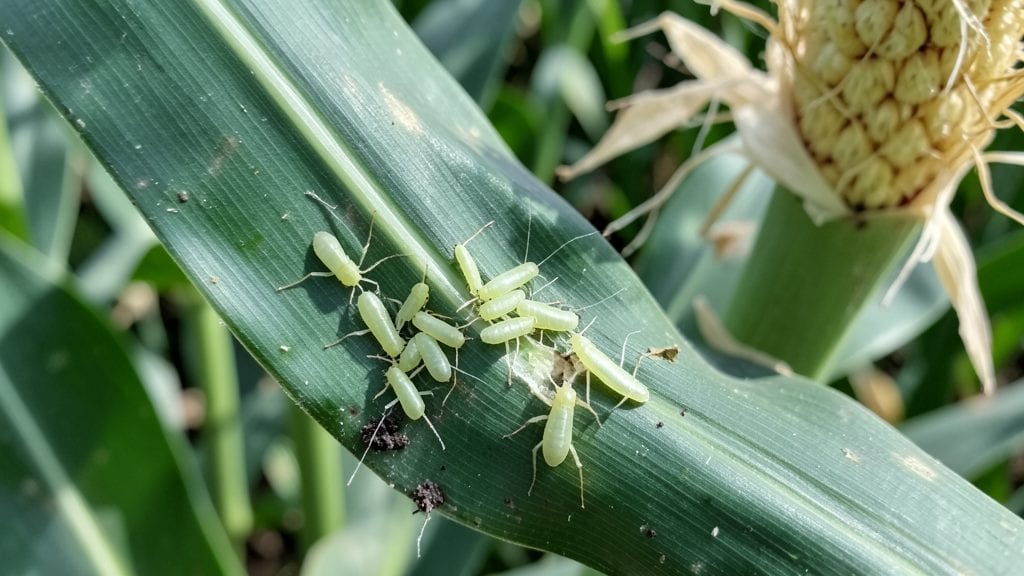
Seeing bugs on corn plants can turn your golden harvest into a chewed-up disappointment, but I’ve got quick-acting organic fixes that work before the damage spreads. The first step is identifying the culprits—corn earworms, aphids, or Japanese beetles—each leaving telltale signs like silken webs, chewed silk, or skeletonized leaves.
Once you spot them, you’ll know exactly what to target without harsh chemicals.
Most gardeners panic and reach for sprays, but the best remedies are simple and healthy for your plants and soil. Neem oil, kaolin clay, or even a strong spray of water can dislodge pests, while planting strong-smelling herbs like basil or marigolds nearby deters them before they start.
The key is acting fast—within 24-48 hours of noticing damage, you can stop an infestation in its tracks.
You’ll end up with ears of corn that stay intact, sweet, and free of worm holes, ready to harvest at peak flavor. The plants will keep growing strong, and you’ll avoid the heartbreak of a ruined crop.
Plus, these methods work for other garden pests too, so you’re building long-term resilience.
Whether you’re dealing with early-season aphids or late-summer earworms, these strategies adapt to the problem. The sooner you act, the better your harvest will be—no guesswork, just results. Let’s get those plants protected before the bugs get the upper hand.
Root Causes of Corn Plant Invaders
Cornfields are a buffet for pests, and understanding why these tiny troublemakers show up is the first step to kicking them out for good. From environmental triggers to plant stress signals, here’s the science behind the chaos—and how to disrupt their party before it starts.
Corn plants under stress—whether from drought, poor soil, or overcrowding—emit chemical signals that attract pests. Think of it like a distress flare: bugs sense weakness and swarm in.
- Drought stress: Dry soil reduces plant resilience, making corn more vulnerable to corn earworms and fall armyworms, which target water-deprived tissues.
- Nutrient deficiencies: Low nitrogen or potassium weakens cell walls, making plants easier prey for corn rootworms and aphids.
- Overcrowding: Dense plantings reduce airflow and sunlight, creating humid microclimates that corn borers love.
Actionable fix: Space plants properly (6–12 inches apart for sweet corn, 12–24 inches for field corn), mulch to retain moisture, and test soil for deficiencies before planting.
Leftover plant residue, stalks, and weeds act as hibernation hotels and breeding grounds for pests. Overwintering insects like corn rootworm beetles and cutworms hide in these debris piles, then re-infest fresh crops.
- Stalk remnants: Cut corn stalks left in fields provide shelter for European corn borers during winter.
- Weed patches: Grassy weeds (like foxtails) host fall armyworm larvae, which later migrate to corn.
- Old crop rotation gaps: Planting corn in the same spot year after year exhausts soil and invites nematodes and rootworms.
Actionable fix: Practice clean tillage—remove all plant debris after harvest—and rotate crops (e.g., corn → legumes → grasses) to break pest life cycles.
Corn pests thrive in specific temperature and humidity ranges. For example:
- Corn earworms peak when nighttime temps stay above 75°F (24°C).
- Southern corn rootworms multiply rapidly in 80°F+ (27°C+) soil.
- Aphids explode in populations during humid, windless days.
Climate change is extending these ideal conditions, leading to earlier and more aggressive infestations.
Actionable fix: Monitor local pest alerts (like those from University Extension offices) and plant early-maturing varieties to harvest before peak pest activity.
Corn fields aren’t just bug magnets—they’re ecosystems. When natural predators (like lady beetles, parasitic wasps, or ground beetles) are disrupted—by pesticides, habitat loss, or monoculture farming—pest populations skyrocket.
- Broad-spectrum pesticides: Kill beneficial insects faster than pests, creating a vacuum effect where bugs rebound unchecked.
- Lack of diversity: Planting only corn removes food sources for predator species, leaving pests with no competition.
- Monoculture fatigue: Year-after-year corn depletes soil microbes that support predator populations.
Actionable fix: Introduce pollinator/predator-friendly plants (e.g., marigolds, dill, or clover) around field edges and use targeted organic sprays (like neem or pyrethrin) to avoid collateral damage.
Pro tip: 💡 Scout early and often—catching pests at the egg or larval stage (before they become adults) is the most effective organic defense. Use a flashlight at dusk to spot corn borer eggs on leaf undersides!
Quick Fixes for Corn Plant Pests
Now that you know what’s nibbling on your corn, it’s time to act! The good news is that most garden pests can be managed with organic, effective solutions—no harsh chemicals required.
Below, we’ve mapped out targeted fixes for common culprits, along with prevention tips to keep your corn thriving long-term.
Cause: These sneaky caterpillars burrow into ears, leaving behind chewed kernels and webbing. Fix:
- 🔥 Handpick & Destroy: Check ears daily at dusk (that’s when they’re most active). Drop larvae into soapy water or crush them.
- 🍳 Diatomaceous Earth (DE): Sprinkle food-grade DE around the base of plants and inside silk tunnels. It dehydrates pests without harming plants.
- 👨🍳 Pheromone Traps: Hang earworm-specific traps near your corn patch to disrupt mating cycles.
💡 Prevention Tip: Plant early-maturing varieties (like ‘Silver Queen’) to harvest before peak infestation. Also, remove crop residue after harvest to eliminate hiding spots.
Cause: These beetle larvae munch on roots, causing stunted growth or even plant death. Fix:
- 🥘 Crop Rotation: Rotate corn with non-host plants (like beans, clover, or alfalfa) to break the rootworm life cycle.
- 🔪 Beneficial Nematodes: Apply Heterorhabditis bacteriophora nematodes to the soil—they hunt and kill rootworm larvae naturally.
- 🌡️ Row Covers: Use floating row covers early in the season to block adult beetles from laying eggs.
🎯 Pro Tip: Interplant corn with marigolds—their strong scent repels rootworms and attracts predatory wasps.
Cause: These tiny sap-suckers cluster on leaves, causing curling and sticky honeydew buildup. Fix:
- 💦 Spray with Soap Solution: Mix 1 tbsp mild liquid soap + 1 quart water in a spray bottle. Blast aphids off leaves (reapply every 3–4 days).
- 🌿 Neem Oil Spray: Combine 1 tbsp neem oil + 1 tsp horticultural oil + 1 quart water. Spray undersides of leaves where aphids hide.
- 🐝 Attract Ladybugs: Plant dill, fennel, or cosmos nearby to lure ladybugs—they love eating aphids.
✨ Bonus: A strong water spray from the hose can knock aphids off plants instantly (great for small infestations).
Cause: European or southwestern corn borers bore into stalks, weakening plants and inviting disease. Fix:
- 🔪 Pheromone Baited Traps: Set up borer-specific traps in early summer to catch adults before they lay eggs.
- 🍳 Kaolin Clay: Dust stalks with Surround WP (kaolin clay)—it creates a barrier that confuses and repels borers.
- 👨🍳 Manual Removal: Cut open affected stalks and pry out larvae (wear gloves!). Drop them into soapy water.
💡 Prevention Tip: Use Bt (Bacillus thuringiensis) spray—a natural bacteria that kills borers when ingested. Reapply after rain.
Cause: These striped caterpillars devour leaves in massive waves, leaving only stems behind. Fix:
- 🔥 D-D Treadmill Method: Lay a flat board on the ground, sprinkle armyworms on it, then roll them into a bucket of soapy water.
- 🥘 Chicken or Duck Patrol: Let poultry forage in your garden—they’ll clean up armyworms in minutes.
- 🌿 Plant Diversity: Interplant corn with basil, mint, or thyme—their strong scents deter armyworms.
🎯 Pro Tip: Check for white, tent-like webs on leaves—a sure sign of armyworms. Act within 24 hours to prevent an outbreak.
No matter the pest, these habits keep corn healthy and resilient:
- 🌱 Healthy Soil = Strong Plants: Amend soil with compost and worm castings to boost plant vigor.
- 💧 Water Deeply (Not Daily): Encourages deep roots, making plants less appealing to pests.
- 🕵️♂️ Scout Regularly: Inspect plants every 3–4 days, especially undersides of leaves and silk tunnels.
- 🌿 Companion Planting: Pair corn with beans, squash, or marigolds to confuse pests and improve pollination.
Remember: The key to organic pest control is consistency and early action. Start with prevention, then strike fast when pests appear—your corn (and your sanity) will thank you! 🌽💚
Frequently asked questions
What are the most common bugs that attack corn plants?
The top culprits include corn earworms (larvae that tunnel into ears), aphids (tiny sap-suckers causing curled leaves), Japanese beetles (skeletonizing foliage), and corn rootworms (larvae feeding on roots). Fall armyworms also create massive leaf damage in waves. Early identification is key—check undersides of leaves and silk tunnels daily.
How do I know if my corn plants have a pest problem?
Look for these red flags: chewed silk on ears (earworms), sticky honeydew on leaves (aphids), striped caterpillars (armyworms), or stunted growth (rootworms). Also inspect stalks for borer holes or frass (sawdust-like droppings). Act within 24-48 hours of spotting damage for best results.
Are there organic ways to prevent bugs before they infest?
Start with companion planting (marigolds, basil, or beans), use kaolin clay as a protective barrier, and apply neem oil preventatively. Crop rotation breaks pest life cycles, and row covers block adult beetles. Healthy soil (rich in compost) also makes plants less appealing to pests.
Will chemical pesticides work better than organic methods?
Chemicals may offer quick kills, but they harm beneficial insects and can leave residues. Organic methods like Bt spray (for borers), beneficial nematodes (for rootworms), or handpicking are just as effective when applied correctly. The key is consistency—organic approaches require vigilance but protect your ecosystem long-term.
Can I still harvest corn if bugs are already in the ears?
Yes, but trim away heavily damaged kernels and cook the rest immediately. For earworms, cut open the silk and remove visible larvae before husking. If only a few kernels are affected, the rest can still be safe to eat. Always inspect ears thoroughly before cooking.