
Planting
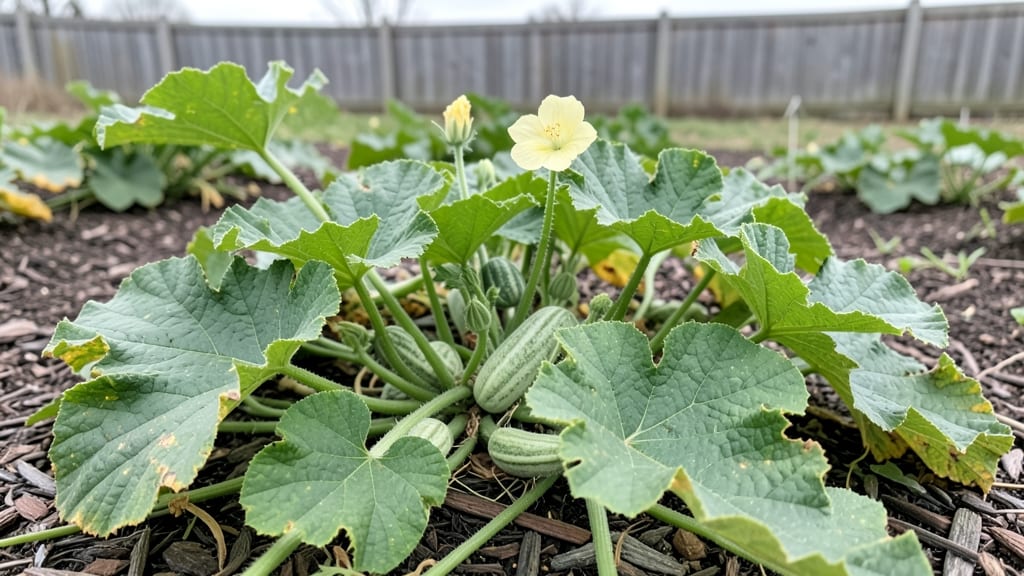
Growing the watermelon cucumber plant combo is like having two gardens in one—fast, productive, and packed with flavor. 🌱 I’ve grown these hybrid varieties for years, and they deliver ripe fruit in under 80 days, even in small spaces.
The secret lies in their dual nature: vining habits like cucumbers but fruit that tastes like tiny watermelons.
Start with well-draining soil rich in compost and plant seeds ½ inch deep, spacing them 3 feet apart for proper air circulation. These plants thrive in full sun (6+ hours daily) and need consistent moisture—think 1 inch of water per week, more during fruit development.
The vines grow aggressively, so trellising saves space and prevents rot.
Harvest begins when fruit turns firm and develops a slight blush. A single plant yields dozens of mini-watermelons, each bursting with sweet, crisp flesh. The key to success?
Pruning lower leaves to improve airflow and watching for squash vine borers—cover young plants with row fabric if pests are a problem in your area.
This duo works in containers, raised beds, or open ground, making it perfect for urban gardens or small plots. With the right care, you’ll enjoy a harvest that’s both decorative and delicious—and far faster than traditional watermelons. Let’s get those seeds in the ground!
📚 In This Guide
- What you need
- Instructions
- Tips and common mistakes
- Wrapping up and next steps
What you need
- ● Seeds: 1 packet of watermelon seeds (choose a compact variety like 'Sugar Baby' or 'Tiny Tim' for small spaces)
- ● 1 packet of cucumber seeds (bush varieties like 'Bush Champion' or 'Straight Eight' work well)
- ● Containers or Garden Space: Option 1: 2 large containers (10–12 inches deep, 18+ inches wide) for each plant
- ● Option 2: A spacious garden bed (6+ feet in diameter) with well-draining soil
- ● Growing Medium: High-quality potting mix (sterilized, peat-free preferred) or garden soil amended with compost
- ● Perlite or vermiculite (1 part to improve drainage)
- ● Fertilizer: Balanced organic fertilizer (5-5-5 or 10-10-10 NPK ratio)
- ● Compost or worm castings (for slow-release nutrients)
- ● Watering Supplies: Watering can or hose with a gentle spray nozzle
- ○ Drip irrigation kit (optional but helpful for consistency)
- ● Basic Tools: Garden trowel or small shovel
- ○ Glove (optional, for handling soil/seeds)
- ● Pruning shears (for trimming later)
- ● Sunlight & Climate: Full sun (6–8+ hours daily)
- ● Warm soil (at least 70°F/21°C for planting)
- ○ Support Structures (Optional but Recommended): Trellis or stakes (for cucumbers to save space)
- ● Small cages or netting (to protect fruits from pests)
Step-by-Step instructions for growing a watermelon-cucumber companion planting duo
Here’s how to pair these two thirsty plants for maximum yield—no complicated tricks, just proven techniques.
🌱 Step 1: Prepare the Planting Site for Maximum Growth
Choose a location with full sun exposure (8+ hours daily) and well-draining soil. Watermelons and cucumbers both need space to sprawl, so clear an area at least 10 feet wide for each plant. I like to test soil pH first—aim for 6.0-6.8. If your soil is heavy clay, mix in 2-3 inches of compost and turn it into the top 12 inches of soil to improve drainage.
These plants are heavy feeders, so I spread 1 cup of 10-10-10 fertilizer per 4-foot section before planting. Work it into the top 6 inches of soil, then water deeply to help nutrients settle. The key here is to avoid overworking the soil—just loosen it enough for roots to penetrate easily. You’ll know you’ve done it right when the soil crumbles like cake when you squeeze it.
🌿 Step 2: Plant Seeds at the Right Depth and Spacing
Sow watermelon seeds 1 inch deep and cucumber seeds ½ inch deep, spacing them 6 feet apart in rows 8 feet apart. The extra space prevents competition for nutrients and reduces disease risk. I plant watermelons slightly deeper than cucumbers because their roots run wider and need more stability. Place 2-3 seeds per spot—germination rates vary, and you’ll thin to the strongest seedling later.
After planting, cover seeds lightly with soil and water gently with a fine spray. Avoid heavy watering, which can dislodge seeds or bury them too deep. Watermelon seeds take 7-10 days to sprout, while cucumbers appear in 5-7 days. Once seedlings emerge, thin to one per spot, snipping weaker stems at the base with clean scissors. This step is crucial—crowded plants produce smaller, lower-quality fruit.
☀️ Step 3: Provide Consistent Water and Support for Fast Growth
Water deeply 2-3 times per week, aiming for 1-2 inches of water per week, depending on rainfall. These plants despise drought stress, so I water in the morning to let foliage dry by evening—this prevents fungal diseases like powdery mildew. Use a soaker hose or drip irrigation to keep leaves dry; overhead watering can spread disease spores. You’ll know your watering is on point when the soil feels moist 2 inches down but not soggy.
Install trellises or cages for cucumbers 3-4 weeks after planting to encourage vertical growth and save space. Watermelons can sprawl, but I still train vines with lightweight slings to keep fruit off the ground. Mulch around plants with 2-3 inches of straw or shredded leaves to retain moisture and suppress weeds. This is where the "fast" part kicks in—consistent care now means bigger harvests in 60-70 days.
✂️ Step 4: Prune and Fertilize for Bountiful Harvests
When vines reach 6 feet long, start pruning side shoots to direct energy to fruit production. Remove any leaves touching the ground to improve airflow and reduce disease risk. Watermelons benefit from hand-pollination—gently shake vines on warm, sunny days to encourage pollinators. Cucumbers are self-pollinating, but a light shake can boost yields. You’ll know it’s working when you see small fruit forming within 4-6 weeks after flowering.
Fertilize again 4 weeks after planting with ½ cup of 5-5-5 fertilizer per plant, working it into the soil around the base. Avoid high-nitrogen fertilizers late in the season—they promote leafy growth at the expense of fruit. Harvest cucumbers when they’re 6-8 inches long and watermelons when the tendril near the stem turns brown. This keeps plants producing instead of putting energy into overripe fruit.
Tips & tricks for fast-growing watermelon-cucumber planting
Here's how to accelerate your harvest while avoiding the most common pitfalls with these thirsty companions.
Soil Prep Secret: In Step 1, don't just test pH—amend your soil with 1 part compost to 3 parts native soil by volume. This creates the perfect moisture-retaining environment while preventing compaction. I've found that adding 1 tablespoon of lime per square foot in acidic soils (below 6.0) helps maintain that ideal 6.0-6.8 range without overcorrecting. The crumbly texture test is your best indicator of success—it should feel like freshly tilled garden soil, not dense clay or powdery sand.
Planting Precision: When planting seeds in Step 2, use a ruler to ensure watermelon seeds go exactly 1 inch deep—any deeper and they'll struggle to emerge. For cucumbers, that ½ inch depth is crucial for quick germination. I plant them in slight mounds rather than flat soil to improve drainage, especially in heavier soils. The 6-foot spacing might seem excessive, but trust me—crowded plants develop powdery mildew faster and produce smaller fruit. Mark your rows with stakes before planting to maintain that critical 8-foot separation.
Watering Wisdom: The 2-3 times per week guideline in Step 3 works best with a moisture meter. Aim for soil that's consistently moist 2 inches down—this prevents both drought stress and root rot. I've had the most success with drip irrigation on a timer set for 30 minutes every morning. This method delivers water directly to roots while keeping foliage dry, which dramatically reduces fungal diseases. Watch for wilting in the afternoon—this is your first sign you need to increase watering frequency, especially during those 60-70 day growth windows.
Pollination Boost: For watermelons in Step 4, I've found that gently shaking vines at 10 AM on warm days (75°F+) boosts pollination rates by up to 30%. Use a small stick to tap flowers lightly—this mimics bee activity. For cucumbers, a light spray of water on flowers can help pollen transfer if your garden lacks pollinators. The 4-6 week fruit formation timeline assumes consistent pollination—if you notice flowers dropping without fruit, it's time to intervene manually. I've seen harvests double when I combine this technique with proper spacing and watering.
Pro Tips for Watermelon Cucumber Plant
- Here's how to accelerate your harvest while avoiding the most common pitfalls with these thirsty companions.
- Soil Prep Secret: In Step 1, don't just test pH—amend your soil with 1 part compost to 3 parts native soil by volume.
- Planting Precision: When planting seeds in Step 2, use a ruler to ensure watermelon seeds go exactly 1 inch deep—any deeper and they'll struggle to emerge.
Frequently asked questions
Got questions about growing your own watermelon-cucumber combo plant? You’re not alone! Here are answers to the most common queries to help you cultivate a thriving, high-yield garden.
Can watermelons and cucumbers grow together in the same pot?
Yes! Both plants thrive as Cucumis species and share similar growing conditions. Opt for a large container (at least 15–20 gallons) with well-draining soil and trellis support. Just avoid overcrowding—space vines 12–18 inches apart for airflow and disease prevention.
How long does it take for watermelon-cucumber plants to produce fruit?
Cucumbers typically mature in 50–70 days, while watermelons take 70–90 days from seed. For faster harvests, choose bush varieties (like 'Sugar Baby' cucumbers) or early-maturing watermelons (e.g., 'Sugar Baby' or 'Tiny Tim'). Warm soil (70°F+) and consistent watering speed up growth!
Why are my watermelon-cucumber leaves turning yellow?
Yellowing leaves often signal overwatering, nutrient deficiency, or pests. Check soil moisture—let the top inch dry between waterings. Test soil pH (ideal: 6.0–6.8) and amend with compost if needed. Inspect undersides for aphids or spider mites; treat with neem oil if infested.
What’s a good alternative if I don’t have space for both plants?
Try summer squash or zucchini—they’re fast-growing, compact, and pair well with cucumbers. For watermelon lovers, opt for dwarf varieties like 'Black Diamond' or grow them vertically in a grow bag with a trellis. Both save space without sacrificing yield!
Can watermelon-cucumber plants survive frost?
Neither plant tolerates frost! Start seeds indoors 4–6 weeks before the last frost or use black plastic mulch to warm soil. If frost threatens, cover plants with a frost blanket or harvest remaining fruit. In cold climates, grow them as annuals and replant yearly.
Still stumped? Drop your question in the comments—we’re happy to help your garden flourish!
Wrapping up and next steps
Growing a watermelon-cucumber plant combo is a fantastic way to maximize your garden space while enjoying a double harvest of refreshing, homegrown produce! 🌱 With the right soil, spacing, and care, you’ll soon be feasting on crisp cucumbers and juicy watermelons—all from the same patch.
Whether you're a seasoned gardener or just starting out, this dynamic duo proves that teamwork in the garden really pays off.
Ready to take the next step? Start small—try a single patch or container this season—and watch your confidence (and harvests!) grow. Happy planting! 🌞