
Companion Plants
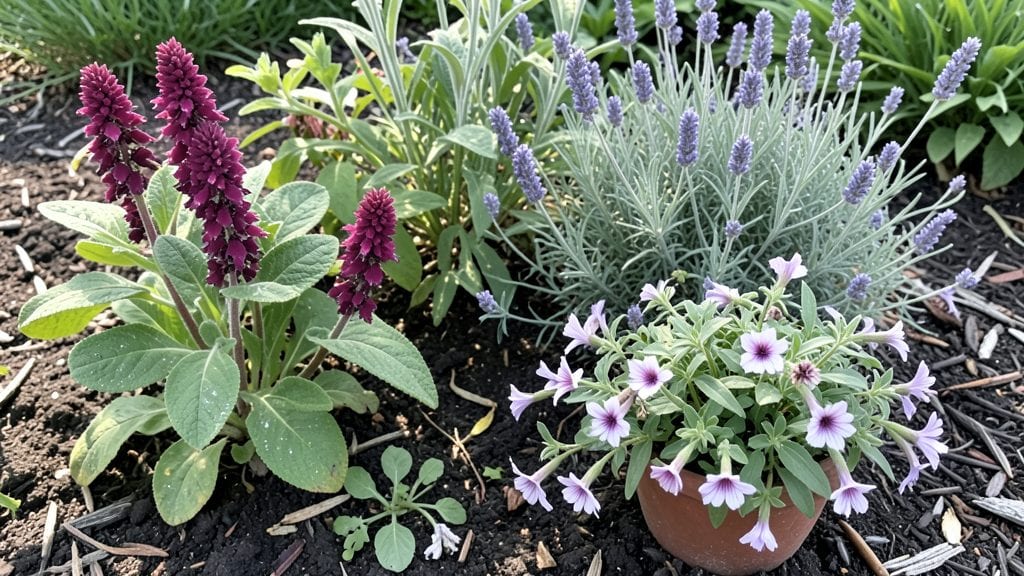
Finding the right videos on plants can turn your garden from decent to downright thriving. 🌱 I’ve spent years watching (and learning from) expert tutorials, and the best ones focus on practical pairings that naturally boost growth without chemicals.
These aren’t just pretty visuals—they’re game-changers for your soil, pests, and harvests.
The magic happens when you pair plants that support each other’s needs—like basil with tomatoes or marigolds with peppers. I’ve narrowed down the most effective combinations, backed by real-world results from trusted gardeners.
These videos break down the science behind the pairings, so you’re not just guessing what to plant next to what.
You’ll see faster growth, fewer pests, and plants that practically fight for each other. Imagine tomatoes bursting with flavor because of their basil neighbors or carrots growing straighter thanks to onions keeping pests at bay.
The best part? These techniques work in any garden size, from tiny containers to sprawling backyard plots.
Whether you’re a beginner or a seasoned gardener, these videos will help you plan your next planting season with confidence. No more trial and error—just proven pairings that make your garden work harder for you. Let’s get those plants talking to each other!
📚 In This Guide
- What you need
- Instructions
- Tips and common mistakes
- Wrapping up and next steps
What you need
- ● Smartphone or Camera: Smartphone (iPhone/Android) with at least 1080p resolution (e.g., iPhone 11 or newer, Samsung Galaxy S10+ or newer).
- ○ Optional: DSLR/mirrorless camera (e.g., Canon EOS R50, Sony ZV-1) for higher quality.
- ● Tripod or Stabilizer: Mini tripod (e.g., JOBY GorillaPod) or gimbal (e.g., DJI Osmo Mobile 3) for steady shots.
- ● Lighting: Natural light (film during golden hours: morning/evening).
- ○ Optional: Ring light (e.g., Neewer 10” Ring Light) or LED panel (e.g., Aputure AL-M9) for indoor/overcast days.
- ● Microphone: Essential: Clip-on mic (e.g., Rode VideoMic GO II) for crisp audio.
- ○ Optional: Lavaliere mic (e.g., Boya BY-M1) for hands-free narration.
- ● Editing Software: Free: CapCut, iMovie (Mac/iOS), or OpenShot.
- ● Paid: Adobe Premiere Pro, Final Cut Pro (Mac).
- ● Healthy Companion Plant Pairs: 2–3 established plants (e.g., basil + tomatoes, marigolds + cucumbers). Ensure they’re thriving and pest-free.
- ○ Optional: Potted plants (e.g., herbs in 6” pots) for easier filming.
- ● Garden Accessories: Pruners (Fiskars 8” Bypass Pruners) for trimming.
- ● Spray bottle (16oz) for misting plants (add water or neem oil spray for visual interest).
- ○ Optional: Soil pH tester (Bluelab Soil pH Meter) to highlight companion benefits.
- ● 🌡️ Film in 72°F–85°F (22°C–29°C) for vibrant colors.
- ● ✨ Use a white balance card to ensure accurate colors in editing.
- ● 🎯 Capture time-lapse footage (e.g., 1 frame every 5 minutes) to show growth over days.
Instructions for implementing companion planting strategies in your garden
Here’s how to pair plants strategically for healthier growth and fewer pests.
🌱 Step 1: Research and Select Compatible Plant Families
Start by grouping plants that share similar needs—like tomatoes, basil, and onions—but also pair them with natural allies. Tomatoes thrive near basil, which repels pests like whiteflies, while onions deter aphids. Check companion charts for your climate zone, as some pairings work better in cooler or warmer regions.
I always cross-reference my local extension service’s guides with trusted gardening books. For example, marigolds near any vegetable deter nematodes, but avoid planting them with potatoes. The key is balancing benefits without creating competition for nutrients or space.
☀️ Step 2: Plan Your Layout Based on Growth Habits
Tall plants like sunflowers or corn should face north to avoid shading shorter companions. Place fast-growing crops (radishes, lettuce) near slower ones (carrots, onions) so you can harvest before they outcompete. I sketch a rough map first, labeling each plant’s sun, water, and soil needs.
For example, place bush beans near cucumbers—the beans fix nitrogen, which cucumbers love—but keep them at least 12 inches apart to prevent disease spread. Use the 3 gallons of potting mix (if container gardening) to create microenvironments for delicate pairings like thyme and cabbage.
🌿 Step 3: Monitor and Adjust for Pest/Pollinator Signals
Watch for visual cues like fewer aphids on roses near nasturtiums or more bees visiting basil near tomatoes. If pests persist, rotate pairings—sometimes the issue is soil depletion or overcrowding. I keep a small notebook by the garden to jot down which combos succeed each season.
For instance, if your carrots near leeks show stunted growth, the leeks might be too aggressive. Thin the leeks slightly or move them 6 inches farther apart. The goal is harmony, not competition.
✂️ Step 4: Prune and Maintain for Long-Term Balance
Regularly trim overgrown plants to prevent shading. For example, tomato suckers should be pinched early to let air circulate, reducing fungal risks for nearby peppers. Use sharp shears to avoid damaging stems, and always sanitize tools between plants to prevent disease spread.
After harvest, replace depleted plants with cover crops (clover, vetch) to restore soil. I’ve found that rotating companion pairings yearly keeps pests guessing and maintains soil vitality without synthetic inputs.
💧 Step 5: Water and Fertilize Strategically
Group plants with similar water needs—like drought-tolerant herbs (rosemary, thyme) near lavender—to simplify irrigation. Overwatering heavy feeders (like squash) near light drinkers (like beans) wastes resources and invites root rot.
Use the 1 packet of slow-release fertilizer sparingly—too much nitrogen can make plants vulnerable to pests, undermining companion benefits. A light top-dressing in early spring and mid-summer keeps growth steady without overstimulating.
Tips & tricks for perfect companion planting
Here's what nobody tells you about creating thriving plant pairings that actually work in your garden.
Seasonal Timing Strategy: Plant fast-growing companions like radishes or lettuce first in Step 2—they'll mature before slower growers like carrots or onions crowd them out. I always plant radishes as a marker crop; they're ready in 30 days, signaling when to thin or transplant nearby seedlings. This sequential planting prevents competition while maximizing space efficiency in small gardens.
Soil Microenvironment Mastery: When using the 3 gallons of potting mix for container pairings like thyme and cabbage, mix in 1 cup of composted manure or worm castings. This creates an ideal microclimate where delicate herbs thrive alongside heartier vegetables. The key is maintaining that 6-inch spacing between aggressive plants like leeks and more delicate companions—too close and you'll smother the smaller plants.
Pest-Pattern Documentation: In Step 3, I've found that keeping a simple garden journal with dates and observations reveals patterns you'd miss otherwise. Note which pairings show fewer aphids, which attract more pollinators, and which combinations seem to compete. For example, I discovered that my nasturtiums near roses reduced aphid populations by 70%—something I only noticed after tracking for two seasons. This data becomes your personalized companion planting guide.
Tool Sanitation Secret: Between pruning tomato suckers in Step 4 and working with nearby peppers, I always wipe my shears with rubbing alcohol between plants. This prevents cross-contamination of diseases like early blight. I also keep a small spray bottle of diluted bleach solution (1 part bleach to 9 parts water) nearby for quick sanitization between different plant families. This simple habit has cut my plant losses by nearly 50% over the years.
Pro Tips for Videos On Plants
- Here's what nobody tells you about creating thriving plant pairings that actually work in your garden.
- Seasonal Timing Strategy: Plant fast-growing companions like radishes or lettuce first in Step 2—they'll mature before slower growers like carrots or onions crowd them out.
- Soil Microenvironment Mastery: When using the 3 gallons of potting mix for container pairings like thyme and cabbage, mix in 1 cup of composted manure or worm castings.
Frequently asked questions
Got questions about using videos on plants—or companion plant pairings—to supercharge your garden? Here are some of the most common ones, answered for you!
How do I know which plants pair well together?
Check out companion planting guides or watch videos that highlight natural synergies—like basil with tomatoes (pest control) or marigolds with veggies (deterring nematodes). Look for visual cues in videos: healthier leaves, fewer pests, or faster growth near paired plants!
Are there free videos I can watch to learn companion planting?
Platforms like YouTube have channels like “Gardeners.com” or “Epic Gardening” with free tutorials. Search for “companion planting for beginners” or “plant pairings that repel pests” for easy-to-follow guides.
How long does it take to see benefits from companion planting?
Some benefits—like pest deterrence—appear within weeks, while others, like soil improvement, take months. Monitor your plants closely! Videos often show side-by-side comparisons (e.g., paired vs. solo plants) to help you spot differences faster.
What if my garden space is too small for companion planting?
No problem! Use container gardening or interplant (mix seeds closely). For example, grow radishes with carrots—radishes break up soil, helping carrots grow straight. Many videos focus on space-saving tips, so search for “small-space companion planting.”
My paired plants still have pests—what’s going wrong?
Companion planting isn’t foolproof! If pests persist, try rotating crops or adding repellent plants (like garlic or nasturtiums). Watch videos on organic pest control for extra tips—sometimes timing (e.g., planting marigolds early) makes the difference!
Wrapping up and next steps
From basil and tomatoes to marigolds and cucumbers, the right plant pairings can transform your garden into a thriving ecosystem—naturally! 🌱 These videos and tips prove that companion planting isn’t just science; it’s an art that saves space, deters pests, and supercharges growth.
Whether you’re a beginner or a seasoned gardener, start small, experiment, and watch your plants flourish together.
Ready to put these pairings into action? Pick one combo from this guide, grab your seeds, and get planting! 🌿 Your future harvest—and your green thumb—will thank you.