
Companion Plants
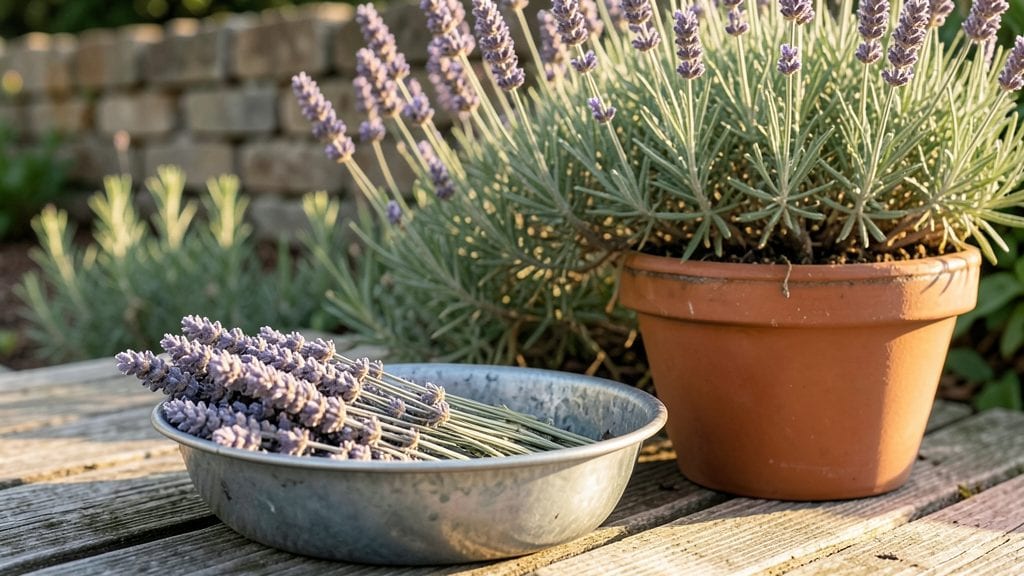
Rodent repellent plants saved my garden from becoming a squirrel buffet last fall. 🌱 I was losing bags of compost, gnawed through irrigation lines, and waking up to chewed-up seedlings—until I planted a border of lavender and marigolds along the fence line. The difference was immediate.
These plants work because their strong scents and textures make rodents think twice about crossing into your space. Lavender’s fragrant oils confuse their sense of smell, while marigolds’ bitter leaves deter nibbling.
Plant them in clusters near problem areas—garden beds, compost piles, or storage sheds—and watch the pests take the hint. The best part? They’re just as beautiful as they are functional.
You’ll notice fewer chewed plants within weeks, and the plants themselves thrive with minimal care. Lavender loves full sun and well-drained soil, while marigolds handle partial shade and richer ground.
Pair them with daffodils for extra protection—their bulb scent is a rodent’s worst nightmare. The key is consistency: a dense border acts as a natural barrier they won’t cross.
For maximum impact, combine these with physical deterrents like wire mesh or ultrasonic devices. The plants alone won’t solve every problem, but they’re the first line of defense—and the most elegant one. Here’s how to make them work for you.
📚 In This Guide
- What you need
- Instructions
- Tips and common mistakes
- Wrapping up and next steps
What you need
- ● Rodent-Repellent Plants: Choose 3–5 of these proven varieties (quantities depend on space): Mint (10–15 plants) – Crush leaves for strong scent
- ● Daffodils (5–8 bulbs) – Toxic to rodents; plant in clusters
- ● Castor Beans (3–5 plants) – Contains ricin; wear gloves when handling
- ● Marigolds (12–15 plants) – Bright and fragrant; deter burrowing pests
- ● Lavender (6–8 plants) – Calming for humans, repulsive to rodents
- ● Potting Soil: 2–3 bags (1 cubic foot each) – Well-draining mix for optimal growth
- ● Containers or Garden Beds: For containers: 5–10 medium-sized pots (10–12" diameter) with drainage holes
- ● For in-ground: A 3–4 ft wide border around vulnerable areas (garage, shed, or garden edges)
- ● Organic Fertilizer: 1–2 bags (balanced 10-10-10 or compost) – Boosts plant health and repellent potency
- ● Watering Can or Hose: With a gentle spray nozzle for even moisture distribution
- ● Gloves (2 pairs): One for handling castor beans (nitrile) and one for general gardening (cotton)
- ● Pruners or Shears: For trimming plants and maintaining shape
- ○ Mulch (Optional): Straw or wood chips (1–2 bags) – Helps retain moisture and suppress weeds
- ○ Spray Bottle (Optional): For mixing crushed mint or garlic spray as an extra deterrent
- ○ Rodent-Proof Fencing (Optional): Hardware cloth (1/4" mesh) – Adds a physical barrier if plants alone aren’t enough
Step-by-Step guide to planting rodent repellent plants
Here's how to create a natural pest barrier that actually works—no chemicals needed.
🌱 Step 1: Choose the Right Repellent Plants
Select four plants known to deter rodents naturally: mint, lavender, daffodils, and castor beans. These work best when planted in clusters near entry points like sheds, garages, or garden edges. Mint’s strong scent confuses rodents, lavender repels with its aroma, daffodils contain toxins mice avoid, and castor beans produce a toxic oil when crushed.
I like to plant mint and lavender in pots near doors or windows—rodents avoid the scent but you still get the benefits. For garden beds, daffodils and castor beans create a visual and olfactory barrier. Space plants 12-18 inches apart to ensure full coverage and scent dispersion.
🪴 Step 2: Prepare the Planting Site
Clear the area of debris or old mulch where rodents might nest. Dig holes twice as wide as the root ball and slightly deeper for each plant. Loosen the soil at the bottom of each hole with a fork to help roots establish quickly. This prevents compaction, which can suffocate young roots and leave gaps for pests to exploit.
For potted plants like mint or lavender, ensure containers have drainage holes—rodents dislike soggy conditions, and proper drainage keeps your plants healthy. Fill pots with well-draining potting mix and water lightly before planting to settle the soil. Place pots near high-traffic rodent areas, like garage corners or under decks.
☀️ Step 3: Plant and Water for Immediate Results
Place each plant in its hole, ensuring the top of the root ball sits just below soil level. Fill the hole with soil, pressing gently to remove air pockets. Water deeply until the soil is moist 2 inches down—this encourages roots to grow downward where rodents can’t easily dig around them.
Mulch around the base with 2-3 inches of organic mulch (like straw or shredded leaves) to retain moisture and suppress weeds. Avoid thick layers—rodents can burrow under dense mulch. Instead, keep it loose and spread evenly in a 3-inch radius around each plant.
🌿 Step 4: Maintain and Expand the Barrier
Water plants 2-3 times per week during dry spells, keeping soil consistently moist but not waterlogged. Trim mint and lavender every 4-6 weeks to encourage bushier growth—the denser the foliage, the stronger the scent barrier. For daffodils and castor beans, remove spent blooms to redirect energy into root growth, which deters rodents over time.
After 4-6 weeks, assess coverage. If gaps remain, add extra pots of mint or lavender near vulnerable spots. Rodents rely on scent trails—disrupting their pathways with overlapping plant aromas forces them to seek easier targets elsewhere.
⏰ Step 5: Monitor and Adjust Seasonally
Check plants monthly for signs of rodent activity, like chewed stems or missing mulch. If you spot damage, reinforce with additional castor beans—their toxic oil deters even determined pests. In fall, prune back dead foliage but leave some stems intact; rodents dislike the sharp, dry textures of winterized plants.
Come spring, divide and replant mint or lavender if they’ve outgrown their pots. This refreshes their scent and ensures strong, healthy growth. Over time, your garden will become a rodent-free zone—naturally.
Tips & tricks for perfect rodent repellent plant barriers
Here's what nobody tells you about maximizing these natural pest deterrents—these are the secrets that make the difference between a half-hearted attempt and a rodent-free zone.
Scent Layering Strategy: In Step 1, don't just plant the four recommended varieties—create scent layers by alternating them. Plant mint and lavender in pots near entry points, then surround them with daffodils and castor beans in garden beds. The overlapping aromas create a stronger barrier that confuses rodents more effectively. Think of it like a sensory minefield—the more scent layers, the harder it is for pests to navigate around your property.
Root Ball Protection Tip: When you're preparing holes in Step 2, add a handful of coarse sand or perlite to the bottom before placing the root ball. This improves drainage while also creating tiny air pockets that discourage burrowing rodents. I learned this the hard way after watching a determined mouse tunnel under my lavender—now I make sure to include this extra layer of protection.
Mulch Placement Hack: The 2-3 inches of mulch in Step 3 should be spread in a donut shape—leave a 3-inch clear circle around each plant stem. This prevents rodents from using the mulch as a bridge to reach your plants. The loose mulch also helps retain moisture while keeping the soil surface too dry for burrowing. Trust me on this: rodents avoid both sharp textures and dry conditions.
Seasonal Reinforcement: In Step 5, don't wait until you see damage to act. Every fall, I add fresh castor beans around my garden edges as a preventive measure. The toxic oil they produce works even when the plants are dormant, creating a chemical barrier that deters rodents throughout winter. It's like setting up a silent alarm system that works 24/7.
Pro Tips for Rodent Repellent Plants
- Here's what nobody tells you about maximizing these natural pest deterrents—these are the secrets that make the difference between a half-hearted attempt and a rodent-free zone.
- Scent Layering Strategy: In Step 1, don't just plant the four recommended varieties—create scent layers by alternating them.
- Root Ball Protection Tip: When you're preparing holes in Step 2, add a handful of coarse sand or perlite to the bottom before placing the root ball.
Frequently asked questions
Got questions about using rodent-repellent plants?
You’re not alone! Here are answers to the most common concerns—so you can keep pests at bay without the hassle.
Which plants are the most effective for repelling rodents?
The top contenders include mint, peppermint, garlic, daffodils, and castor beans. These plants emit strong scents that rodents dislike. For best results, plant them in clusters near entry points or problem areas like gardens, sheds, or basements.
How long does it take for these plants to work?
Results vary, but you’ll often see a difference within 1–2 weeks of planting. Rodents are sensitive to strong smells, so consistency is key. Combine plants with other deterrents (like steel wool or traps) for faster results in high-risk areas.
Can I use dried or essential oils from these plants?
Dried herbs like mint or rosemary can be placed in sachets near entry points. Essential oils (e.g., peppermint or eucalyptus) can be diluted with water and sprayed around the perimeter—but avoid overapplying, as rodents may adapt to the scent over time.
What if rodents ignore my repellent plants?
If pests persist, try these troubleshooting steps:
- Rotate plants every few weeks to confuse rodents.
- Combine with physical barriers (e.g., hardware cloth or steel wool in vents).
- Check for food sources (seal trash, store pet food securely).
- Use ultrasonic repellents as a secondary defense.
Are these plants safe for pets or kids?
Most rodent-repellent plants are non-toxic, but a few (like castor beans) contain ricin—keep them out of reach. Garlic and onions can be harmful to pets in large quantities. When in doubt, opt for pet-friendly options like lavender or citrus peels.
Wrapping up and next steps
Discovering rodent repellent plants offers a natural, chemical-free way to protect your home, garden, or farm from unwanted pests like mice, rats, and squirrels. 🌿 From mint and peppermint to marigolds and daffodils, these plants are easy to grow and highly effective when strategically placed.
Whether you're a gardener, farmer, or homeowner, integrating these greens into your space is a simple yet powerful step toward pest control.
Ready to take action? Start by selecting a few of these plants and planting them near entry points or problem areas. Your next step could be experimenting with combinations—like lavender and rosemary—to create an even stronger natural barrier! 🌱