Pruning
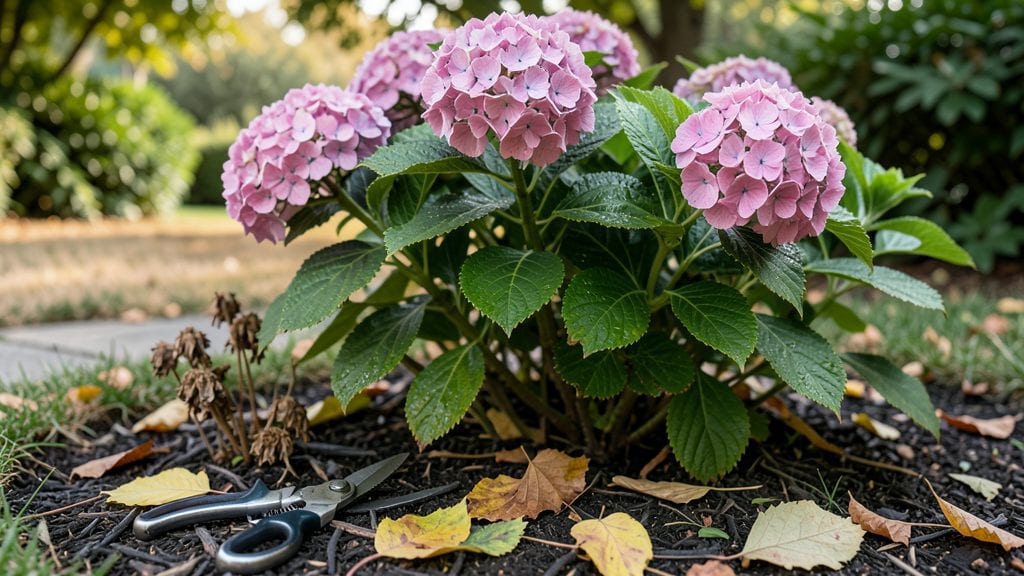
Trimming plants in fall promotes stronger winter resilience by cutting back dead growth while keeping energy reserves intact. Always finish pruning 4-6 weeks before the first frost to let new shoots form and minimize stress before dormancy.
Fall pruning isn't just about tidying up—it's a strategic move to help plants prepare for winter.
By removing spent foliage, you reduce disease risks and allow roots to focus on storing nutrients. 🌿 I've seen perennials like coneflowers bounce back stronger after a light trim, while evergreens need minimal shaping to avoid winter burn.
The key is balance: too late, and you stress the plant; too early, and you risk encouraging new growth that won't harden off before cold snaps.
Timing varies by plant type, but the rule of thumb is to stop 6 weeks before frost. For example, late September works in most zones, but check your local frost dates.
Shrubs like hydrangeas respond well to fall pruning, while woody plants should wait until early spring. Always use clean, sharp tools to prevent damage that could invite pests.
💡 In This Article
- How Fall Pruning Affects Plant Winter Hardiness
- Step-by-Step Fall Pruning Guide by Plant Type
How fall pruning affects plant winter hardiness
Fall pruning works because it directly influences a plant's ability to enter dormancy—a state of slowed metabolic activity that conserves energy.
When you remove dead or diseased foliage, you eliminate pathways for fungal spores and bacterial infections that thrive in damp autumn conditions. 🌱 For deciduous plants like roses or peonies, this means cutting back to about 1/3 of their height allows the roots to redirect stored carbohydrates (like starches) from the leaves into the root system, where they'll be used to sustain the plant through winter.
The timing of 4-6 weeks before frost is critical because it gives plants just enough time to initiate new growth while still having time to harden off. Evergreens, which don't shed leaves, need special attention—they lose moisture through their needles year-round, so aggressive pruning can lead to winter desiccation.
Instead, focus on shaping evergreens lightly to improve air circulation, which reduces snow mold risk. Deciduous plants, on the other hand, can handle more dramatic cuts since they'll drop their leaves anyway.
What most people don't realize is that fall pruning also affects the plant's cambium layer, the growth tissue just beneath the bark. When you prune too late, you risk stimulating new shoots that won't have time to mature before cold weather, leaving them vulnerable to frost damage.
The ideal scenario is a 6-week window where roots can recover while shoots have enough time to develop protective bark layers. 🌿 For example, hydrangeas pruned in early fall will produce stronger blooms next year because the plant focuses energy on root development rather than maintaining weak stems.
Disease reduction is another key benefit. Dead leaves and branches harbor pathogens that can overwinter and infect the plant in spring. By removing this debris, you're essentially breaking the cycle. For instance, powdery mildew spores on roses can survive winter on old growth—pruning removes their host.
The rule is simple: sterilize your tools with rubbing alcohol between cuts to prevent spreading any remaining pathogens from plant to plant.
Evergreens and broadleaf evergreens (like boxwoods) have different needs. Their waxy leaves help retain moisture, but pruning too aggressively can expose tender new growth to cold winds. A general guideline is to remove no more than 25% of the plant's volume in a single season.
For deciduous plants, the focus shifts to structural integrity—removing weak branches prevents them from breaking under snow or ice loads. 💫 In my experience, a well-timed fall trim can mean the difference between a plant that survives winter looking ragged and one that emerges in spring with vibrant, healthy new growth.