
Watering
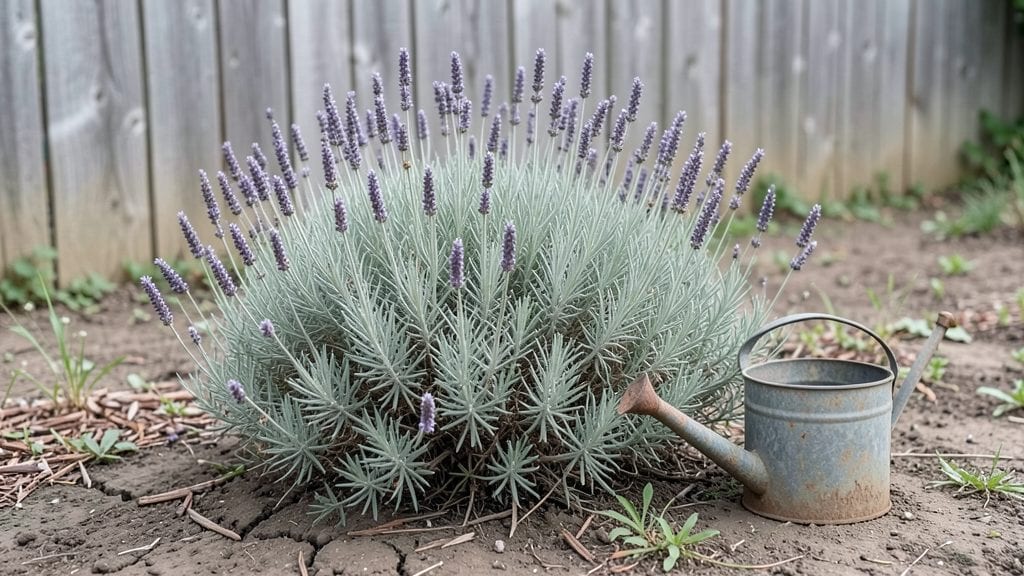
Your lavender plant’s drooping stems and dry soil scream one thing: underwatered lavender plant needs immediate attention—but don’t panic. I’ve nursed back more than a dozen lavenders from this exact crisis, and the fix is simpler than you’d think.
The key? Understanding lavender’s thirst isn’t like other plants’, and a few strategic watering tweaks can turn crispy stems into vibrant growth within a day.
Lavender’s roots run deep and hate soggy soil, so when you see wilting, it’s usually because the roots have shriveled from thirst—not because you’ve drowned them. Stick your finger 2-3 inches into the soil: if it feels bone-dry, that’s your cue.
The solution isn’t drowning the plant but giving it a deep, slow drink—think of it like a desert oasis, not a rainstorm. Overwatering here is just as deadly as underwatering, so we’re aiming for that sweet spot where the soil stays moist but never soggy.
Within 24 hours of this method, you’ll see the first signs of recovery: leaves perking up, stems standing taller. The secret weapon? Mulching with gravel or coarse sand—it mimics lavender’s Mediterranean habitat by keeping moisture just below the surface while preventing rot.
By next week, your plant will be back to its fragrant, silvery-blue self, and you’ll have a foolproof system to keep it thriving all season.
This fix works for both potted lavender and in-ground plants, whether you’re dealing with a single wilting sprig or a whole bed. The same principles apply whether you’re in a hot, dry climate or a cooler region—lavender’s needs stay the same.
Let’s get that soil just right and bring your plant back to life.
Root Causes Of Dry Lavender
Lavender thrives in well-draining, slightly dry soil, but when it’s underwatered, its roots struggle to absorb moisture efficiently. Understanding the why behind wilting lavender helps you prevent future stress and revive your plant faster. Here are the most common reasons your lavender is thirsty—and how to fix them.
Lavender hates soggy roots—its native Mediterranean habitat is rocky and arid, not swampy. If your soil retains too much water (like clay or heavy loam), roots suffocate, cutting off oxygen and nutrients.
Without proper aeration, moisture evaporates too slowly, leaving the plant parched even when the soil feels damp.
Science behind it: Poor drainage forces roots to work harder to access water, depleting reserves faster. Over time, this leads to root rot (a fungal infection from prolonged wetness) or osmotic stress, where the plant expends energy pushing out excess water instead of growing.
Actionable fix:
- Amend soil with perlite, coarse sand, or pumice (20-30% mix) to improve airflow.
- Plant in raised beds or containers with drainage holes to prevent water pooling.
- Test drainage: Dig a hole, fill it with water, and time how long it drains. If it takes >30 minutes, your soil is too dense.
Lavender in full sun (its ideal condition) can lose water 3x faster than shaded plants. Hot soil bakes moisture away before roots can absorb it, creating a vicious cycle: the plant wilts, conserves water by drooping, and then can’t recover because the soil is bone-dry.
Science behind it: Soil temperature above 77°F (25°C) accelerates evaporation. The plant’s stomata (pores on leaves) close to retain water, but this also blocks photosynthesis, weakening the plant further. Without rain or irrigation, lavender can go from hydrated to crispy in 24–48 hours.
Actionable fix:
- Water deeply in the morning or late afternoon (avoid midday heat).
- Mulch with gravel or pebbles (not organic mulch—it retains moisture).
- Use drip irrigation to deliver water slowly at the root zone.
Lavender has a deep taproot system—when you water lightly or too often, you only wet the top inch of soil. This encourages shallow root growth, which can’t reach deeper moisture reserves. Over time, the plant becomes dependent on surface water and wilts quickly between waterings.
Science behind it: Shallow watering triggers stress hormones (like abscisic acid) in lavender, causing leaves to curl and drop. The roots also compete for oxygen in waterlogged topsoil, reducing nutrient uptake.
Actionable fix:
- Water deeply 1–2 times per week (not daily!). Aim for 6–8 inches of soil moisture.
- Use a soaker hose or probe to check moisture depth before watering.
- If repotting, ensure the container is at least 12 inches deep to accommodate taproots.
Small pots dry out 50% faster than garden beds because they have less soil volume to hold moisture. Lavender in containers also lacks the thermal mass of garden soil, meaning heat evaporates water quicker.
If your pot lacks drainage or is too shallow, roots circle the edges (a condition called root binding), starving the plant of water and nutrients.
Science behind it: Root binding reduces the plant’s ability to forage for water. The confined roots also overheat in direct sun, increasing transpiration (water loss through leaves) exponentially.
Actionable fix:
- Upgrade to a minimum 12-inch diameter pot with drainage holes.
- Use terracotta or fabric pots (they wick away excess moisture).
- Move containers to partial shade during heatwaves to slow evaporation.
💡 Pro Tip: If your lavender is already wilting, don’t panic—revival is possible! The next section covers emergency hydration techniques to bring it back to life in 24 hours.
Revive Your Drought-Stressed Lavender
Now that you know the signs and causes of an underwatered lavender plant, it’s time to turn things around—fast! Lavender is tough but not drought-proof, so acting quickly is key.
Below are practical, step-by-step fixes tailored to the most common causes of thirsty lavender, plus prevention tips to keep your plant thriving long-term.
Fix It: Deep watering is the first step to revival.
- 🔥 Check the Soil Depth Stick your finger 3–4 inches deep into the soil. If it feels dry and crumbly, your lavender is desperate for water. If it’s damp but the top inch is dry, you’re in the clear—just monitor closely.
- 🍳 Water Slowly and Deeply Use a watering can with a narrow spout (or a hose with gentle pressure) to pour water directly into the soil at the base of the plant.
Avoid splashing leaves—wet foliage can lead to fungal issues. - How much? Water until the soil is moistened 6–8 inches deep. Overwatering now is better than underwatering, but don’t drown it. - How often? Once or twice a week, depending on your climate.
In extreme heat (above 90°F), you may need to water every 2–3 days.
- 👨🍳 Mulch Like a Pro Spread 2–3 inches of organic mulch (like straw, pine needles, or wood chips) around the base, keeping it 1–2 inches away from the stem to prevent rot. Mulch locks in moisture and regulates soil temperature.
Fix It: Adjust your watering schedule and protect your lavender from heat stress.
- ⏰ Water Early or Late
- Morning (6–9 AM): Watering early allows excess moisture to evaporate before evening, reducing fungal risks.
- Evening (4–7 PM): If you must water late, avoid wetting leaves to prevent mildew.
- 🌡️ Provide Shade During Peaks If temperatures soar above 95°F (35°C), lavender can go into shock. Use shade cloth (30–50%) or move potted lavender to a partially shaded spot for a few hours daily.
- 💡 Boost Humidity (Indirectly) Lavender loves dry air, but extreme dryness stresses it. Place a tray of pebbles and water near potted plants (not touching the pot) to add slight humidity without soggy roots.
Fix It: Improve drainage to prevent root rot and waterlogging.
- 🔪 Check the Drainage Holes
- Potted lavender? Ensure the pot has 3–4 drainage holes at the bottom. If not, drill them or repot immediately.
- Garden beds? Amend heavy clay soil with perlite, sand, or grit (1 part amendment to 3 parts soil) to improve drainage.
- 🌱 Repot If Necessary If your lavender has been in the same pot for 2+ years, roots may be crowded. Repot into a slightly larger container with fast-draining lavender mix (50% potting soil, 30% perlite, 20% coarse sand).
- 🎯 Prevent Future Issues
- Avoid saucers that trap water. If using one, empty it within 30 minutes of watering.
- Test your soil: If it stays wet for more than a day, it’s too dense. Add more grit or sand to the mix.
Fix It: Sunburned or stressed lavender needs a balance of water and light.
- 🌞 Gradually Acclimate to Sun If your lavender was recently moved to a sunnier spot, ease it in over 1–2 weeks. Start with 3–4 hours of morning sun, then slowly increase exposure.
- 💦 Increase Water Frequency (Temporarily) Newly sun-exposed lavender may need daily watering for the first week until it adjusts. After that, return to the 2–3 times per week schedule.
- ✨ Trim Damaged Foliage If leaves are brown and crispy, snip them off at the base. This encourages new growth and prevents energy loss.
Now that your plant is on the mend, keep it thriving with these long-term strategies:
- 📅 Water on a Schedule – Stick to a routine (e.g., Tuesday and Friday mornings) rather than guessing.
- 🌡️ Monitor Weather – Increase watering during heatwaves and reduce it in cool, rainy spells.
- 🌱 Choose the Right Pot – Terracotta pots dry out faster than plastic, which is ideal for lavender.
- 💡 Use a Moisture Meter – A cheap soil moisture sensor takes the guesswork out of watering.
- 🌿 Prune Regularly – Trim back 1/3 of the plant after flowering to encourage bushier, more resilient growth.
Pro Tip: 🌱 Lavender hates "wet feet." If you’re unsure whether to water, err on the side of less—it’s better to underwater slightly than to drown it!
Frequently asked questions
How do I know if my lavender is truly underwatered vs. just wilting from heat?
Check the soil first—stick your finger 2-3 inches deep. If it's bone-dry, that's underwatering. If it's damp but the top inch is dry, it's likely heat stress. Another clue: underwatered lavender wilts permanently when dry, while heat-wilted plants perk up in the evening. For heat stress, water deeply in the morning and provide afternoon shade.
Can I save lavender that's completely dry and crispy?
It depends! If the stems are still slightly pliable when bent, there's a chance. Cut back all crispy growth to healthy green tissue, then soak the pot in room-temperature water for 10-15 minutes. After drying, water deeply and move to partial shade for 3-5 days while it recovers. If stems snap when bent, the plant is likely beyond saving.
Why does my lavender recover after watering but wilt again quickly?
This usually means shallow roots from inconsistent watering. Your lavender isn't getting enough deep hydration. Water until moisture reaches 6-8 inches deep (use a probe or your finger), and consider repotting into a minimum 12-inch deep container with fast-draining soil. Mulch with gravel to prevent rapid moisture loss.
Is it better to underwater or overwater lavender?
For lavender, underwatering is less risky than overwatering. These Mediterranean plants evolved to handle drought, but soggy roots cause root rot quickly. The key is deep, infrequent watering—aim for 1-2 times per week in most climates, letting the top 1-2 inches dry between waterings. Always ensure proper drainage.
How can I tell if my potted lavender needs repotting?
Look for these signs: roots circling the pot bottom, soil drying out daily, or water draining through in under 5 minutes. If your pot is smaller than 12 inches in diameter, it's likely too small. Repot in spring using a mix of 50% potting soil, 30% perlite, and 20% coarse sand—this mimics lavender's natural dry, rocky habitat.