
Pruning
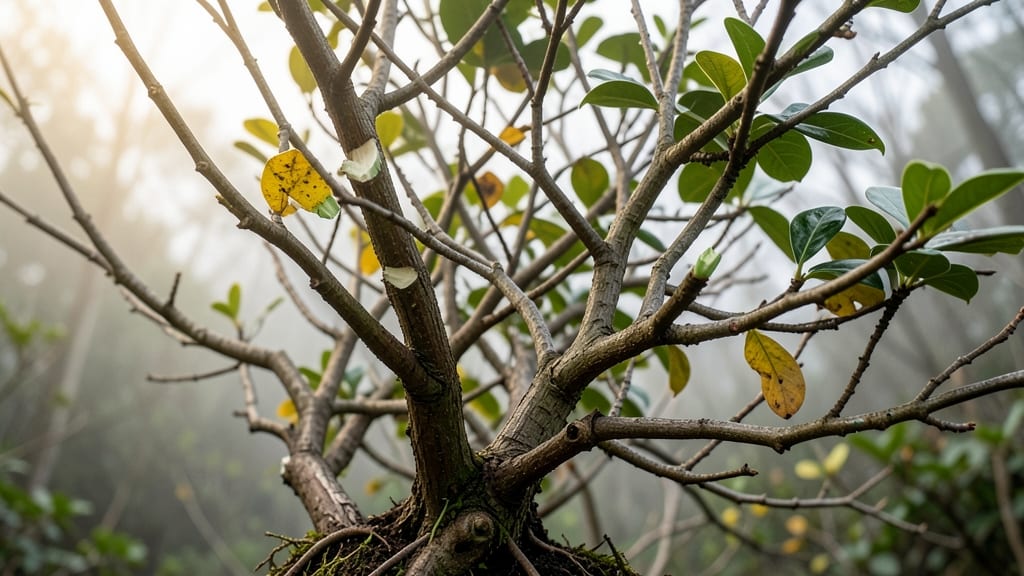
Want gardenias blooming year-round with that signature intoxicating fragrance? Proper trimming transforms these delicate shrubs from sporadic bloomers to lush, fragrant powerhouses. These 10 expert techniques will reveal the secrets to revitalizing your gardenias while maintaining their health and beauty.
Springtime Rejuvenation Pruning for New Growth
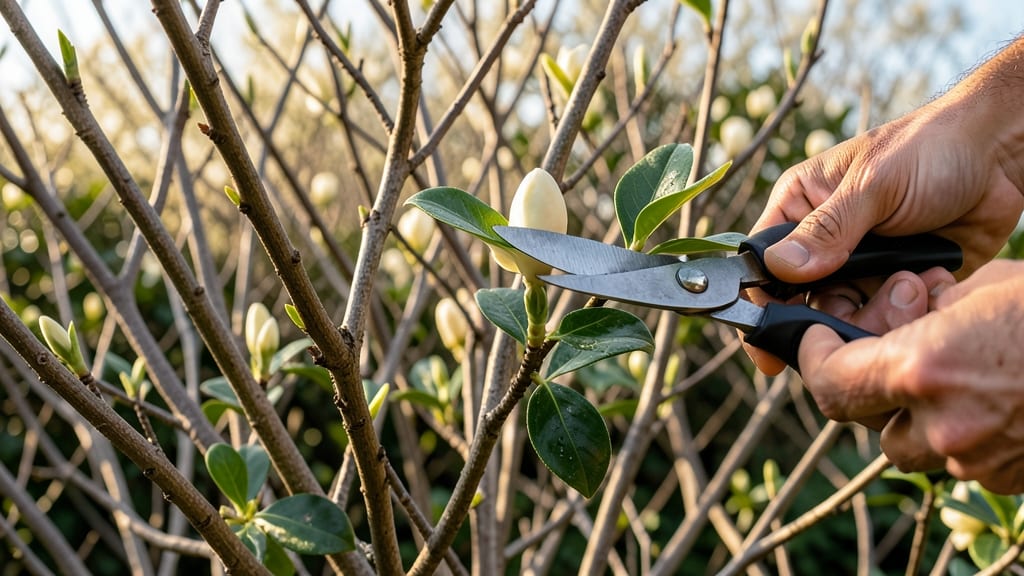
Notice your gardenia looking sparse and leggy after winter? That’s your cue for springtime rejuvenation pruning—the secret to jumpstarting fresh growth and setting the stage for a summer full of fragrant blooms.
Start by trimming back overly long or bare branches by about one-third to encourage new shoots. Focus on cutting just above a leaf node or bud, using clean, sharp pruners to avoid tearing. This early-season trim redirects energy toward foliage production, which is essential for gardenias that bloom on new wood.
Perfect for gardeners who want to revive their plants without drastic cuts, this method works best in late winter to early spring (just as new growth begins). Your gardenias will reward you with denser foliage and more blooms by summer. ✨
Deadheading Wilted Blooms to Encourage More Flowers
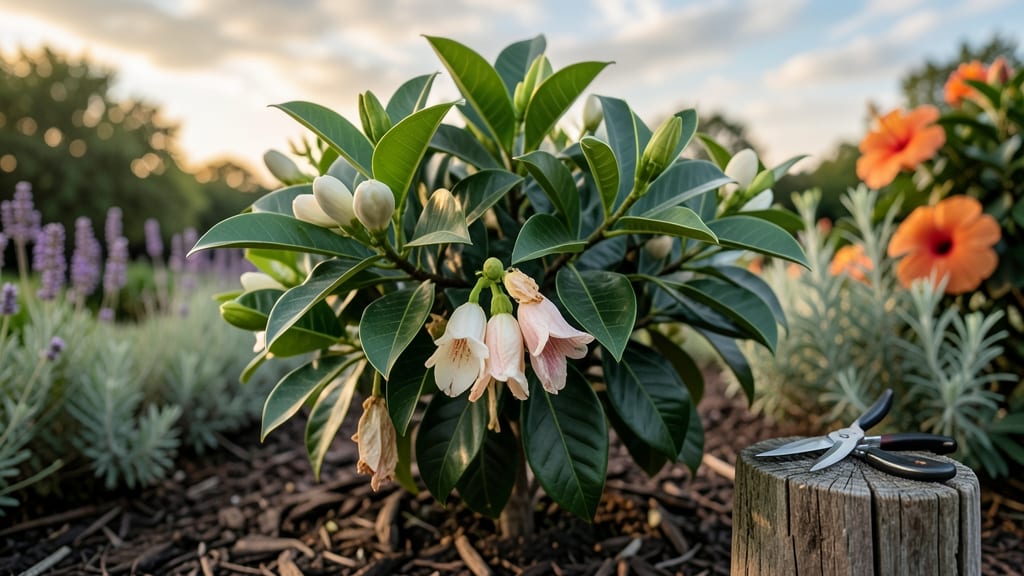
Your gardenias might be putting all their energy into just one glorious bloom season—but a simple 5-minute daily habit can change that. Deadheading those spent flowers isn’t just about looks; it redirects the plant’s energy toward producing more buds, potentially extending your fragrance-filled season by up to 6 weeks.
Use clean, sharp pruners or even your fingers to snip off faded blooms just above the nearest leaf node. Avoid cutting into old wood, as gardenias bloom on new growth—this encourages fresh flowers to form in the same spot. For container gardenias, this technique is especially valuable since space is limited, and every bloom counts.
This method is perfect for busy gardeners who want low-maintenance results with high rewards. With consistent deadheading, you’ll enjoy a longer display of those iconic white blooms and their intoxicating scent. 🌷
Summer Light Pruning for Airflow and Pest Control
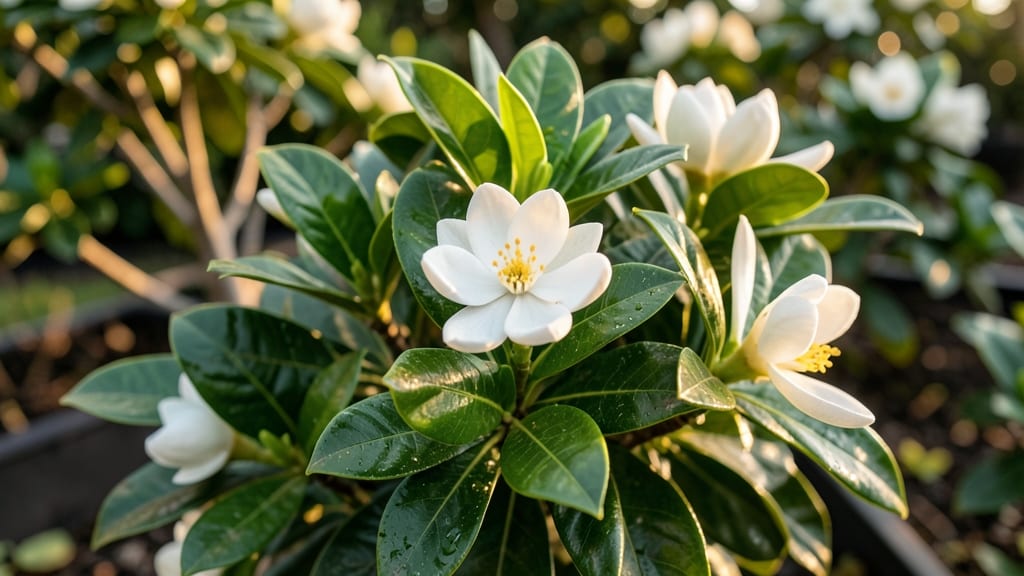
If your gardenias are battling powdery mildew or sluggish growth in hot, muggy summers, the solution might be simpler than you think: strategic light pruning. Unlike heavy cuts, this minimalist approach focuses on thinning dense foliage to let air and sunlight circulate—preventing fungal diseases before they start.
Start by removing only the innermost branches that block airflow, using clean, sharp shears to avoid tearing. Aim to create a loose, open canopy—think of it as giving your gardenia a breath of fresh air. Focus on lower branches first, as these trap moisture and attract pests. For humid climates, prune during early morning when humidity is lower, and always sterilize your tools with rubbing alcohol to prevent spreading disease.
This method is ideal for gardeners in southern states or tropical regions, where gardenias often suffer from mildew. With just 10-15 minutes of light pruning every 4-6 weeks, you’ll keep your plants thriving and fragrant all summer long. 🌿
Shaping Rounded Canopy for Maximum Blooms
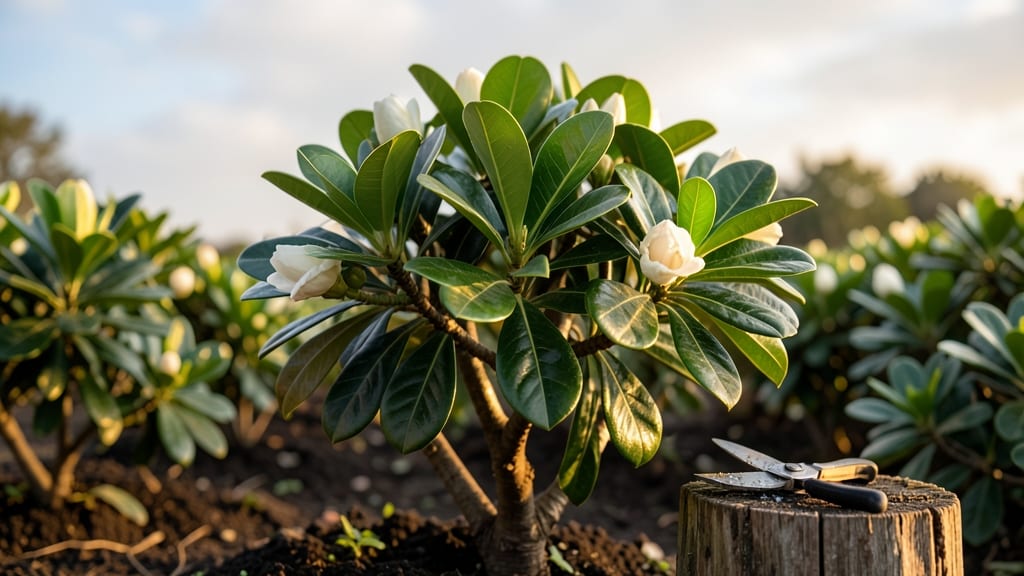
Turn your gardenia from a lanky shrub into a bloom-producing powerhouse with this sculpting technique that mimics nature's own design. By shaping a rounded canopy, you're not just creating a pretty silhouette—you're strategically increasing the plant's surface area to capture more sunlight, which is especially crucial for gardenias that bloom on old wood and need that extra energy boost.
Start by identifying the central leader (main vertical stem) and make angled cuts just above outward-facing buds to encourage branching. Trim back any overcrowded or crossing branches to create an open, dome-like structure. For best results, prune in late winter or early spring when the plant is just waking up from dormancy, and repeat lightly after each bloom cycle to maintain the shape. This method ensures sunlight reaches the inner branches where those fragrant flowers form.
This approach works wonders for gardeners who love the artistic side of pruning while maximizing blooms—ideal for those with gardenias in full-sun locations where every extra inch of light exposure counts. 🌻
Winter Dormancy Pruning to Remove Weak Branches
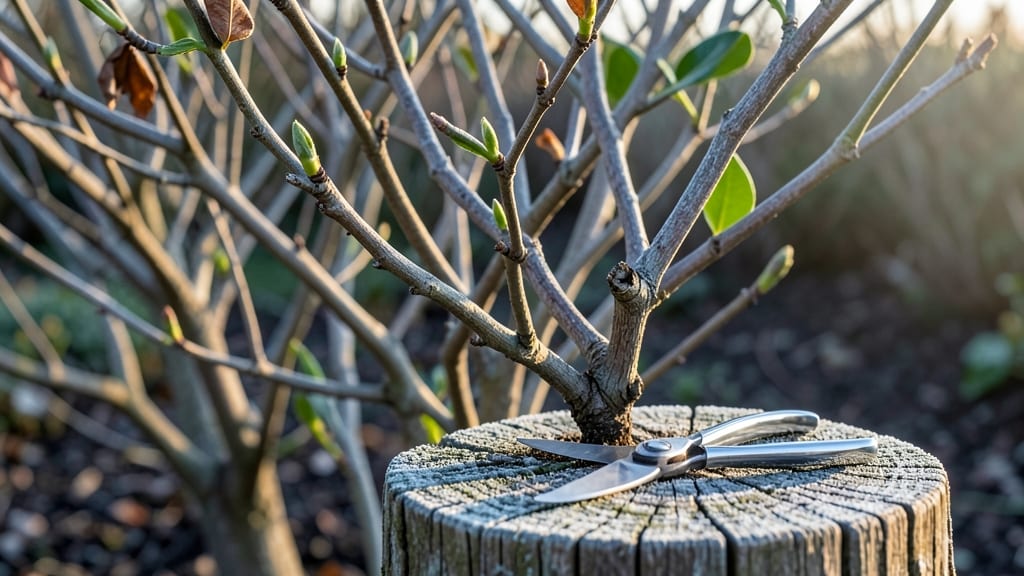
While your gardenia sleeps through winter, weak branches silently sap energy that could fuel next year’s blooms. This late-winter pruning—done just before new growth begins—is your chance to reset the plant’s structure and redirect its focus toward vibrant spring flowers.
Target dead, crossing, or diseased branches first, cutting back to healthy wood at a 45-degree angle. Avoid heavy pruning—remove only what’s necessary to maintain the plant’s natural shape. Use sterilized pruners to prevent spreading pathogens, and work on a dry, frost-free day when the plant is fully dormant but not yet waking up.
This technique is especially valuable for gardeners in colder climates where winter stress weakens branches. By removing these energy drains now, you’ll encourage stronger new growth and earlier blooms when spring arrives. 💚
Pinching New Growth for Bushier Gardenias
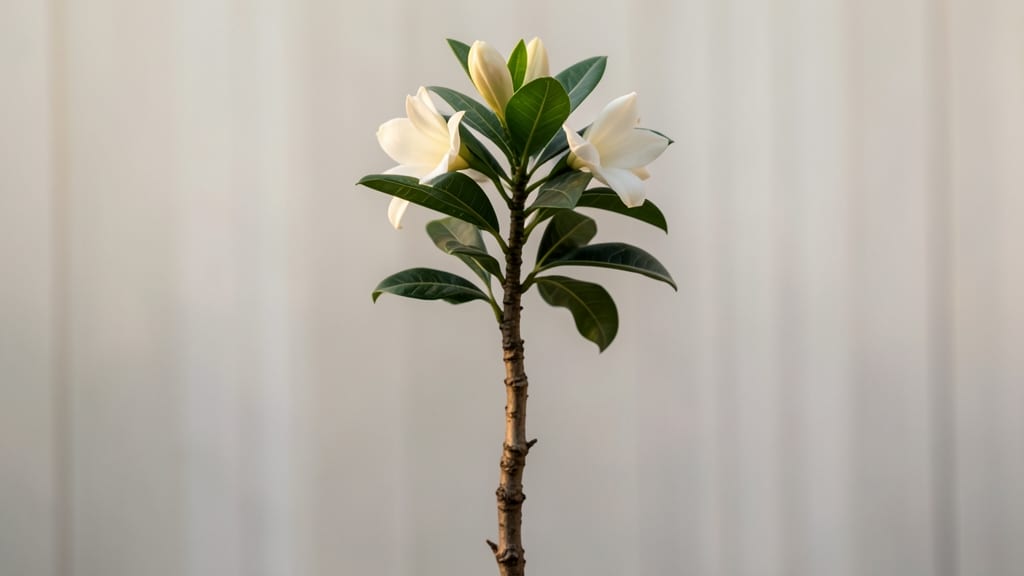
If your gardenia looks like a single-stemmed tree with sparse blooms, it’s time to try pinching—a gentle but powerful technique that forces your plant to branch out. Unlike pruning, which cuts stems, pinching simply removes the tips of new growth to redirect energy into side shoots, creating a fuller, bushier plant with double the blooms.
Start in early spring when you see fresh, vibrant growth emerging. Using your fingers or clean pruning shears, pinch off the top ¼ inch of each new shoot just above a leaf node. This signals the plant to produce lateral branches, which will bear more flowers. Repeat every 4-6 weeks until mid-summer, focusing on the outermost growth to encourage a rounded shape.
This method is ideal for gardeners who love fragrant gardenias but struggle with their natural single-trunk habit. With consistent pinching, you’ll transform a leggy shrub into a blooming powerhouse—no heavy pruning required! 🌟
Removing Suckers at the Base for Energy Focus
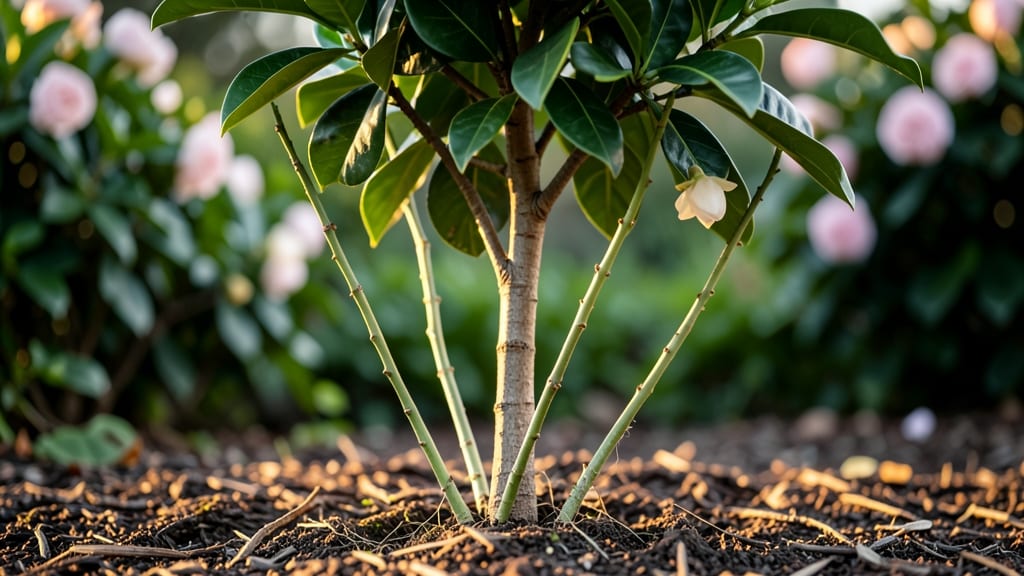
Those weak, leggy shoots sprouting from your gardenia’s base might look harmless, but they’re silently stealing energy from your prized blooms. These suckers—unwanted shoots growing at the base—compete with your main plant for nutrients, often resulting in fewer, smaller flowers.
Remove them year-round (especially in spring and summer) by snipping them off at the soil line with clean, sharp pruners. Focus on thin, non-woody growth—thicker suckers may indicate deeper root issues. This simple step redirects energy to your main branches, where blooms form, and prevents overcrowding that invites pests.
Perfect for gardeners who’ve noticed their gardenias blooming less despite good care. A 10-minute monthly check keeps your plant focused on fragrance, not foliage. 🌿
Strategic Trimming After Heavy Rain for Disease Prevention
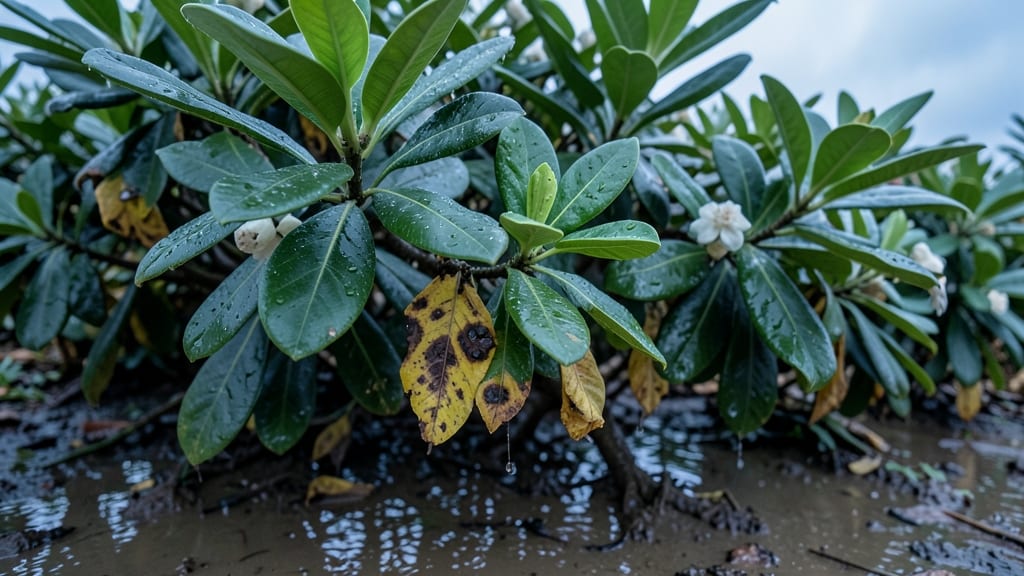
After heavy rain, your gardenia’s leaves can become waterlogged—creating the perfect breeding ground for bacterial infections like anthracnose. This post-storm trim isn’t just about cleanup; it’s a proactive step to save your plant from unsightly spots and weakened growth.
Focus on removing any yellowing, mushy, or curled leaves—these are clear signs of water damage. Use sterilized pruners to make clean cuts just above a healthy leaf node, and avoid leaving stubs. For severe cases, thin out dense branches to improve airflow, which helps foliage dry faster after rain. This technique is especially critical in humid climates where gardenias are prone to fungal issues.
Gardeners in rainy regions will see the biggest benefits, but even occasional storms can leave hidden damage. A quick post-rain inspection and trim keeps your gardenias thriving and disease-free. ✨
Trimming for Container Gardenias to Maintain Size
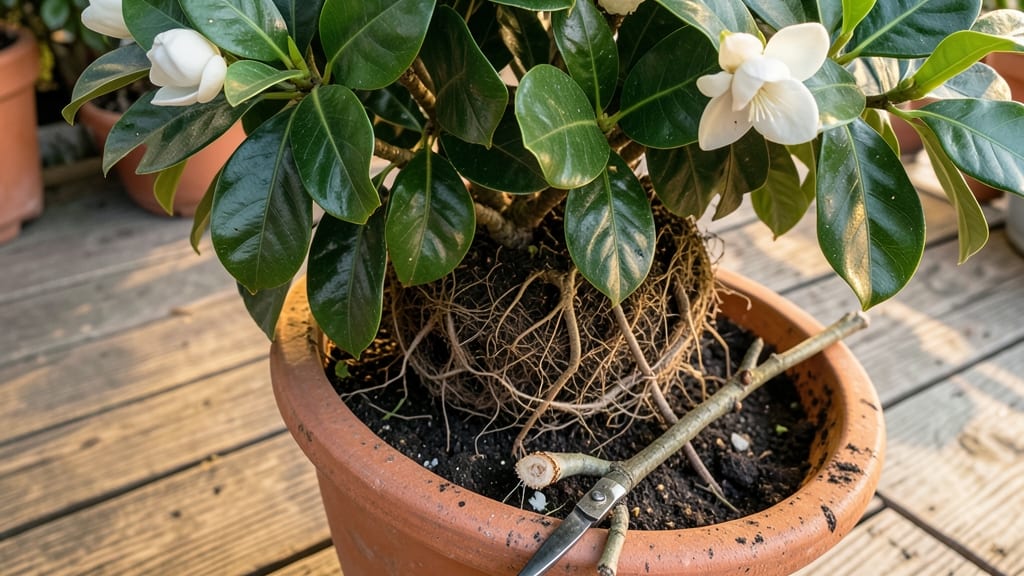
Container gardenias face a unique challenge: limited root space that can quickly lead to root-bound stress if not managed properly. Unlike in-ground plants, potted gardenias need strategic trimming to redirect energy toward blooms rather than crowded roots.
Start by pruning just after flowering (late spring) to shape the plant while it’s actively growing. Focus on cutting back leggy stems by 1/3 to encourage bushier growth and improve airflow. For root-bound plants, gently loosen surface roots and trim outermost roots (if repotting) to stimulate new growth—this mimics natural conditions and prevents suffocation.
Urban gardeners and balcony growers will love this approach, as it keeps gardenias compact yet prolific. Just avoid heavy pruning in fall—save that for in-ground plants. Your potted gardenia will reward you with more blooms in the same small space. ✨
Revitalizing Overgrown Gardenias with Drastic Renewal Pruning

When your gardenia has become a tangled mess of overgrown branches with barely any blooms, it’s time for a drastic renewal pruning. This isn’t your typical trim—it’s a full reset that can bring your plant back to life, producing fresh blooms within just 6 months if done correctly.
Start by cutting back up to one-third of the plant’s height, focusing on removing old, woody stems and crossing branches. Use clean, sharp pruners to make cuts just above a leaf node or bud. After pruning, apply a balanced fertilizer to support new growth, and keep the soil consistently moist but not waterlogged. This technique works best in early spring, when the plant is just waking up from dormancy.
Perfect for gardeners who’ve let their gardenias grow wild or those dealing with neglected plants, this method is your last chance to revive them before considering replacement. With patience and care, you’ll have a fragrant, blooming gardenia once again. ✨