
Companion Plants
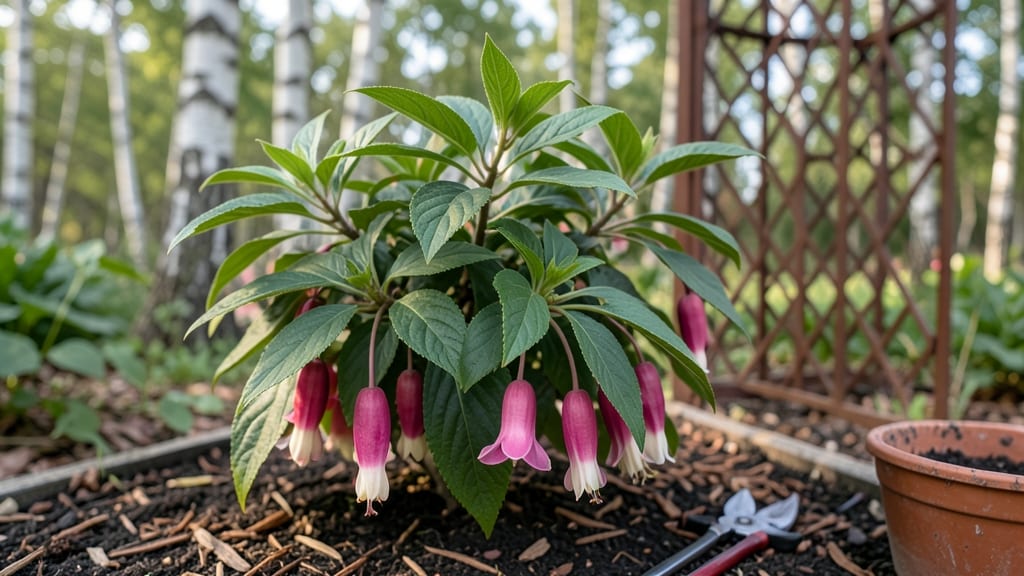
Bush fuchsia plants bring a neon explosion to your garden that hummingbirds can’t resist. 🌿 I’ve grown them for five summers now, and each year they outperform my expectations—drought-tolerant once established, packed with blooms from spring to frost, and effortlessly low-maintenance once you get the basics right.
The key is mimicking their natural habitat: bright, indirect light (they’ll scorch in harsh afternoon sun) and well-draining soil that stays slightly moist but never soggy. Most gardeners overwater these plants, thinking they need constant moisture—actually, they thrive on neglect once their roots are settled.
A 5-gallon pot or in-ground planting in zones 9-11 (or containers moved indoors in colder climates) works perfectly.
You’ll see those signature tubular flowers—red, pink, or white—within 6-8 weeks of planting, and they’ll keep blooming if you deadhead spent flowers and fertilize lightly every 4-6 weeks with a balanced 10-10-10 mix.
The hummingbirds will find them faster than you can say “nectar source,” and your neighbors will ask how you keep them looking so lush.
Here’s the secret weapon: pruning back by one-third right after the first flush of blooms encourages a second wave of flowers. And if you live outside their native range, overwintering them as houseplants (with bright light and minimal water) guarantees they’ll bounce back bigger than ever next spring.
📚 In This Guide
- What you need
- Instructions
- Tips and common mistakes
- Wrapping up and next steps
What you need
- ● Bush fuchsia plants: Choose between: Seeds (for DIY growers—germination takes 14–21 days)
- ● Young plants (from nurseries or garden centers, 6–12 inches tall)
- ● Cuttings (6–8 inch stems from a healthy bush fuchsia)
- ● Well-draining potting mix: 3–5 gallons (for containers) or amended garden soil (for in-ground planting). Mix in perlite or sand (20–30% by volume) to improve drainage.
- ○ Containers (optional but recommended): 10–12 inch diameter pots (for single plants)
- ● 14–16 inch pots (for multiple plants or bushier growth)
- ● Drainage holes are a must—no exceptions!
- ● Fertilizer: Balanced 10-10-10 or 20-20-20 fertilizer (for seedlings/young plants)
- ● Low-phosphorus 20-10-20 or 15-5-15 (for established plants to encourage blooms)
- ● Watering can or hose with a gentle spray nozzle (avoid overwatering—fuchsias hate soggy roots!).
- ● Gloves (to protect your hands from thorns or soil-borne pathogens).
- ● Trowel or small shovel (for transplanting or amending soil).
- ● Pruning shears (sterilized with rubbing alcohol) for trimming dead blooms or shaping plants.
- ○ Hummingbird feeder (optional but fun!) 🐦 Place it near your fuchsias to attract pollinators!
- ○ Mulch (optional): 1–2 inches of pine bark or shredded leaves to retain moisture and suppress weeds.
- ● Sunlight: Partial shade (4–6 hours of morning sun, afternoon shade in hot climates). Avoid full sun—it can scorch leaves!
- ● Temperature: Ideal range is 50–75°F. Protect from frost (below 32°F kills them).
- ● Humidity: Thrives in 50–70% humidity. Mist leaves occasionally in dry climates.
- ● Patience: Seeds take 3–4 months to bloom; nursery starts may flower in 8–12 weeks.
Step-by-Step guide to planting and cultivating bush fuchsias
Here's how to establish thriving bush fuchsias with abundant blooms that hummingbirds can't resist.
🌱 Step 1: Choose the Right Location and Prepare the Soil
Bush fuchsias thrive in partial shade to dappled sunlight, ideally receiving 4-6 hours of morning sun and afternoon shade—especially in hotter climates. I always select a spot that gets filtered light through nearby trees or a north-facing patio where leaves create natural shade. The soil must drain well, so if your garden retains moisture, amend it with 2-3 inches of perlite or coarse sand per square foot.
Before planting, loosen the soil to a depth of 12 inches with a garden fork. Work in 2 cups of compost and 1 cup of slow-release fertilizer (10-10-10 ratio) into the top 6 inches of soil. This ensures your plants have the nutrients they need to establish strong root systems. If planting in containers, use a well-draining potting mix with added perlite to prevent root rot.
🪴 Step 2: Plant Bush Fuchsias at the Correct Depth and Spacing
Dig holes twice as wide as the root ball but only as deep as the container the plant came in. This prevents burying the stem, which can cause rot. Gently remove the plant from its container and tease the roots outward if they’re tightly bound. Place the bush fuchsia in the hole so the top of the root ball sits level with the surrounding soil—never deeper.
Space plants 18-24 inches apart to allow for air circulation and future growth. I always plant in clusters of 3-5 plants to create a fuller, more attractive display. After positioning, backfill the hole with soil and press gently around the base to eliminate air pockets. Water deeply to settle the soil and encourage root contact with the amended mix.
💧 Step 3: Establish a Watering Routine for Healthy Growth
Bush fuchsias prefer consistently moist but never soggy soil. Water deeply once a week, providing 1-1.5 gallons per plant during the first 4-6 weeks to help roots establish. You’ll know you’ve watered enough when excess moisture drains from the bottom of the pot (if container-grown) or when the top 2 inches of soil feel damp to the touch.
Once established, reduce watering to every 10-14 days, depending on rainfall and temperature. Mulch around the base with 2 inches of organic mulch (like shredded bark) to retain moisture and suppress weeds. Avoid overhead watering, as wet foliage can encourage fungal diseases. Instead, water at the soil line using a soaker hose or drip irrigation for targeted hydration.
☀️ Step 4: Prune and Fertilize for Continuous Blooms
Prune bush fuchsias twice a year—once in early spring to shape the plant and again in mid-summer to encourage a second flush of blooms. Cut back leggy stems by one-third and remove any dead or diseased growth with clean, sharp pruners. I always sterilize my tools with rubbing alcohol between cuts to prevent spreading pathogens.
Feed plants every 6-8 weeks during the growing season with a balanced liquid fertilizer (20-20-20) diluted to half strength. This promotes lush foliage and vibrant blooms. Stop fertilizing in late summer to allow plants to harden off for winter. Deadhead spent flowers regularly to redirect energy into new growth—simply pinch or snip off faded blooms just above a set of leaves.
⏰ Step 5: Protect and Prepare for Seasonal Changes
Bush fuchsias are tender perennials and need winter protection in colder climates. Before the first frost, cut back stems by half and mulch heavily with 4-6 inches of straw or leaves to insulate the roots. In containers, move plants to a cool, bright location (like a garage or shed) where temperatures stay above 30°F. Reduce watering to once every 3-4 weeks during dormancy.
In spring, resume watering and fertilizing as new growth appears. Watch for new shoots emerging from the base—this signals it’s time to resume regular care. If you notice yellowing leaves, it’s often a sign of overwatering or nutrient deficiency, so adjust your routine accordingly. With proper seasonal care, your bush fuchsias will reward you with year-round blooms and a steady stream of hummingbird visitors.
Tips & tricks for thriving bush fuchsia plants
These game-changing strategies will help you cultivate bush fuchsias that burst with color and attract hummingbirds like magnets.
The Light Factor: Pay close attention to that 4-6 hours of morning sun guideline in Step 1. I've learned the hard way that afternoon sun can scorch delicate fuchsia leaves—even in cooler climates. If your garden has intense afternoon sun, consider planting near a deciduous tree that will provide natural shade during the hottest hours. For container growers, position pots where they'll receive morning light but be shaded by an awning or patio umbrella after 10 AM.
Soil Science: The 2-3 inches of perlite or coarse sand amendment in Step 1 isn't just about drainage—it's about creating the perfect air-to-soil ratio. I recommend mixing in 1 part perlite to 3 parts soil for optimal results. This prevents that dreaded "soggy bottom" syndrome while still holding enough moisture for those deep roots. For container plants, use a mix that's 70% potting soil to 30% perlite/vermiculite to maintain that ideal structure.
Watering Wisdom: That 1-1.5 gallons per plant during the first 4-6 weeks might sound like a lot, but it's crucial for root establishment. I use a simple test: if the top 2 inches of soil feel dry to the touch, it's time to water. For containers, I weigh them—when they feel noticeably lighter, that's your cue. The key is deep watering that encourages roots to grow downward rather than staying shallow.
Pruning Precision: When you're cutting back those leggy stems by one-third in Step 4, always make your cuts just above a leaf node or set of leaves. This encourages branching and more blooms. I sterilize my pruners with rubbing alcohol between cuts (as mentioned), but I also like to use a sharp pair of scissors for smaller trims—it gives me more control. And remember, the mid-summer pruning isn't just about shaping; it's about triggering that second flush of blooms before winter.
Pro Tips for Bush Fuchsia Plants
- These game-changing strategies will help you cultivate bush fuchsias that burst with color and attract hummingbirds like magnets.
- The Light Factor: Pay close attention to that 4-6 hours of morning sun guideline in Step 1.
- Soil Science: The 2-3 inches of perlite or coarse sand amendment in Step 1 isn't just about drainage—it's about creating the perfect air-to-soil ratio.
Frequently asked questions
Got questions about growing bush fuchsias? We’ve got answers!
Whether you’re a beginner or a seasoned gardener, these frequently asked questions will help you cultivate stunning, hummingbird-friendly blooms with ease.
How do I encourage bush fuchsias to bloom more?
Prune lightly after flowering to remove spent blooms and shape the plant. Feed with a balanced, water-soluble fertilizer (like 10-10-10) every 4-6 weeks during the growing season. Bonus tip: Deadheading spent flowers redirects energy to new blooms!
Are bush fuchsias frost-tolerant?
Most bush fuchsias are tender perennials and can’t handle frost. In colder climates, grow them as annuals or bring potted plants indoors before temperatures drop below 40°F. Mulch can offer slight protection in mild winters, but expect to replant yearly in chilly zones.
Why aren’t hummingbirds visiting my bush fuchsias?
Hummingbirds love red, tubular flowers—ensure your fuchsias are in full sun (6+ hours/day) and blooming. If visits are still sparse, try adding companion plants like salvias or bee balm. Avoid pesticides, as they can deter pollinators.
Can I grow bush fuchsias in containers?
Bush fuchsias thrive in containers with well-draining soil and a mix of perlite or sand. Choose pots at least 12 inches wide and water consistently—containers dry out faster. Rotate pots occasionally for even growth.
What pests commonly affect bush fuchsias?
Watch for aphids, spider mites, or whiteflies, which love tender new growth. Blast off pests with a gentle stream of water or use neem oil for organic control. Prevention tip: Keep plants healthy with proper watering and airflow to deter infestations.
Wrapping up and next steps
Bush fuchsias are a game-changer for gardeners who love color, pollinators, and low-maintenance beauty! 🌸 Their vibrant blooms and hummingbird magnetism make them a must-have for any landscape, whether you’re a beginner or a seasoned pro.
With the right care—like well-draining soil, partial shade, and occasional pruning—you’ll enjoy stunning results year after year.
Ready to transform your garden? Start small: plant one bush fuchsia in a sunny spot and watch your feathered friends flock in! For bigger impact, mix them with other pollinator favorites like salvias or coneflowers. Happy planting—your garden (and hummingbirds!) will thank you. 🐦⬛💚