
Pruning
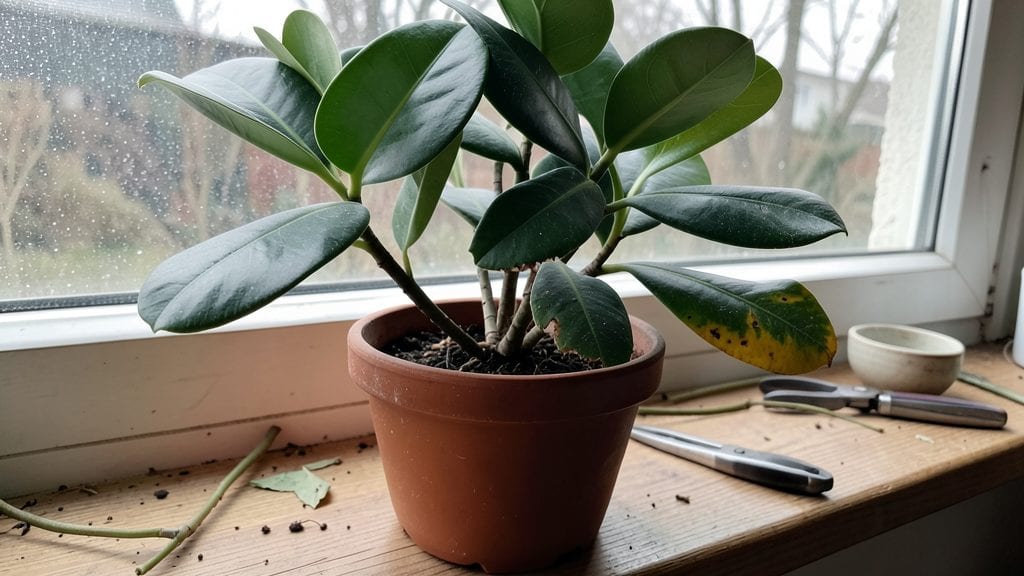
Pruning potted plants keeps them thriving year-round—it’s the difference between a leggy, sparse specimen and a lush, bushy showstopper. 🌿 I learned this the hard way when my basil turned into a sad, bare stalk after ignoring it for months.
The right cuts at the right time encourage new growth, improve airflow, and even boost flowering.
You’ll need just three basics: sharp pruning shears (or clean scissors in a pinch), a pair of gloves for grip, and a small bucket for trimmings. The key is cutting at a 45-degree angle just above a leaf node—never leaving stubs.
Most plants appreciate a trim twice a year, but herbs like basil can handle monthly snips to keep them productive.
After pruning, your plants will bounce back faster than you think. Within 2-3 weeks, you’ll see fresh shoots emerging, and the shape will tighten up beautifully. For flowering plants, deadhead spent blooms to encourage more flowers, while succulents just need a trim to keep their compact shape.
Season matters—spring and summer are ideal for most plants, but dormant trims in late winter work for shrubs. Over-pruning is the biggest mistake, so start small and observe how your plant responds.
With practice, you’ll have thriving potted plants that look like they belong in a nursery, not just your windowsill.
📚 In This Guide
- What you need
- Instructions
- Tips and common mistakes
- Wrapping up and next steps
What you need
- ● Pruning shears (bypass or anvil type) – Choose sharp, clean shears (4–6 inches) for precision cuts. Bypass shears are ideal for delicate stems.
- ● Hand pruners (for small branches) – Opt for ergonomic, stainless-steel blades (budget: $10–$20).
- ● Gloves (cut-resistant) – Protect your hands from thorns or rough edges (e.g., gardening gloves with reinforced palms).
- ● Disinfectant (70% isopropyl alcohol or bleach solution) – Sterilize tools between cuts to prevent disease spread (1 part bleach : 9 parts water).
- ● Sharpie or permanent marker – Label pruned stems if propagating (e.g., for cuttings).
- ● Loppers (for thicker stems) – Useful for overgrown potted trees (e.g., 8–12 inch blades).
- ● Horticultural oil or pruning sealant – Apply to large cuts to prevent sap loss or pests (e.g., Tanglefoot).
- ● Compost bin or paper bag – Collect pruned debris for composting or disposal.
- ● Watering can or spray bottle – Hydrate plants before and after pruning (especially in dry seasons).
Instructions for pruning potted plants seasonally
Here's how to keep your potted plants thriving year-round with just three simple trims.
✂️ Step 1: Spring Pruning for New Growth
Start by removing any dead, damaged, or crossing branches first—these compete for energy and invite pests. Use clean, sharp pruners to make cuts at a 45-degree angle just above a leaf node or outward-facing bud. This encourages stronger regrowth and better airflow through the plant.
Next, trim back any leggy growth that stretched toward light during winter. Cut back by about one-third to promote bushier, fuller growth. You'll see fresh, vibrant new leaves emerging within 2-3 weeks—that's your signal the plant is responding well. For flowering plants, remove any dead blooms now to redirect energy toward new flowers.
☀️ Step 2: Summer Maintenance for Shape and Health
Mid-summer is all about shaping and keeping plants from getting too crowded. Pinch back the tips of new growth to encourage branching—this works especially well for herbs like basil or ornamental plants like fuchsias. Use your fingers or small pruners to snip just above a set of leaves.
Watch for yellowing or diseased leaves and remove them immediately to prevent spread. Always cut at the base of the leaf stem, not mid-stem, to avoid leaving stubs that can rot. Water the plant 24 hours before pruning—this reduces stress and helps it recover faster after trimming.
✂️ Step 3: Fall Cleanup for Winter Prep
As temperatures drop, focus on removing all dead or dying foliage and spent flowers. Cut back perennials by about half their height to reduce stress during dormancy. For woody plants like dwarf citrus or olive trees, trim any weak or crossing branches to improve next year's growth.
Reduce watering gradually over the next 2 weeks before your first hard frost. This helps the plant harden off naturally. If you notice any new growth starting in fall, hold off on pruning—let it mature before trimming in spring.
⏰ Step 4: Winter Pruning for Renewal
Winter is the best time to tackle major structural pruning. Remove any dead wood first—it's easy to spot against bare branches. Then, thin out the center of the plant to improve light penetration and airflow. Cut back to an outward-facing bud or branch to maintain an open, airy shape.
For evergreens, lightly trim any overgrown branches to maintain their natural form. Avoid heavy pruning in winter unless necessary—plants are dormant and need their energy reserves. If you do prune, do it on a mild day when temperatures stay above 40°F to prevent shock.
Tips & tricks for perfect seasonal plant pruning
Here's what I've learned after years of keeping my potted plants lush and healthy through every season.
The 45-Degree Angle Secret: When pruning in Step 1, that 45-degree angle isn't just about looks—it's about directing water away from the cut to prevent rot. Imagine the angle letting rainwater slide off like a roof. I always check my pruners are sharp first; dull blades crush stems instead of making clean cuts, which invites disease.
Timing is Everything: The 24 hours before summer pruning is crucial because it gives your plant time to hydrate fully. Think of it like giving your plant a drink before a workout. I've seen plants wilt dramatically after pruning when they weren't properly hydrated beforehand. For flowering plants, always remove dead blooms at the base—this redirects energy to new flowers rather than seed production.
Winter Pruning Wisdom: That 40°F minimum temperature in winter isn't arbitrary—it's when most plants can still heal from cuts. I've learned the hard way that pruning in freezing temps shocks plants, especially evergreens. If you must prune in colder weather, do it on the warmest part of the day and avoid heavy cuts. For woody plants, focus on removing dead wood first—it's the easiest to spot against bare branches and won't regrow anyway.
Seasonal Shape Strategy: The one-third trim in spring and half-height cut in fall aren't random numbers—they're based on plant biology. Cutting back by these amounts stimulates bushier growth without shocking the plant. I mark my calendar for these seasonal prunes so I don't accidentally do major trims at the wrong time. For example, I never prune spring bloomers after they've flowered, as that removes next year's buds.
Pro Tips for Pruning Potted Plants
- Here's what I've learned after years of keeping my potted plants lush and healthy through every season.
- The 45-Degree Angle Secret: When pruning in Step 1, that 45-degree angle isn't just about looks—it's about directing water away from the cut to prevent rot.
- Timing is Everything: The 24 hours before summer pruning is crucial because it gives your plant time to hydrate fully.
Frequently asked questions
When is the best time to prune potted plants?
Prune potted plants in early spring (just before new growth), late summer (to encourage blooms or shape), and early fall (to tidy up before dormancy). Avoid heavy pruning in winter unless your plant is dormant or overgrown. Pro tip: Always prune after watering to reduce stress on the plant!
Can I prune potted plants at any time of year?
While seasonal pruning is ideal, you can do light maintenance anytime—like removing dead leaves or yellowing foliage. However, avoid heavy pruning in extreme heat or cold, as it can shock the plant. If you must prune outside the ideal window, do it on a mild, cloudy day to minimize stress.
What if I cut too much off my potted plant?
Don’t panic! Over-pruning can stress the plant, but it often recovers with proper care. Reduce watering slightly, move it to bright, indirect light, and fertilize lightly after 2–3 weeks. For woody plants (like succulents or citrus), you can even propagate the cuttings to grow new plants!
Do I need special tools to prune potted plants?
Not necessarily! While clean, sharp pruners or scissors work best, you can use sterilized kitchen scissors in a pinch. For larger pots, bypass pruners are ideal, while concave cutters work well for succulents. Always disinfect tools with rubbing alcohol between plants to prevent disease.
Will pruning encourage more flowers or fruit?
Yes! Pruning blooming plants (like fuchsias or citrus) after flowering promotes bushier growth and more blooms next season. For fruiting plants (like tomatoes or peppers), prune suckers and lower leaves to direct energy to fruit production. Pinch back leggy growth to encourage compact, flower-heavy plants.
Wrapping up and next steps
Pruning your potted plants isn’t just a seasonal chore—it’s a year-round love language for your green companions! 🌿 By mastering the spring flush, summer shape-up, and fall/winter tidy-up, you’ll keep your plants thriving, blooming, and looking their best.
Remember: confidence comes with practice, so don’t hesitate to snip, observe, and adjust as you go.
Ready to take the next step? Grab your pruners, pick a sunny day, and start small—even one well-pruned plant makes a difference! For extra inspiration, bookmark this guide or join a plant-care community to share your progress. Your green thumb is closer than you think! 🌱✨