
Pruning
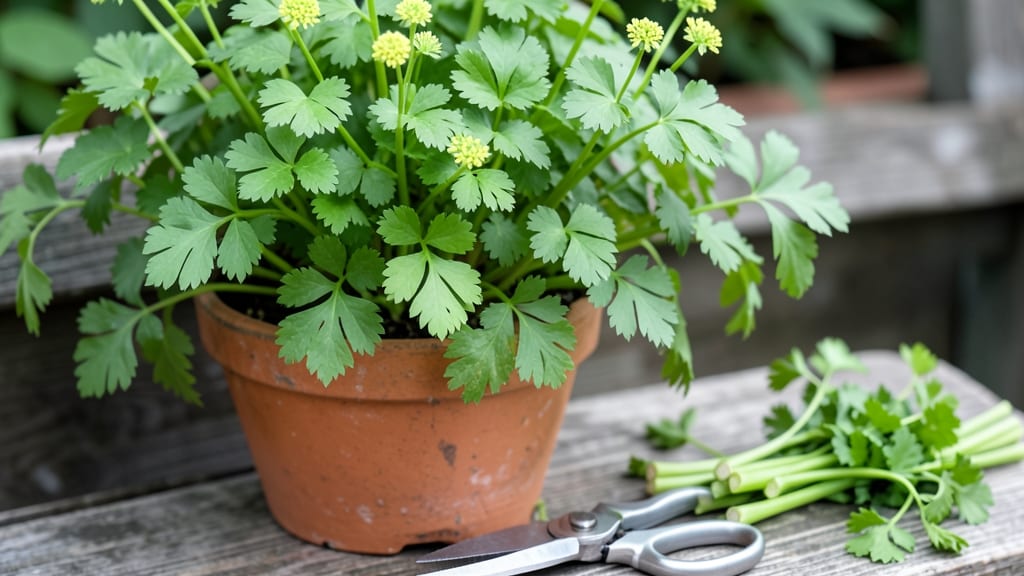
Trimming parsley plants isn’t just about harvesting—it’s the secret to keeping your plants lush and productive for months, not weeks. ✨ I’ve learned that skipping this step means sparse, leggy stems and bitter-tasting leaves, but a few strategic cuts transform parsley into a self-replenishing herb factory.
The key is timing and technique: always trim just above a leaf node (where new growth emerges) and avoid cutting more than one-third of the plant at once. Start with the outer leaves first—they’re fully mature and ready to harvest, while inner leaves stay tender.
This method keeps your parsley bushy, encourages dense regrowth, and even deters pests by improving air circulation.
By mastering these three precision trims—after harvest, during regrowth, and before winter—you’ll enjoy parsley that stays vibrant year-round. The flavor stays bright, the stems stay sturdy, and you’ll never buy it again. Ready to turn your parsley into a garden workhorse?
This works for both flat-leaf and curly parsley, whether grown in pots or garden beds. The only rule? Never cut into the woody base—those stems won’t regrow. Let’s get those shears sharp and your parsley thriving!
📚 In This Guide
- What you need
- Instructions
- Tips and common mistakes
- Wrapping up and next steps
What you need
- ● Sharp pruning shears or scissors – Choose bypass pruners (for clean cuts) or small garden scissors (for precision). Avoid dull tools to prevent crushing stems.
- ○ Clean, sterilized cutting tool (optional but recommended) – A small knife or razor blade (disinfected with rubbing alcohol) for trimming individual leaves without damaging the plant.
- ○ Gloves (optional) – Lightweight gardening gloves to protect your hands from prickly stems or dirt.
- ● Water spray bottle (4–8 oz) – For misting leaves post-trim to reduce stress on the plant.
- ● Compost bin or container – To collect trimmings for composting (parsley decomposes quickly!).
- ● Pruning saw (for woody stems) – If your parsley has thick, mature stems (common in older plants), a small pruning saw ensures smooth cuts.
- ● Plant food or liquid fertilizer (balanced, 10-10-10 or organic) – A quick feed after trimming encourages regrowth. Dilute to half-strength for parsley’s sensitive roots.
- ● Garden twine or labels – To mark trimming schedules or identify parsley varieties in shared garden spaces.
- ● Kitchen scale (0.1 oz precision) – If you’re harvesting for culinary use, a scale helps measure fresh parsley yield accurately.
How to trim parsley plants for lush, continuous harvests
Here’s how I keep my parsley thriving year-round with just three simple trims.
✂️ Step 1: First Trim for Bushier Growth
Wait until your parsley plants reach about 4-6 inches tall—that’s when the first true leaves have fully unfurled. Using clean, sharp scissors or pruning shears, cut just above a set of leaves where the stem meets the base. This encourages the plant to branch out instead of growing tall and leggy.
I like to trim about one-third of the plant at a time. You’ll see new side shoots emerge within 1-2 weeks—that’s your signal the plant is responding well. Avoid cutting into the woody base, as parsley doesn’t regrow from there.
🌱 Step 2: Second Trim for Leaf Production
About 4-6 weeks after the first trim, your parsley should have filled out nicely. This time, focus on harvesting the outer leaves rather than the center. Gently pinch or cut the largest, most mature leaves just above a leaf node (where leaves meet the stem). This prevents the plant from becoming too dense in the middle.
Real talk: Don’t trim more than one-third of the plant again—this keeps it strong. You’ll notice the remaining leaves grow larger and more flavorful as the plant redirects energy. If you see any yellowing leaves, trim those first—they’re a sign of overcrowding or stress.
⏰ Step 3: Regular Maintenance Trims
After the second trim, parsley enters a phase where it benefits from weekly light trims during active growth. Simply snip off the outermost leaves or small stems as needed. This keeps the plant compact and encourages continuous leaf production.
In cooler months, trim less frequently—every 2-3 weeks—since growth slows. If your parsley looks woody or leggy, it’s begging for a harder cut back. Just avoid trimming into the thick, brown base, as parsley won’t regrow from there.
☀️ Bonus: Winter Care Trim
Before the first frost, give your parsley a final light trim to remove any damaged or yellowing leaves. This helps the plant focus its energy on surviving the cold. In winter, trim only when necessary—usually once a month—to avoid stressing the plant.
Here’s the thing—parsley is a biennial, meaning it can live for two years if cared for properly. With these trims, you’ll have fresh, flavorful leaves for months longer than if you just let it grow wild. Just remember: sharp tools, clean cuts, and patience are your best friends.
Tips & tricks for perfect parsley plant maintenance
These precision trims are your secret weapon for keeping parsley lush and productive all year—here's how to get it right every time.
The Height Factor: Those 4-6 inches for the first trim aren't arbitrary—they're when parsley develops enough leaves to regenerate properly. If you cut too early, you'll stunt growth. Look for the first set of fully unfurled leaves as your cue, not just height alone. I've learned the hard way that cutting too soon leaves the plant looking sad and leggy.
Pruning Precision: Always cut just above a leaf node where the stem meets the base, never at a joint or into the woody center. This is where new growth emerges. I use a small notepad to sketch where I'll trim before making the cut—it helps visualize the plant's structure. Clean cuts prevent damage that could invite pests or disease.
Seasonal Adjustments: The weekly maintenance trims in Step 3 only apply during active growth seasons (spring through fall). In cooler months, switch to every 2-3 weeks as growth naturally slows. I mark my calendar with seasonal reminders so I don't over-trim in winter. The plant's natural rhythm matters more than sticking to rigid schedules.
Equipment Essentials: Never use dull scissors—they crush stems and create jagged cuts that heal poorly. I keep a small pair of pruning shears dedicated just to parsley, and I sharpen them every couple of months. Sterilize your tools with rubbing alcohol between uses to prevent spreading any potential plant diseases from one batch to another.
Pro Tips for Trimming Parsley Plants
- These precision trims are your secret weapon for keeping parsley lush and productive all year—here's how to get it right every time.
- The Height Factor: Those 4-6 inches for the first trim aren't arbitrary—they're when parsley develops enough leaves to regenerate properly.
- Pruning Precision: Always cut just above a leaf node where the stem meets the base, never at a joint or into the woody center.
Frequently asked questions
Got questions about keeping your parsley lush and productive? Here are answers to the most common concerns—so you can trim with confidence!
When is the best time to trim parsley for maximum regrowth?
Trim parsley in the morning after dew has dried but before the heat of the day. For flat-leaf parsley, cut stems just above a set of leaves (about 2–3 inches from the base). Curly parsley benefits from trimming when it reaches 6–8 inches tall. Avoid heavy pruning in late summer—it may stress plants before winter.
How often should I trim parsley to encourage bushier growth?
Trim parsley every 4–6 weeks during the growing season (spring to fall). For a continuous harvest, pinch back the tips of new growth when stems are 4–6 inches tall. In cooler climates, reduce trimming to once every 8–10 weeks in winter to avoid overstressing the plant.
Can I trim parsley in winter, or should I wait until spring?
Yes, you can trim parsley in winter, but lightly! Focus on removing yellowed or damaged leaves to prevent disease. Avoid heavy cuts—parsley grows slower in cold weather. If your climate drops below 20°F (-7°C), wait until spring (after the last frost) for aggressive trimming.
What should I do if my parsley turns yellow or wilted after trimming?
Yellowing or wilting often signals over-trimming or underwatering. If the stems are still firm, your plant may just need time to recover—water deeply and avoid trimming for 2–3 weeks. If leaves feel mushy or stems are hollow, it could be root rot or fungus. Remove affected leaves and improve drainage.
Is it okay to use kitchen scissors or should I invest in pruning shears?
For small jobs, clean kitchen scissors work fine! Just sanitize them with rubbing alcohol before and after use. For larger plants or frequent trimming, sharp pruning shears (or garden snips) make the job easier and reduce stress on stems. Avoid dull tools—they crush stems and invite disease.
Wrapping up and next steps
Trimming your parsley plants isn’t just about keeping them tidy—it’s the secret to lush, year-round growth and a steady supply of fresh herbs! With just three precision trims, you’ll encourage bushier foliage, prevent woody stems, and enjoy a harvest that lasts.
Whether you’re a seasoned gardener or a beginner, these simple steps make it easy to master the art of parsley maintenance.
Ready to level up your garden game? Grab your shears and give your parsley the care it deserves—your taste buds (and dinner plates!) will thank you. 🌿✨ Next up: Try experimenting with dried parsley or parsley-infused oils to make the most of your harvest!