
Diseases
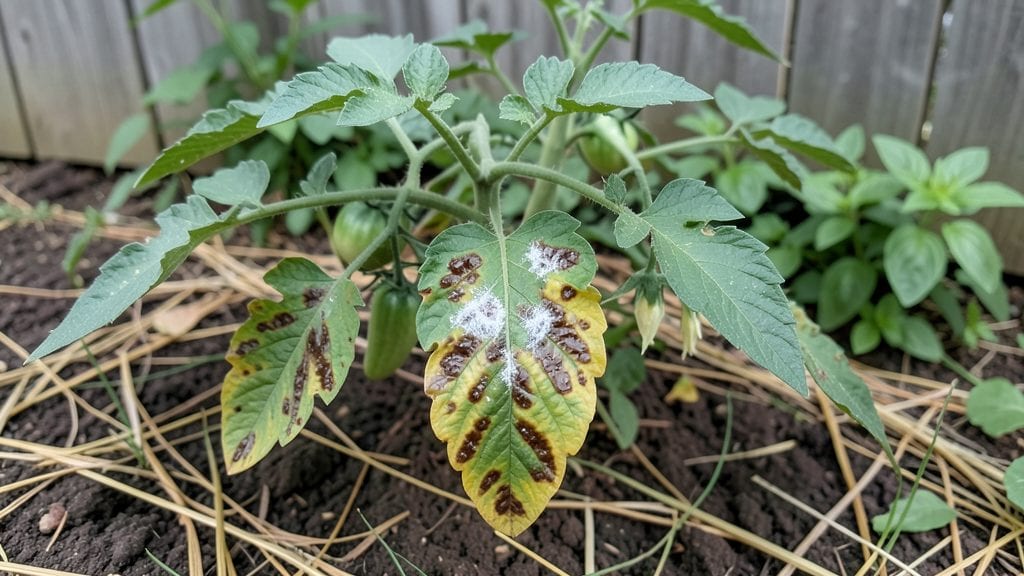
Identifying plant diseases early saves your garden from total collapse. 🌱 I’ve lost entire tomato plants to root rot because I ignored the wilting until it was too late—and now I know the subtle clues that scream "danger."
Leaf spots show up as dark, greasy patches with yellow halos, often with a fuzzy mold underneath. Root rot starts with droopy leaves that don’t perk up after watering, followed by a foul smell when you tug the plant.
The key is catching these before they spread—because once they do, your plants fight for survival.
You’ll learn to spot the difference between fungal spots and bacterial blights, plus how to tell if your plant is thirsty or drowning. A few simple tools—a magnifying glass, a damp paper towel, and a sharp knife—are all you need to diagnose problems before they wreck your harvest.
This isn’t about memorizing Latin names—it’s about recognizing patterns and acting fast. Whether you’re dealing with powdery mildew or sudden wilting, early action means healthier plants and fewer headaches. Let’s get started.
Root Causes Of Plant Illness
Plant diseases don’t just appear out of nowhere—they’re the result of a perfect storm of environmental, biological, and even human factors. Understanding why plants fall ill helps you spot early warning signs and take action before damage spreads.
Below, we break down the most common triggers for leaf spots, root rot, and other plant diseases, explained in simple terms with actionable insights.
Fungal diseases like Phytophthora (root rot) and Alternaria (leaf spots) thrive in damp environments. When soil stays soggy for days—or worse, puddles form—fungal spores germinate and infect plants through wounds or natural openings (like stomata on leaves).
- Why it happens: Excess moisture creates ideal conditions for fungal growth, while poor drainage traps water at roots, suffocating them.
- Actionable fix:
- Improve drainage with raised beds or perlite in soil.
- Avoid overhead watering; use drip irrigation instead.
- Space plants properly to allow airflow (fungi spread faster in crowded, humid areas).
Sudden temperature swings—whether scorching heat or freezing cold—weaken plants, making them vulnerable to infections. Heat stress opens stomata (leaf pores) wider, letting pathogens slip in, while cold weakens cell membranes, making plants more susceptible to bacterial or fungal attacks.
- Why it happens: Plants under stress produce less chlorophyll, reducing their ability to fight off invaders. For example, Botrytis (gray mold) flourishes in cool, humid nights followed by warm days.
- Actionable fix:
- Use mulch to regulate soil temperature (e.g., straw for heat, straw or leaves for cold).
- Choose disease-resistant varieties suited to your climate zone.
- Provide shade cloth during heatwaves or row covers in frost-prone areas.
Not all microbes are bad—some are essential for soil health. But when harmful pathogens like Pseudomonas (bacterial leaf spot) or Powdery Mildew (fungal) gain a foothold, they exploit weak plants. These pathogens can hitchhike on tools, wind, water, or even infected plant debris.
| Pathogen Type | How It Spreads | Signs to Watch For |
|---|---|---|
| Fungi | Spores travel via wind, water splashes, or contaminated tools. | Powdery white coatings (mildew), dark spots with halos (leaf spot). |
| Bacteria | Spread through sap-sucking insects, wounds, or overhead watering. | Water-soaked lesions, oozing bacteria, or yellowing leaves. |
| Viruses | Transmitted by insects (e.g., aphids) or infected grafting material. | Mosaic patterns, stunted growth, or deformed leaves. |
Actionable fix: Practice cultural controls like crop rotation, sterilizing tools with 70% alcohol, and removing infected plants immediately (don’t compost them!).
Stagnant air traps humidity around leaves, creating a greenhouse effect that fuels fungal growth. Crowded plants or dense foliage block airflow, while thick mulch layers can smother roots and trap moisture.
- Why it happens: Fungi like Rhizoctonia (which causes damping-off in seedlings) spread rapidly in still, moist air. Poor airflow also delays drying after rain, prolonging infection windows.
- Actionable fix:
- Prune plants to improve airflow between branches.
- Avoid over-mulching; keep mulch 2–3 inches away from stems.
- Use fans in greenhouses or polytunnels to reduce humidity.
Plants starved of essential nutrients (like nitrogen, phosphorus, or magnesium) have weakened defenses. Conversely, excess fertilizers—especially synthetic ones—can burn roots or disrupt soil pH, making plants more susceptible to disease.
- Why it happens:
- Nitrogen deficiency reduces chlorophyll, making leaves less able to resist pathogens.
- Iron or zinc deficiency weakens cell walls, giving fungi/bacteria easier entry.
- Over-fertilization (e.g., too much phosphorus) can attract root-rotting fungi like Phytophthora.
- Actionable fix:
- Test soil annually and amend with compost or organic matter.
- Use slow-release fertilizers to avoid burns.
- Water deeply but infrequently to leach excess salts from soil.
💡 Pro Tip: Many plant diseases are opportunistic—they only take hold when plants are already stressed. By addressing the root causes above, you’ll create an environment where healthy plants can naturally resist infections. Next, we’ll dive into how to spot these diseases early before they spread.
Fixing plant diseases step-by-step
Once you’ve identified the culprit behind your plant’s distress—whether it’s leaf spots, root rot, or another ailment—it’s time to take action. The good news? Most plant diseases can be managed with the right approach.
Below, we’ve mapped out practical solutions for common causes, along with prevention tips to keep your garden thriving long-term.
Fungal diseases thrive in damp, humid conditions, but they’re not invincible. Here’s how to fight back:
🔥 Remove Infected Plant Parts
- How: Trim away yellowed, spotted, or moldy leaves immediately using clean, sharp pruners.
Dispose of them in the trash (not compost) to prevent reinfection. - Pro Tip: 🌡️ Sterilize your tools with rubbing alcohol (70% or higher) before and after pruning to avoid spreading spores.
🍳 Apply Fungicides (Organic or Chemical)
- How:
- For mild cases: Spray plants with a baking soda solution (1 tsp baking soda + 1 quart water + a few drops of dish soap) every 7–10 days.
- For severe outbreaks: Use a copper-based fungicide (like Bordeaux mixture) or a neem oil spray (follow label instructions).
- When to Treat: Apply fungicides at the first sign of infection, and repeat every 7–14 days or after rain.
👨🍳 Improve Air Circulation & Reduce Moisture
- How:
- Prune overcrowded branches to increase airflow around plants.
- Water early in the day (before 10 AM) so foliage dries quickly.
- Avoid overhead watering—use drip irrigation or soaker hoses instead.
- Prevention Tip: 💡 Space plants according to their mature size and avoid planting too densely.
Root rot is often fatal if ignored, but catching it early gives you a fighting chance.
⏰ Stop Watering Immediately
- How: Let the soil dry out completely before watering again. Stick your finger 2 inches deep—if it’s damp, wait another day.
- Pro Tip: 🎯 If your plant is in a pot, check the drainage holes.
If they’re clogged, repot with fresh, well-draining soil.
🔪 Repot or Refresh the Soil
- How:
- For container plants: Remove the plant, trim away mushy roots (keep healthy white roots), and repot in sterile, well-draining soil (add perlite or sand if needed).
- For in-ground plants: Dig up the plant, rinse roots with water, and replant in amended soil (mix in compost and organic matter).
- Prevention Tip: ✨ Use raised beds or containers with drainage for plants prone to rot (like ferns, calatheas, or peppers).
🌡️ Adjust Watering Habits
- How:
- Water only when the top 1–2 inches of soil are dry.
- Use pots with drainage holes and avoid saucers that trap excess water.
- For heavy clay soil, amend with compost to improve drainage.
Bacterial infections spread quickly—act fast to contain them.
🔪 Prune & Destroy Infected Areas
- How: Cut off all infected leaves and stems, including 1–2 inches below the lesion. Burn or trash them—do not compost.
- Pro Tip: 💡 Avoid pruning when plants are wet to prevent spreading bacteria.
🍳 Use Copper or Antibacterial Sprays
- How:
- Spray with a copper fungicide (effective against some bacteria) or a hydrogen peroxide solution (1 part 3% H₂O₂ to 9 parts water).
- For tomatoes and peppers, rotate with bacterial-resistant varieties (like ‘Celebrity’ tomatoes) next season.
👨🍳 Sanitize Tools & Prevent Cross-Contamination
- How:
- Sterilize pruners between cuts with bleach (1 part bleach to 9 parts water).
- Wash hands after handling infected plants.
- Rotate crops—don’t plant the same family (e.g., tomatoes, peppers) in the same spot yearly.
The best cure? Stopping problems before they start. Here’s how:
| Problem | Prevention Tip |
|---|---|
| Fungal Spread | Water in the morning, avoid wetting leaves, and mulch to reduce soil splash. |
| Root Rot | Use well-draining soil, pots with holes, and avoid overwatering. |
| Bacterial Infections | Rotate crops, remove plant debris, and buy disease-resistant varieties. |
| Pests (Aphids, etc.) | Introduce beneficial insects (ladybugs) and neem oil sprays regularly. |
Final Reminder: 🌿 Act fast—early intervention is key! If a plant is beyond saving, remove it completely to protect your garden. With these steps, you’ll keep your green friends healthy and happy for seasons to come.
Frequently asked questions about plant health issues
How do I tell if yellow leaves mean disease or just overwatering?
Yellowing leaves can signal both problems, but the key difference is the plant's overall health. If leaves are soft, mushy, or smell foul, it's likely root rot from overwatering. If leaves stay crisp but yellow at the edges, check for nutrient deficiencies (like nitrogen) or fungal leaf spots. Always examine the undersides of leaves for dark spots or mold.
Can I use household items to treat fungal infections on plants?
For mild fungal issues, try a baking soda spray (1 tsp baking soda + 1 quart water + a few drops of dish soap). Neem oil (2 tsp per quart of water) also works well for powdery mildew. Always test on a small area first and reapply every 7-10 days. For severe cases, commercial copper fungicides are more effective.
Why do some plants get diseases while others in the same pot stay healthy?
Genetics and resilience play huge roles! Some varieties are bred for disease resistance, while others lack natural defenses. Age matters too—young plants and stressed mature plants are more vulnerable. Also check spacing: crowded plants trap moisture, creating perfect conditions for fungal spread. Rotate crops annually to prevent soil-borne pathogens from building up.
Is it safe to compost plant debris from diseased plants?
Never compost infected plant material! Fungal spores and bacterial pathogens can survive composting and reinfect your garden. Instead, bag infected leaves and stems in plastic and dispose of them in the trash. For severe cases (like bacterial leaf spot), burn the debris if possible to completely eliminate pathogens.
How often should I inspect my plants for early disease signs?
Check your plants weekly during growing season, and more frequently after rain or extreme weather. Focus on new growth, undersides of leaves, and stems where moisture collects. Early detection gives you the best chance to treat problems before they spread. Keep a small magnifying glass handy to spot tiny spores or lesions you might miss otherwise.