
Diseases
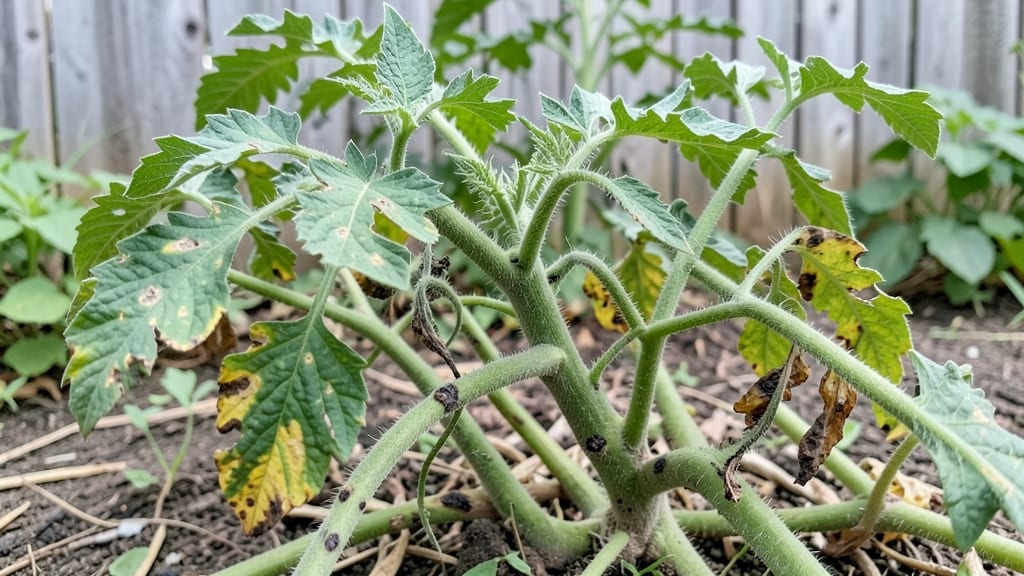
Tomato plant stem diseases can turn your lush vines into sad, wilted sticks in just days—if you don’t catch them fast. I’ve seen fusarium wilt and bacterial stem rot ruin entire harvests, but early action can save your plants.
The key is knowing what to look for: dark streaks, sudden wilting, or stems that snap like dry kindling. These diseases spread silently, so spotting them early means the difference between a thriving plant and a lost season.
Most stem diseases start with infected soil or contaminated tools, then move through the plant’s vascular system. Fusarium wilt clogs the roots, cutting off water flow, while bacterial stem rot creates oozy sores that smell foul.
The good news? You can slow them down with copper sprays, resistant varieties, and proper rotation—no fancy equipment needed. I’ve saved plants using basic garden tools and a little elbow grease, and you can too.
By the time you’re done reading, you’ll spot these threats before they take hold and know exactly how to treat them—whether it’s pruning infected stems or switching to disease-resistant tomatoes.
Your next harvest could be the best yet, with fewer surprises and more flavorful fruit. Let’s get those plants back on track.
This works for home gardens, greenhouses, or even container-grown tomatoes—just adjust your approach based on your setup. The faster you act, the better your chances. No more guessing games when your plants start looking sick.
Root Causes Behind Stem Woes
When your tomato plant’s stem starts looking sad—wilting, discolored, or oozing—it’s often a silent battle between the plant and invisible invaders. Understanding why these stem diseases strike is the first step to stopping them.
Let’s break down the science behind the suffering, so you can outsmart the culprits before they ruin your harvest.
Fungi are the sneaky villains of tomato stem diseases, thriving when moisture lingers. Pathogens like Fusarium oxysporum (causing Fusarium wilt) and Verticillium dahliae (Verticillium wilt) spread through soil, water, or contaminated tools. Here’s how it happens:
- Too Much Water: Overhead irrigation or poor drainage keeps stems damp for hours—perfect fungal breeding grounds. Phytophthora (a water-mold) loves this environment, rotting stems at the soil line.
- Stagnant Air: Dense foliage traps humidity, creating a greenhouse effect. Fungi like Alternaria (Alternaria stem canker) spread faster in these steamy conditions.
- Warm Soil: Temperatures between 75–85°F (24–29°C) supercharge fungal growth. That’s why late summer often brings outbreaks of Sclerotinia sclerotiorum (white mold).
💡 Pro Tip: Space plants for airflow and water at the base (not the leaves) to avoid wetting stems. Mulch with straw to dry soil faster!
Unlike fungi, bacteria like Pseudomonas syringae (bacterial canker) and Erwinia carotovora (soft rot) don’t need moisture—they exploit weak spots. Here’s how they sneak in:
- Physical Damage: Pruning cuts, hail, or even insect bites create entry points. Bacteria hitchhike on tools or splashing water, infecting wounds within 24–48 hours.
- Stress Factors: Drought, nutrient deficiencies, or extreme heat weaken stems, making them easier targets. Xanthomonas (bacterial spot) thrives when plants are already struggling.
- Contaminated Seeds/Transplants: Some bacterial strains hide in seed coatings or infected nursery stock, lying dormant until conditions are right.
🔪 Action Step: Sterilize pruners with 70% rubbing alcohol between cuts, and avoid working with plants when they’re wet!
A hungry plant is a sick plant. Stem diseases often flare up when roots can’t access the right nutrients, leaving stems vulnerable:
| Deficiency | How It Weakens Stems | Disease Risk |
|---|---|---|
| 🟡 Potassium (K) | Reduces cell wall strength; stems become brittle and prone to cracking. | Fungal entry points for Fusarium or Verticillium. |
| 🟠 Calcium (Ca) | Causes blossom-end rot in fruits and stem tip dieback. | Opens doors for Sclerotinia (white mold) invasion. |
| 🔴 Nitrogen (N) Excess | Leads to lush but weak stems (think "top-heavy" plants). | Increases susceptibility to Phytophthora root/stem rot. |
🌡️ Fix It: Test your soil and amend with compost or balanced fertilizer (10-10-10). Side-dress with kelp meal for potassium and crushed eggshells for calcium.
Now that you know the why, the next step is acting fast—before the disease spreads. Stay vigilant, and your tomato plants will thank you with juicy, healthy rewards!
Fixing Stem Issues Fast
Once you’ve identified the culprit behind your tomato plant’s stem woes, it’s time to act—before the problem spreads. Below are targeted solutions for each common stem disease, along with prevention tips to keep your plants thriving. Think of this as your emergency repair kit for tomato stems!
🚨 Immediate Fix:
- 🍄 Prune & Remove – Snip off infected stems below the lesion (at least ½ inch clear of dark spots) using sterilized shears (wipe with rubbing alcohol between cuts). Bag and discard the clippings far from the garden—do not compost!
- 💨 Improve Airflow – Space plants 18–24 inches apart and stake or cage them to reduce humidity. Avoid overhead watering (use drip irrigation instead).
- 🌿 Fungicide Spray – Apply a copper-based fungicide (like Bordeaux mixture) or neem oil spray (1 tbsp neem oil + 1 tsp mild soap per quart of water) every 7–10 days until new growth appears. For severe cases, use chlorothalonil (follow label instructions).
💡 Prevention Pro Tips:
- Rotate crops—don’t plant tomatoes (or nightshades) in the same spot for 3+ years.
- Solarize soil in spring: Cover beds with clear plastic for 4–6 weeks to kill fungal spores.
- Boost soil health with compost and mycorrhizal fungi to strengthen plant defenses.
🚨 Immediate Fix:
- 🗑️ Destroy Infected Plants – Bacterial wilt spreads fast. Pull up and burn or trash (not compost) affected plants immediately. Avoid watering nearby plants.
- 🧼 Sterilize Tools – Disinfect pruners with bleach (1 part bleach to 9 parts water) or 70% isopropyl alcohol before and after use.
- 💧 Adjust Watering – Water deeply but infrequently (early morning) to avoid splashing bacteria onto stems. Use drip lines instead of sprinklers.
💡 Prevention Pro Tips:
- Choose resistant varieties like ‘Celebrity’ or ‘Mountain Merit’ tomatoes.
- Test soil pH—keep it slightly acidic (6.0–6.8) to discourage bacterial growth.
- Avoid wounding plants—handle stems gently when pruning or staking.
🚨 Immediate Fix:
- 🔍 Inspect & Handpick – Look for tiny holes, frass (sawdust-like droppings), or wilting—signs of borers. Use a toothpick or skewer to stab larvae inside stems.
- 🌿 Neem Oil or Insecticidal Soap – Spray neem oil (2%) or soapy water (1 tsp mild soap per quart) on stems and foliage every 5–7 days for 2 weeks.
- 🪲 Beneficial Nematodes – Apply Steinernema carpocapsae nematodes to the soil (follow package rates) to target larvae.
💡 Prevention Pro Tips:
- Mulch heavily with straw or wood chips to deter egg-laying adults.
- Plant trap crops like basil or marigolds near tomatoes to lure pests away.
- Use row covers early in the season to block adult moths/beetles.
If your tomato’s stem is weak but not diseased, try these quick fixes: - 💪 Support with Cages/Trellises – Prevents wind/rain damage and improves airflow. - 🌱 Fertilize Smartly – Use a balanced fertilizer (10-10-10) or fish emulsion to boost vigor.
Avoid high-nitrogen (like blood meal) if fungal issues are present. - 💧 Hydrate Deeply – Water at the base, not the leaves, and mulch with straw to retain moisture without soggy stems.
✨ Final Reminder: The key to long-term success is prevention—healthy soil, good airflow, and early intervention are your best tools. Once your tomatoes bounce back, celebrate with a fresh salad! 🍅🥗
Frequently asked questions
What are the most common signs my tomato plant has a stem disease?
Look for dark streaks or discoloration running up the stem, sudden wilting (even with moist soil), or stems that snap easily. Fungal diseases like fusarium wilt often show yellowing leaves first, while bacterial stem rot creates oozing cankers with foul odors. Check the base of the stem for dark, water-soaked spots—this is a classic sign of infection.
Can I save a tomato plant with a stem disease, or should I remove it?
It depends on the disease! For fungal issues like fusarium wilt, removal is often best to prevent spread. But if you catch bacterial stem rot early, you can prune infected stems and treat with copper spray. Always sterilize tools and avoid composting diseased plant parts. When in doubt, quarantine the plant and monitor for 2 weeks—if symptoms worsen, remove it completely.
How do I prevent stem diseases in my tomato plants?
Start with healthy soil—rotate crops every 3 years and solarize beds in spring. Use drip irrigation to avoid wetting stems, and space plants for airflow. Choose disease-resistant varieties like ‘Mountain Merit’ tomatoes, and sterilize tools between cuts. Mulch with straw to keep stems dry and reduce fungal spores in soil.
Why does my tomato plant wilt during the day but recover at night?
This classic symptom often signals vascular wilt diseases like fusarium or verticillium. These fungi clog the plant’s water transport system, causing wilting during hot days when water demand peaks. Unlike drought stress, the plant recovers overnight because cooler temps reduce water loss. Test by gently pulling a leaf—if it snaps easily, it’s likely a disease, not thirst.
Are there organic treatments for tomato stem diseases?
Yes! For fungal diseases, spray with a neem oil solution (1 tbsp neem oil + 1 tsp soap per quart of water) every 7-10 days. Add baking soda spray (1 tbsp baking soda + 1 tsp soap per gallon) for bacterial issues. Boost plant immunity with compost tea or fish emulsion. While organic methods slow spread, severe cases may still require removal.