Diseases
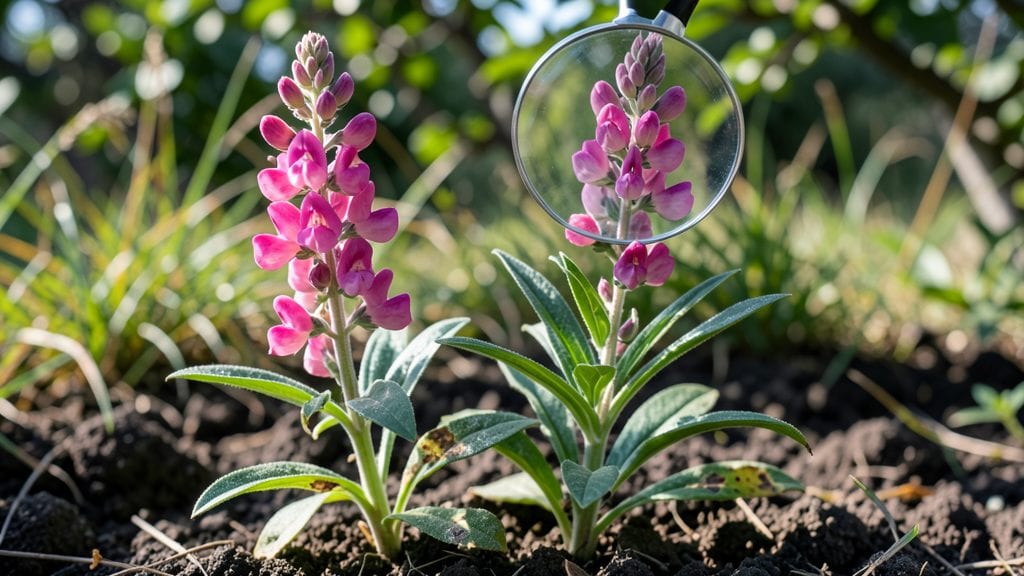
Snapdragon plant diseases like powdery mildew and bacterial spot can turn vibrant blooms into sad, spotted messes—fast. 🌿 I’ve watched my snapdragons go from showstopping to sad in just a few weeks, and I’ll show you how to spot the warning signs early and stop the spread before it’s too late.
The worst offenders—powdery mildew, downy mildew, and bacterial spot—love warm, humid conditions. That’s why proper spacing (12-18 inches apart) and watering at the base (not overhead) makes all the difference. I used to ignore these basics, and my plants paid the price with yellow leaves and wilted stems.
With the right mix of organic sprays (neem oil, copper fungicide) and cultural tweaks (better airflow, removing infected leaves), you’ll nurse your snapdragons back to health. The key is acting fast—once those white or brown spots appear, it’s time to treat before the whole plant gives up.
This works for both garden beds and containers, and the methods apply to other susceptible plants too. Let’s get those snapdragons blooming strong again—without the disease drama.
Root Causes Of Snapdragon Struggles
Snapdragons (Antirrhinum majus) are stunning, but their health can take a nosedive due to specific environmental and biological triggers. Understanding why these diseases strike is the first step to prevention—and recovery.
Below, we break down the science behind the most common culprits, so you can act before your plants show symptoms.
Fungi thrive in moist, warm conditions, making them the #1 enemy of snapdragons. Here’s how they exploit your garden:
- Overhead Watering 💦 Fungal spores (like those causing powdery mildew or downy mildew) splash onto leaves, creating perfect conditions for infection. Unlike bacteria, fungi spread via spores in the air or water, so even light misting can trigger outbreaks.
- Poor Air Circulation Dense plantings or crowded beds trap humidity near foliage. Fungi like Botrytis blight (gray mold) love stagnant air—think of it as a fungal sauna for your snapdragons.
- Stress From Overwatering Soggy soil weakens roots, making plants more susceptible to root rots (Phytophthora or Pythium). Fungi attack compromised roots first, cutting off nutrients before you even notice wilting.
- Old Debris & Mulch Leftover plant material (especially infected stems) harbors fungal spores. Never compost diseased snapdragons—burn or bag them instead.
Bacterial diseases (like bacterial leaf spot or wilt) are sneaky because they spread via water, tools, or even your hands. Here’s how they gain a foothold:
- Contaminated Tools or Hands Knives, pruners, or gloves carrying bacteria (Xanthomonas or Pseudomonas) can inoculate fresh cuts. Always sanitize tools with 70% rubbing alcohol between plants.
- Rain or Overhead Irrigation Bacteria hitch rides on water droplets, entering through stomata (leaf pores) or wounds. Unlike fungi, bacteria don’t need spores—they multiply inside plant tissues, causing oozing lesions.
- High Humidity + Warmth Ideal bacterial conditions: 75–85°F with 90%+ humidity. If your snapdragons are in a greenhouse or shaded area, bacteria thrive unchecked.
- Weakened Plants Stressed snapdragons (from drought, poor soil, or nutrient deficiency) have lower defenses, making them easy targets for bacterial invaders.
Diseases don’t just appear—they exploit vulnerabilities. These factors weaken snapdragons, making them prime targets:
- Nutrient Deficiencies 🌱 Lack of magnesium (Mg), calcium (Ca), or potassium (K) stunts growth, leaving plants prone to infections. A quick soil test reveals imbalances—add compost or balanced fertilizer to fortify them.
- Extreme Temperatures Snapdragons hate sudden heatwaves or cold snaps. Temperature swings stress plants, disrupting their natural defenses and inviting pathogens.
- Compacted or Waterlogged Soil Poor drainage drowns roots, inviting Phytophthora (a deadly water mold). Amend soil with perlite or sand to improve aeration.
- Pests as Disease Vectors Aphids, thrips, or slugs damage plant tissues, creating entry points for bacteria and fungi. Remove pests early to prevent secondary infections.
Sometimes, we’re the problem. Unintentional gardening mistakes can turn your snapdragons into a disease buffet:
- Reusing Infected Soil Fungal spores and bacterial cells persist in soil for years. If you’ve had sick snapdragons before, rotate planting areas or sterilize soil with solarization (covering with clear plastic for 4–6 weeks).
- Ignoring Crop Rotation Planting snapdragons (or other Scrophulariaceae family members like foxgloves) in the same spot yearly lets pathogens build up. Rotate with unrelated plants (like tomatoes or beans) to break the cycle.
- Skipping Cleanup Dead leaves, stems, or flowers harbor diseases over winter. Remove all debris by fall to starve fungal/bacterial reserves.
- Overcrowding Plants Tight spaces = less airflow = fungal paradise. Space snapdragons 12–18 inches apart for better ventilation.
Where you grow snapdragons directly impacts disease risk. Some regions are hotspots for specific issues:
| Factor | Risk | Solution |
|---|---|---|
| Humid Climates | Powdery mildew, downy mildew | Space plants, use fungicides early |
| Arid Regions | Bacterial wilt (from irrigation) | Drip irrigation, avoid overhead water |
| Coastal Areas | Root rots (Phytophthora) | Raised beds, well-draining soil |
| Greenhouse Growing | Botrytis blight (gray mold) | Increase airflow, reduce humidity |
The best cure? Stop diseases before they start. Here’s how:
- Monitor weather forecasts—high humidity alerts? Preemptively spray neem oil or copper fungicide.
- Water at the base (never leaves) to avoid splashing spores.
- Rotate fungicides if diseases persist—pathogens develop resistance.
By tackling these root causes, you’ll give your snapdragons the fighting chance they deserve. Next up: How to spot early warning signs—don’t miss them!
Quick Fixes for Snapdragon Ailments
When your snapdragons show signs of stress, acting fast can mean the difference between a full recovery and losing your plants. Below, we’ve mapped out practical, step-by-step solutions for the most common diseases—fungal, bacterial, and environmental—along with prevention tips to keep your garden thriving.
No fancy tools required; just a little elbow grease and know-how!
🔥 Powdery Mildew: The White Dusty Threat
Cause: Erysiphe or Sphaerotheca fungi thrive in humid, low-light conditions. Fix: 1. 🌿 Prune & Improve Airflow
- Remove infected leaves (bag and discard them far from the garden).
- Space plants 12–18 inches apart to reduce humidity pockets.
- 💦 Spray Fungicide (Natural or Store-Bought) - DIY: Mix 1 tsp baking soda + 1 quart water + a drop of dish soap. Spray every 7–10 days until gone. - Store-bought: Use neem oil (1 tbsp per gallon of water) or copper fungicide.
- ☀️ Boost Sunlight - Move plants to 6+ hours of direct sun daily—fungi hate dry conditions!
💡 Prevention Pro Tip:
- Water at the base (never overhead) to keep foliage dry.
- Rotate crops—don’t plant snapdragons in the same spot yearly.
🍅 Alternaria & Septoria Leaf Spot: The Dark Stains
Cause: Alternaria or Septoria fungi spread via splashing water or infected debris. Fix: 1. 🗑️ Clean Up Debris
- Rake and remove all fallen leaves (even tiny ones).
- Sterilize tools with rubbing alcohol between plants.
- 🧴 Apply Fungicide Early - Preventative spray: Chlorothalonil (follow label rates) or organic copper soap. - For severe cases: Repeat every 10–14 days until new growth appears.
- 🌱 Strengthen Plants - Fertilize lightly with a balanced 10-10-10 formula to encourage resilience.
🌡️ Prevention Pro Tip:
- Water in the morning so foliage dries by night.
- Avoid overhead irrigation—use drip lines instead.
💀 Root & Stem Rot: The Silent Killer
Cause: Phytophthora or Pythium fungi rot roots in soggy soil. Fix: 1. 🚰 Improve Drainage Immediately
- Check soil: Dig a hole—if water pools after 30 mins, amend with perlite or coarse sand.
- Raise beds: If soil is consistently wet, plant in elevated containers.
- 🌱 Prune & Repot (If Needed) - Trim black/mushy roots with sterilized scissors. - Repot in fresh, sterile potting mix (avoid garden soil).
- 💧 Adjust Watering Habits - Let soil dry 1 inch deep between waterings. - Use terracotta pots (they wick away moisture faster).
✨ Prevention Pro Tip:
- Mulch lightly (¼ inch) to retain moisture without suffocating roots.
- Plant in well-draining areas—avoid low spots where water pools.
💦 Bacterial Leaf Spot: The Watery Patches
Cause: Xanthomonas or Pseudomonas bacteria spread via splashing water. Fix: 1. 🧼 Sterilize Everything
- Disinfect tools with bleach water (1:10 ratio) or 70% isopropyl alcohol.
- Remove infected plants (don’t compost—they’ll reinfect!).
- 🚫 Stop Watering Overhead - Switch to drip irrigation or water at the base only.
- 💊 Use Copper-Based Bactericide - Spray copper hydroxide (e.g., Kocide) every 7–10 days for 2–3 weeks.
🎯 Prevention Pro Tip:
- Avoid working with wet plants—bacteria spread easily when foliage is damp.
🌿 Bacterial Wilts: The Sudden Collapse
Cause: Ralstonia or Pseudomonas bacteria clog plant vessels, cutting off water. Fix:
- 🚨 Sadly, no cure. Once symptoms appear (yellowing, wilting, oozing stems), dig up and destroy the plant.
- Prevent spread:
- Rotate crops—don’t plant snapdragons in infected soil for 3+ years.
- Use resistant varieties (e.g., ‘Matrix’ series).
🔥 Prevention Pro Tip:
- Buy disease-free starts from reputable nurseries.
- Inspect new plants for wilting or discoloration before planting.
☀️ Sunburn & Heat Stress: The Scorched Look
Cause: Too much direct sun + dry conditions cause bleached or crispy edges. Fix: 1. 🌳 Provide Afternoon Shade - Use lightweight shade cloth (30–50%) or plant near tall, fast-growing companions (e.g., sunflowers).
- 💧 Water Deeply & Often - Morning watering (1–1.5 inches per week) keeps roots cool.
- 🌱 Mulch to Retain Moisture - Spread 2–3 inches of straw or wood chips around the base.
💡 Prevention Pro Tip:
- Acclimate plants gradually to full sun—start with partial shade for a week.
🌧️ Overwatering: The Drowning Problem
Cause: Compacted, waterlogged soil suffocates roots. Fix: 1. 🚰 Check Soil Moisture
- Stick your finger 1 inch deep—if damp, wait to water. 2. 🔄 Improve Soil Structure
- Mix in compost or coconut coir to aerate heavy clay soil.
- 🏺 Use Containers with Drainage - If growing in pots, ensure holes at the bottom and a saucer underneath (empty excess water).
🌡️ Prevention Pro Tip:
- Group plants by water needs—snapdragons prefer moderate moisture, not soggy soil.
To keep your snapdragons disease-free, follow this simple routine: ✅ Spring: Rotate crops, sterilize tools, and test soil pH (aim for 6.0–7.0). ✅ Summer: Monitor humidity, prune for airflow, and water early. ✅ Fall: Remove all plant debris and compost only disease-free material. ✅ Winter: Store tools in a dry place and disinfect containers before reuse.
Final Thought: Most snapdragon diseases are preventable with good hygiene and smart watering. Act fast at the first sign of trouble, and your plants will bounce back stronger! 🌱💪
Frequently asked questions about snapdragon plant diseases
What are the first signs of powdery mildew on my snapdragons?
Look for white, powdery patches on leaves, especially on the undersides or in shaded areas. Early stages resemble dust, but it spreads quickly in humid conditions. If ignored, leaves may yellow and curl—removing infected foliage and improving airflow stops its progress.
Can I save snapdragons with bacterial leaf spot?
Unfortunately, there’s no cure once bacterial leaf spot takes hold. Remove infected plants immediately to prevent spread, and sterilize tools with 70% rubbing alcohol. Focus on prevention: water at the base, avoid overhead irrigation, and use copper-based sprays as a preventative measure.
Why does my snapdragon have yellow leaves but no other symptoms?
Yellowing leaves often signal nutrient deficiency (like lack of nitrogen) or overwatering. Check soil moisture—if it’s soggy, improve drainage. If leaves are pale yellow, fertilize lightly with a balanced 10-10-10 formula. Rule out pests or fungal issues by inspecting stems and undersides of leaves.
How often should I spray fungicide on my snapdragons?
For prevention, spray every 7–14 days during humid seasons using neem oil or copper fungicide. If treating an active infection, apply every 7 days until symptoms disappear. Rotate products to avoid resistance—alternate between organic and chemical options if needed.
Are snapdragons more prone to diseases in containers?
Yes! Containers can trap moisture, creating ideal conditions for root rot and fungal diseases. Use pots with drainage holes, avoid overwatering, and choose lightweight mixes with perlite. Elevate containers off the ground to prevent waterlogging and improve airflow around roots.