
Planting
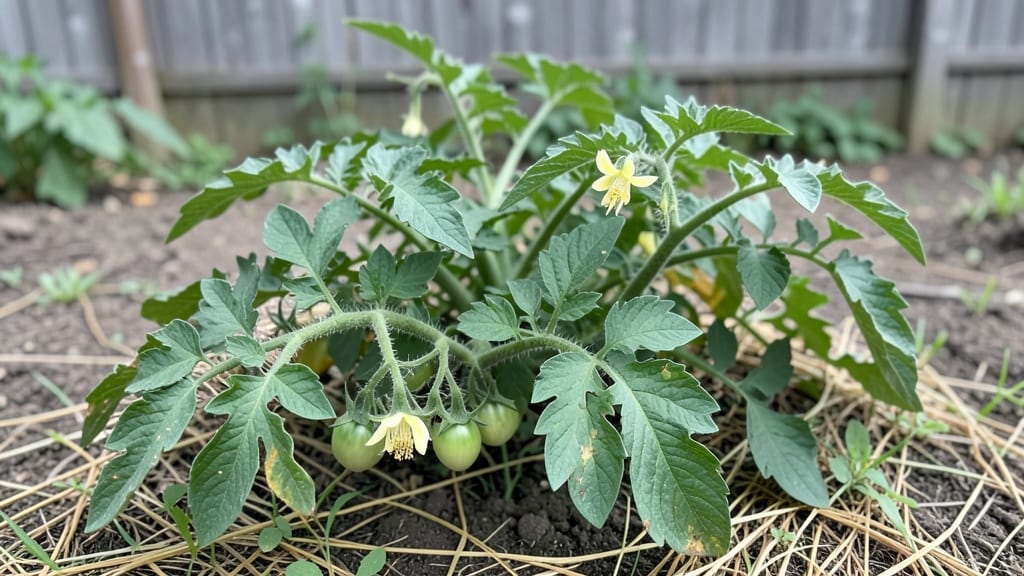
The scent of tomato plants is like no other—earthy, slightly sweet, and unmistakably alive, especially when you brush past their leaves on a warm afternoon. 🌿 Fresh tomato foliage carries a crisp, herbal aroma that changes dramatically as plants age or stress, sometimes turning sharp or musty when they're struggling.
This scent isn't just charming; it's a natural pest repellent that keeps flies and hornworms away while luring in bees for pollination.
Gardeners can amplify this fragrance by choosing aromatic varieties like 'Sweet Million' or 'Brandywine,' which release stronger scents than standard slicers. Pruning regularly encourages bushier growth with more fragrant foliage, and healthy soil packed with compost keeps that fresh, vibrant aroma going strong.
Pairing tomatoes with basil or marigolds in the garden beds creates a fragrant, pest-repelling powerhouse that works better than chemical sprays.
That familiar tomato scent also signals when something's amiss—wilting leaves often smell sour or rotten, a clear sign of overwatering or disease. By tuning into these olfactory cues, you'll catch problems early and keep your plants thriving.
The best part? Your garden will smell like a summer picnic while staying naturally pest-free.
This sensory trick works in containers too—just plant tomatoes alongside fragrant herbs in a sunny spot. The scent isn't just a bonus; it's a built-in defense system that makes your garden both beautiful and functional. Start experimenting with varieties and placement this season!
📚 In This Guide
- What you need
- Instructions
- Tips and common mistakes
- Wrapping up and next steps
What you need
- ● Tomato plants: 2–5 mature plants (preferably Solanum lycopersicum varieties like 'Sweet Million' or 'Cherry Tomatoes'—their scent is potent!)
- ● Potting soil: 5–10 gallons of well-draining, organic potting mix (avoid synthetic fertilizers initially)
- ● Containers or garden bed: Option 1: 5-gallon pots (1–2 per plant) with drainage holes
- ● Option 2: Raised garden bed (minimum 12" deep) or in-ground plot
- ● Watering can or hose: With a gentle spray nozzle (overwatering = sad tomatoes!)
- ● Pruning shears: Sharp, clean pair for trimming (sterilize with rubbing alcohol)
- ● Organic mulch: Straw, shredded leaves, or grass clippings (2–3 inches thick)
- ● Compost: 1–2 cups per plant to boost scent potency and soil health
- ○ Essential oil diffuser (optional): A few drops of tomato leaf extract or citrus oil (diluted!) to enhance scent diffusion
- ● Pest monitoring traps: Yellow sticky traps (to track pest activity)
- ● Garden journal: For noting scent changes and pest patterns
Instructions for harnessing tomato plant scent to naturally repel pests
Here's how to cultivate tomatoes that double as a fragrant pest deterrent—no chemicals required.
🌱 Step 1: Select Fragrant Tomato Varieties for Maximum Scent
Choose heirloom varieties known for their strong, aromatic foliage like 'Cherokee Purple,' 'Black Krim,' or 'Brandywine.' These produce natural compounds that repel pests while attracting beneficial insects. Avoid hybrid varieties—open-pollinated types develop the richest scent profiles when grown organically.
Plant seeds indoors 6-8 weeks before your last frost date using sterile seed-starting mix in 2-3 inch deep containers. Keep soil consistently moist at 70-75°F until germination. Once seedlings show first true leaves, transition to 6-inch pots to encourage stronger root systems that support robust scent production.
☀️ Step 2: Position Plants for Optimal Scent Development
Place tomato plants in full sun (6-8 hours daily) where their foliage will receive maximum air circulation. I position mine 12-18 inches apart in rows spaced 3 feet apart to prevent fungal diseases that can mask natural scents. The scent compounds—like limonene and alpha-pinene—develop most intensely in healthy plants exposed to sunlight.
Mulch around the base with 2-3 inches of organic mulch to retain moisture and prevent soil-borne pests from disrupting scent production. Water at the soil line early morning to allow foliage to dry completely, which enhances scent volatility. Avoid overhead watering—wet leaves dilute the aromatic compounds.
🌿 Step 3: Encourage Scent Production Through Proper Care
Feed plants with balanced organic fertilizer every 4-6 weeks starting when flowers appear. I use a 5-5-5 ratio to promote lush foliage without excessive fruit production, which can dilute scent concentration. Prune suckers regularly to redirect energy toward leaf growth—the primary scent-producing tissue.
Watch for first flower clusters as a signal to begin companion planting. Place basil, marigolds, or garlic nearby—their complementary scents amplify the tomato's natural pest-repelling properties. You'll notice a citrusy, herbal aroma in the afternoon when temperatures peak, strongest near the leaf axils.
💧 Step 4: Maintain Conditions That Preserve Scent Intensity
Water deeply once weekly during dry spells, aiming for 1-1.5 inches of moisture per week. Overwatering can wash away scent compounds, while underwatering stresses plants and reduces aromatic output. Monitor soil moisture by checking top 2 inches—it should feel slightly damp but not soggy.
Rotate plants quarter-turn weekly to ensure even sun exposure, which prevents scent concentration from developing only on one side. You'll see uniform green foliage with no yellowing, indicating optimal scent production. Avoid nitrogen-heavy fertilizers—they promote leafy growth at the expense of aromatic compounds.
✂️ Step 5: Harvest and Utilize Scent for Pest Control
When tomatoes begin ripening, prune lower leaves to improve airflow and concentrate scent in the upper canopy. The most potent scent comes from young leaves and stems—crush a few between fingers and rub on nearby plants to deter aphids, whiteflies, and spider mites. The scent lingers for 24-48 hours after application.
For long-term protection, create a tomato-basil sachet by tying fresh leaves together and hanging near vulnerable plants. Replace every 2 weeks as the scent fades. You'll notice fewer pests within 3-5 days of consistent scent maintenance, and beneficial wasps will visit more frequently to pollinate flowers.
Tips & tricks for fragrant tomato pest deterrents
Here's what I've learned after years of growing tomatoes that actually keep pests away through scent alone—these tricks make all the difference.
Variety Matters Most: That 6-8 week indoor starting window is your first chance to set up success. I've found 'Cherokee Purple' develops the strongest citrusy aroma when grown from seed rather than transplants. The key is selecting open-pollinated varieties—their genetic diversity produces more complex scent compounds like limonene and alpha-pinene. Pro tip: Save seeds from your best-performing plants to create an even more potent scent profile over generations.
Sunlight Optimization: Those 6-8 hours of daily sun aren't just about fruit production—they're critical for scent compound development. I've noticed the most aromatic plants get the morning sun (6am-10am) and afternoon sun (2pm-6pm) with a midday break. Position your plants to catch the sun's edge rather than direct midday intensity, which can actually degrade some volatile oils. The 12-18 inch spacing between plants creates that perfect airflow while maintaining scent concentration in the leaf canopy.
Fertilizer Precision: The 4-6 week feeding schedule with 5-5-5 ratio might seem basic, but timing is everything. I've ruined multiple batches by fertilizing too early—wait until you see those first flower clusters before introducing any nutrients. The scent compounds develop most intensely during flowering, so you want to fuel that growth phase specifically. Also, avoid any liquid fertilizers—they can burn leaves and actually reduce aromatic output.
Scent Harvesting Technique: When you're ready to crush those young leaves for pest control, focus on the leaf axils where the most potent oils accumulate. I've found the scent lingers longest (up to 48 hours) when you crush leaves just before their peak afternoon aroma (around 3pm). For maximum effect, combine with basil leaves—their eugenol compounds amplify the tomato's natural repellents. Just be sure to use organic leaves only, as conventional pesticides can neutralize the aromatic compounds.
Pro Tips for Tomato Plant Scent
- Here's what I've learned after years of growing tomatoes that actually keep pests away through scent alone—these tricks make all the difference.
- Variety Matters Most: That 6-8 week indoor starting window is your first chance to set up success.
- Sunlight Optimization: Those 6-8 hours of daily sun aren't just about fruit production—they're critical for scent compound development.
Frequently asked questions
Got questions about harnessing the fragrant power of tomato plants? You’re not alone! Here are some of the most common queries—and answers—to help you make the most of this natural pest-repelling trick.
Why do tomato plants have a strong scent?
Tomato plants emit a natural scent (often described as slightly sweet or herbaceous) as a defense mechanism. This fragrance contains compounds like trichome oils that deter pests like aphids, whiteflies, and even some fungi. The stronger the scent, the more effective the plant’s pest-repelling abilities—especially when bruised or stressed!
How long does it take for the scent to start working?
The scent begins working immediately upon release, but full pest-repelling effects may take 24–48 hours to become noticeable. For best results, plant tomatoes near vulnerable crops (like basil or peppers) in early spring, giving them time to establish their fragrance before pests arrive.
Can I use other fragrant plants for the same effect?
While tomato plants are star players, basil, marigolds, lavender, and rosemary also release pest-repelling scents. For a powerhouse combo, interplant tomatoes with basil—their scents amplify each other’s effectiveness. Just avoid overcrowding; plants need airflow to maximize their aromatic defenses!
What if my tomato plants don’t smell strong?
Weak scent? No worries! Boost fragrance by:
- Pruning: Lightly trim leaves (especially lower ones) to encourage new growth and stronger scent production.
- Watering: Keep soil consistently moist but not soggy—stress reduces scent potency.
- Fertilizing: Use a balanced organic fertilizer (like compost tea) to promote healthy, aromatic foliage.
Will this scent affect the taste of my tomatoes?
Not at all! The scent comes from the leaves and stems, not the fruit. In fact, many gardeners swear that fragrant tomato varieties (like ‘Brandywine’ or ‘Cherokee Purple’) produce sweeter, more flavorful tomatoes. The pest-repelling compounds actually enhance the plant’s natural defenses and its taste!
Pro tip: If you’re growing tomatoes in containers, place them near your kitchen or patio—you’ll love the fresh, herbal aroma while keeping pests at bay!
Wrapping up and next steps
The scent of your tomato plants isn’t just charming—it’s a powerful, natural pest-repelling tool! By harnessing this fragrant garden secret, you’re not only protecting your harvest but also fostering a thriving, chemical-free ecosystem. 🌱
Ready to put this knowledge into action? Start by observing your plants and experimenting with companion plants like basil or marigolds to amplify their pest-deterring magic. Happy gardening—your tomatoes (and your nose) will thank you! 🌿