
Planting
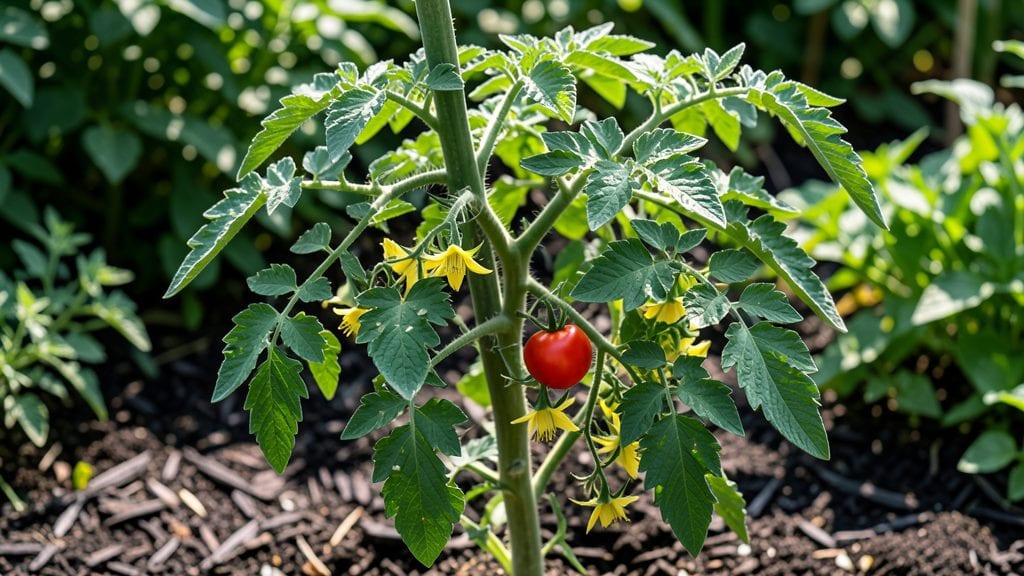
Controlling your 🍅 tomato plant height starts with knowing your variety—some reach 6 feet while others stay compact at 3 feet.
Did you know that pruning your tomato plants can control their height by up to 50%—while also boosting fruit production? Whether you're dealing with sprawling vines or compact bush varieties, mastering tomato plant height is key to a thriving garden.
In USDA Zone 6a, where spring planting kicks off in April, the right techniques can save you from tangled vines or wasted space. Whether you're working with indeterminate giants or determinate bushes, small adjustments make a big difference in yield and ease of care.
Below, I’ll break down how to prune for the perfect height, when to stake your plants for support, and which dwarf varieties work best for small gardens. You’ll leave here with a clear plan to keep your tomatoes manageable—no more wrestling with unruly vines!


How pruning techniques control tomato plant height by variety type
Controlling tomato plant height starts with understanding your variety. Indeterminate tomatoes grow continuously, reaching 6-10 feet without pruning, while determinate varieties stay compact at 3-4 feet.
The key difference? Pruning methods. For vining types, strategic cuts redirect energy to fruit production, while bush varieties need minimal pruning to maintain their natural shape.
I’ve found that pruning indeterminate tomatoes can reduce their height by 30-50% if done correctly, but determinate types rarely need pruning beyond removing diseased leaves. The right technique ensures better airflow, larger fruit, and easier harvesting—especially in small gardens or containers.
Here’s how pruning impacts each type:
For indeterminate tomatoes, focus on removing suckers—those small shoots growing between the main stem and branches. I start pruning when plants hit 18 inches tall, cutting suckers larger than 1 inch to prevent overcrowding. This keeps vines manageable while maximizing fruit production.
With determinate varieties, pruning is optional but helpful for removing yellow or diseased leaves. I avoid heavy cuts to preserve the plant’s natural bush shape, which already stays compact. The goal here is airflow—prune only to improve light penetration to lower branches.
One common mistake I see is over-pruning indeterminate tomatoes too early, which stunts growth. Wait until the plant has 4-5 main stems before aggressively trimming. For determinate types, never prune more than 20% of the foliage at once to avoid stress.
Support structures play a huge role in height control. I always pair pruning with cages or stakes for indeterminate types. This lets you guide growth vertically while keeping the plant’s natural vigor. For determinate varieties, a simple 3-foot stake suffices—no pruning needed unless leaves block sunlight.
Seasonal timing matters too. In spring, prioritize removing weak suckers to establish a strong framework. By mid-summer, shift focus to trimming lower leaves to improve airflow and reduce disease risk. Never prune in fall—let plants mature their fruit first.
Remember, pruning isn’t just about height—it’s about fruit quality. Properly pruned indeterminate tomatoes yield 20-30% more larger, sweeter fruit compared to unpruned vines. For determinate types, minimal pruning ensures all energy goes to fruit rather than excess foliage.
Start small: prune just 1-2 suckers per week for indeterminate types, and limit determinate pruning to 10% of leaves max. Over time, you’ll see the perfect balance between plant height and harvest bounty—without the wild, unruly growth that takes over gardens.
Step-by-step pruning guide to limit tomato plant height without sacrificing yield
Pruning your tomato plants isn’t just about keeping them tidy—it’s a strategic way to control height while maximizing fruit production. For indeterminate varieties like 'Brandywine', pruning can reduce sprawling vines by 50% or more, while still delivering a bumper crop.
The key is knowing when and how to trim without stressing the plant.
Whether you’re working with 6-foot vines or 3-foot bushes, the right pruning technique ensures your tomatoes stay manageable and productive. Start by identifying suckers—those small shoots that grow between the main stem and branches—and use sharp, clean cuts to remove them.
This simple step can transform a chaotic jungle into a well-structured plant that’s easier to care for and harvest.
How to Prune for Height Control
- Step 1: Gather Tools
- Bypass pruners (clean and sharp)
- Garden gloves (to protect from thorns)
- Disinfectant (rubbing alcohol or bleach solution)
- Step 2: Identify Suckers
- Look for small shoots in the leaf axils (where leaves meet stems)
- Suckers grow between the main stem and branches
- Remove them when they’re 2-3 inches long (easier to trim)
- Step 3: Make Clean Cuts
- Cut just above a leaf node (where new growth can sprout)
- Avoid leaving stubs (they attract disease)
- Use a 45-degree angle to prevent water pooling
- Step 4: Prune Seasonally
- Spring: Remove lower leaves to improve airflow and sunlight
- Summer: Focus on sucker removal every 1-2 weeks
- Fall: Stop pruning 4-6 weeks before frost
- Step 5: Support Remaining Growth
- Use cages, stakes, or trellises to support pruned plants
- Tie stems gently with soft plant ties to avoid damage
- Monitor for over-pruning signs (yellowing leaves, stunted growth)
Timing is everything when it comes to pruning. In spring, focus on removing lower leaves to improve airflow and reduce disease risk. By summer, shift your attention to sucker removal—this keeps the plant’s energy focused on fruit production rather than unnecessary growth.
Always disinfect your tools between cuts to prevent the spread of bacterial or fungal infections.
For determinate varieties like 'Roma', minimal pruning is needed—just remove damaged or diseased leaves. These compact plants naturally top out at 3-4 feet, so aggressive pruning can actually reduce yield.
Pay attention to your plant’s response: healthy growth means you’re pruning correctly, while yellowing leaves or stunted stems signal over-pruning.
Proper pruning turns a wild tomato plant into a manageable, high-yielding machine. With the right techniques, you can keep even the tallest varieties under control while still enjoying a bountiful harvest. Start small, observe your plant’s response, and adjust as needed—your garden (and your back!) will thank you.
🌱