Diseases
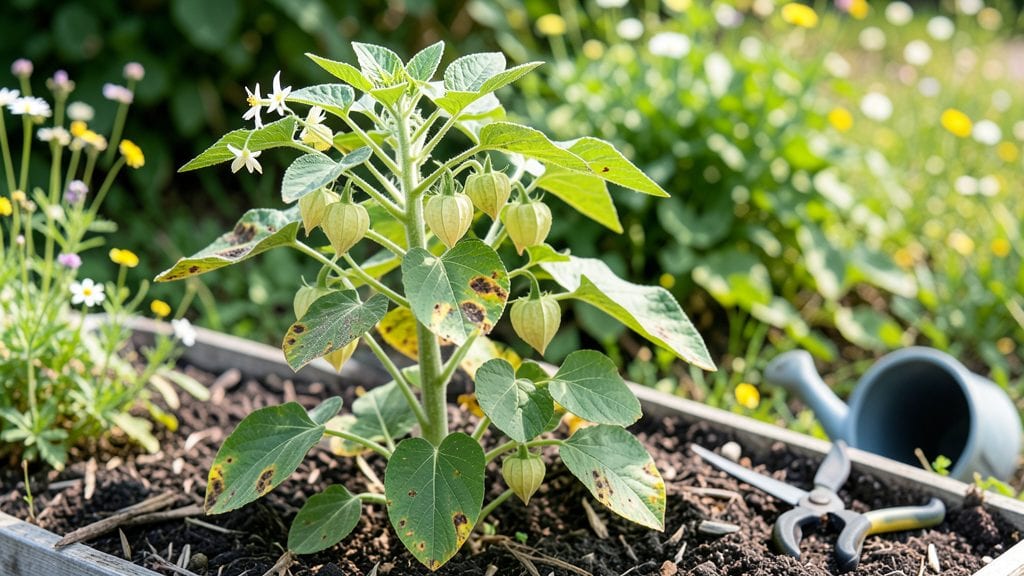
Tomatillo plant diseases can turn your harvest from abundant to disastrous if you miss the early signs. ✨ I’ve seen healthy plants wilt overnight from fungal infections or bacterial spots, and the key to saving them is catching problems before they spread.
The good news? Most issues respond well to organic fixes once you know what to look for.
Common culprits include bacterial spot, early blight, and powdery mildew—each with distinct symptoms like yellowing leaves, dark spots, or white fuzzy coatings. My biggest mistake was waiting until plants looked bad before acting; now I check for these signs every week.
Prevention starts with spacing plants properly, avoiding overhead watering, and choosing disease-resistant varieties when possible.
Once you spot trouble, organic solutions like copper fungicide sprays, neem oil treatments, or homemade baking soda mixtures can stop infections in their tracks. I’ve saved entire plants by acting fast—within a few days of treating, new growth appears healthy again.
The goal is to restore balance without harming pollinators or the soil.
This works for backyard gardens, container grows, or even small-scale farms. Early detection is your best tool, and organic methods keep your tomatillos—and your conscience—clean. Let’s get those plants thriving again.
Root Causes of Tomatillo Troubles
Tomatillo plants, like any other crop, are vulnerable to diseases that can stunt growth, reduce yield, or even kill the plant if left unchecked. Understanding why these issues arise is the first step to preventing them.
Below, we break down the most common causes—from environmental factors to biological threats—and explain the science behind them.
Tomatillos thrive in warm, consistent temperatures (between 60–85°F) and moderate humidity. When conditions stray from this ideal range, diseases like bacterial leaf spot and powdery mildew take hold.
- Why it happens: High humidity (above 70%) creates a damp environment, allowing fungal spores to germinate and spread. Phytophthora and Pythium thrive in waterlogged soil, while Alternaria flourishes in hot, humid weather.
- Cold stress: Temperatures below 50°F weaken plant defenses, making them susceptible to bacterial soft rot and early blight.
- Actionable fix: Space plants for airflow, avoid overhead watering, and use shade cloth in peak summer heat.
Tomatillos need consistent moisture, but excess water is a recipe for disaster. Poor drainage leads to root rot, while soggy foliage invites fungal infections.
- Why it happens:
- Phytophthora and Pythium fungi thrive in waterlogged conditions, attacking roots and stems.
- Overhead watering keeps leaves damp, promoting Alternaria and Septoria leaf spots.
- Actionable fix:
- Water at the base (not leaves) and ensure soil has good drainage (sandy loam is ideal).
- Raise beds or use containers with drainage holes to prevent water pooling.
Diseases often lurk in the soil or spread via contaminated gardening tools. Bacterial wilt and fusarium wilt can persist in soil for years, while viruses (like tomato mosaic virus) hitchhike on dirty pruners or hands.
- Why it happens:
- Old infections: Pathogens like Clavibacter michiganensis (bacterial wilt) can survive in soil for decades.
- Cross-contamination: Reusing tools on infected plants spreads spores or bacteria to healthy ones.
- Actionable fix:
- Disinfect tools with 70% isopropyl alcohol or bleach solution between uses.
- Rotate crops (avoid planting tomatillos in the same spot yearly) and test soil for pathogens.
Pests like aphids, whiteflies, and hornworms don’t just eat leaves—they injure plants, creating entry points for diseases. Sap-sucking insects also spread viruses like tomato yellow leaf curl virus.
- Why it happens:
- Physical damage: Chewed leaves and stems disrupt the plant’s cuticle barrier, making it easier for fungi and bacteria to invade.
- Vector-borne diseases: Aphids and whiteflies transmit tobacco etch virus and cucumber mosaic virus while feeding.
- Actionable fix:
- Use neem oil or insecticidal soap to control pests early.
- Introduce beneficial insects like ladybugs or lacewings to keep pest populations in check.
Tomatillos need a balanced diet—too little or too much of certain nutrients stresses plants, making them vulnerable to disease.
- Why it happens:
- Nitrogen deficiency: Weakens plant tissue, making it easier for early blight to take hold.
- Excess phosphorus: Can suppress beneficial microbes in the soil, reducing natural disease resistance.
- Potassium deficiency: Leads to weak stems, increasing susceptibility to fusarium wilt.
- Actionable fix:
- Test soil annually and amend with compost or balanced organic fertilizer (e.g., 5-5-5).
- Avoid synthetic fertilizers high in phosphorus if your soil is already rich.
By addressing these root causes, you’ll give your tomatillo plants the best chance to stay healthy and productive. Next, we’ll dive into early signs of trouble so you can catch issues before they spread!
Quick Fixes for Tomatillo Ailments
When your tomatillo plants show signs of stress, acting fast can mean the difference between a thriving harvest and a lost crop. Below are practical, organic solutions tailored to the most common diseases, along with prevention tips to keep your plants healthy long-term.
🔥 Cause: Alternaria solani fungus thrives in warm, humid conditions, creating concentric rings on leaves.
👨🍳 Fix It:
- Remove infected foliage immediately—drop it in a sealed bag (not compost) to prevent spores from spreading. ✂️
- Apply a copper fungicide spray (like Bonide Copper Fungicide) every 7–10 days for 2–3 weeks. Copper disrupts fungal growth without harming beneficial insects. 🌡️
- Boost airflow by pruning crowded plants and spacing them 18–24 inches apart. A fan on low for 10 minutes daily can also reduce humidity.
- Water at the base in the morning (never overhead) to keep leaves dry.
💡 Prevention Pro Tips:
- Rotate crops: Avoid planting nightshades (tomatoes, peppers, potatoes) in the same spot for 3 years.
- Solarize soil in late summer: Cover beds with clear plastic for 4–6 weeks to kill fungus in the soil. ☀️
- Use mulch (straw or grass clippings) to prevent soil splashing onto leaves.
🍳 Cause: Erysiphe cichoracearum creates a chalky white coating, stunting growth and reducing fruit quality.
🔪 Fix It:
- Wipe leaves with a damp cloth dipped in neem oil + water (1 tbsp per quart) or baking soda spray (1 tsp baking soda + 1 tbsp oil + 1 quart water + a drop of dish soap). 🧼
- Prune heavily infected stems and dispose of them far from the garden.
- Increase shade temporarily (use shade cloth) if your area gets intense afternoon sun.
- Spray with hydrogen peroxide (3%) weekly for a natural fungicide—it breaks down into water and oxygen. 💧
🎯 Prevention Pro Tips:
- Plant resistant varieties like ‘Purple Mexican’ or ‘Green Mexican’ tomatillos.
- Avoid overhead watering—use drip irrigation or soaker hoses.
- Encourage beneficial fungi like Trichoderma by adding compost tea to the soil.
⏰ Cause: Xanthomonas bacteria spread via water, tools, or contaminated seeds, causing dark, water-soaked lesions.
🔥 Fix It:
- Remove and destroy infected plants—do not compost them. 🚫🌱
- Disinfect tools with a 10% bleach solution (1 part bleach to 9 parts water) between uses.
- Apply a copper soap spray (like Garden Safe Copper Fungicide) every 5–7 days.
- Improve drainage—bacterial spot worsens in soggy soil. Amend clay soil with compost or sand.
🌡️ Prevention Pro Tips:
- Rotate crops with non-nightshade plants (like beans or carrots) for 2–3 years.
- Water deeply but less often—avoid frequent light watering that keeps leaves wet.
- Use row covers early in the season to block bacterial spores from splashing up.
No matter the disease, strong plants resist better. Follow these year-round habits to keep tomatillos healthy:
- 💡 Soil Health: Test soil pH (ideal: 6.0–6.8) and amend with compost or aged manure.
- 🌿 Companion Planting: Grow marigolds, basil, or nasturtiums nearby—they repel pests and improve airflow.
- 🌱 Succession Planting: Stagger plantings so you’re not harvesting all at once, reducing stress on the garden.
- 🧹 Clean Up: Remove all plant debris after harvest to eliminate hiding spots for pathogens.
Remember: The key to organic disease control is consistency. Catch problems early, act decisively, and your tomatillo plants will reward you with juicy, flavorful harvests all season! 🌿🍋
Frequently asked questions
What are the first signs of fungal diseases on tomatillo plants?
Look for white powdery coatings (powdery mildew), dark concentric rings (early blight), or yellowing leaves with brown spots (Alternaria). These appear on lower leaves first, often within 2-3 weeks of warm, humid conditions. Act fast by removing infected leaves and applying copper fungicide to stop spread.
Can I save a tomatillo plant with bacterial spot?
It depends on how far it's progressed. For early stages, prune all infected leaves, disinfect tools with bleach, and apply copper soap spray every 5-7 days. If the plant is already wilted or oozing bacteria, it's best to remove it completely to prevent soil contamination. Always replace infected plants with disease-resistant varieties.
Why do my tomatillo plants get powdery mildew even with good airflow?
Powdery mildew thrives when humidity exceeds 70% for extended periods, even with airflow. Check for morning dew or evening condensation that keeps leaves damp. Try increasing shade during peak heat, using reflective mulch, or applying neem oil spray every 7 days as a preventive measure.
Are there any organic solutions for root rot in container-grown tomatillos?
Yes! First, improve drainage by adding perlite or vermiculite to the potting mix. Water only when the top 1 inch of soil is dry, and use containers with drainage holes. For existing rot, remove the plant, trim affected roots, repot in fresh sterile mix, and water with a hydrogen peroxide (3%) solution to disinfect.
How can I prevent diseases when growing tomatillos in small spaces?
Space plants 12-18 inches apart for airflow, use vertical trellises to maximize space, and water at the base with drip irrigation. Rotate crops yearly, and choose compact varieties like 'Purple Mexican' that resist common diseases. Regularly inspect leaves for early signs and remove any infected foliage immediately.