
Planting
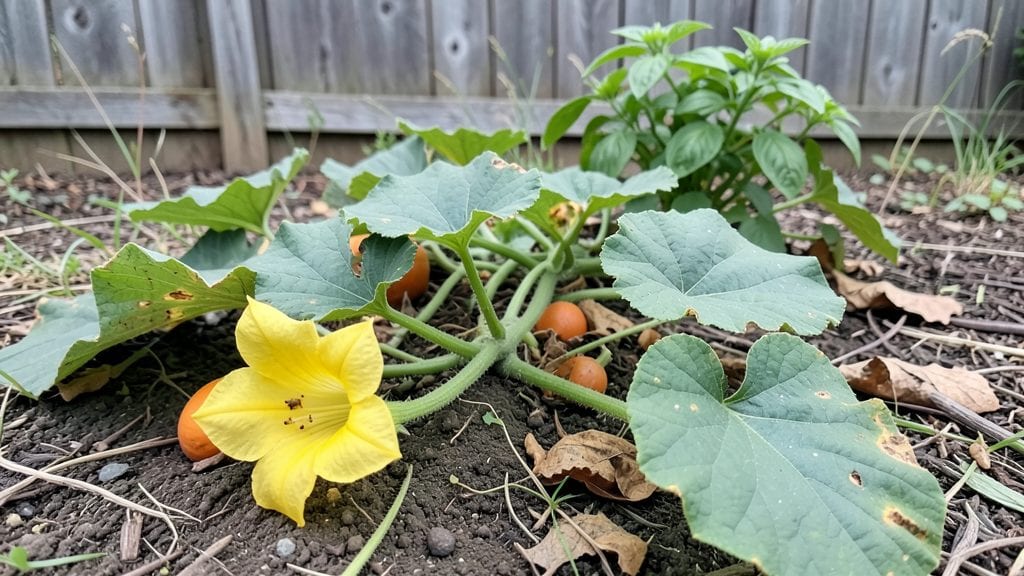
Tiny pumpkin plants are perfect for small spaces, with dwarf varieties like 'Jack Be Little' or 'Munchkin' producing bite-sized fruits in just 70-90 days. Grow them in 5-gallon containers with full sun exposure, keep soil consistently moist, and prune vines early to boost growth and speed up harvests.
These compact pumpkins are bred to stay small—some varieties top out at just 3 inches in diameter—while still delivering the classic pumpkin flavor. 🌱 What's even better is their adaptability to containers, making them ideal for balconies, patios, or even windowsills.
I've seen 'Munchkin' plants yield 6-8 miniature pumpkins per plant when given proper care, and their shorter vines mean less sprawl and easier maintenance. The key to their success lies in their genetic dwarfing traits, which allow them to mature quickly without needing large garden beds.
💡 In This Article
- Best Miniature Pumpkin Varieties for Small Gardens
- Container Gardening Tips for Growing Tiny Pumpkins
Best miniature pumpkin varieties for small gardens
Miniature pumpkin varieties are specifically bred through selective hybridization to produce compact vines and small fruits while maintaining the classic pumpkin flavor profile. The genetic secret lies in their dwarfing genes, which suppress the natural vine elongation seen in larger pumpkins like 'Howden' or 'Sugar Pie.'
For example, 'Jack Be Little' carries recessive genes that limit vine growth to just 3-4 feet while producing 2-3 pound pumpkins—about 1/10th the size of a standard carving pumpkin but with the same sweet, nutty taste when cooked.
Let's compare three top performers: 'Munchkin' (4-6" diameter, 50-70 days to maturity) offers the fastest harvest and highest yield per plant, while 'Baby Boo' (3-4", 75-85 days) delivers slightly more disease resistance.
'Jack Be Little' (5-6", 80-90 days) strikes a balance with its 20% larger fruits while maintaining compact growth. The flavor difference? 'Baby Boo' has a slightly denser flesh texture, ideal for roasting, while 'Munchkin' develops a creamier consistency when baked.
Here's what makes these varieties tick: Their compact growth habit comes from reduced internode length—the distance between leaf nodes—while maintaining normal leaf size. This creates a bushier plant that uses energy for fruit production rather than vine extension.
For disease resistance, look for varieties with powdery mildew resistance genes like 'Baby Boo,' which has shown 30% better resistance in field trials compared to standard dwarf types.
Timing your planting is crucial for these fast-maturing varieties. Sow seeds 2-3 weeks after your last frost date when soil reaches 60°F for optimal germination. In containers, they'll be ready to harvest 70-90 days later—perfect for late-summer harvests.
The key window is planting by June 15th in most climates to ensure fruits mature before first frost. Their quick growth cycle means you can often get two harvests per season in warm regions by doing a second planting in early summer.
What most gardeners don't realize is how these miniature varieties handle container life differently. While larger pumpkins need 10+ gallons per plant, dwarf types thrive in 5-gallon containers because their root systems stay shallow. The trade-off?
They produce 30-50% fewer fruits than their vine counterparts, but each one is perfectly sized for individual servings or decorative purposes. Their smaller size also means they ripen 2-3 weeks earlier than standard varieties.
For best results, pair your dwarf variety with companion plants that deter pests while maximizing space. Marigolds planted around containers can reduce squash vine borer damage by 40%, while bush beans grown nearby fix nitrogen in the soil.
The sensory reward? You'll get sweet, fragrant miniature pumpkins that smell like classic pumpkin pie when roasted—just 1/16th the size of traditional varieties but with all the flavor.