
Plants
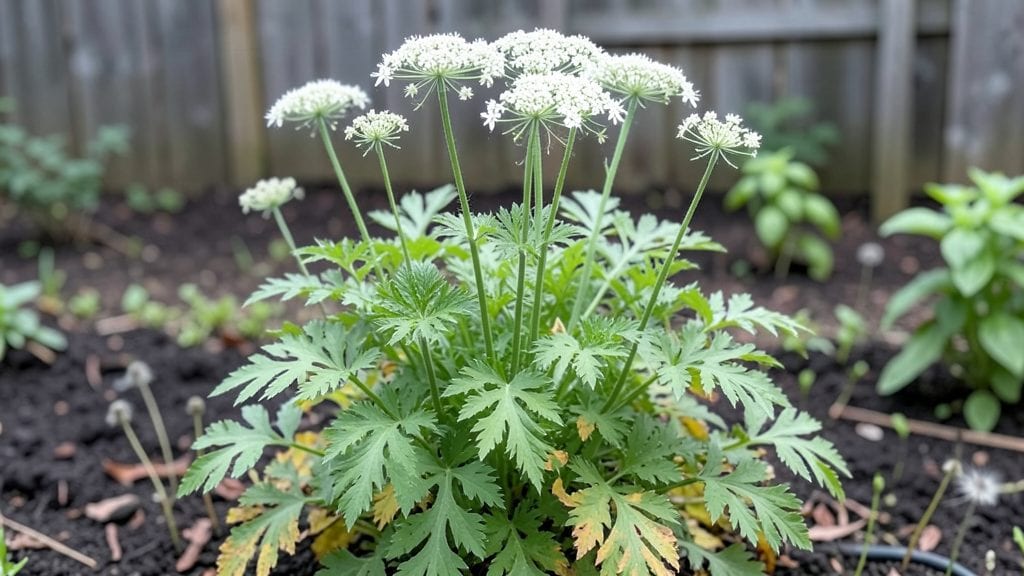
Growing a tall coriander plant 🌿 that hits 3 feet instead of the usual 12 inches isn’t just possible—it’s a game-changer for your herb garden.
Want to grow coriander taller than the usual 12 inches without it bolting into flower? This fast-growing herb can reach 3 feet with the right techniques—here’s how to master it.
Most gardeners assume coriander will stay short, but with the right soil, sunlight, and pruning, you can coax it into a towering, leafy powerhouse. The secret? A mix of patience and precision—think of it as training a plant, not just letting it grow wild.
Below, I’ll walk you through the exact steps to encourage vertical growth, from choosing the right variety to avoiding the dreaded bolting phase. By the end, you’ll have a 3-foot-tall coriander plant that’s perfect for both the kitchen and your garden’s height goals.


Why coriander plants stay short and how to break the 3-Foot barrier
Coriander (Coriandrum sativum) is famously short-lived, rarely exceeding 12-18 inches in height before bolting. This happens because its genetic programming prioritizes rapid flowering and seed production over vertical growth—a survival trait from its wild ancestors.
The plant detects day length changes and temperature shifts, triggering a hormonal response that redirects energy from leaves to stems and flowers. Without intervention, your 3-foot-tall coriander dream stays just that: a dream.
But here’s the good news: coriander’s growth isn’t set in stone. By manipulating its light exposure, pruning schedule, and even soil conditions, you can trick it into focusing on stem elongation instead of bolting.
The key lies in understanding its photoperiodism—how it responds to light—and using growth regulators like pinching to delay flowering. Let’s break down the science and practical steps to grow coriander that rivals your tallest sunflowers.
| Factor | Standard Coriander | Tall Coriander (Modified) |
|---|---|---|
| Genetic Traits | Short-day plant; bolts at 45-60 days | Selected for delayed bolting; hybrid varieties |
| Light Needs | 6+ hours full sun; triggers bolting | Partial shade (4-6 hours); extended leaf production |
| Pruning Method | None; allowed to bolt | Regular pinching; remove flower buds |
| Soil Conditions | Well-draining; pH 6.2-6.8 | Rich in nitrogen; pH 6.5-7.0 |
| Watering | Moderate; drought-sensitive | Consistent moisture; mulch to retain water |
| Mature Height | 12-18 inches | 24-36 inches (with training) |
| Harvest Window | 30-45 days (before bolting) | 60-75 days (extended with techniques) |
Coriander’s short stature is directly tied to its photoperiodic response. In the wild, it evolved to bolt quickly when days shorten, ensuring seeds disperse before winter. Your goal is to delay this response by controlling light exposure.
Start by planting in partial shade (4-6 hours of sun) during hot months. Use shade cloth (30-50%) to filter light if your garden gets intense afternoon sun. This tricks the plant into thinking days are shorter, slowing bolting and encouraging stem elongation.
Another critical factor is soil fertility. Coriander thrives in nitrogen-rich soil, which promotes leafy growth over flowering. Before planting, amend your soil with compost or a balanced fertilizer (5-10-10).
Avoid phosphorus-heavy fertilizers, which can trigger early bolting. Test your soil’s pH—aim for 6.5-7.0, as coriander struggles in acidic conditions. A simple soil test kit will save you from guesswork.
Pruning is your secret weapon for tall coriander. The plant’s natural growth habit is to produce a central stem with side branches. By pinching off the main stem when it reaches 6-8 inches, you force it to grow multiple lateral stems, creating a bushier, taller plant.
Repeat this every 2-3 weeks to maintain height. For even taller growth, consider trellising—tie the stems to a bamboo stake or wire frame as they grow. This not only supports the plant but also redirects energy upward.
Temperature plays a surprising role in coriander’s height. While it prefers cool weather (60-75°F), extreme heat (>80°F) accelerates bolting. If you’re in a hot climate, opt for shade-cloth coverings or grow coriander in early spring or late summer when temperatures are milder.
In cooler regions, you can extend the growing season into early fall, giving your plants more time to reach 3 feet before frost.
Genetic selection is the final piece of the puzzle. Not all coriander varieties are created equal. Some, like ‘Calypso’ and ‘Santo’, are bred to resist bolting longer than standard varieties. These hybrids can stay leafy for up to 75 days with proper care.
If you’re serious about tall coriander, start with these slow-bolting seeds. Even better, save seeds from your tallest, healthiest plants—over generations, you’ll develop a custom variety tailored to your climate.
Bolting isn’t just about height—it’s about flavor. Once
Step-by-step pruning and training techniques for tall coriander growth
Growing tall coriander plants requires strategic pruning and training to redirect energy from leaf production to stem elongation. Unlike standard varieties that max out at 12 inches, these techniques push your plants toward 3-foot heights while delaying bolting.
The key lies in pinching, staking, and trellising at precise growth stages.
Start by understanding that coriander naturally prioritizes flowering over height. By manipulating its growth habits through selective pruning, you force the plant to focus on vertical development instead. Combine this with support structures to prevent flopping, and you’ll achieve that towering, leafy harvest you’re after.
How to Train Your Coriander for Maximum Height
- 1 Pinch the Tips when plants reach 6 inches tall. Use clean pruning shears to snip the top 1-2 inches of the main stem. This triggers lateral branching while encouraging upward growth.
- 2 Install Stakes Early at 4 inches tall. Use bamboo stakes or metal rods (3 feet long) inserted 1 inch deep into the soil. Secure the main stem with soft plant ties to prevent bending under leaf weight.
- 3 Trellis for Support when stems reach 12 inches. Attach a wire trellis or netting to the stake, weaving the main stem upward. This redistributes weight and promotes vertical elongation rather than bushy growth.
- 4 Prune Lateral Shoots at 8 inches tall. Remove side branches below the top 6 inches of the plant to funnel energy into the main stem. Leave only the uppermost leaves to maintain photosynthesis.
- 5 Harvest Strategically at 18 inches tall. Snip outer leaves (not the main stem) to encourage continuous upward growth. Avoid cutting more than 30% of foliage at once to prevent stress.
Timing is everything with tall coriander pruning. Perform all pinching and staking before 10 AM to minimize stress on the plant. Avoid pruning during hot afternoons or overcast days, as this can slow recovery.
For maximum height, repeat the pinching process every 4-6 weeks until the plant reaches your target.
Monitor your coriander for bolting signs—long flower stalks or yellowing leaves. If you notice flower buds, immediately prune them off to redirect energy back to stem growth. In hot climates, use shade cloth during peak sun hours to delay bolting and maintain leaf production.
With these techniques, your tall coriander plants will thrive, reaching 3 feet while staying lush and productive. The key is consistency—regular pruning, proper support, and attentive care will give you that towering harvest you’ve been dreaming of.