
Diseases
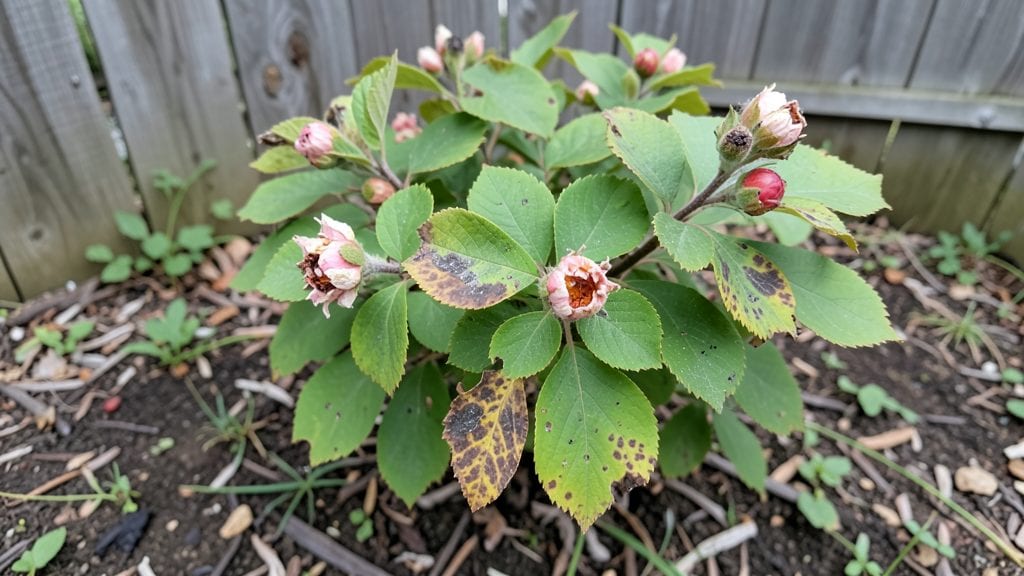
The diseases of viburnum plants—like leaf spot and canker—can turn your glossy shrubs into a sad, spotted mess unless you catch them early. 🌿 I’ve watched my own viburnums go from lush and thriving to nearly skeletal in just a few weeks when I... ignored the first signs, and I’m here to help you avoid that heartbreak.
These diseases don’t just ruin the look of your plants; they weaken them, making them vulnerable to pests and winter damage.
The culprits are usually fungal spores hiding in last year’s leaves or splashing up from infected soil. Leaf spot shows up as dark, greasy-looking spots with yellow halos, while canker appears as sunken, cracked areas on stems.
The good news? Both respond well to quick action—pruning infected parts, applying fungicide, and cleaning up debris. I’ve stopped outbreaks in their tracks using simple organic sprays, and I’ll show you exactly how.
By the time you finish reading, you’ll know how to inspect your viburnums, what to prune (and when), and which treatments work best for your climate. You’ll also learn how to prevent future infections so your shrubs stay healthy and vibrant year after year.
The key is acting fast—once these diseases take hold, they’re a lot harder to beat.
We’ll cover organic options first, since they’re safer for pollinators and your family, but I’ll also share when chemical treatments make sense. And if your viburnums are already in rough shape, I’ll tell you when it’s time to call in a pro.
Let’s get those shrubs back to their best before the next outbreak hits.
Root Causes Of Viburnum Woes
Viburnum plants, with their lush foliage and fragrant blooms, can quickly become a gardener’s pride—until disease strikes. Understanding why these issues arise is the first step to prevention. Below, we break down the science behind the most common viburnum ailments, so you can tackle them head-on.
Fungal diseases like leaf spot and canker thrive in damp, warm conditions, turning vibrant leaves into unsightly brown patches or sunken, oozing sores. Here’s why they take hold:
- 💦 Overhead Watering & Poor Airflow Fungi spread via water droplets, and viburnums with dense foliage trap moisture. Why it happens: Overhead irrigation splashes spores onto leaves, while crowded plants create a humid microclimate—perfect for fungal growth. Aspergillus and Septoria (common leaf spot culprits) need just 8–12 hours of leaf wetness to germinate.
- 🍄 Stress From Environmental Shifts Viburnums under stress (e.g., drought followed by sudden rain) produce weaker cell walls, making them easier targets. Why it happens: Fungi like Anthracnose exploit stressed tissue, where nutrients leak out, inviting microbial colonization.
- 🌱 Poor Sanitation & Old Debris Last year’s infected leaves or pruned branches left on the ground harbor spores. Why it happens: Fungal spores can survive years in organic matter, waiting for the right conditions to reinfect your plants.
Some viburnum diseases don’t act alone—they hitch a ride with pests. Here’s how:
- 🐜 Scale Insects & Aphids Spread Viruses These sap-suckers weaken plants and transmit viburnum leaf curl virus or viburnum mosaic virus. Why it happens: As pests feed, they inject saliva containing viral particles, disrupting the plant’s cellular structure and causing stunted growth or mottled leaves.
- 🐛 Borers Create Entry Points Viburnum borers (like the viburnum beetle) burrow into stems, creating wounds where fungi like Nectria canker can invade. Why it happens: The physical damage breaks the plant’s protective bark, and fungal spores land in these fresh wounds, leading to decay.
Viburnums are resilient, but extreme weather throws them off balance. Here’s how:
- 🌊 Late-Spring Rains & Humidity Spikes Fungal diseases peak when temperatures hover around 60–80°F (15–27°C) with high humidity. Why it happens: Warm, wet conditions speed up fungal spore germination and growth. Phomopsis canker, for example, thrives in these environments, causing dark, sunken lesions on stems.
- ❄️ Winter Burn & Freeze-Thaw Cycles Sudden cold snaps or rapid temperature swings damage viburnum bark, leaving it vulnerable to bacterial canker (caused by Pseudomonas syringae). Why it happens: Frost cracks the bark, and bacteria enter through these wounds, multiplying in the sap as temperatures rise.
Even the hardiest viburnums suffer when their soil isn’t up to par. Here’s the connection:
- 🪴 Compacted or Waterlogged Soil Poor drainage leads to root rot (often caused by Phytophthora fungi), which then spreads to leaves. Why it happens: Oxygen-starved roots can’t absorb nutrients, weakening the plant’s immune response. Fungi exploit this, entering through root injuries.
- ⚖️ Over-Fertilization with Nitrogen Too much nitrogen promotes lush, soft growth—ideal for fungal infections. Why it happens: Excess nitrogen reduces the plant’s cuticular wax (the protective leaf coating), making it easier for spores to adhere and infect.
Not all viburnums are equally susceptible—and age plays a role too.
- 🌿 Young Plants vs. Mature Trees Young viburnums lack the resilience of older specimens, making them prime targets for viburnum leaf beetle larvae (which chew leaves, creating entry points for disease). Why it happens: Their thinner bark and less developed root systems struggle to fend off pathogens.
- 🌳 Susceptible Species Some viburnum varieties (like Viburnum dentatum or Viburnum opulus) are more prone to canker diseases due to genetic traits. Why it happens: Their natural resistance mechanisms may be weaker against specific fungal strains, like Cryptosporiopsis viburni.
Quick Fixes for Viburnum Woes
When your viburnum plants show signs of distress—whether it’s leaf spots, fungal cankers, or wilting branches—acting fast is key. Below are practical, step-by-step solutions tailored to the most common viburnum diseases, along with prevention tips to keep your plants thriving.
Think of this as your emergency care guide for ailing viburnums!
Cause: Septoria, Anthracnose, or Cercospora fungi thrive in damp, humid conditions, turning leaves into a splotchy mess.
How to Treat It: 🔥 Remove Infected Leaves
- Snip off yellowing or spotted leaves with clean pruners (sterilize with rubbing alcohol between cuts).
- Dispose of them in the trash, not compost—fungi can survive there!
🍳 Apply Fungicide
- Spray with a copper-based fungicide (like Bordeaux mixture) or a neem oil solution (1 tbsp neem oil + 1 tsp mild soap per quart of water).
- Reapply every 7–10 days during rainy or humid spells.
👨🍳 Improve Airflow & Light
- Thin out dense foliage to reduce humidity around leaves.
- Ensure your viburnum gets at least 6 hours of sunlight daily.
🌡️ Prevention Pro Tips ✔ Water at the base (avoid overhead sprinkling—wet leaves = fungal buffet). ✔ Mulch properly: Keep mulch 2–3 inches away from the stem to prevent moisture buildup. ✔ Clean up debris in fall—fungi hibernate in old leaves!
Cause: Nectria or Leucostoma fungi create sunken, oozing wounds on stems and branches.
How to Treat It: 🔪 Prune Out Damaged Areas
- Cut at least 6 inches below the canker (healthy wood is usually lighter in color).
- Burn or trash infected branches—do not compost.
⏰ Seal Wounds (If Needed)
- For small cankers, apply pruning paint or wound dressing to prevent further infection.
- Avoid thick coatings—they can trap moisture.
💡 Boost Plant Health
- Fertilize lightly with a balanced 10-10-10 in early spring to strengthen growth.
- Water deeply but infrequently—overwatering stresses the plant.
🎯 Prevention Checklist ✔ Prune in dry weather (fungi spread faster when it’s damp). ✔ Sterilize tools between cuts to avoid cross-contamination. ✔ Plant in well-draining soil—waterlogged roots invite fungal attacks.
Cause: Overwatering, root rot (Phytophthora), or bacterial leaf scorch.
How to Treat It: 🌧️ Check the Roots
- Gently dig around the base—healthy roots are white/firm; rotten ones are mushy and brown.
- If rot is present, reduce watering immediately and improve drainage.
💦 Adjust Watering Habits
- Water only when the top 2 inches of soil are dry (stick your finger in to test!).
- Avoid soggy soil—raise beds or add organic matter (compost) to improve drainage.
🔄 Fertilize for Recovery
- Use a low-nitrogen, high-phosphorus fertilizer (like 5-10-10) to encourage root growth.
- Avoid heavy nitrogen—it promotes leafy growth but weakens roots.
✨ Prevent Future Stress ✔ Mulch correctly: Use 2–3 inches of wood chips, keeping it away from the trunk. ✔ Monitor soil moisture—viburnums hate "wet feet." ✔ Space plants properly for airflow (3–5 feet apart, depending on the variety).
No plant wants to be a fungal buffet! Follow these easy habits to keep viburnums disease-free:
| Season | Do This | Avoid This |
|---|---|---|
| Spring | Prune in dry weather; apply fungicide as a preventative spray. | Pruning after rain (spreads spores). |
| Summer | Water deeply but less often; mulch to retain moisture. | Overhead watering (keeps leaves wet). |
| Fall | Rake up all debris; compost only disease-free leaves. | Leaving leaf litter near plants (fungal winter home!). |
| Winter | Inspect for cankers; remove any suspicious growth. | Ignoring dormant-season checks (problems fester!). |
Final Pro Tip: 🌟 Healthy viburnums are resilient! Focus on proper spacing, airflow, and smart watering, and your plants will bounce back faster. If all else fails, consult a local nursery—they can test for specific pathogens and recommend targeted treatments.
Now go forth and save those viburnums! 🌿💪
Frequently asked questions about viburnum plant health
Why do my viburnum leaves develop dark spots with yellow edges?
Those are classic signs of leaf spot disease, likely caused by fungi like Septoria or Anthracnose. The spots appear when leaves stay wet for too long—often from overhead watering or poor airflow. Prune infected leaves immediately and apply a copper fungicide to stop the spread.
Can I save a viburnum with sunken, oozing wounds on the stems?
Yes, but act fast! Those are canker symptoms (often from Nectria or Phomopsis fungi). Cut out infected branches 6 inches below the wound and sterilize your tools. For small cankers, seal with pruning paint to prevent further infection.
Is it safe to compost leaves from my diseased viburnum?
No—never compost infected plant debris. Fungal spores survive in compost and can reinfect your garden. Instead, bag and trash diseased leaves or burn them. Always clean up fallen leaves in autumn to break the disease cycle.
How often should I spray fungicide on my viburnums?
For prevention, apply a copper-based fungicide or neem oil spray every 2–4 weeks during spring and summer. If your plants are already infected, spray weekly until symptoms improve, then switch to monthly maintenance sprays.
When is the best time to prune viburnums to prevent disease?
Prune in late winter or early spring (before new growth starts) when the weather is dry. Avoid pruning after rain—wet conditions spread fungal spores. Sterilize your tools with rubbing alcohol between cuts to prevent cross-contamination.