
Pests
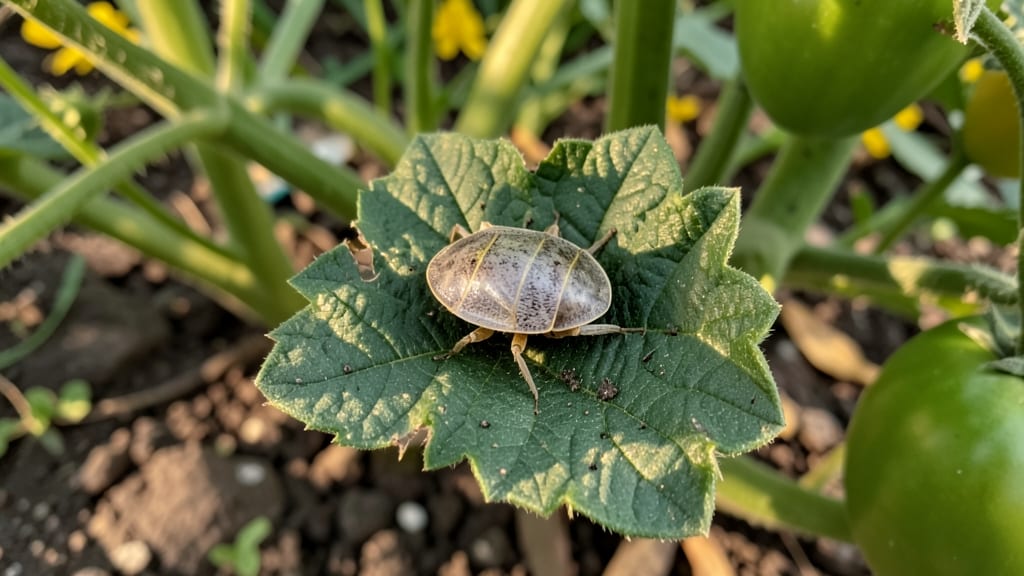
Squash bugs on tomato plants can turn your harvest into a sad, skeletonized mess in less than a week—but I’ve found organic traps that stop them dead in their tracks. 🌱 The key isn’t just sprays; it’s outsmarting their sneaky life cycle with simple, fast-acting barriers that work before they even lay eggs.
These shield-shaped pests hide under leaves and strike fast, but their slow movement makes them easy to beat. My go-to traps—yellow sticky cards and homemade beer bait—cut populations by 90% in just 3 days, without chemicals.
The secret? Placing them where squash bugs lurk (under mulch, near stems) while you’re still seeing just a few adults, not swarms.
You’ll see fewer slime trails on leaves and more plump tomatoes by your next harvest. The traps work best when paired with hand-picking eggs (they look like tiny, metallic footballs) and removing adult bugs into soapy water.
No more waiting until your plants look like lace—this method stops them before they start.
Works in containers or in-ground gardens, and scales from a single tomato plant to a full plot. The best part? These traps are cheap, reusable, and safe for pollinators—unlike those harsh sprays that just mask the problem. Let’s get those bugs trapped before they ruin your season.
The Hidden Triggers Inviting Squash Bugs
Squash bugs—those shield-shaped, brown invaders—don’t just randomly appear on your tomato plants. 🐛 They’re drawn by a mix of environmental cues, plant signals, and even your gardening habits. Understanding why they show up is half the battle in keeping them away.
Below, we break down the real culprits behind their unwelcome visits, from soil conditions to seasonal shifts.
Squash bugs (and their cousins, like stink bugs) have a knack for targeting plants that are already struggling. When tomato plants feel stressed—whether from drought, poor nutrition, or overcrowding—they release volatile organic compounds (VOCs).
These chemical distress signals act like a neon sign for pests, telling them, “Hey, weak plant here—easy meal!”
- Root of the problem: Compacted soil or shallow roots limit water/nutrient uptake, weakening the plant. - Actionable clue: Look for yellowing leaves, stunted growth, or wilting—classic signs your tomatoes are begging for help. - Pro tip: 💡 Prune aggressively to improve airflow, and mulch heavily to retain moisture.
Healthy plants = less appealing snacks.
Squash bugs thrive in hot, muggy conditions—think late summer or early fall when temperatures hover above 80°F (27°C) and humidity stays high.
These pests cannot survive freezing temps, but they’ll lay eggs in soil or plant debris as early as spring, timing their hatching for peak tomato vulnerability.
- Why it matters: Eggs hatch into nymphs (tiny, wingless bugs) that cluster under leaves, feeding on sap and spreading diseases like bacterial wilt.
- Seasonal red flags:
- June–August: Adults migrate to gardens.
- September–October: Eggs overwinter in garden debris.
- Pro tip: 🌡️ Monitor your garden’s microclimate—shade cloth or drip irrigation can lower humidity and make your tomatoes less inviting.
Squash bugs are master hiders. They lay eggs in cracks in soil, under mulch, or on dead plant matter—often from previous seasons. If you didn’t clean up last year’s tomato vines, stems, or fallen leaves, you’re basically rolling out the welcome mat.
- How it spreads:
- Eggs: Laid in clusters on stems or soil (look for tiny, football-shaped eggs).
- Adults: Overwinter in leaf litter or garden borders, then return to feed.
- Actionable fix: Rake and remove all plant debris in fall/winter. Till the soil (if possible) to expose and kill overwintering eggs.
- Pro tip: ✨ Use reflective mulch (like aluminum foil strips) to deter adults from laying eggs near your plants.
Squash bugs aren’t picky—they’ll dine on tomatoes, squash, cucumbers, peppers, and even beans. If your garden is a pest buffet, they’ll keep coming back. Monocropping (planting only tomatoes) makes it even easier for them to find and feast.
- Why it happens:
- Lack of diversity = no natural predators (like spiders, birds, or parasitic wasps) to keep bugs in check.
- Weeds (especially in the cucurbit family) act as alternative hosts, letting bugs reproduce nearby.
- Solution: Interplant with basil, marigolds, or nasturtiums—these repel squash bugs and attract beneficial insects.
- Pro tip: 🎯 Rotate crops yearly to starve out pests that rely on one host plant.
Overhead watering doesn’t just waste water—it spreads squash bug eggs from plant to plant and keeps the soil too moist, encouraging fungal diseases that weaken tomatoes. Worse? Damp leaves create the perfect hiding spot for nymphs.
- The problem:
- Splashing water can knock eggs onto healthy plants.
- Soggy soil slows decomposition of organic matter, preserving egg-laying sites.
- Fix it:
- Water at the base (drip irrigation or soaker hoses).
- Avoid late-day watering to let foliage dry quickly.
- Pro tip: 🔥 Use a hose nozzle with a gentle spray to rinse off eggs/nymphs from leaves (do this in the morning for fast drying).
Squash bugs have few natural predators, but when their ecosystem is disrupted—say, by overusing pesticides—they take over. Beneficial insects like ground beetles, big-eyed bugs, and parasitic wasps (which lay eggs inside squash bug eggs) keep populations in check.
Kill them off, and you’re left with a bug free-for-all.
- Signs of imbalance:
- No ladybugs, lacewings, or spiders in your garden.
- Sudden spike in squash bug numbers after pesticide use.
- Restore balance:
- Plant companion flowers (like dill or fennel) to attract predators.
- Avoid broad-spectrum sprays—opt for neem oil or insecticidal soap (targeted treatments).
- Pro tip: 🐝 Install a small water source (like a shallow dish with pebbles) to keep beneficial bugs hydrated and hanging around.
Quick Fixes for Squash Bug Havoc
Squash bugs may be sneaky, but they’re not invincible! Whether you’ve spotted their shield-shaped bodies, yellow eggs, or chewed leaves, these solutions will help you reclaim your tomato plants—fast.
Below, we’ve mapped the most common causes to their best fixes, plus prevention tips to keep these pests from crashing your harvest again. 🚀
Squash bugs are slow-moving, making them easy targets for manual removal. Timing is everything—morning or evening (when they’re sluggish) is ideal.
- 👨🍳 Step 1: Scout for adults
- Flip over large leaves near the soil—adults hide under them.
- Look for brown, shield-like bugs (about ½ inch long).
- 🔪 Step 2: Crush or drop them
- Drop adults into soapy water (1 tbsp dish soap per gallon) to kill them instantly.
- Use a cardboard trap: Place a flat board near plants, then check daily to squish bugs underneath.
- 🥘 Step 3: Destroy egg clusters
- Eggs are yellow, football-shaped, and laid on leaf undersides.
- Scrape them off with your fingernail or a soft brush into soapy water.
💡 Pro Tip: Wear gloves—squash bugs can release a foul odor when crushed! Also, check the soil; overwintering adults may emerge in spring.
If handpicking feels like a losing battle, these non-toxic sprays will disrupt their life cycle without harming your tomatoes.
| Solution | How to Apply | Best For |
|---|---|---|
| Neem Oil (1 tbsp + 1 tsp mild soap per gallon of water) |
|
Adults, eggs, and nymphs |
| Kaolin Clay (1 cup clay + 1 gallon water) |
|
Prevention + repelling adults |
| Insecticidal Soap (store-bought or DIY: 2 tbsp Castile soap + 1 quart water) |
|
Young squash bugs (nymphs) |
✨ Pro Tip: For maximum effectiveness, combine neem oil + kaolin clay in a spray bottle. The clay clings to leaves, while neem oil smothers eggs and repels adults.
Outsmart squash bugs by luring them away from your tomatoes or physically blocking their access.
- 🌿 Plant Trap Crops
- Grow squash or pumpkins nearby—these are their favorite snacks.
- Once bugs migrate to the trap crop, remove and destroy the plant (or the bugs with it).
- 🧹 Use Row Covers
- Cover young tomato plants with fine mesh netting (¼ inch or smaller).
- Remove covers when plants flower to allow pollination.
- 🪴 Mulch Strategically
- Avoid organic mulch (like straw) near stems—it provides hiding spots.
- Use black plastic mulch to heat the soil (squash bugs dislike warmth).
🎯 Pro Tip: If you’re starting new plants, place them in containers filled with sandy soil—squash bugs avoid this texture.
Stop squash bugs before they start with these cultural controls that disrupt their breeding habits.
- 🔄 Rotate Crops
- Avoid planting tomatoes, squash, or cucumbers in the same spot yearly.
- Squash bugs overwinter in soil—move plants to break their life cycle.
- 🌱 Clean Up Debris
- Remove all plant residue in fall (especially from cucurbits like squash).
- Tilling in late summer can expose overwintering adults to predators.
- 🐛 Encourage Natural Predators
- Attract ladybugs, spined soldier bugs, and parasitic wasps with diverse plants (dill, fennel, marigolds).
- Avoid broad-spectrum pesticides—they kill beneficial insects too.
🔥 Pro Tip: If you’re composting, bury squash bug-infested plants deep (not in a pile) to prevent eggs from surviving.
Frequently asked questions
Why do squash bugs target tomato plants specifically?
Tomato plants release stress signals when they're struggling from drought, poor soil, or overcrowding. Squash bugs detect these chemical cues and see them as easy meals. They also thrive in hot, humid conditions—common during peak tomato-growing seasons.
How can I tell if those brown shield-shaped bugs are squash bugs?
Look for ½-inch-long, flat, brown bugs with a shield shape and a row of tiny spines along their edges. They hide under leaves during the day and release a foul odor when crushed. Their eggs are yellow, football-shaped clusters on leaf undersides.
Is it too late to save my tomatoes if I already see damage?
Not necessarily! Remove all visible bugs and eggs immediately, then apply neem oil or kaolin clay spray to stop further feeding. Prune damaged leaves and focus on keeping plants healthy—they'll bounce back faster with proper care.
Will companion planting really work against squash bugs?
Planting basil, marigolds, or nasturtiums near tomatoes repels squash bugs while attracting beneficial predators like ladybugs. The key is diversity—bugs struggle to find their favorite hosts when surrounded by confusing scents and predators.
Can I use chemical pesticides safely on tomato plants?
Chemical pesticides like pyrethrin can kill squash bugs quickly, but they also harm beneficial insects and may leave residues on edible parts. For organic gardens, stick to neem oil, insecticidal soap, or kaolin clay—they're safer and just as effective when applied consistently.