Pests
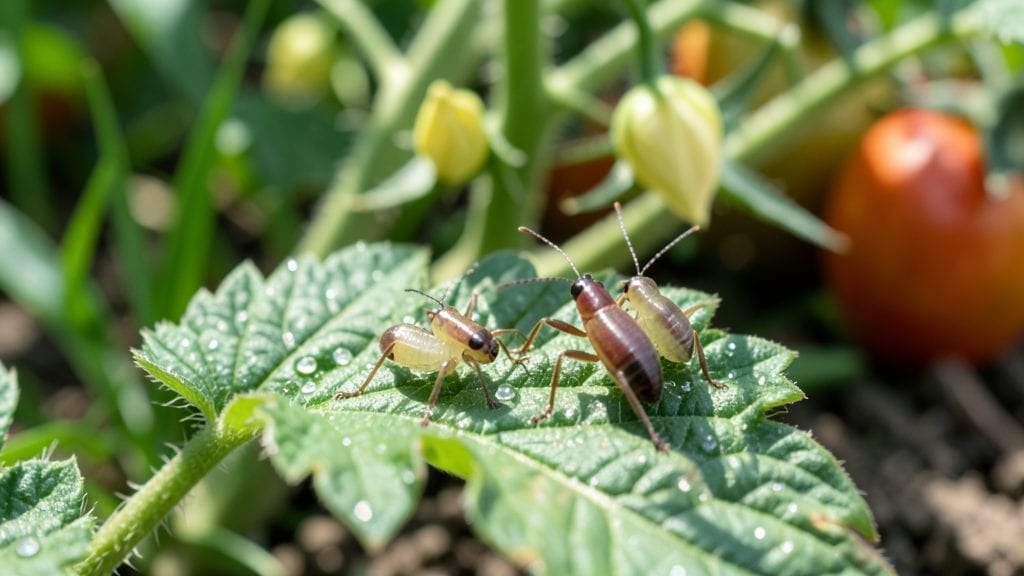
Those small bugs on tomato plants—like aphids, spider mites, and whiteflies—aren’t just annoying; they’re stealing nutrients and weakening your harvest. 🌱 I’ve battled them on my own plants, and I’ll show you how to spot them fast and kick them to the curb. out for good.
The worst part? Most gardeners wait too long before acting, and by then, the bugs have already spread. But here’s the good news: you don’t need harsh chemicals to win.
A strong spray of soapy water or neem oil can handle light infestations, while introducing ladybugs or lacewings turns your garden into a bug-eating buffet.
By the time you’re done, your tomato plants will be thriving again—no more sticky leaves, no more curled foliage, just healthy vines ready to produce those juicy tomatoes you planted for. The key is acting fast and staying consistent with your defense plan.
Works for both backyard gardens and container-grown tomatoes, so no matter where your plants live, you’ll have a foolproof way to keep them pest-free. Let’s get those bugs off your plants for good!
Root Causes of Tiny Invaders
Tomato plants are a magnet for small pests, but why do these tiny troublemakers show up in the first place? Understanding the root causes helps you take proactive steps to keep your plants healthy. Here’s why you’re likely dealing with an infestation—and what’s attracting them in the first place.
When tomato plants are packed too closely together, airflow is restricted, and humidity levels rise. This creates the perfect breeding ground for pests like thrips, aphids, and whiteflies.
Stressed plants—whether from drought, overwatering, or nutrient deficiencies—also emit volatile organic compounds (VOCs) that signal distress to insects, making them more vulnerable to attacks.
Key triggers:
- Poor spacing between plants (aim for 18–24 inches apart for determinate varieties, 24–36 inches for indeterminate).
- Inconsistent watering (drought stress or waterlogged roots).
- Nutrient imbalances (especially nitrogen or potassium deficiencies).
Tomato plants thrive in clean, well-maintained soil, but leaves, mulch, and weeds left near the base create hiding spots and food sources for pests. Many small bugs, like fungus gnats and spider mites, lay eggs in moist, decaying organic matter.
Weeds also harbor beneficial predators—but they can also attract pests that jump onto your tomatoes.
What to watch for:
- Piles of fallen leaves or thick mulch touching the plant stem.
- Uncontrolled weeds (especially dandelions, chickweed, or pigweed).
- Overly dense plantings with little ground clearance.
Pests don’t just appear—they hitchhike on tools, wind, or even your shoes! Contaminated soil, reused containers, or shared gardening equipment can introduce eggs or larvae. If you’ve had infestations before, residual pests in the soil may re-emerge when new plants are introduced.
Common hygiene mistakes:
- Reusing pots or soil from last season without sterilization.
- Not cleaning pruners or gloves between plants.
- Ignoring winter debris (pests survive in leaf litter).
Some "small bugs" aren’t actually pests—they’re beneficial insects that feed on tomato plant sap or pollen. However, if their populations explode (often due to overuse of broad-spectrum pesticides), they can become a nuisance. For example:
- Leafhoppers and ladybug larvae may look similar but behave differently—one sucks sap, the other eats aphids.
- Whiteflies thrive in greenhouses or hot climates, while aphids prefer cooler, humid conditions.
How to tell the difference:
Pest
Behavior
Damage Signs
Aphids
Cluster on new growth, excrete honeydew.
Curled leaves, sticky residue, stunted growth.
Thrips
Scratch leaf surfaces, hide in flowers.
Silver streaks, deformed fruit, buds dropping.
Spider Mites
Thrive in dry heat, weave fine webs.
Yellow stippling, webbing on undersides.
Pro Tip: 💡 Most infestations start small—check the undersides of leaves daily during warm months!
Quick Fixes for Tiny Tomato Plant Invaders
Tiny bugs on your tomato plants can feel like a losing battle, but don’t stress—most pests are manageable with the right approach. Below, we’ll match common culprits to targeted solutions, from organic remedies to preventative care.
Think of this as your pest-control cheat sheet, tailored to keep your tomatoes thriving.
Signs: Sticky residue (honeydew), curled leaves, or clusters of tiny green/black bugs. How to Fix It:
- 🔥 Blast Them Off: Use a strong stream of water from your hose to dislodge aphids from leaves and stems. Do this in the early morning to avoid harming beneficial insects.
- 🍳 Soapy Water Spray: Mix 1 tsp mild dish soap + 1 quart water in a spray bottle. Test on a small leaf first—aphids hate it! Spray directly on infested areas every 3–4 days until gone.
- 👨🍳 Introduce Predators: Ladybugs, lacewings, and parasitic wasps love aphids. Buy them online or attract them with dill or fennel plants nearby.
💡 Prevention Tip: Plant marigolds, basil, or garlic near tomatoes—their strong scents repel aphids naturally.
Signs: Tiny white moth-like bugs fluttering when you disturb leaves; yellowing leaves and sticky residue. How to Fix It:
- 🥘 Yellow Sticky Traps: Hang yellow cards coated with petroleum jelly near plants to trap adults. Check traps daily and replace as needed.
- 🔪 Neem Oil Treatment: Mix 1 tbsp neem oil + 1 tsp mild soap + 1 quart water. Spray under leaves (where they hide) every 5–7 days for 2–3 weeks.
- 🌡️ Heat Treatment: Cover plants with clear plastic wrap for 2–3 days to suffocate adults. Works best in hot weather (85°F+).
💡 Prevention Tip: Reflective mulch (like aluminum foil) confuses whiteflies and reduces egg-laying.
Signs: Fine webbing on leaves, tiny moving dots (use a magnifying glass!), and bronzed or speckled leaves. How to Fix It:
- 🍳 Water Blast: Spider mites hate humidity. Mist plants daily with water to wash them off and boost moisture.
- 🔪 Horticultural Oil: Apply horticultural oil (like Neem or dormant oil) in the early evening to smother mites. Reapply every 5–7 days.
- 🌿 Companion Planting: Cucumbers, beans, or nasturtiums deter spider mites. Crush a few marigold leaves and sprinkle around the base as a natural repellent.
💡 Prevention Tip: Prune crowded foliage—mites thrive in dry, shaded spots.
Signs: Silver streaks on leaves, tiny black specks (frass), and distorted new growth. How to Fix It:
- 🥘 Blue Sticky Traps: Thrips are attracted to blue. Hang traps near plants to monitor and reduce populations.
- 🔪 Insecticidal Soap: Spray a 1% horticultural oil + insecticidal soap mix every 4–5 days for 2 weeks.
- 🌱 Row Covers: Use fine mesh row covers over young plants to block adults from laying eggs.
💡 Prevention Tip: Remove weeds—thrips love them and will jump to your tomatoes.
No matter the bug, proactive care saves time and stress:
- 🔥 Inspect Plants Weekly: Catch infestations early with a 10x magnifying glass.
- 🌡️ Encourage Beneficial Bugs: Plant dill, alyssum, or cosmos to attract ladybugs, lacewings, and hoverflies.
- 🎯 Rotate Crops: Avoid planting tomatoes in the same spot yearly to disrupt pest life cycles.
- 🌿 Use Mulch: Straw or grass clippings suppress weeds (which harbor pests) and retain moisture.
✨ Pro Tip: If bugs persist, combine methods—e.g., neem oil + sticky traps + predator release—for a 1-2-3 punch! Most infestations vanish within 2–3 weeks with consistent effort.
Now grab your hose and get to work—your tomatoes will thank you! 🍅💪
Frequently asked questions about tiny tomato plant pests
What are the most common small bugs found on tomato plants?
The usual suspects include aphids (tiny green/black clusters), spider mites (almost invisible until they weave webs), whiteflies (tiny white moths that flutter when disturbed), and thrips (silver-speckled leaves). Always check leaf undersides first—they’re prime hiding spots!
How do I tell if the bugs are actually harming my tomato plants?
Look for stunted growth, curled or yellowing leaves, sticky residue (honeydew from aphids), or webbing (spider mites). If you see these signs, act fast—pests weaken plants and reduce fruit production. A quick leaf inspection with a magnifying glass confirms the damage!
Can I use neem oil on tomato plants with small bugs?
Yes! Neem oil is organic and effective against aphids, whiteflies, and spider mites. Mix 1 tbsp neem oil + 1 tsp mild soap + 1 quart water and spray under leaves every 5-7 days. Apply in the evening to avoid harming bees. Just avoid spraying when tomatoes are flowering or fruiting to protect pollinators.
Will removing weeds really help stop bugs from attacking my tomatoes?
Weeds like dandelions and chickweed harbor pests and beneficial insects alike. By keeping your garden weed-free, you remove hiding spots for bugs before they jump to your tomatoes. Plus, weeds compete with your plants for nutrients—double win!
How long does it take to eliminate small bugs from tomato plants?
With consistent treatment, most infestations clear up in 2-3 weeks. Early action (like soapy water sprays or predator releases) speeds up results. If bugs persist, combine methods—like neem oil + sticky traps + companion planting—for a stronger defense. Patience and persistence pay off!