
Companion Plants
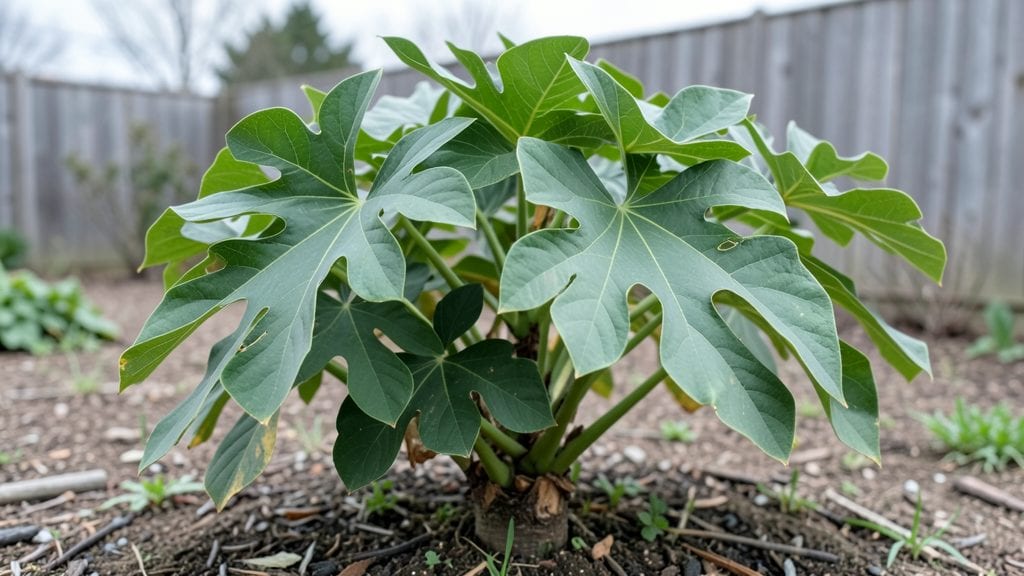
Soft foliage plants create dreamy, velvety textures in shaded garden spaces while demanding almost no effort to keep them thriving. These low-maintenance beauties love indirect sunlight, need watering every 1-2 weeks, and rarely require pruning beyond occasional trimming.
If you've ever struggled to keep plants alive in your shady garden, soft foliage plants are your secret weapon. 💫 Their broad, delicate leaves are perfectly adapted to capture what little sunlight reaches the forest floor, making them ideal for spots where sun-loving plants would crisp or wilt.
I've found that these plants also help regulate soil moisture—thick foliage creates a natural microclimate that retains water longer, reducing how often you need to water. Plus, their slow growth means you won't be battling overgrowth or invasive roots.
For gardeners who want lush greenery without the fuss, these plants deliver instant visual impact with minimal upkeep. Whether you're filling a shady corner or creating a woodland-themed garden, they'll give you that "wow" factor while staying healthy with basic care.
The best part? Many can be propagated easily through division or cuttings, so you can expand your garden without buying new plants.
💡 In This Article
- Why Soft Foliage Thrives in Shady Gardens
- Top 5 Low-Maintenance Soft Foliage Plants for Beginners
Why soft foliage thrives in shady gardens
Here's what's actually happening botanically: soft foliage plants like ferns and hostas have evolved specialized leaves that maximize photosynthesis in low-light conditions. Their broad, thin leaves contain more chlorophyll per square inch than narrow leaves, allowing them to capture every available photon.
The key factor is their mesophyll cell structure—these plants have thicker palisade layers compared to sun-loving species, which helps them process limited light more efficiently. 🌿 For comparison, sun-loving plants like succulents have tightly packed cells that reflect excess light, while shade plants absorb what little reaches them.
Their slow growth rate is another adaptation—most shade-tolerant plants grow only 6-12 inches per year, conserving energy for leaf development rather than rapid stem elongation. This means they need fewer nutrients and water.
The broad leaves also create a natural microclimate that retains moisture: studies show shaded soil stays 10-15% more humid than exposed areas, reducing evaporation. This is why you'll see these plants thriving where others would wilt.
What most people don't realize is how their root systems differ. Shade plants develop shallow, fibrous roots that spread widely to absorb surface moisture, while sun plants grow deep taproots to reach water.
This explains why shade plants need watering every 7-14 days versus sun plants that might go 3-4 weeks between waterings. The trade-off? Their delicate leaves bruise easily—handle them with care when pruning.
There's a fascinating exception worth noting: some shade plants actually require partial sun to thrive. For example, heuchera (coral bells) can scorch in full shade but needs at least 3-4 hours of morning light for vibrant foliage.
The science here involves anthocyanin production—these pigments need some light to develop their signature colors. Always check a plant's native habitat for clues about its light needs.
Consider these key differences between shade and sun foliage:
- Leaf Structure: Shade plants have larger surface areas (up to 30% more) to capture dim light
- Growth Rate: Shade plants grow 30-50% slower than sun plants of similar size
- Water Needs: Shade soil retains 10-15% more moisture than sun-exposed soil
- Pruning Needs: Shade plants rarely need pruning beyond dead leaf removal
The velvety texture of plants like lamium (dead nettle) comes from tiny hairs on the leaves that reflect light differently, creating that signature soft appearance.
This trait isn't just aesthetic—it helps reduce water loss in shaded environments where humidity fluctuates more. 💫 When selecting plants, look for descriptions mentioning "soft," "velvety," or "downy" foliage as telltale signs of shade adaptation.