
Watering
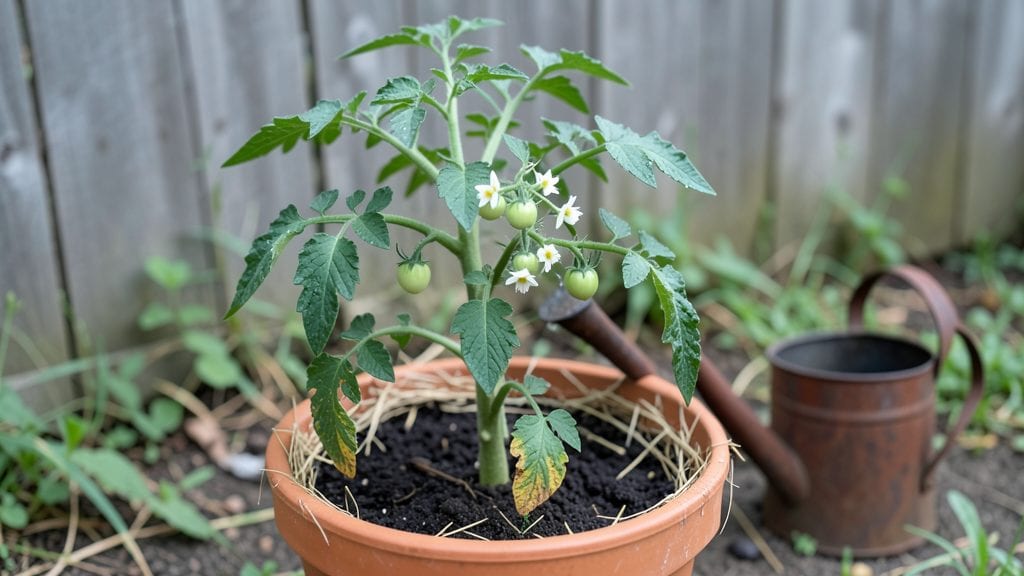
Slow watering plants forces roots to grow deeper and stronger—exactly what my struggling herbs needed last summer when drought hit. 💧 The trick isn’t just watering less, but letting water soak in slowly so roots chase moisture downward instead of sprawling near the surface.
I went from wilting basil to thriving plants in just two weeks by switching to this method.
You’ll need a few simple tools: a watering wand with a gentle flow, a timer for consistency, and a moisture meter to check soil depth. The key is patience—this isn’t about quick surface watering but giving roots time to establish.
Most plants adapt within a month, and you’ll see fewer weeds and less water waste too.
By the end, your plants will have a robust root system that handles dry spells like a pro. The foliage stays vibrant, and you’ll notice fewer yellowing leaves or fungal issues from soggy soil. Once you try it, you’ll wonder why you didn’t switch sooner.
Works for everything from container herbs to vegetable gardens, and it’s especially great for drought-prone areas. Here’s how to get started without drowning your plants—or your patience.
📚 In This Guide
- What you need
- Instructions
- Tips and common mistakes
- Wrapping up and next steps
What you need
- ● Watering can or hose with adjustable nozzle – Opt for a slow-drip or showerhead attachment (e.g., blank">Rain Bird Adjustable Nozzle) to control flow. A 5-gallon capacity is ideal for most plants.
- ● Timer or stopwatch – Helps monitor watering duration (e.g., 10–30 minutes per session, depending on soil type). A smartphone app works too!
- ● Well-draining soil mix – Use a blend with 30–50% perlite, vermiculite, or coco coir to prevent waterlogging. Pre-mixed potting soil with added sand is a great shortcut.
- ○ Drip irrigation kit (optional but recommended) – For larger gardens, a low-flow drip system (e.g., blank">Orbit B-Hyve) delivers steady moisture without waste.
- ○ Moisture meter (optional) – A digital probe-style meter (e.g., blank">XLUX Soil Moisture Meter) ensures roots get just the right hydration—no guessing!
- ● Self-watering planters – Automates slow release (e.g., blank">Lechuza Self-Watering Planter). Perfect for busy plant parents!
- ● Mulch (straw, bark, or hydro-mulch) – Slows evaporation and keeps roots consistently moist. Apply a 2–3 inch layer around plants.
- ● Osmocote or slow-release fertilizer – Enhances root resilience (e.g., Osmocote Smart-Release). Mix 1 tbsp per gallon of soil at planting.
- ● Rainwater collection barrel – Free, chemical-free water for your plants! Pair with a filter if storing long-term.
How to water plants slowly for strong, self-sufficient roots
This method builds deep root systems that thrive on less water—perfect for busy gardeners or drought-prone climates.
💧 Step 1: Choose the Right Watering Tools
Start with a soaker hose or drip irrigation system—these deliver water directly to the soil without wetting leaves. I avoid sprinklers because they encourage shallow root growth and fungal diseases. For containers, a watering wand with a gentle flow works best. The key is slow, deep watering that mimics natural rainfall.
If you only have a basic hose, attach a low-flow nozzle or poke small holes in a plastic bottle to create a slow drip. Test your setup first: water should seep into the soil at a rate of about 1 gallon per hour for most plants. Too fast, and you’ll waste water; too slow, and you’ll never finish.
🌱 Step 2: Water Deeply at the Base
Focus water at the soil line, about 2-3 inches from the stem. This encourages roots to grow downward in search of moisture. I dig a small trench around the plant’s drip line (the edge of its canopy) and place the soaker hose there. Water until you see moisture 6 inches deep—stick your finger in the soil to check.
For containers, lift the pot slightly after watering to feel how much moisture has reached the bottom. If the soil feels dry at the base, keep watering. Overwatering here is less risky than underwatering because slow watering prevents runoff. Most plants need 1-2 deep waterings per week, depending on your climate.
☀️ Step 3: Time Watering for Early Morning
Water between 6 AM and 10 AM when temperatures are cool and evaporation is minimal. This gives roots time to absorb moisture before the heat of the day. Avoid evening watering—wet foliage overnight invites fungal infections like powdery mildew. I set a timer on my irrigation system to run for 20-30 minutes daily during dry spells.
Watch for wilting leaves by mid-morning—that’s your cue to water. If leaves stay crisp but the soil feels dry, your plants are telling you they need deeper hydration. Mulch with 2-3 inches of organic material (like straw or shredded leaves) to lock in moisture and reduce evaporation.
⏰ Step 4: Adjust for Plant Type and Season
Succulents and drought-tolerant plants like lavender or rosemary need water every 2-3 weeks, while thirsty plants like tomatoes or peppers require weekly deep waterings. In summer, I increase frequency to every 5-7 days because heat drains soil moisture faster. Always check the top 2 inches of soil—if it’s dry, it’s time to water.
Newly planted trees or shrubs need more frequent watering (every 3-5 days) until their roots establish. Once they’re settled, slow watering helps them become self-sufficient. If your soil is sandy, water more often; if it’s clay-heavy, space waterings further apart. The goal is consistent moisture at depth, not surface-level dampness.
🌿 Step 5: Monitor and Refine Your Approach
Keep a log of watering sessions to track what works. Note the date, time, and duration of each watering, along with weather conditions. Over time, you’ll notice patterns—like how your plants handle heatwaves or rainy spells. Adjust as needed: if leaves yellow, you might be overwatering; if they crisp, you’re underwatering.
Slow watering isn’t just about saving water—it’s about building stronger plants. Roots that dive deep seek out nutrients and resist drought. With practice, you’ll see fewer wilting leaves, healthier foliage, and plants that thrive with less fuss. Stick with it, and your garden will reward you with lush, resilient growth.
Tips & tricks for perfect root-deep hydration
These practical insights will help you transform your watering routine into a science that builds resilient plants.
Tool Setup Matters: When testing your slow watering system's flow rate (about 1 gallon per hour), use a simple method: place a measuring cup under the drip point for 60 seconds. If it collects more than 1 cup, your flow is too fast. For containers, I've found that poking holes in a plastic bottle with a straw creates a perfect slow drip—just adjust the hole size to control the rate.
Depth Check Technique: In Step 2, when checking for 6 inches of moisture, I've learned to use a clean wooden skewer instead of my finger. Push it into the soil—if it comes out clean, you've reached moist soil. This method is gentler on your plants and gives you a clearer visual. For sandy soil, you might need to water until you see moisture at 8 inches deep.
Morning Watering Secret: The 6 AM to 10 AM window isn't just about evaporation—it's also when many pests are least active. I've noticed that watering during this time significantly reduces aphid infestations on my roses. Plus, morning water gives foliage time to dry completely before evening, preventing fungal spores from taking hold.
Seasonal Adjustment Hack: For summer watering (every 5-7 days), I set a reminder on my phone for the 3rd day after my last watering. This helps me stay consistent without overwatering. In winter, I reduce to every 10-14 days for most plants, checking the top 2 inches of soil as my guide. The key is to let the soil dry slightly between waterings—this encourages roots to seek moisture deeper.
Pro Tips for Slow Watering Plants
- These practical insights will help you transform your watering routine into a science that builds resilient plants.
- Tool Setup Matters: When testing your slow watering system's flow rate (about 1 gallon per hour), use a simple method: place a measuring cup under the drip point for 60 seconds.
- Depth Check Technique: In Step 2, when checking for 6 inches of moisture, I've learned to use a clean wooden skewer instead of my finger.
Frequently asked questions
about slow watering plants—because even the best gardeners need a little clarity! Here are answers to the most common queries to help you master this technique.What exactly is slow watering, and how is it different from regular watering?
Slow watering mimics natural rainfall by delivering water gradually, allowing roots to absorb moisture deeply over time. Unlike quick watering (which often leads to runoff), slow watering encourages roots to grow downward, making plants drought-resistant and reducing evaporation. Think of it as a spa day for your plants’ roots!
How often should I slow water my plants compared to traditional watering?
Slow watering means fewer sessions but deeper hydration. Most plants thrive with 1–2 slow waterings per week (adjust based on climate and soil type). For example, desert succulents may need it every 10–14 days, while leafy greens might prefer weekly sessions. Pro tip: Check soil moisture 2–3 inches down—if it’s dry, it’s time!
Can slow watering work for all types of plants, or are some better suited for it?
Slow watering benefits most plants, especially drought-tolerant varieties like lavender, rosemary, and native grasses. However, delicate plants (e.g., ferns or tropicals) may prefer frequent, light watering. Always research your plant’s needs—when in doubt, observe! Yellowing leaves or wilting can signal over- or under-watering.
What if my soil drains too fast, and water just runs out without soaking in?
Fast-draining soil can be tricky, but don’t worry! Try these fixes:
- Add organic matter: Mix in compost or coconut coir to improve water retention.
- Use a watering glob: Place it near the base to slow the flow.
- Water in stages: Apply water in 5–10 minute intervals to let soil absorb gradually.
Does slow watering work in extreme heat or cold?
Slow watering is ideal for heat—it reduces evaporation and keeps roots cool. In cold climates, water in the late afternoon to prevent freezing. Avoid slow watering if temperatures drop below freezing (ice can suffocate roots). For winter care, reduce frequency but keep soil slightly moist (not soggy).
What’s a good alternative if I don’t have a slow watering system?
No fancy tools? No problem! Try these DIY methods:
- Drip irrigation: Use a simple hose with a pinprick hole for a steady drip.
- Terracotta pots: Place them upside-down in the soil—they’ll wick water slowly.
- Sponge method: Soak a sponge in water, place it near roots, and let it seep.
Wrapping up and next steps
Mastering slow watering is your secret weapon for nurturing resilient, drought-resistant plants that thrive with minimal fuss! 🌱 By mimicking nature’s deep hydration cycles, you’ll foster stronger roots, conserve water, and enjoy lusher greenery—even in dry climates. The key is patience and consistency, so don’t rush the process.
Ready to transform your garden? Start by testing one plant with this method, then expand as you see results. Your future self (and your plants!) will thank you—one sip at a time.