
Companion Plants
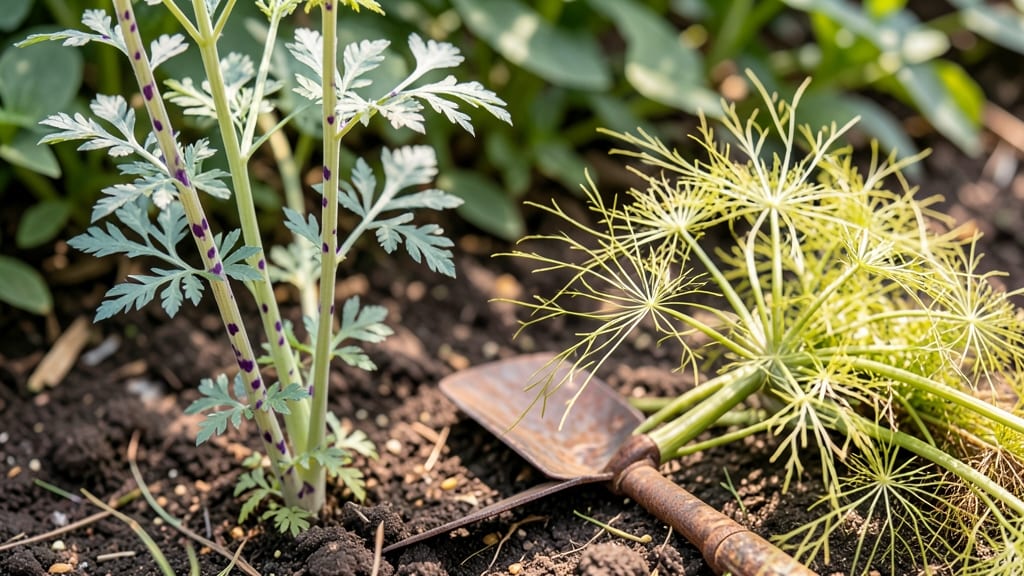
Skunk repellent plants saved my garden after one too many midnight raids left my compost heap trashed. 🌱 The right plants don't just mask odors—they create a natural barrier that skunks instinctively avoid, and the best part? They make your yard smell better to humans too.
My top performers include daffodils (their toxic bulbs deter diggers), marigolds (strong scent confuses skunks), and lavender (calming for people, repulsive to skunks). Plant them in clusters along garden edges or near compost bins—skunks will circle wide.
The key is density: a few scattered plants won't cut it, but a solid border does the trick.
You'll notice the difference within days—fewer disturbed mulch piles, no more skunk spray cleanup, and a garden that stays protected season after season. These plants thrive with minimal fuss, and their blooms add beauty while doing the heavy lifting of pest control.
For extra protection, combine with scent barriers like citrus peels or predator urine (available at garden centers). The plants handle the daily deterrence while these boosters provide backup when skunks get bold. Your yard will smell like summer, not like a skunk's lunch.
📚 In This Guide
- What you need
- Instructions
- Tips and common mistakes
- Wrapping up and next steps
What you need
- ● Skunk-repellent plants (5–10+ per area): Marigolds (French or African varieties)
- ● Daffodils (bulbs or mature plants)
- ● Alliums (garlic, chives, or ornamental onions)
- ● Lavender (compact or spreading types)
- ● Rue (herb, use sparingly—toxic to pets)
- ● Citrus plants (lemons, limes, or oranges)
- ● Potting soil or garden soil: 1–2 bags (depending on planting scale)
- ● Compost or organic fertilizer: 1 small bag (for nutrient boost)
- ○ Mulch (optional but recommended): Straw, wood chips, or pine needles (1–2 bags)
- ● Garden trowel or hand shovel (for planting)
- ● Gloves (to protect hands from thorns or soil)
- ● Watering can or hose (with gentle spray nozzle)
- ● Pruning shears (for trimming established plants)
- ● Measuring tape or ruler (to space plants 12–24" apart)
- ● Epsom salt (for magnesium boost in soil)
- ● Neem oil (natural insect/pest deterrent spray)
- ● Plant markers (to label repellent varieties)
- ● Drip irrigation kit (for low-maintenance watering)
- ● Pet-safe alternatives (if Rue is avoided, try catnip or lemongrass)
How to create a skunk-resistant garden border
Here's how to plant a natural skunk deterrent that works year after year.
🌱 Step 1: Select the Right Plants for Your Climate
Skunks hate strong scents and textures, so focus on plants like castor beans, daffodils, foxglove, and alliums. Castor beans release a milky sap skunks avoid, while daffodils contain toxins that repel them. Foxglove's fuzzy foliage makes it unappealing, and alliums emit a garlic-like odor they dislike. Check your USDA hardiness zone—castor beans thrive in zones 8-11, while daffodils grow well in zones 3-10.
I always plant castor beans first—they're the most effective against skunks. Next, add daffodils along the garden edges, where skunks might dig. Space them 12-18 inches apart to create a dense barrier. If you have shade, foxglove works beautifully there, while alliums prefer full sun. Mix textures too: combine the tall castor beans with shorter daffodils for a layered effect.
🪴 Step 2: Prepare the Planting Area
Skunks dig, so prepare the soil well. Loosen the top 6-8 inches of soil with a garden fork to improve drainage—skunks avoid soggy areas. Mix in 2-3 inches of compost to enrich the soil, as skunks are drawn to nutrient-rich spots. If your soil is heavy clay, add 1 part perlite to every 3 parts soil to lighten it up.
Mark planting spots with stakes or a garden hose outline. Skunks are attracted to straight lines, so avoid planting in neat rows. Instead, create a wavy border—skunks dislike irregular patterns. Water the area deeply before planting to help roots establish faster. This step ensures your plants grow strong and form a thick barrier skunks won't penetrate.
☀️ Step 3: Plant and Space for Maximum Effect
Plant castor beans first, spacing them 18-24 inches apart—they grow tall and need room. Next, add daffodils in clusters of 3-5 bulbs every 6 inches, creating a dense carpet. Foxglove should go 12-18 inches apart, while alliums can be planted 8-12 inches apart for a tight, scent-filled border. Skunks hate surprises, so avoid gaps—aim for a closed canopy by mid-summer.
Water each plant deeply after planting to settle the soil. Mulch with 2-3 inches of shredded bark to suppress weeds and retain moisture—skunks dig where weeds grow. The mulch also masks the scent of your lawn, making the area less appealing. This creates a double barrier: physical plants and scent confusion.
🌿 Step 4: Maintain the Barrier Year-Round
Skunks are persistent, so keep your plants healthy. Castor beans need deep watering once a week in dry spells—they wilt quickly if thirsty. Daffodils are drought-tolerant but bloom better with 1 inch of water per week. Trim dead foliage in late summer to encourage next year’s growth, but leave foxglove stalks until spring—they provide winter interest and deter skunks.
Fertilize lightly in early spring with a balanced 10-10-10 formula—skunks are drawn to overly fertilized areas. Avoid overwatering, as soggy soil attracts pests. By late fall, add 2-3 inches of fresh mulch to protect roots and maintain the barrier. A well-kept border sends skunks the message: "This is mine—move along."
✂️ Step 5: Expand and Rotate Plants as Needed
Skunks adapt, so refresh your barrier every 2-3 years. Replace older castor beans with new plants—they lose potency as they age. Add garlic chives or rue in gaps for extra scent power. Skunks dislike the pungent aroma of these herbs. If skunks still dig, try marigolds along the border—their strong smell masks other scents, including food odors.
Rotate planting locations slightly each year to prevent skunks from learning patterns. For example, shift the daffodil clusters a few inches outward annually. This keeps them guessing. Combine this with motion-activated sprinklers near high-traffic areas for a two-pronged defense. The key is consistency—skunks respect a well-maintained, confusing, and smelly border.
Tips & tricks for skunk-resistant garden borders
Here's what nobody tells you about making your garden truly skunk-proof—these tricks make all the difference.
Layer Your Defenses: In Step 1, when selecting plants, I recommend adding a third layer of protection by incorporating garlic chives or rue in strategic spots. These herbs amplify the scent barrier—skunks can't stand the combination of castor bean sap, daffodil toxins, and garlic's pungency. Plant them in the gaps between your main barrier plants for maximum effect. This creates a multi-sensory deterrent that confuses and repels skunks more effectively than any single plant.
Soil Preparation Secret: When you're loosening that 6-8 inches of soil in Step 2, don't stop at drainage—add a handful of crushed eggshells to the mix (optional but powerful). The sharp edges deter digging, and the calcium boosts plant health. Skunks avoid areas with rough textures—they prefer soft, easy-to-dig soil. This small addition turns your border into both a scent barrier and a physical obstacle.
Planting Psychology: In Step 3, when creating your wavy border, make the curves more dramatic than you think you need. Skunks are pattern-seeking animals—they'll try to follow straight lines or gentle curves to find weaknesses. I've seen skunks completely avoid gardens with serpentine borders that change direction every 3-4 feet. This visual confusion throws off their natural digging instincts, making your garden appear like a maze rather than an easy target.
Maintenance Matters: That 2-3 inches of mulch in Step 4 isn't just for aesthetics—it's your secret weapon. Refresh it annually with a mix of cedar mulch (optional but excellent) and your regular bark. Cedar's natural oils repel skunks, and the fresh layer prevents weeds that might attract them. The key is consistency: skunks notice when borders look neglected, so keep it thick and uniform. A well-maintained border sends the message that this territory is actively defended.
Pro Tips for Skunk Repellent Plants
- Here's what nobody tells you about making your garden truly skunk-proof—these tricks make all the difference.
- Layer Your Defenses: In Step 1, when selecting plants, I recommend adding a third layer of protection by incorporating garlic chives or rue in strategic spots.
- Soil Preparation Secret: When you're loosening that 6-8 inches of soil in Step 2, don't stop at drainage—add a handful of crushed eggshells to the mix (optional but powerful).
Frequently asked questions
Got questions about using skunk-repellent plants?
You’re not alone! Here are some of the most common concerns—and straightforward answers—to help you create an effective, natural barrier against skunks.
Which skunk-repellent plants work fastest?
Plants like castor beans and foxglove (when used fresh) can deter skunks within days, but consistency is key. Skunks rely on scent, so the stronger the aroma (like garlic or daffodils), the quicker they’ll avoid the area. For immediate results, combine plants with commercial repellents like predator urine (but avoid harming wildlife!).
How long does it take for these plants to establish a skunk-free zone?
Most skunk-repellent plants take 4–8 weeks to fully establish their scent barrier, especially if planted in spring or early summer. Fast-growing options like marigolds or alliums may show results in 2–3 weeks, but skunks may test boundaries at first. Reinforce with mulch or companion plants (like wolfsbane) for long-term success.
Can I use skunk-repellent plants in containers or small gardens?
Compact plants like garlic chives, lavender, or citronella thrive in pots and still emit skunk-deterring scents. Place containers near entry points (garage doors, pet doors) or along fences. Just ensure they’re 6+ inches deep and get 4–6 hours of sunlight daily for optimal scent production.
What if skunks ignore my plants?
If skunks keep returning, they may be hungry, territorial, or habituated to human food. Try these fixes:
- Rotate plants every 2–3 months to confuse their scent memory.
- Add physical barriers like chicken wire (buried 12" deep) around vulnerable areas.
- Use motion-activated sprinklers or ultrasonic devices as a backup.
Are these plants safe for pets or kids?
Most skunk-repellent plants (lavender, marigolds, daffodils) are non-toxic, but a few—like castor beans or foxglove—can be harmful if ingested. Keep these out of reach and opt for pet-safe alternatives like rosemary or citrus-scented geraniums. Always research before planting near children or curious pets!
Wrapping up and next steps
Discovering the power of skunk repellent plants is a game-changer for keeping these unwelcome visitors at bay—naturally! From fragrant herbs like lavender to bold blooms such as marigolds, these plants offer a low-cost, chemical-free solution to protect your garden, yard, and even your home. 🌿✨
Ready to take action? Start small—plant a few of these skunk-deterring favorites in high-traffic areas, expand your garden borders, or even add them to containers near entry points. Your next step: Pick one or two plants from our list, grab some gloves, and get planting!
A few weeks of growth could mean a skunk-free season ahead.