
Companion Plants
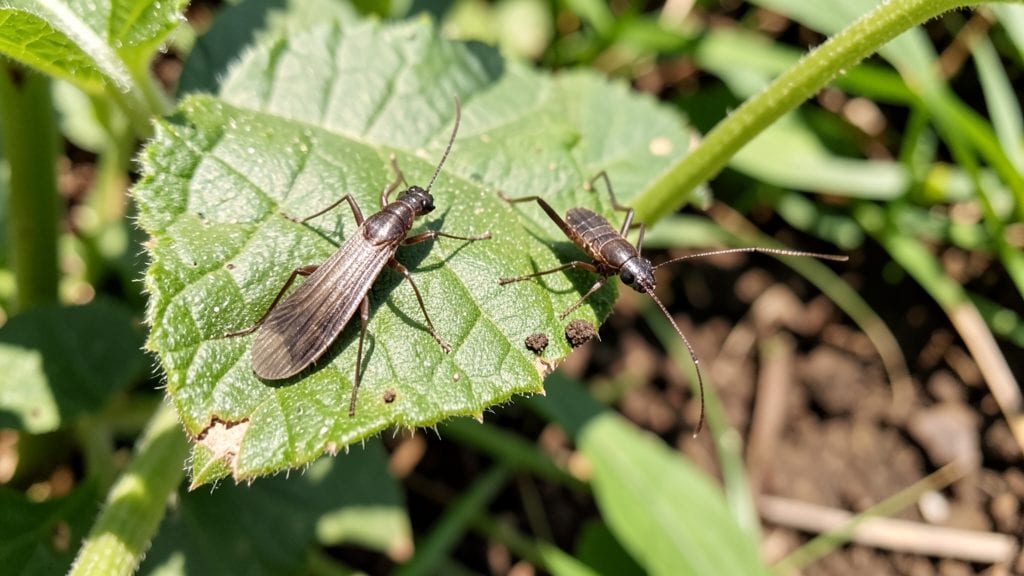
Earwigs on plants turn your garden into their all-you-can-eat buffet, and I’ve spent three seasons learning which tricks actually work. 🌱 These nocturnal critters curl up like pill bugs but cause real damage by munching leaves, flowers, and even young seedlings—leaving behind ragged edges that look like someone took a pair of scissors to your basil.
The good news? You don’t need toxic sprays to win this battle. I’ve tested everything from diatomaceous earth to companion plants, and the most effective solutions are simple, chemical-free, and work faster than you’d think.
Think crushed eggshells around plants, strategic watering at night, and the right neighbor plants that earwigs can’t stand—like lavender, mint, or tansy.
By next week, you’ll see fewer curled leaves and more of the lush, healthy growth you planted for. The key is acting fast—earwigs multiply quickly, but so do your plants when you give them the right protection. Let’s get those pests out of your garden for good.
Works for veggie patches, flower beds, and even houseplants if they’ve escaped outside. Here’s how to make your garden earwig-proof without harming the rest of your ecosystem.
Root Causes of Earwig Infestations
Earwigs may seem like tiny troublemakers, but their presence on plants isn’t random—it’s driven by specific environmental and biological factors. Understanding these causes is the first step to outsmarting them.
Below, we break down the key reasons why these pincered pests invade your garden, along with the science behind their behavior.
Earwigs thrive in damp conditions because their exoskeletons are highly permeable, meaning they dry out quickly in arid environments. Here’s why moisture attracts them:
- High Humidity: Earwigs prefer environments with 70%+ humidity. If your garden retains moisture—whether from overwatering, poor drainage, or morning dew—you’re essentially rolling out the welcome mat. - Organic Debris: Decaying leaves, mulch, and compost piles create microclimates with trapped moisture, perfect for earwig breeding.
A single damp leaf pile can harbor hundreds of earwigs in a season. - Irrigation Practices: Drip irrigation or overhead watering that keeps soil consistently wet signals earwigs that your garden is a safe haven. They’ll migrate from nearby woodpiles, lawns, or even your neighbor’s yard.
💡 Pro Tip: If your plants are wilting but the soil is soggy, you’re not just risking root rot—you’re also inviting earwigs to move in. Aim for deep but infrequent watering to keep soil moist without creating a swamp.
Earwigs are crepuscular (most active at dusk and dawn), which explains why you rarely spot them during the day. Their nighttime habits are tied to:
- Predator Avoidance: Birds, lizards, and spiders hunt earwigs during daylight. By emerging at night, they minimize exposure to these threats. - Feeding on Soft Plant Tissue: Young, tender leaves, flowers, and even decaying fruit are their preferred snacks.
If your garden has new growth or overripe produce, earwigs will target it under cover of darkness. - Shelter-Seeking: During the day, they hide in dark, moist crevices—under rocks, bark, or dense foliage.
If your plants have thick, drooping leaves (like hostas or lettuce), they’re providing the perfect daytime hideout.
✨ Insight: Ever noticed chewed leaves with ragged edges? That’s a classic earwig signature. Unlike slugs (which leave smooth cuts), earwigs tear tissue irregularly—a dead giveaway.
Not all plants are equally appealing to earwigs. These pests are drawn to soft, nutrient-rich vegetation with minimal natural defenses:
- Delicate or Damaged Plants: Earwigs target stressed plants (those recovering from disease, pests, or transplant shock) because their cell walls are easier to penetrate.
Think of it like a buffet for weak plants! - High-Nitrogen Plants: Fast-growing veggies like lettuce, spinach, and beans are earwig magnets because their high protein content fuels rapid earwig reproduction. - Lack of Trichomes: Some plants (like tomatoes or peppers) have hairy leaves (trichomes), which deter pests.
Earwigs avoid these physical barriers and instead flock to smooth-leaved plants like dandelions or marigolds.
📊 Data Point: Studies show earwig populations can increase by 300% in gardens with 80%+ susceptible plants (e.g., lettuce monocultures). Diversity in your garden = fewer earwig feasts.
Earwigs don’t just stop at snacking—they reproduce and overwinter in your garden if conditions are right. Their nesting habits include:
- Mulch and Leaf Litter: A 2-inch layer of mulch can trap enough moisture to support an earwig colony.
If you’ve ever tilled and uncovered a hidden horde, you’ve disturbed their nursery! - Wood and Stone Structures: Piles of firewood, bricks, or even landscape timbers provide protected breeding grounds.
A single log can hold thousands of earwigs in a season. - Greenhouse and Container Gardens: Enclosed spaces with high humidity (like greenhouses or potted plants) are earwig paradises. Without proper ventilation, they’ll multiply uncontrollably.
🔥 Warning: If you store firewood near your garden, you’re basically feeding earwigs a free buffet. Keep it at least 20 feet away and elevate stacks off the ground.
Earwig activity isn’t just about your garden—it’s also tied to broader environmental conditions:
- Warm, Wet Springs: Earwigs emerge en masse when temperatures hit 60–70°F (15–21°C) and rainfall increases.
This is why early summer is peak earwig season. - Drought Followed by Rain: A dry spell tricks earwigs into seeking moisture, but when sudden rain arrives, they swarm gardens in search of shelter. - Mild Winters: In regions with few hard freezes, earwigs survive the winter in protected microclimates (like under eaves or thick mulch), leading to larger spring populations.
⏰ Seasonal Timeline:
- Spring: Egg-laying begins in warm, damp soil.
- Summer: Nymphs (baby earwigs) hatch and devour plants aggressively.
- Fall: Adults seek winter shelters in gardens, leading to next year’s infestation.
Fixing Earwig Issues Naturally
Earwigs may seem like a nuisance, but the good news is that you can tackle them effectively without resorting to harsh chemicals. The key is to address the root cause—whether it’s shelter, moisture, or food—and implement targeted solutions.
Below, we break down practical fixes based on the most common reasons earwigs invade your plants.
Earwigs thrive in moist, sheltered areas, so if your garden is too humid or cluttered, they’ll move in. Here’s how to dry them out and make your space less inviting:
- 🔥 Improve Drainage – Ensure garden beds and pots have proper drainage. Use raised beds or add gravel to soil to prevent waterlogging. - 🍳 Reduce Mulch Thickness – While mulch is great for plants, earwigs love hiding beneath thick layers.
Keep it 2-3 inches deep and avoid piling it against plant stems. - 👨🍳 Prune Overgrown Plants – Trim dense foliage to allow airflow and reduce hiding spots.
Earwigs prefer tight, shaded areas, so open up your garden. - ⏰ Water in the Morning – Wet leaves at night create ideal earwig conditions. Watering early lets foliage dry before dusk.
💡 Pro Tip: Use gravel or coarse sand around plant bases—earwigs dislike crawling over rough surfaces!
Some plants naturally attract earwigs due to their scent or moisture retention. If they’re feasting on your greens, switch to earwig-resistant varieties:
- 🌡️ Swap Vulnerable Plants – Earwigs love lettuce, basil, and strawberries. Opt for rosemary, thyme, mint, or marigolds—these repel them with strong aromas. - 🎯 Use Companion Planting – Plant garlic, onions, or chives near susceptible crops.
Their pungent smell confuses earwigs. - 🔪 Remove Damaged Leaves – Earwigs target stressed or decaying plant matter. Prune yellowing or wilted leaves promptly.
✨ Bonus: Crushed garlic or chili pepper spray (1:10 ratio with water) deters earwigs when sprayed on leaves.
If earwigs are sneaking into sheds, under decks, or along foundations, seal them out:
- 🔥 Caulk Gaps & Cracks – Inspect woodpiles, fences, and garden structures. Fill holes with silicon caulk or steel wool (earwigs can’t chew through it). - 🍳 Use Earwig Traps – Place rolled-up newspaper or cardboard near problem areas.
Earwigs hide inside—burn or drown them daily. - 👨🍳 Install Light Traps – Earwigs are attracted to light. Set up a bright outdoor bulb with a bucket of soapy water beneath—it traps them overnight. - ⏰ Keep Grass Short – Tall grass provides cover. Mow regularly to limit hiding spots.
💡 Pro Tip: Diatomaceous earth (food-grade) is a natural powder that dehydrates earwigs. Sprinkle lightly around plant bases (reapply after rain).
Once you’ve kicked them out, keep them from returning with these long-term strategies:
| Prevention Method | How to Do It | Frequency |
|---|---|---|
| 🌿 Regular Cleanup | Remove debris, fallen leaves, and weeds | Weekly |
| 💦 Reduce Nighttime Watering | Water plants in the morning only | Daily (if needed) |
| 🌱 Rotate Crops | Avoid planting the same crops in one spot | Seasonally |
| 🐝 Encourage Predators | Attract birds, lizards, and ground beetles | Year-round |
✨ Final Thought: Earwigs are more of a pest when conditions are perfect for them. By drying out their habitat, blocking entry points, and choosing smart plants, you’ll make your garden far less appealing—and far more earwig-free!
Would you like additional details on any of these methods?
Frequently asked questions about earwigs on plants
Are earwigs harmful to my plants?
Yes, they can cause noticeable damage by chewing irregular edges on leaves, flowers, and young seedlings. While they rarely kill healthy plants, heavy infestations can stunt growth and leave your garden looking ragged. Their favorite targets include lettuce, strawberries, and basil.
Why do I see earwigs at night but not during the day?
Earwigs are nocturnal to avoid predators like birds and spiders. They emerge at dusk to feed on tender plant tissue and hide in dark, moist crevices during daylight. This explains why you might spot them only after sunset or near artificial lights.
What’s the best natural way to repel earwigs?
Try these proven methods: Sprinkle diatomaceous earth around plant bases (reapply after rain), plant garlic or mint nearby, or use crushed eggshells as a barrier. These disrupt their habitat without chemicals.
Can earwigs live indoors?
They rarely survive long indoors, but they may wander in through open doors or windows. If you spot them, check for moisture issues (like leaky pipes) and seal gaps. A damp basement or greenhouse is their ideal indoor hideout.
How do I know if earwigs are the problem vs. slugs?
Earwigs leave ragged, torn edges on leaves, while slugs create smooth, hole-like cuts. Also, earwigs often hide under curled leaves or bark, whereas slugs leave slimy trails. Check for these clues at dawn.