
Companion Plants
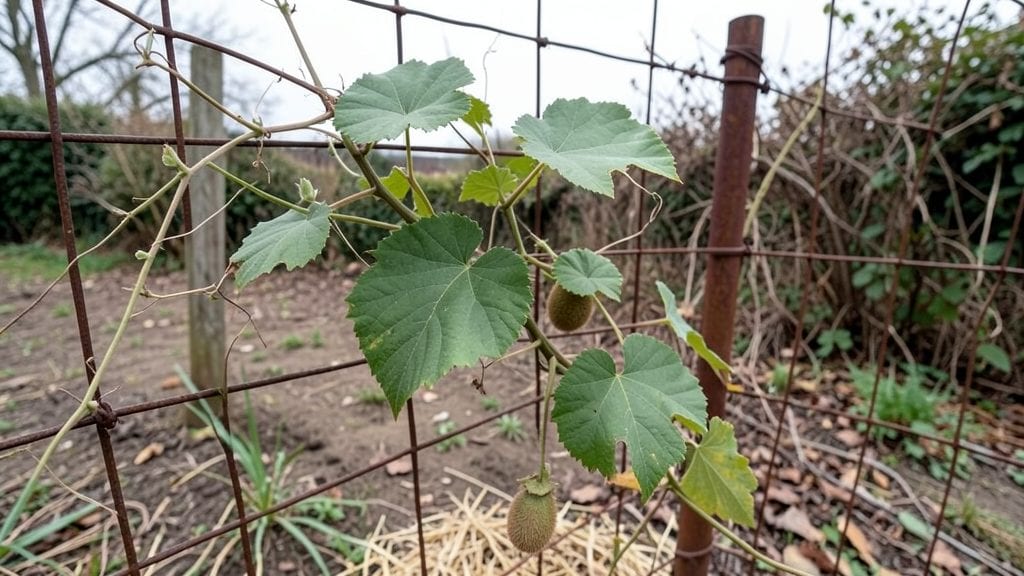
Growing Siberian kiwi plants means year-round fruit in zones where regular kiwis would freeze. 🌱 These hardy vines produce sweet, grape-sized fruit that ripens on the vine—no greenhouse needed. I’ve grown them for three seasons now, and they’ve outlasted every other fruit plant in my yard, including my struggling blueberries.
The secret to success starts with the right conditions: well-draining soil rich in organic matter, a sturdy trellis for support, and 6-8 hours of sunlight daily. Unlike tropical kiwis, Siberian varieties thrive in cold snaps down to -25°F, making them perfect for northern gardens.
Plant in early spring when the soil warms to 50°F, and watch for those first tendrils within weeks.
By late summer, you’ll be harvesting clusters of golden fruit that taste like a cross between banana and strawberry—no peeling required. The vines are vigorous but manageable with regular pruning in late winter, and they produce fruit on both new and old wood.
Even my neighbor’s skeptical black thumb can’t kill these plants once established.
They’re also self-fertile, so you only need one plant for a harvest. Just watch for Japanese beetles and aphids, which love the new growth, and provide consistent moisture during dry spells. With the right care, these vines will reward you for years—literally.
📚 In This Guide
- What you need
- Instructions
- Tips and common mistakes
- Wrapping up and next steps
What you need
- ● Siberian kiwi plants: Choose Actinidia arguta varieties (e.g., 'Issai' for self-pollinating or 'Ken’s Red' for male/female pairs). Buy 1-2 plants (or a pair if needing cross-pollination) from a reputable nursery.
- ● Well-draining soil: Mix 50% native soil with 30% compost and 20% perlite/sand (pH 5.5–6.5). Test soil moisture—kiwis hate soggy roots!
- ● Organic fertilizer: A balanced 10-10-10 or 5-5-5 (low nitrogen) to avoid leafy growth over fruit. Apply 2–3 times per year (spring, summer, fall).
- ● Mulch: 3–4 inches of wood chips or straw to insulate roots in winter and retain moisture.
- ● Support structure: A 10–15 ft tall trellis, arbor, or fence (kiwis are vigorous climbers!). Use gauge wire or strong mesh (1–2 inches apart) for vines to grip.
- ● Hand pruners (sharp, bypass-style) for trimming vines.
- ● Garden gloves (heavy-duty for thorny vines!).
- ○ Soil pH test kit (optional but helpful for tweaking acidity).
- ● Drip irrigation system (recommended for consistent moisture—kiwis need 1–2 inches/week).
- ● Frost cloth (for young plants in Zone 4 or colder).
- ● 🌡️ Cold-hardy twist: Siberian kiwis survive down to -30°F, but protect young vines their first winter with mulch or row covers.
- ● ✨ Pollination hack: If growing 'Issai' (self-fruiting), skip the male plant! Otherwise, plant 1 male + 5–6 females for best yields.
- ● 🎯 Patience pays off: Vines take 2–3 years to bear fruit, but they’ll reward you with sweet, seedless kiwis for decades!
Step-by-Step guide to growing Siberian kiwi vines for abundant fruit
Here's how to cultivate these hardy vines—no tropical climate required.
🌱 Step 1: Select and Prepare the Planting Site
Siberian kiwi thrives in full sun to partial shade (at least 6 hours of sunlight daily). Choose a location with a sturdy trellis or fence—these vines grow 15-20 feet over time. I always pick a spot near the house or garage where winter winds won't scourge the plants.
Test your soil's drainage by digging a 12-inch deep hole. If water pools after 30 minutes, amend with 3 inches of compost and a 1-inch layer of coarse sand to improve drainage. Siberian kiwi hates soggy roots, so this step prevents future rot. The ideal soil pH is 6.0-7.0—test with a kit if unsure.
🪴 Step 2: Plant Bare-Root Vines at the Right Time
Plant bare-root Siberian kiwi vines in early spring (after the last frost) or fall (6-8 weeks before the first frost). Dig a hole twice as wide as the root ball but only as deep as the roots themselves. Gently spread the roots outward—never bend them sharply.
Place the vine in the hole so the top of the root crown sits just above soil level (burying too deep suffocates the plant). Fill the hole with native soil, tamping lightly every 2 inches to eliminate air pockets. Water deeply to settle the soil—you'll know it's right when moisture reaches 6 inches down. Mulch with 3 inches of shredded bark to retain moisture and regulate soil temperature.
☀️ Step 3: Train Vines and Provide Support Early
Install a 5-6 foot tall trellis immediately—kiwi vines need support from day one. I use a pyramid-style trellis with horizontal wires spaced 12 inches apart. Tie the main stem loosely to the trellis with soft plant ties (avoid wire or anything that can cut into the bark).
Prune any weak or crossing branches in early spring to encourage strong growth. Siberian kiwi produces both male and female flowers on separate plants, so if you want fruit, plant at least one male vine for every 5-6 female vines. You'll see tiny green kiwis forming in late summer—they'll ripen in fall or early winter, depending on your climate.
💧 Step 4: Water and Fertilize for Maximum Fruit Production
Water deeply once a week during the first growing season, ensuring moisture reaches 12 inches down. Mature vines are drought-tolerant but produce best fruit when soil stays evenly moist. I check by sticking my finger 3 inches into the soil—if it feels dry, it's time to water.
Fertilize in early spring with a balanced 10-10-10 fertilizer, applying ½ cup per vine. Repeat in mid-summer with a low-nitrogen, high-phosphorus fertilizer (like 5-10-10) to boost flowering. Avoid high-nitrogen fertilizers—they encourage leafy growth at the expense of fruit. Harvest kiwis when they soften slightly and develop a sweet aroma (usually October-November in most climates).
✂️ Step 5: Prune and Protect for Winter Hardiness
In late fall, prune back any weak or diseased growth and shape the vine to improve airflow. Siberian kiwi is cold-hardy to -30°F, but young vines benefit from mulch protection—pile 6 inches of straw or leaves around the base after the first frost. Remove mulch in early spring to prevent rot.
Watch for aphids or spider mites on new growth—spray with neem oil if you spot them. These vines are low-maintenance but reward patience with sweet, tangy kiwis that ripen months after most fruits. With proper care, one vine can produce 50+ pounds of fruit annually—enough to share with neighbors!
Tips & tricks for perfect Siberian kiwi vine cultivation
These hardy vines might be low-maintenance, but a few key tricks will help you maximize fruit production and avoid common pitfalls.
Soil Drainage is Non-Negotiable: In Step 1, that 30-minute water test is critical. If water pools after 30 minutes, you're dealing with compacted soil. I've seen Siberian kiwi roots rot when planted in heavy clay—don't make my mistake! After amending with compost and sand, do a second test to confirm drainage improves. The roots need oxygen as much as water.
Planting Depth Matters More Than You Think: During Step 2, burying the root crown too deep suffocates the plant by preventing proper air exchange. I learned this after losing two vines—always keep that crown just above soil level. You'll know it's right when the roots spread naturally without bending. This small detail makes the difference between thriving vines and struggling ones.
Trellis Timing Saves Your Back Later: Don't wait to install that 5-6 foot trellis! In Step 3, I can't stress enough how much easier it is to train young vines than wrestling with 15-foot monsters. Use soft plant ties and adjust them as the vine grows—tight ties can girdle the bark. Pro tip: Install the trellis when you plant, even if it looks empty. You'll thank yourself when harvest time comes.
Fertilizer Timing is Everything: That early spring 10-10-10 application in Step 4 kickstarts growth, but the mid-summer 5-10-10 boost is what gets you fruit. I've seen gardeners skip the second feeding and end up with beautiful leaves but no kiwis. The high-phosphorus fertilizer encourages flowering—don't skip it! And remember, less is more with nitrogen after the first year.
Pro Tips for Siberian Kiwi Plants
- These hardy vines might be low-maintenance, but a few key tricks will help you maximize fruit production and avoid common pitfalls.
- Soil Drainage is Non-Negotiable: In Step 1, that 30-minute water test is critical.
- Planting Depth Matters More Than You Think: During Step 2, burying the root crown too deep suffocates the plant by preventing proper air exchange.
Frequently asked questions
Got questions about growing Siberian kiwi vines? You’re not alone! Here are answers to the most common concerns—from planting to harvest—so you can enjoy these cold-hardy vines with confidence.
Can Siberian kiwi plants survive in my climate?
Siberian kiwi (Actinidia arguta) thrives in USDA Zones 3-8, making it one of the hardiest kiwi varieties. It tolerates temperatures as low as -30°F (-34°C) and even produces fruit in cooler regions where traditional kiwis fail. Just ensure it gets full sun to partial shade and well-drained soil.
How long does it take for Siberian kiwi plants to bear fruit?
Patience is key! Siberian kiwi vines typically take 2-3 years to establish and produce fruit, though some may yield small harvests in their first year. Female vines need a male pollinator nearby (even if just a few feet away) for successful fruiting. Pro tip: Plant a male and female vine together to maximize your harvest!
Do Siberian kiwi plants need trellising, or can they grow on their own?
While they can sprawl as ground covers, trellising is highly recommended to:
- Improve air circulation (reduces disease risk).
- Increase fruit exposure to sunlight (better ripening).
- Save space and make harvesting easier.
Use a strong, sturdy trellis (like a pergola or fence) and train vines with soft ties. Siberian kiwis grow aggressively—expect 20+ feet if unchecked!
Why aren’t my Siberian kiwi flowers turning into fruit?
No fruit? Check these common issues:
- Lack of pollination: Plant a male vine within 50 feet of females. Bees love Siberian kiwi flowers—hand-pollinate if needed in early spring.
- Young vines: Females under 2 years old may not fruit yet. Be patient!
- Environmental stress: Extreme heat, drought, or poor soil can stunt flowering. Mulch well and water consistently.
Quick fix: If flowers drop early, ensure vines get at least 6 hours of sunlight and fertilize lightly with balanced 10-10-10 in spring.
Are Siberian kiwi fruits as delicious as store-bought kiwis?
Yes—and often better! Siberian kiwi fruits are:
- Smaller (golf-ball size) but sweeter and tangier than commercial kiwis.
- Easier to peel and eat fresh (no fuzzy skin!).
- Packed with vitamin C, fiber, and antioxidants—just like their tropical cousins.
Harvest when they’re soft to the touch (late summer to fall) and store in the fridge for up to 2 weeks. Bonus: They’re perfect for jams, smoothies, or snacking straight off the vine!
Wrapping up and next steps
Growing Siberian kiwi plants is a rewarding way to enjoy fresh, nutrient-packed fruit even in colder climates! 🌱 These hardy vines thrive with minimal fuss, offering year-round harvests and stunning foliage.
Whether you're a seasoned gardener or just starting, their adaptability makes them a fantastic addition to any yard—or even a creative container garden.
Ready to dive in? Start small—plant a single vine this season and watch it flourish. Before you know it, you’ll be sharing your homegrown kiwis with friends and neighbors! 🍈✨