
Landscaping
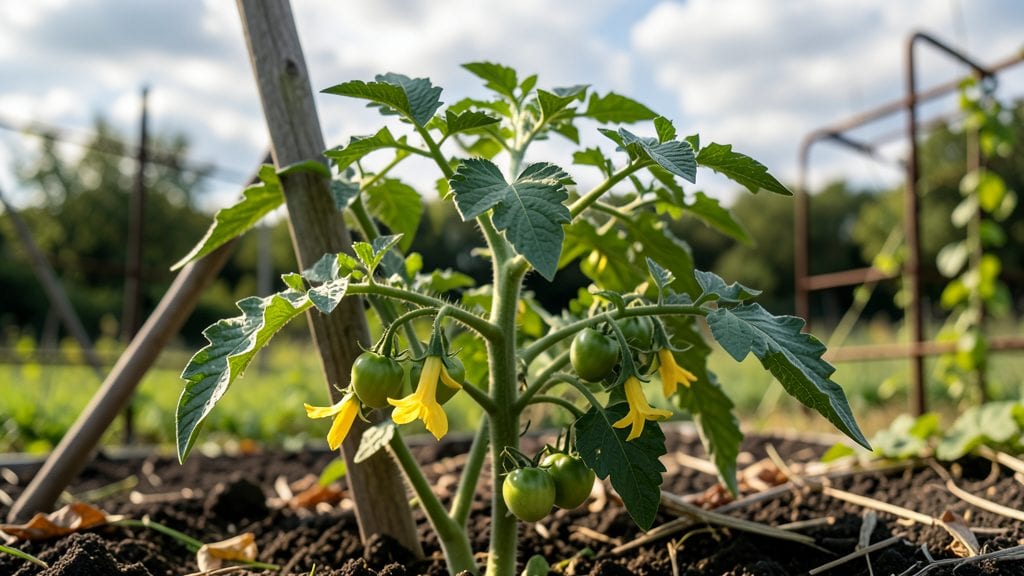
My first planter box tomato plants taught me that 5-gallon containers can produce as many tomatoes as a full garden bed—if you get the setup right. The key isn’t just the box; it’s the soil depth, drainage, and how you train those vines to climb.
I went from skeptical to snapping off pounds of ripe fruit by midsummer, and now I’ve got the exact method to share.
You’ll need a sturdy container (at least 18 inches deep for determinate varieties, deeper for indeterminates), quality potting mix with compost, and a trellis or cage to keep those vines from toppling over.
The right setup prevents root-bound stress and makes watering and fertilizing a breeze—no more guessing if your plants are getting enough nutrients. I’ve even grown heirloom beefsteaks this way, and they’re just as happy in a box as in the ground.
By late July, you’ll be harvesting juicy, vine-ripened tomatoes that taste nothing like store-bought. The secret’s in consistent watering (deep soaks, not light sprinkles) and a balanced fertilizer schedule that mimics what tomatoes crave in the ground.
Even in small spaces, you can get 20+ pounds per plant if you follow these steps—and trust me, your neighbors will notice.
This method works for balconies, patios, or even sunny windowsills, though you’ll need to adjust sunlight exposure based on your setup. The biggest mistake? Skipping the trellis or using cheap soil. Do it right, and you’ll be the one everyone asks for tomato slices by summer’s end.
📚 In This Guide
- What you need
- Instructions
- Tips and common mistakes
- Wrapping up and next steps
What you need
- ● Planter Box: Minimum 12–18 inches deep (deeper for larger varieties like heirlooms).
- ● Width: At least 12 inches wide per plant (or 18–24" for multiple plants).
- ● Drainage holes (critical to prevent root rot!).
- ● High-Quality Potting Soil: 1–2 bags (depending on box size). Look for moisture-retentive, well-draining mix (e.g., 60% topsoil, 30% compost, 10% perlite/sand).
- ● Tomato Plants: 1–3 plants (spacing: 18–24 inches apart for determinate varieties; 24–36 inches for indeterminate).
- ● Choose disease-resistant varieties (e.g., ‘Celebrity,’ ‘Sungold,’ or ‘Roma’).
- ● Fertilizer: Balanced, slow-release fertilizer (e.g., 10-10-10 or organic options like fish emulsion).
- ● Calcium supplement (e.g., crushed eggshells or lime) to prevent blossom-end rot.
- ● Support System: Cages, stakes, or trellis (for indeterminate varieties; 1–2 per plant).
- ● Watering Can or Hose: With a gentle spray nozzle to avoid disturbing soil.
- ● Mulch: Straw or shredded leaves to retain moisture and suppress weeds.
- ● Drip Irrigation Kit: For consistent watering (especially in hot climates).
- ● Plant Tags: To track varieties and planting dates.
- ● Pruning Shears: For shaping vines and removing suckers.
- ● Compost Tea or Mycorrhizal Fungi: To boost root health and nutrient uptake.
Step-by-Step instructions for growing tomato plants in planter boxes
Here’s the straightforward method I’ve used for years to grow healthy, productive tomato plants in planter boxes.
Prepare Your Planter Box and Soil
Choose a planter box that’s at least 12 inches deep—tomatoes need room for strong roots. If your box has drainage holes, great; if not, drill a few to prevent soggy soil. Line the bottom with 2 inches of coarse gravel to improve drainage and keep roots from circling.
Fill the box halfway with 2 gallons of potting mix, then mix in 1 cup of compost to give your plants a nutrient boost. Avoid garden soil—it compacts easily and can introduce pests. Fluff the mix with your hands until it’s light and airy, like crumbled cake. This ensures roots can spread without resistance.
Plant Your Tomato Starts
Dig a hole in the center of the box deep enough to bury two-thirds of the tomato plant’s stem. This encourages stronger roots to form along the buried portion. Gently remove the plant from its container, loosen the roots if they’re tangled, and place it in the hole.
Fill the hole with soil, pressing lightly to eliminate air pockets. Water deeply until the soil is moist 2 inches down—this helps the roots settle quickly. Space your plants 18 inches apart in the box to give them room to grow without competing for nutrients.
Provide Support and Consistent Care
Install a tomato cage or stakes right after planting to avoid disturbing the roots later. I like cages because they’re sturdy and let vines grow naturally. If using stakes, tie the main stem loosely with soft plant ties every 6 inches as it grows.
Water your plants every 2-3 days, checking that the top 1 inch of soil feels dry before watering again. Mulch the surface with 1 inch of straw to retain moisture and keep weeds down. Avoid wetting the leaves when watering—this reduces the risk of fungal diseases.
Fertilize and Monitor Growth
After 4 weeks, mix 1 tablespoon of balanced fertilizer (10-10-10) into the top 2 inches of soil around each plant. This gives them a steady supply of nutrients as they flower and fruit. Repeat this process every 4-6 weeks during the growing season.
Watch for yellowing leaves—this often means the plants need more nitrogen or water. If you see white powdery spots, it’s likely powdery mildew. Remove affected leaves immediately and space plants slightly wider to improve airflow. Prune suckers (the small shoots that grow between the main stem and branches) to direct energy toward fruit production.
Harvest and Extend the Season
Pick tomatoes when they’re fully colored and slightly soft to the touch. This ensures peak flavor and encourages more fruit to ripen. Harvest regularly—overripe tomatoes on the vine can attract pests and diseases.
As temperatures drop in late summer, move the planter box to a sunny, sheltered spot to protect plants from cold snaps. If frost is forecast, cover the box with a lightweight frost blanket at night. With proper care, you can enjoy homegrown tomatoes well into fall.
Tips & tricks for thriving planter box tomatoes
Growing tomatoes in planter boxes takes a few key tricks to ensure your vines stay healthy and your fruit bursts with flavor. These simple adjustments make all the difference between a decent harvest and a bountiful one.
Soil Preparation Matters: When mixing your 2 gallons of potting mix with 1 cup of compost in Step 1, don't skip the fluffing step. Pressing the soil too firmly creates compaction that roots hate. Instead, work it like cake batter—light and airy. This helps roots spread easily and access nutrients throughout the 12-inch depth. I like to add a handful of perlite to improve drainage even more, especially if your planter doesn't have drainage holes.
Planting Depth is Critical: Burying two-thirds of the stem in Step 2 might seem drastic, but this buried portion actually grows new roots. If you're nervous about burying so much, try this: make a small slit in the soil instead of a hole, then gently tuck the stem into the slit. This keeps the plant stable while encouraging root growth without disturbing the plant's natural shape.
Watering Wisdom: The instructions say to water every 2-3 days, but timing matters just as much as frequency. Water in the morning so leaves have time to dry before evening. This simple habit prevents fungal diseases that love damp foliage. I also recommend using a soaker hose or watering can with a narrow spout to deliver water directly to the soil without wetting leaves.
Fertilizer Timing: That first application of 1 tablespoon of balanced fertilizer after 4 weeks is crucial, but don't overdo it. Too much fertilizer too soon can burn young roots. After the initial application, I switch to a liquid fertilizer every 2 weeks during the growing season. This gives plants a steady nutrient supply without overwhelming them, especially when they're putting energy into fruit production.
Pro Tips for Planter Box Tomato Plants
- Growing tomatoes in planter boxes takes a few key tricks to ensure your vines stay healthy and your fruit bursts with flavor.
- Soil Preparation Matters: When mixing your 2 gallons of potting mix with 1 cup of compost in Step 1, don't skip the fluffing step.
- Planting Depth is Critical: Burying two-thirds of the stem in Step 2 might seem drastic, but this buried portion actually grows new roots.
Frequently asked questions
Got questions about growing tomato plants in planter boxes? You’re not alone! Here are some of the most common queries—and their easy, actionable answers—to help you grow like a pro.
What’s the best soil mix for planter box tomatoes?
Use a lightweight, well-draining potting mix blended with compost (60% soil, 30% compost, 10% perlite or vermiculite). Avoid garden soil—it compacts easily in containers and can lead to root rot. Pro tip: Add a slow-release fertilizer at planting time for a nutrient boost!
When is the ideal time to plant tomatoes in containers?
Start seeds indoors 6-8 weeks before your last frost date, or transplant seedlings after all danger of frost has passed (when soil temps hit 60°F+). For warm climates, plant in early spring—just avoid extreme heat (above 90°F) for the first few weeks.
How often should I water tomato plants in planter boxes?
Water daily in hot weather (1–2 inches per week) and every 2–3 days in cooler temps. Containers dry out faster! Water at the base of the plant (not overhead) to prevent disease. Mulch with straw to retain moisture. Warning: Overwatering is a common killer—ensure pots have drainage holes!
Can I grow cherry tomatoes in a small planter box?
Cherry tomatoes thrive in 5-gallon containers or larger (bush varieties like ‘Tiny Tim’ need less space than indeterminate types). Just ensure the pot is at least 12–18 inches deep and provide a sturdy cage or trellis. Dwarf varieties like ‘Micro Tom’ can even grow in 1-gallon pots!
Why are my tomato leaves turning yellow or curling?
Yellow leaves often signal overwatering, nutrient deficiency, or pests (like aphids or spider mites). Check the soil moisture, adjust watering, and fertilize with a balanced tomato feed (20-20-20). For pests, spray with neem oil or introduce ladybugs. Curling? It could be heat stress—provide afternoon shade if temps soar.
What can I do if my tomato plants outgrow their planter box?
If vines sprawl wildly, prune aggressively to encourage fruit production and prevent disease. Upgrade to a larger container (10+ gallons) or split the plant into two pots. For indeterminate varieties, use a floppy file or tomato tower to save space. Last resort: Harvest early and replant!
Wrapping up and next steps
Growing tomato plants in planter boxes is a rewarding journey that brings fresh, homegrown flavor right to your doorstep! 🌱 With the right setup—whether it’s a classic wooden box or a stylish fabric grow bag—you’ll enjoy vibrant vines, plump fruit, and a sense of accomplishment that store-bought tomatoes just can’t match.
Start small, stay consistent with care, and soon you’ll be harvesting sun-ripened tomatoes that taste like summer in every bite.
Ready to dive in? Pick your planter, gather your supplies, and get those seeds in the soil! Your garden (and taste buds) will thank you. 🍅✨