
Planting
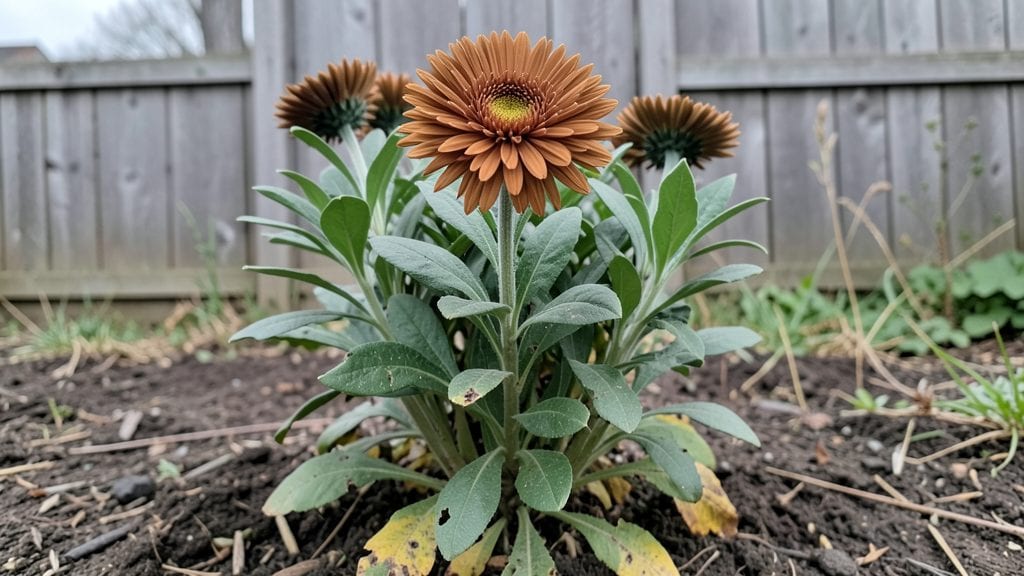
The Sheffield chrysanthemum plant delivers nonstop blooms if you master its three simple trims—something I learned the hard way after my first plant spent winter looking like a sad stick. ✨ What makes this variety special is how it keeps flowering from late summer through frost, but only if you prune at the right times and give it the right care.
You’ll need well-draining soil, 6+ hours of sunlight daily, and a container at least 12 inches wide if growing in pots.
The key to those year-round blooms is three strategic trims: the first in early spring to encourage bushiness, the second after summer blooms fade to push fall flowers, and the third in late fall to prep for winter. Water consistently but avoid soggy soil—these plants hate wet feet.
By following this schedule, you’ll end up with dense clusters of daisy-like blooms in shades of white, pink, and lavender that last for months. The foliage stays lush and the stems sturdy enough to hold up in bouquets.
Even in colder zones, proper winter care keeps them coming back stronger each spring.
Works equally well in garden beds, large containers, or even as a patio centerpiece. The only real challenge is remembering those trim times—but once you nail it, you’ll have blooms when most gardens are bare. Let’s get those flowers going!
📚 In This Guide
- What you need
- Instructions
- Tips and common mistakes
- Wrapping up and next steps
What you need
- ● Sheffield Chrysanthemum Plant: 1 healthy, mature plant (check for vibrant green leaves and no signs of pests/disease).
- ● Well-draining potting mix: 5 gallons (or enough to fill your chosen container). Use a blend of peat moss, perlite, and compost (ratio: 40% peat, 30% perlite, 30% compost).
- ● Container or garden bed: Container: 12–18 inch diameter pot with drainage holes (terracotta or plastic).
- ● Garden bed: Full sun exposure (6+ hours/day) and loose, fertile soil with a pH of 6.0–7.0.
- ● Pruning shears: Sharp, clean pair (sterilize with rubbing alcohol before/after use).
- ● Watering can or hose with gentle nozzle: For even moisture without damaging stems.
- ● Balanced fertilizer (10-10-10 or 20-20-20): 1–2 tablespoons per plant (follow label instructions).
- ● Mulch: 2–3 inches of organic mulch (e.g., shredded bark) to retain moisture and regulate soil temperature.
- ● Slow-release fertilizer granules: Mix into soil at planting for steady nutrition.
- ● Plant supports: Stakes or cages (if your variety grows tall or top-heavy).
- ● pH testing kit: To monitor soil acidity and adjust with lime or sulfur if needed.
- ● Gloves: For protection while handling thorns (some Sheffield varieties have slight prickliness!).
Instructions for pruning Sheffield chrysanthemums for continuous blooms
Here’s the straightforward trimming system I’ve used to keep Sheffield chrysanthemums flowering nonstop—no complicated schedules, just three key cuts.
✂️ Step 1: First Trim After Initial Growth
Wait until your Sheffield chrysanthemum has 8-10 leaves on each stem before making the first cut. This usually happens 4-6 weeks after transplanting, when the plant reaches about 6 inches tall. Choose a healthy, outward-facing stem—this will encourage bushier growth and more blooms later.
Use clean, sharp pruning shears to make a 45-degree angle cut just above a set of leaves (about ¼ inch above the leaf node). This angled cut helps water run off instead of pooling. After trimming, you’ll see new side shoots emerge within 7-10 days—these are your future blooming stems.
✂️ Step 2: Second Trim to Encourage Flowering Stems
Once the plant has 4-6 new side shoots (about 3-4 inches long), it’s time for the second trim. This is where you pinch back the top 2-3 inches of each main stem. Look for the third set of leaves from the top—cut just above this point to redirect energy into lateral growth.
Here’s the thing—don’t remove more than ⅓ of the plant at once. Sheffield chrysanthemums are tough, but aggressive pruning shocks them. After this cut, water deeply (about 1 gallon per plant) to help the plant recover. You’ll notice new growth within 10-14 days, and these side shoots will eventually produce stronger, more abundant blooms.
✂️ Step 3: Final Trim for Year-Round Blooms
After the first flush of flowers fades, give your Sheffield chrysanthemum a light maintenance trim to keep it blooming. Cut back spent blooms to just above the next set of leaves—this prevents the plant from wasting energy on seed production. For woody stems that have outgrown their usefulness, trim them back to half their length to encourage fresh growth from the base.
This final trim should happen every 6-8 weeks throughout the year. If you’re growing outdoors, time it after the last frost in spring and before the first frost in fall. For indoor plants, trim when you notice stems becoming leggy or bare—this keeps the plant compact and encourages dense, continuous flowering.
💧 Step 4: Post-Trim Care for Stronger Blooms
After each trim, fertilize lightly with a balanced, water-soluble fertilizer (like 10-10-10) diluted to half strength. This gives the plant the nutrients it needs to recover and produce new growth. Water deeply (about 1 inch of water per week) but avoid soggy soil—Sheffield chrysanthemums hate wet roots, which can lead to rot.
Place your plant in bright, indirect light for 1-2 weeks after trimming to help it adjust. Once new growth appears, you can gradually reintroduce full sun (about 6 hours daily). This slow transition prevents sunburn on tender new leaves. With this simple trimming routine, your Sheffield chrysanthemum will keep blooming year-round with minimal effort.
Tips & tricks for pruning Sheffield chrysanthemums
These simple yet powerful techniques will help you maintain your Sheffield chrysanthemums with confidence—and keep those blooms coming all year.
Tool Precision Matters: The 45-degree angle cut in Step 1 isn't just about aesthetics—it's about plant health. A proper angle prevents water from pooling at the cut site, which reduces the risk of rot. I've seen beginners use straight cuts, and while the plant survives, you miss out on that extra growth boost from proper water runoff. Sterilize your pruning shears with rubbing alcohol between cuts to prevent spreading disease.
Visual Growth Cues: In Step 2, when you're looking for the third set of leaves from the top, count them carefully—it's easy to miscount in your excitement! The third set should be clearly visible and healthy. If you accidentally cut above it, don't panic. The plant will still recover, but you might delay blooming by about 7-10 days. This is where patience pays off—wait for the exact leaf set to maximize flower production.
Seasonal Timing Strategy: For outdoor plants, I recommend marking your calendar for the last frost date in spring and first frost date in fall. These are your natural trim triggers. Indoor plants need a different approach: watch for leggy stems or bare spots between the leaves. This visual cue tells you it's time for maintenance. The 6-8 week interval works beautifully for indoor plants kept in consistent light conditions.
Fertilizer Timing Secret: That half-strength 10-10-10 fertilizer application after each trim deserves special attention. I've found the best time to apply it is right after watering deeply—this gives the roots immediate access to nutrients when they're actively absorbing water. Apply in the morning so the plant has the entire day to process the nutrients before nightfall. Over-fertilizing can actually stress Sheffield chrysanthemums, so stick to this light approach.
Pro Tips for Sheffield Chrysanthemum Plant
- These simple yet powerful techniques will help you maintain your Sheffield chrysanthemums with confidence—and keep those blooms coming all year.
- Tool Precision Matters: The 45-degree angle cut in Step 1 isn't just about aesthetics—it's about plant health.
- Visual Growth Cues: In Step 2, when you're looking for the third set of leaves from the top, count them carefully—it's easy to miscount in your excitement!
Frequently asked questions
When is the best time to plant a Sheffield chrysanthemum?
The ideal time to plant Sheffield chrysanthemums is in early spring, about 4-6 weeks before the last expected frost. If you’re in a warmer climate, fall planting (4-6 weeks before the first frost) also works well. This gives roots enough time to establish before extreme temperatures hit.
How often should I trim Sheffield chrysanthemums for continuous blooms?
Trim your Sheffield chrysanthemum three times a year for year-round blooms: once in early spring, again in early summer, and a final light trim in late summer. After each trim, fertilize with a balanced 10-10-10 or bloom-boosting formula to encourage new growth and flowers.
Can Sheffield chrysanthemums survive winter in cold climates?
Yes! These hardy plants thrive in USDA Zones 5-9. In colder regions, mulch the base with 2-3 inches of straw or leaves after the first frost. For extra protection, cover with a frost blanket or burlap sack during harsh freezes. Prune back dead foliage in early spring once temperatures rise above 40°F.
What pests or diseases should I watch for with Sheffield chrysanthemums?
Keep an eye out for aphids, spider mites, and powdery mildew. Treat aphids with a strong spray of water or insecticidal soap. For spider mites, wipe leaves with neem oil. Powdery mildew? Improve airflow by spacing plants 18-24 inches apart and avoid overhead watering. Healthy soil and regular pruning reduce risks!
Can I grow Sheffield chrysanthemums in containers?
Choose a container at least 12-14 inches deep with drainage holes. Use a well-draining potting mix and repot every 2-3 years. Place in full sun (6+ hours daily) and water when the top inch of soil feels dry. Container-grown chrysanthemums may need slightly more frequent trimming to control size.
Wrapping up and next steps
Growing a Sheffield chrysanthemum is a rewarding journey that brings vibrant blooms to your garden year-round—with just a little care! 🌸 By mastering the three simple trims, you’ll encourage lush foliage, extended flowering, and a plant that thrives in Sheffield’s climate.
Whether you’re a seasoned gardener or just starting, these techniques make it easy to enjoy nature’s beauty without the fuss.
Ready to transform your outdoor space? Start small—pick one trim to practice this season, then build your confidence. Before you know it, your Sheffield chrysanthemum will be the star of your garden, blooming brighter than ever! 🌿