Pruning
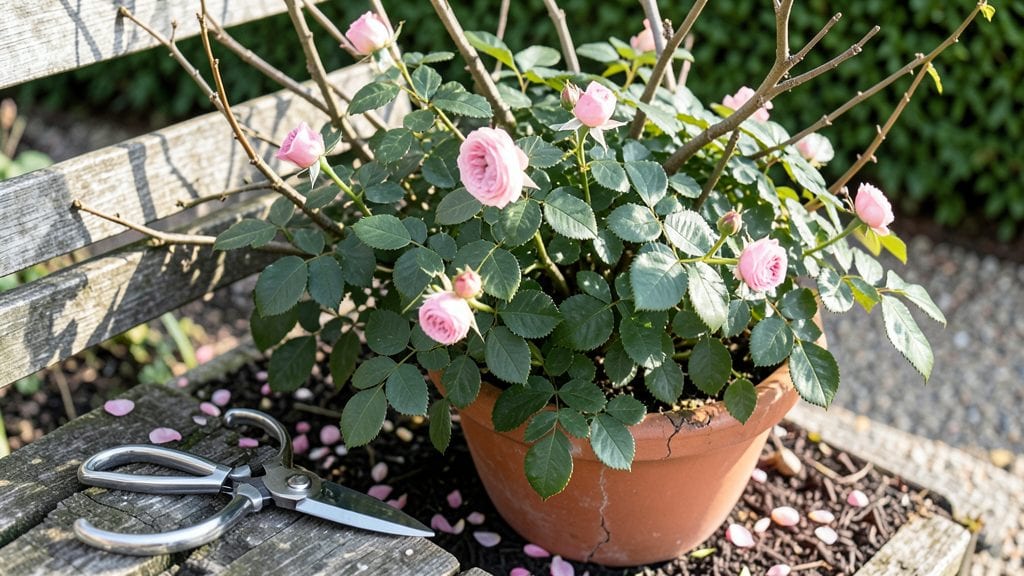
Pruning a plant isn’t just about snipping back unruly branches—it’s the secret to keeping your garden thriving year-round, whether you’re dealing with roses, fruit trees, or overgrown shrubs. I’ve learned the hard way that skipping this step leads to leggy, sparse plants that never produce the way they should.
The right cuts at the right time can double your blooms, triple your fruit, and even save a struggling plant from decline.
You don’t need fancy tools to start—just a sharp pair of pruners, some gloves, and a clear plan. The key is timing: prune roses in late winter, fruit trees just after harvest, and shrubs while they’re dormant.
Each plant has its own rhythm, and ignoring it means missing out on that lush, productive growth you’re after. I’ll walk you through the three most effective trims, so you can see real results without guessing.
By the end, you’ll spot dead branches before they become problems, shape plants to fit your space, and even revive overgrown shrubs with a few strategic cuts. The best part?
Your garden will look neater and healthier with less effort—no more wrestling with tangled vines or wondering why your plants aren’t blooming. Let’s get those shears sharp and make it happen.
This works for everything from container plants to full-sized trees, so no matter your garden size, you’ll walk away with a system that keeps your plants happy all season long. The only mistake you’ll make is waiting to try it.
📚 In This Guide
- What you need
- Instructions
- Tips and common mistakes
- Wrapping up and next steps
What you need
- ● Pruning shears: Bypass pruners (for clean cuts on small stems) or anvil pruners (for thicker branches). Look for sharp, stainless-steel blades (4-6" long).
- ● Hand pruners: Ideal for delicate trims (e.g., roses, herbs). Choose bypass-style for precision.
- ● Loppers: For medium-sized branches (½"–2" thick). Opt for long-handled (24-36") for reach.
- ● Pruning saw: For thick branches (2"+). A bow saw or curved blade works best.
- ● Disinfectant: 70% isopropyl alcohol or rubbing alcohol wipes to sterilize tools between cuts.
- ● Gloves: Heavy-duty gardening gloves (cut-resistant if pruning thorny plants like roses).
- ● Sharpie or marker: For labeling cuttings if propagating.
- ○ Trash bag or bucket: To collect debris (optional but handy!).
- ● Horticultural oil or WD-40: Lubricate tools to prevent rust.
- ● Rooting hormone: If propagating cuttings (powder or gel form).
- ● Plant tie or twine: For securing large branches post-prune.
- ● Pruning sealant: (e.g., tree wound dressing) for large cuts on trees/shrubs.
- ● Ladder or step stool: For high branches (safety first!).
Step-by-step guide to pruning a plant for healthy growth
Pruning isn't just about cutting back—it's about shaping your plant's future. Here's how to do it right for any season.
Identify the Right Tools and Timing
Start by gathering clean, sharp pruning shears and a pair of gloves. Dull blades crush stems instead of cutting cleanly, which invites disease. I always sterilize my tools with rubbing alcohol before and after use—this prevents spreading bacteria between plants. The best time to prune depends on your goal: late winter or early spring for shaping, summer for deadheading flowers, and late fall for cleaning up.
Look for visual cues like dead, diseased, or crossing branches. These are your first targets. Avoid pruning when the plant is stressed, like during extreme heat or drought. You'll know it's the right time when the plant looks vigorous and the weather is mild—typically 50-70°F with no rain in the forecast.
Remove Dead or Damaged Branches First
Start at the base of the plant and work your way up. Cut back any branches that are brown, mushy, or hollow—these won’t recover. Use a clean cut at a 45-degree angle just above a leaf node or bud. This encourages new growth from the right spot. If you're unsure whether a branch is dead, gently scratch the bark with your fingernail. Green underneath means it's alive; brown means it's gone.
Don’t skip this step, even if it seems drastic. Removing dead wood improves airflow and reduces the risk of fungal infections. I promise, your plant will thank you with fresh, healthy growth in just a few weeks. Just avoid cutting into the main trunk or large limbs unless absolutely necessary—these cuts take much longer to heal.
Shape the Plant for Balance and Airflow
Now focus on thinning out crowded branches to improve airflow. Aim to remove no more than 25% of the plant’s foliage in one session—this prevents shock. Start at the outer edges and work inward, cutting back branches that are rubbing against others or growing inward. You’ll see a difference immediately as light and air can now reach the center.
For flowering plants, cut back spent blooms to the next set of leaves or buds. This redirects the plant’s energy into new growth rather than seed production. If you're pruning a shrub, step back occasionally to check your progress. The goal is a natural, open shape—not a perfect geometric form. Over-pruning can weaken the plant, so always leave more than you think you need.
Encourage New Growth with Strategic Cuts
To stimulate bushier growth, trim just above a leaf node or bud that’s facing outward. This ensures new branches grow in the direction you want. For woody plants like roses or fruit trees, prune back to an outward-facing bud to create a more open structure. You’ll notice new shoots emerging within 2-4 weeks, depending on the plant type and season.
If your goal is to control size, focus on cutting back the longest branches first. This keeps the plant compact without sacrificing its overall health. Avoid "topping," which means cutting the main stem flat—this often leads to weak, leggy regrowth. Instead, make your cuts at natural points where the branch angles outward.
Tips & tricks for perfect plant pruning
Pruning can transform your garden, but a few key strategies make all the difference between healthy growth and stressed plants.
Tool Prep Matters: Sterilizing your pruning shears with rubbing alcohol before and after use isn't just about hygiene—it prevents spreading diseases between plants. I learned this the hard way after my rose bushes developed black spot from contaminated tools. Always clean your blades, even when switching between different types of plants. For stubborn cuts, a small drop of dish soap on the blade helps remove sap buildup that dulls your tools over time.
Seasonal Timing Secrets: The 50-70°F temperature range mentioned for ideal pruning isn't arbitrary—this gives your plant enough energy to recover without being stressed by extreme conditions. In late winter or early spring, focus on shaping while the plant is still dormant but showing signs of new growth. For summer deadheading, prune just after flowering to encourage more blooms without shocking the plant. Remember that late fall cleanup should be minimal to avoid stimulating new growth that won't survive winter.
Visual Cues Over Guesswork: When checking for dead branches, the fingernail scratch test is your best friend. Green underneath means life—brown means it's time to cut. For live branches, look for the leaf node or bud just above where you're cutting. This is where new growth will emerge. I always make my cuts at a 45-degree angle just above this point to create a natural water runoff and prevent water from pooling on the cut surface, which can lead to rot.
Strategic Pruning for Growth: The 25% foliage limit during one pruning session prevents shock, but there's another trick: always leave more than you think you need. Plants often look better after you've made your cuts than they do before. For woody plants, focus on outward-facing buds when making your cuts—this creates an open structure that improves airflow and sunlight penetration. You'll notice new shoots appearing within 2-4 weeks, proving you've encouraged rather than hindered growth.
Pro Tips for Prune A Plant
- Pruning can transform your garden, but a few key strategies make all the difference between healthy growth and stressed plants.
- Tool Prep Matters: Sterilizing your pruning shears with rubbing alcohol before and after use isn't just about hygiene—it prevents spreading diseases between plants.
- Seasonal Timing Secrets: The 50-70°F temperature range mentioned for ideal pruning isn't arbitrary—this gives your plant enough energy to recover without being stressed by extreme conditions.
Frequently asked questions
Got questions about pruning? You’re not alone! Here are answers to the most common concerns—whether you're a beginner or just need a quick refresher.
When is the best time to prune my plant?
The ideal time depends on your plant’s type. Spring is best for most flowering plants (after blooms fade), while late winter or early spring suits deciduous trees. Evergreens and shrubs can often be pruned in early spring or fall. Avoid heavy pruning in extreme heat or cold—aim for mild weather!
Can I prune a plant too much?
Yes! Over-pruning can stress your plant, reduce flowering/fruiting, or even kill it. Follow the 1/3 rule: Never remove more than one-third of the plant’s foliage in a single session. Observe your plant’s response—drooping leaves or stunted growth may signal you’ve gone too far.
What if my pruned plant doesn’t look right?
Don’t panic! Uneven cuts or awkward shapes happen—just focus on health over perfection. Prune to remove dead/diseased branches first, then shape gradually. If your plant looks sad, it might need time to recover. For severe mistakes, re-prune lightly in the next growing season to encourage new growth.
Are there tools I can use instead of shears?
For small plants, sharp garden scissors or pruning saws work well. Larger branches? Use a pruning saw or handsaw. Avoid dull tools—they tear bark and invite disease. For delicate stems (like herbs), clean nail clippers can work in a pinch!
Why is my plant bleeding sap after pruning?
Sap oozing from cuts is normal for maples, birches, or fruit trees—it’s just the plant sealing wounds. To minimize mess, prune on a dry day and avoid heavy rain soon after. If sap attracts pests (like ants), clean tools with rubbing alcohol between cuts.
Wrapping up and next steps
Pruning isn’t just about keeping your plants tidy—it’s the secret to stronger growth, better yields, and healthier blooms year-round! 🌿 Whether you’re trimming for shape, health, or fruit production, these three proven techniques will transform your green thumb game.
Now that you’re armed with the when, why, and how, it’s time to grab those shears and get pruning!
Ready to see the magic? Start with one plant this weekend—observe the results, and let your confidence (and garden!) grow. Happy trimming! 🌱✨