
Planting
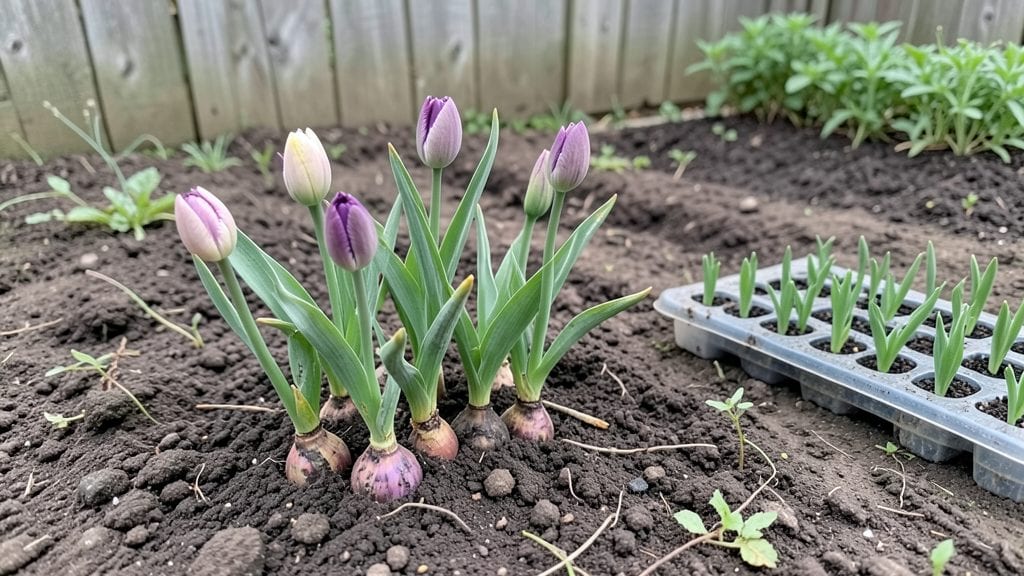
Seasonal flower planting turns your garden into a vibrant, ever-changing tapestry of color that blooms with purpose all year long. I learned this the hard way—my first year, I had a spring explosion of tulips and then a summer desert until fall.
The secret isn’t just choosing flowers; it’s matching their natural rhythm with your climate’s cues. Some blooms, like cool-loving pansies, beg to be planted in early fall for spring shows, while others, like sun-loving zinnias, thrive when summer heat arrives.
The timing difference between these two can mean the difference between a garden that fades midyear and one that stays vibrant all season.
You’ll need just three things to pull this off: a simple soil prep routine (loosen, amend, and mulch), a seasonal planting calendar (more on that below), and the patience to let each plant’s natural schedule guide your work.
Most flowers want well-draining soil—think crumbly, not compact—and a spot that matches their sunlight needs. For example, shade-loving impatiens will sulk in full sun, while black-eyed Susans will stretch and flop without enough light. The payoff? Flowers that bloom earlier, longer, and more reliably than anything you’ve grown before.
Imagine waking to purple crocus in late winter, followed by pink peonies in May, then golden marigolds stretching into October—all without gaps. That’s the magic of seasonal planting: each bloom hands off the color baton to the next.
You’ll also attract pollinators year-round, from bees sipping early spring blooms to butterflies flitting through summer perennials. The key is planting in layers—bulbs in fall, annuals in spring, perennials in early summer—so something’s always in the spotlight.
This works for any climate, though timing shifts north-to-south. In Zone 5, fall planting might start in September, while in Zone 8, you’ve got until November.
The same flowers adapt—just tweak the schedule. Ready to turn your garden into a nonstop floral show? Let’s break down the seasonal playbook.
📚 In This Guide
- What you need
- Instructions
- Tips and common mistakes
- Wrapping up and next steps
What you need
- ● Seasonal flower seeds or bulbs: Choose varieties suited to your climate and desired bloom times (e.g., tulips for spring, marigolds for summer). Quantity: Adjust based on garden size (e.g., 50–100 bulbs/seeds per 10 sq. ft.).
- ● High-quality potting soil or garden soil: Opt for well-draining, organic-rich soil (e.g., Miracle-Gro Potting Mix or compost-amended garden soil). Quantity: 1–2 cubic yards for in-ground planting; 1–2 bags (40 lb. each) for containers.
- ● Containers or garden beds: Containers: 5–15 gallon pots with drainage holes (e.g., Black Plastic Nursery Pots or self-watering containers).
- ● In-ground beds: Raised beds (4’x8’x12”) or prepped garden plots with 6–12” depth.
- ● Watering can or hose with nozzle: A gentle-rain setting nozzle (e.g., Hozelock Adjustable Showerhead) prevents soil erosion.
- ● Fertilizer: Slow-release granular fertilizer (e.g., 10-10-10 NPK ratio) or organic options like fish emulsion. Quantity: 1 lb. per 100 sq. ft.
- ● Mulch: Organic mulch (e.g., straw, shredded bark, or pine needles) to retain moisture. Quantity: 2–3” layer over soil.
- ● Hand trowel: 6–8” stainless steel (e.g., Fiskars Steel Trowel) for precision planting.
- ● Garden gloves: Heavy-duty, breathable (e.g., Wolverine Rubber Grip) to protect hands.
- ● Pruners: Bypass pruners (e.g., Felco Classic) for trimming and deadheading.
- ○ Soil pH tester: Optional but helpful (e.g., Luster Leaf Rapitest) to check soil acidity (ideal: 6.0–7.0 for most flowers).
- ● Season extenders: Frost blankets or row covers for early/late seasons.
- ● Plant markers: Biodegradable labels or stakes to track varieties.
- ● Drip irrigation kit: Automates watering (e.g., Ortho Dial-N-Flo).
- ● Compost: Homemade or store-bought (e.g., Espoma Garden-Tone) for nutrient boosts.
Instructions for planting flowers by season
Here’s how to align planting with nature’s rhythm for vibrant blooms year-round.
Plan Your Seasonal Planting Calendar
Start by mapping out your region’s frost dates—these dictate when to plant cool-season and warm-season flowers. I always check the USDA Plant Hardiness Zone map for my area first. Cool-season flowers like pansies and snapdragons thrive when soil temperatures hover around 45-55°F, while warm-season favorites such as marigolds and zinnias need soil at 60°F or above. Plan to plant cool-season flowers 4-6 weeks before the first frost and warm-season varieties 2-3 weeks after the last frost.
Write down your target bloom times—this ensures you’ll have continuous color. For example, tulips planted in fall bloom in spring, while sunflowers planted in late spring burst into color by summer. Keep a simple planting schedule on your fridge or gardening journal to stay organized.
Prepare Soil and Select Containers or Garden Beds
Test your soil’s pH and amend it if needed—most flowers prefer a neutral to slightly acidic range (6.0-7.0). I mix in 2-3 inches of compost into the top 6 inches of soil to improve drainage and nutrient availability. For container planting, use well-draining potting mix and ensure pots have drainage holes. If planting directly in the ground, loosen the soil to a depth of 12 inches to encourage root growth.
Choose containers or garden beds based on your flower types. Dwarf varieties like petunias thrive in 6-inch pots, while larger flowers like dahlias need at least 12 inches of depth. Mulch the soil with 2-3 inches of organic mulch after planting to retain moisture and suppress weeds. This step is crucial—poor soil prep leads to stunted growth and fewer blooms.
Plant Flowers at the Right Depth and Spacing
Follow the seed packet or plant tag for depth—most flowers should be planted twice as deep as their diameter. For example, small seeds like cosmos go in ¼ inch deep, while larger seeds like sunflowers need 1-2 inches of coverage. Space plants according to their mature size: compact flowers like alyssum need 6-8 inches apart, while tall varieties like delphiniums require 18-24 inches. Crowding plants reduces airflow, increasing the risk of fungal diseases.
Water thoroughly after planting to settle the soil around roots. Avoid overwatering, which can lead to root rot. For container plants, place them in a shady spot for the first few days to reduce stress. Watch for the first signs of new growth—this confirms your timing was correct. If leaves appear weak or yellow, adjust your watering or light exposure immediately.
Adjust Care for Each Season
Spring planting requires regular watering as temperatures rise and soil dries out. I water deeply 2-3 times per week until flowers establish roots, then taper to once a week once they’re mature. In summer, mulch helps retain moisture, but check soil moisture daily—top inch dry is the cue to water. Deadhead spent blooms to encourage more flowers and prevent self-seeding where unwanted.
Fall and winter care shifts to protection. Cover tender perennials with 2-3 inches of mulch before the first frost, and group containers close together to share warmth. Prune back dead foliage in early spring to stimulate new growth. This seasonal adjustment keeps your garden thriving without extra effort.
Tips & tricks for perfect seasonal flower planting
These practical insights will help you maximize your garden's potential by working with nature's seasonal cues rather than against them.
Soil Temperature Matters: The 45-55°F range for cool-season flowers isn't just a guideline—it's a critical window for root establishment. I've found that using a soil thermometer for 3-4 days before planting helps confirm when conditions are optimal. For warm-season flowers, wait until soil consistently reaches 60°F before planting; cooler soil can shock tender roots and delay growth. This patience pays off with stronger, more resilient plants.
Seasonal Timing Strategy: The 4-6 week window before first frost isn't arbitrary—it accounts for the time cool-season flowers need to establish roots before winter dormancy. I recommend planting biennials like foxgloves in early fall (6 weeks before frost) so they develop strong roots over winter and flower spectacularly the following spring. Similarly, planting warm-season flowers 2-3 weeks after last frost gives them time to mature before summer heat peaks.
Container Considerations: When selecting containers, remember that depth directly impacts root growth. The 6-inch minimum for petunias might seem generous, but it prevents root binding that stunts growth. For container plants, I've noticed that adding a layer of perlite to the bottom 2 inches of potting mix improves drainage significantly, which is crucial for preventing root rot in crowded containers. This simple adjustment can double your container plants' lifespan.
Post-Planting Care: The first 7-10 days after planting are critical for establishing new roots. During this period, I water container plants in the morning to allow foliage to dry before evening, which prevents fungal issues. For in-ground plants, I've found that applying a thin layer of compost tea (1 tablespoon per gallon of water) at planting time gives seedlings a nutrient boost without overwhelming them. This small investment in post-planting care makes a noticeable difference in plant vigor.
Pro Tips for Seasonal Flower Planting
- These practical insights will help you maximize your garden's potential by working with nature's seasonal cues rather than against them.
- Soil Temperature Matters: The 45-55°F range for cool-season flowers isn't just a guideline—it's a critical window for root establishment.
- Seasonal Timing Strategy: The 4-6 week window before first frost isn't arbitrary—it accounts for the time cool-season flowers need to establish roots before winter dormancy.
Frequently asked questions
Got questions about seasonal flower planting? You’re not alone! Here’s a quick guide to common concerns—so you can grow stunning blooms with confidence.
When’s the best time to plant flowers by season?
Timing is everything! For spring, plant bulbs (like tulips) in fall and cool-season flowers (like pansies) in early spring. Summer calls for heat-loving blooms (e.g., zinnias, marigolds) after the last frost. Fall is ideal for chrysanthemums and asters—plant them 6–8 weeks before your first frost. Winter? Focus on hardy perennials or indoor blooms like paperwhites!
What if I miss the ideal planting window?
Don’t stress! Many flowers are forgiving. For example:
- Cool-season flowers (e.g., snapdragons) can handle late planting—they’ll just bloom later.
- Heat-tolerant varieties (like cosmos) thrive if planted in early summer.
- Perennials (e.g., daylilies) can be transplanted in fall or early spring.
Water them well and give them shade until they establish roots!
Can I grow flowers in containers or small spaces?
Containers work for annuals (like petunias or geraniums) and compact perennials (e.g., dwarf lavender). Choose pots with drainage holes and use lightweight potting mix. Rotate containers weekly for even sunlight. For vertical gardening, try climbing roses or morning glories—just add trellises or stakes!
How do I keep flowers blooming longer?
Extend your flowers’ lifespan with these tricks:
- Deadhead spent blooms regularly to encourage new growth.
- Mulch around plants to retain moisture and regulate soil temperature.
- Fertilize lightly every 4–6 weeks with a balanced, water-soluble option.
- Water deeply in the morning to avoid fungal issues.
For annuals, swap out faded blooms for fresh ones every few weeks!
Why aren’t my flowers blooming despite proper care?
If your flowers are leaves but no blooms, check these common culprits:
| Issue | Fix |
| Too much nitrogen (fertilizer) | Switch to a low-nitrogen, high-phosphorus fertilizer (like 10-30-10). |
| Insufficient sunlight | Move plants to a sunnier spot (most flowers need 6+ hours of light daily). |
| Overcrowding | Thin out plants to improve airflow and reduce competition. |
| Stress from transplanting | Give new plants 2–3 weeks to acclimate before expecting blooms. |
If the problem persists, consult your plant tags or a local nursery—they’ll help diagnose specific varieties!
Wrapping up and next steps
Seasonal flower planting isn’t just about timing—it’s about transforming your space into a vibrant, ever-changing masterpiece. 🌸 Whether you’re a beginner or a green-thumb pro, the key is to listen to your plants and adapt to your local climate.
Start small, experiment with a few varieties, and watch your garden bloom with confidence!
Ready to take the next step? Pick one season to focus on first, gather your supplies, and dive in! Your future garden—and pollinators—will thank you. 🌿