
Companion Plants
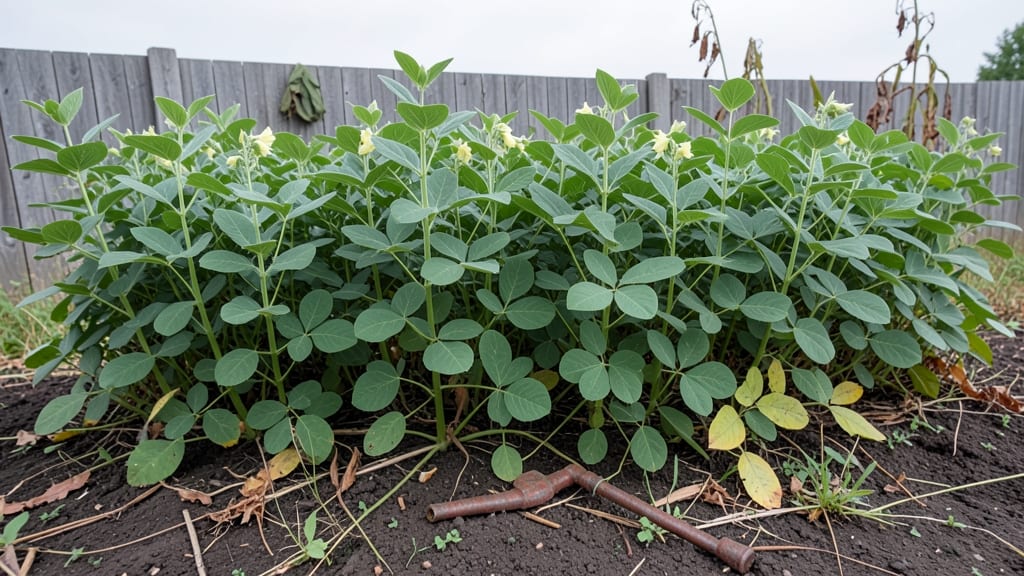
When you're rounding up plants gone wild in your garden, the first rule is to work smarter—not harder. ✨ I’ve spent years wrestling with overgrown beds and weeds that seemed impossible to tame, but the right approach turns chaos into control without harming your soil or beneficial insects.
The key is combining manual removal with smart mulching and companion planting to crowd out weeds naturally. Pull weeds when soil is moist, use thick mulch to block sunlight, and plant dense ground covers like clover or creeping thyme where weeds love to take root.
This keeps your garden looking tidy while building healthier soil over time.
You’ll end up with a garden that stays neat with minimal effort, where beneficial plants thrive and pests stay away. The best part? Your soil stays rich and full of life, not stripped by harsh chemicals. Let’s get those beds back under control the right way.
Works for vegetable patches, flower beds, or even that stubborn patch of creeping Charlie in the lawn. The methods here adapt to any garden size and climate—just swap out plants as needed for your region. Ready to reclaim your space?
What Triggers Plant Rounding Up
When your garden plants start growing in tight, compact circles—often called "rounding up"—it’s usually a sign of stress or environmental factors pushing them to conserve energy. Understanding the root causes helps you intervene before your plants become stunted or vulnerable to pests.
Here’s why it happens, broken down by the most common culprits:
Plants in tight spaces compete fiercely for sunlight, water, and nutrients. When roots and foliage tangle, they instinctively grow upward and inward to maximize exposure to light, creating that classic "round" shape. This is especially common in:
- Seedlings sown too densely (e.g., basil or lettuce packed into small trays).
- Transplanted perennials that didn’t get enough spacing when moved.
- Succulents or herbs like thyme or oregano, which naturally spread but get "pinched" by neighbors.
💡 Pro Tip: Follow seed packet spacing guidelines (e.g., 12–18" for tomatoes, 6–8" for carrots). If you’re repurposing containers, use companion plants with similar growth habits—like marigolds with basil—to avoid competition.
Plants deprived of light (even indirect sunlight) stretch toward the nearest source, but when light is evenly limited from all sides (e.g., deep shade or dense foliage overhead), they grow in a compact, rounded form. This is called etiolation, and it’s a survival tactic to conserve energy.
Common scenarios:
- Plants under tall trees or structures (e.g., hostas or ferns growing under a maple).
- Container gardens placed in north-facing windows or shaded patios.
- Row crops with overlapping canopies (e.g., squash vines shading zucchini plants).
🌡️ Quick Fix: Rotate containers weekly to ensure even light exposure. If shade is unavoidable, choose low-light companions like parsley with lettuce or astilbe with ferns.
Plants under water stress (too much or too little) or nutrient deficiencies prioritize root and leaf growth over height, leading to a bushy, rounded shape. The key triggers:
| Symptom | Cause | Actionable Solution |
|---|---|---|
| Small, dark green leaves clustered tightly | Overwatering (root rot) or poor drainage | Use well-draining soil (add perlite or sand) and companion plants that improve aeration, like clover with strawberries. |
| Yellowing leaves with sparse growth | Nitrogen deficiency (common in sandy soils) | Add compost or nitrogen-fixing companions like peas or beans near affected plants. |
| Stunted growth with purple stems | Phosphorus deficiency (slow root development) | Plant bone meal or rock phosphate nearby, or pair with comfrey, which accumulates phosphorus. |
When pests (like aphids, spider mites, or fungal pathogens) attack, plants may grow inward to protect vulnerable new growth. This is often seen in:
- Leaf curl diseases (e.g., tomato mosaic virus) causing compact, puckered leaves.
- Sap-sucking insects (e.g., whiteflies on peppers) triggering hormonal responses that stunt height.
- Root-feeding grubs (e.g., Japanese beetles) forcing plants to grow upward in clusters to escape damage.
🎯 Prevention: Use repellent companions like:
- Garlic or chives near roses to deter aphids.
- Nasturtiums with squash to trap pests.
- Marigolds with tomatoes to reduce fungal spores.
Most cases of "rounding up" are fixable with proactive spacing, light management, and smart companion pairings. The key is observing your plants early—before they signal distress with stunted growth or pest invasions. 🌿
Fixing Common Plant Problems Naturally
When pests or diseases threaten your garden, the right companion plants can act as a natural defense—just like a well-placed guard in a fortress. Below are practical, step-by-step solutions tailored to common issues, from soil-borne pests to airborne invaders. Each fix includes prevention tips to keep your garden thriving long-term.
Many pests target specific plants, but strategic companions can disrupt their life cycle or mask plant scents.
🌱 Solution for Aphids & Spider Mites
Cause: Soft-bodied insects cluster on tender leaves, weakening plants like roses, tomatoes, and basil. Fix:
- Plant near: Marigolds (release limonene, a natural repellent), garlic (strong sulfur scent deters pests), or nasturtiums (trap aphids away from edibles).
- Action steps: 1. Interplant marigolds every 2–3 feet around vulnerable plants.
- Crush garlic cloves near the base of infested plants weekly.
- Handpick aphids with a spray bottle of soapy water (1 tsp mild soap per quart of water).
💡 Prevention tip: Rotate crops annually to starve aphid populations of their favorite hosts.
🐜 Squash Bugs & Cucumber Beetles
Cause: These pests chew leaves and spread disease (e.g., bacterial wilt in cucurbits). Fix:
- Plant near: Radishes (trap crop), bush beans (confuse beetles), or tansy (strong scent repels).
- Action steps: 1. Sow radishes 2 weeks before cucumbers—bugs prefer them over cucurbits.
- Mulch heavily with straw to block beetle eggs from hatching.
- Use row covers early in the season to physically block adults.
🌡️ Pro tip: Plant basil near cucumbers—its scent masks the plant’s aroma, making it less appealing to beetles.
🐜 Soil-Dwelling Nematodes
Cause: Microscopic worms attack roots, stunting plants like potatoes, tomatoes, and carrots. Fix:
- Plant near: Marigolds (release nematicides), chives (antifungal properties), or cover crops like mustard greens.
- Action steps: 1. Interplant marigolds in rows with susceptible crops.
- Solarize soil in late summer: Cover beds with clear plastic for 4–6 weeks to bake out nematodes.
- Rotate with cover crops—plant mustard greens in fall to deplete nematode populations.
✨ Bonus: Compost tea (homemade or store-bought) can be poured around roots to boost beneficial microbes that outcompete nematodes.
Fungi like powdery mildew or blight thrive in damp, crowded conditions. Companion plants can reduce humidity and enhance resistance.
🌿 Solution for Powdery Mildew
Cause: White, powdery fungus on squash, roses, and grapes—spreads via spores in humid air. Fix:
- Plant near: Oregano (antifungal properties), thyme, or alliums (onion family).
- Action steps: 1. Space plants widely (3–4 feet apart) for airflow.
- Mulch with straw, not wood chips (which retain moisture).
- Spray with a 1:10 dilution of milk (casein in milk inhibits fungal growth).
🎯 Prevention tip: Avoid overhead watering—use drip irrigation instead.
🍅 Blight on Tomatoes & Potatoes
Cause: Fungal spores (e.g., Phytophthora) survive in soil and splash onto leaves. Fix:
- Plant near: Basil (improves tomato flavor and deters pests), borage (boosts plant immunity), or garlic.
- Action steps: 1. Remove infected leaves immediately and compost them away from the garden.
- Plant basil at the base of tomato plants—its essential oils create a protective barrier.
- Use copper fungicide (organic option) as a preventative spray every 2 weeks.
🔥 Emergency fix: Prune lower leaves to eliminate spores and improve airflow.
Prevention is the best defense. These low-effort strategies keep your garden robust year-round.
🌍 Soil Enrichment for Strong Roots
Cause: Poor soil = weak plants = easier pest/disease entry. Fix:
- Add: Comfrey (dynamic accumulator of nutrients), clover (nitrogen-fixer), or worm castings.
- Action steps: 1. Plant comfrey in a corner of the garden—chop-and-drop its leaves into beds.
- Mulch with grass clippings (free nitrogen source) or leaf mold.
- Avoid synthetic fertilizers—they burn roots and attract pests.
💡 Prevention tip: Test your soil every 2–3 years (DIY kits or local extension offices). Adjust pH if needed—most veggies thrive at 6.0–7.0.
🐝 Encourage Beneficial Insects Cause: Lack of predators = pest outbreaks. Fix:
- Plant near: Dill (attracts ladybugs), alyssum (draws parasitic wasps), or sunflowers (hosts hoverflies).
- Action steps: 1. Leave some "weeds" like yarrow or milkweed—they support pollinators.
- Install a small water source (shallow dish with pebbles) for beneficial insects.
- Avoid broad-spectrum pesticides—they kill both pests and predators.
🌿 Pro tip: Plant flowers year-round (even in winter with hardy varieties like calendula) to maintain insect populations.
Key Takeaway: The best "pesticide" is a diverse, well-planned garden. By layering companions strategically, you create a self-sustaining ecosystem where pests struggle to gain a foothold. Start small—swap one problematic plant for a protective pair—and watch your garden’s resilience grow!
Frequently asked questions about managing overgrown plants
What’s the best way to remove weeds without harming nearby plants?
Use a hand weeder or your fingers to pull weeds when soil is moist (early morning). For stubborn roots, try a vinegar-based spray (1 gallon vinegar + 1 oz dish soap) on sunny days—it kills weeds but won’t damage established plants. Mulch heavily with straw or wood chips to block sunlight and prevent regrowth.
Can companion planting really reduce weeds naturally?
Dense ground covers like clover, creeping thyme, or living mulches (e.g., winter rye) crowd out weeds by competing for sunlight and nutrients. Pair them with taller crops—like basil under tomatoes—to create a self-shading ecosystem that weeds can’t penetrate.
How often should I mulch to keep weeds under control?
Apply a 3–4 inch layer of mulch (straw, shredded leaves, or grass clippings) in early spring and refresh it every 2–3 months to maintain coverage. For heavy weed pressure, use cardboard or newspaper as a barrier before adding mulch—this blocks light and smothers weeds in 4–6 weeks.
What’s the fastest way to fix an overgrown vegetable patch?
Start by thinning crowded seedlings (e.g., carrots, beets) to 2–3 inches apart and harvest the extras. For sprawling vines (like zucchini), prune excess growth and redirect energy to 2–3 main stems. Add compost or worm castings to replenish nutrients, then mulch to suppress weeds while plants recover.
Are there any plants that naturally repel weeds?
Yes! Garlic, chives, and nasturtiums release compounds that inhibit weed seeds from germinating. Plant them along borders or intersperse them with vegetables. Marigolds also suppress weeds while deterring pests—try them near tomatoes or peppers. The key is to create a dense, diverse plant canopy that leaves no room for weeds.